Historic compensation. South Africa's San people were 1st to use rooibos for tea. Colonists planted it when they took over San lands and built industry that now exports to 30 countries. In landmark agreement, San communities will receive compensation of 1.5% of annual crop value.
“The world needs to know that the tea being exported from Kericho is blood tea.”
In the 1930s, British colonisers evicted more than 100 Kenyan families from fertile tea farmlands. One man is on a journey to repair the past by bringing justice to the locals.
The EU rules that Rooibos tea is South African, meaning any tea that claims to be Rooibos must be grown in South Africa.
South Africa has been given indigenous product protection for Rooibos.
Rwanda is a small landlocked country located in East Africa that is known for its high-quality tea production.
Here are 10 reasons why Rwanda is the seventh largest tea producer in Africa and has high-quality tea
Do you believe that the Largest
Highland TEA FARM in
Africa is NOT in Kenya but
NIGERIA.
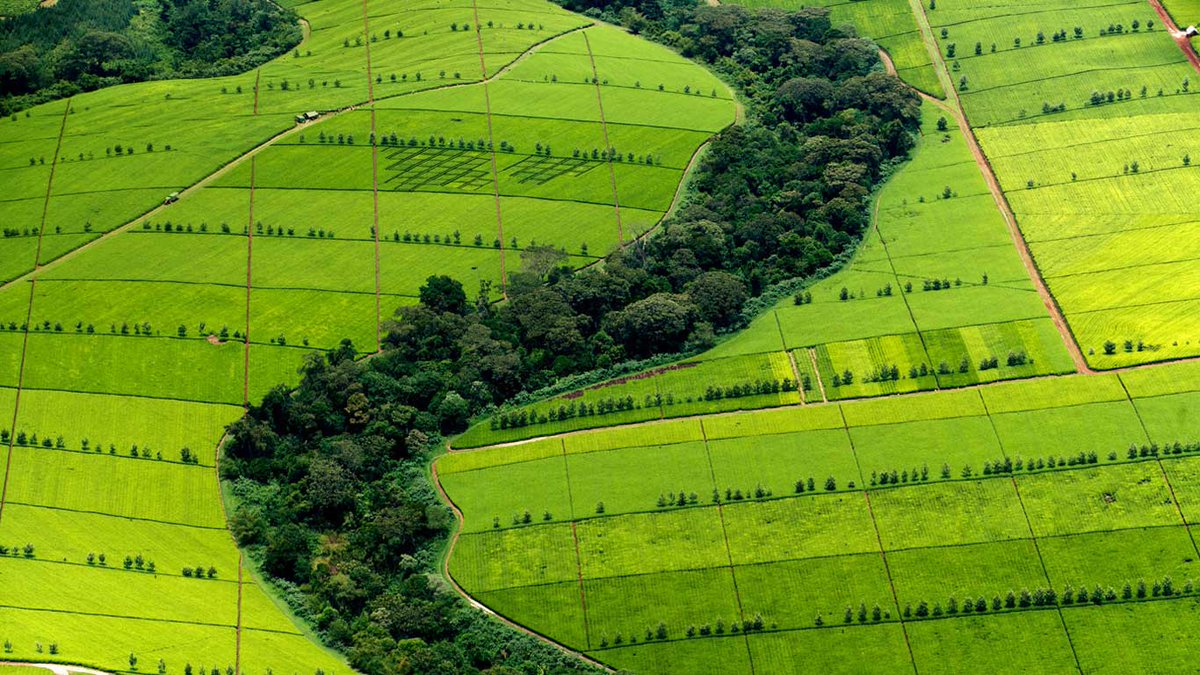
Kakara Tea Farm. Mambilla Plateau Highland, Taraba State, Nigeria.
The farm is West Africa's only highland tea plantation, sitting on 600+ hectares of high land. The tea is acclaimed to be among the world's best.
I'm astonished. The landscape is breathtaking.
🤍✊🌸🇳🇬
Kenya is Africa's largest producer of tea and the world's third largest tea exporter.
Kenya generated $1.005 billion from tea exports in 2022 and $989 million in 2021.
Another new colour to join the Tea Purse inventory is this serene Sandstone. 😊😍
Want one? Need a few? Head over to the shop and treat yourself or a loved one to this lovely little treat. 😊☕️
Link to shop in bio and below:
https://t.co/Y82ZXKvpHh
#teapurse#teatime
@Musa_Maliki_ Very interesting, love to know the answer. But I have to say that I read Ibn Battuta travels that their was already tea here prior to Chinese interactions, so what was it called before attay if that is not a local word.
I know that this map is referring to fusha Arabic but people in North Africa, excluding Libya and Egypt, use the word 'atay' (أتاي) to refer to tea which is likely derived from the Chinese word 'te' (pronounced: 'tay').
Some people assert that 'atay' is a colloquial word from the French word "thé" which originated during the French occupation. But this doesn't make sense historically speaking since people used the word before that period like by Shaykh Sulayman bin Muhammad al-Hawath al-Shafshawni رحمه الله who died in the year 1816 CE, so he was from the mid 18th century.
Curious to read other people's opinions on this, feel free to comment
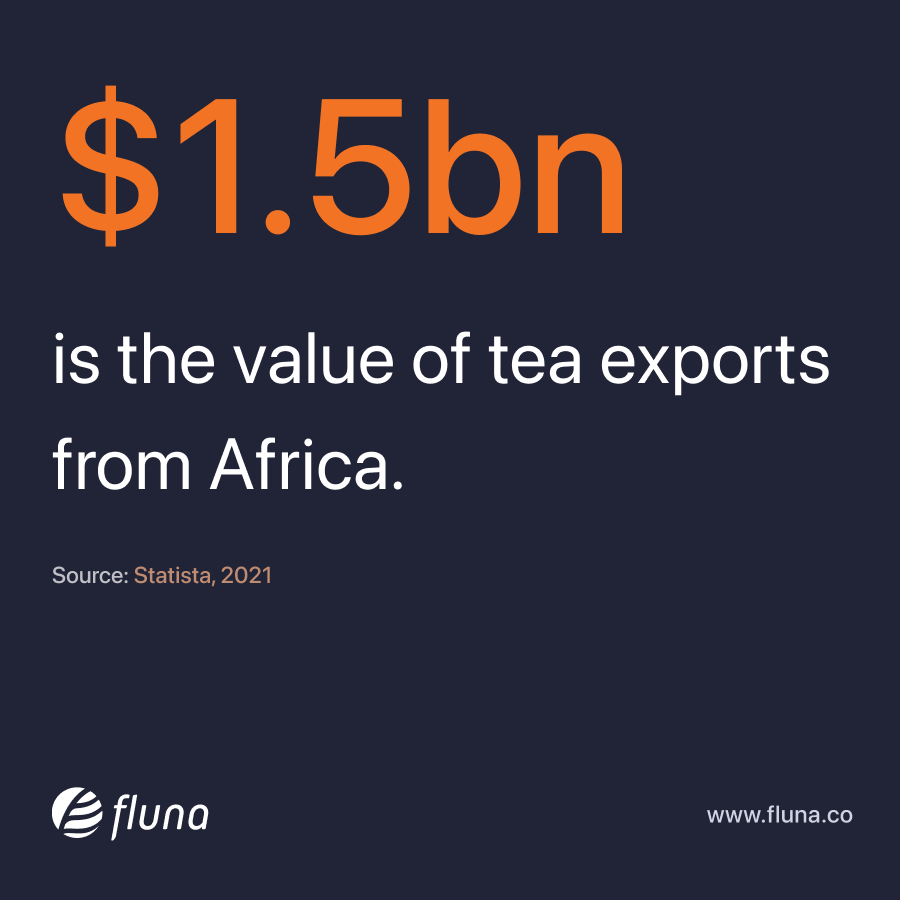
Africa is a notable contributor to the global tea trade, with several countries on the continent being prominent tea producers and exporters. Kenya is the world's second-leading tea exporter, accounting for about 17.6% of global tea exports ($1.4 billion).
#Fluna#Africa#Exports