Our paper on the effect of data centers shows this, empirically. The impact to retail rates matters not just on the change in market prices from the increased demand, but the current balance between fixed costs and variable costs in the retail rate. https://t.co/9uGRRY7wcz
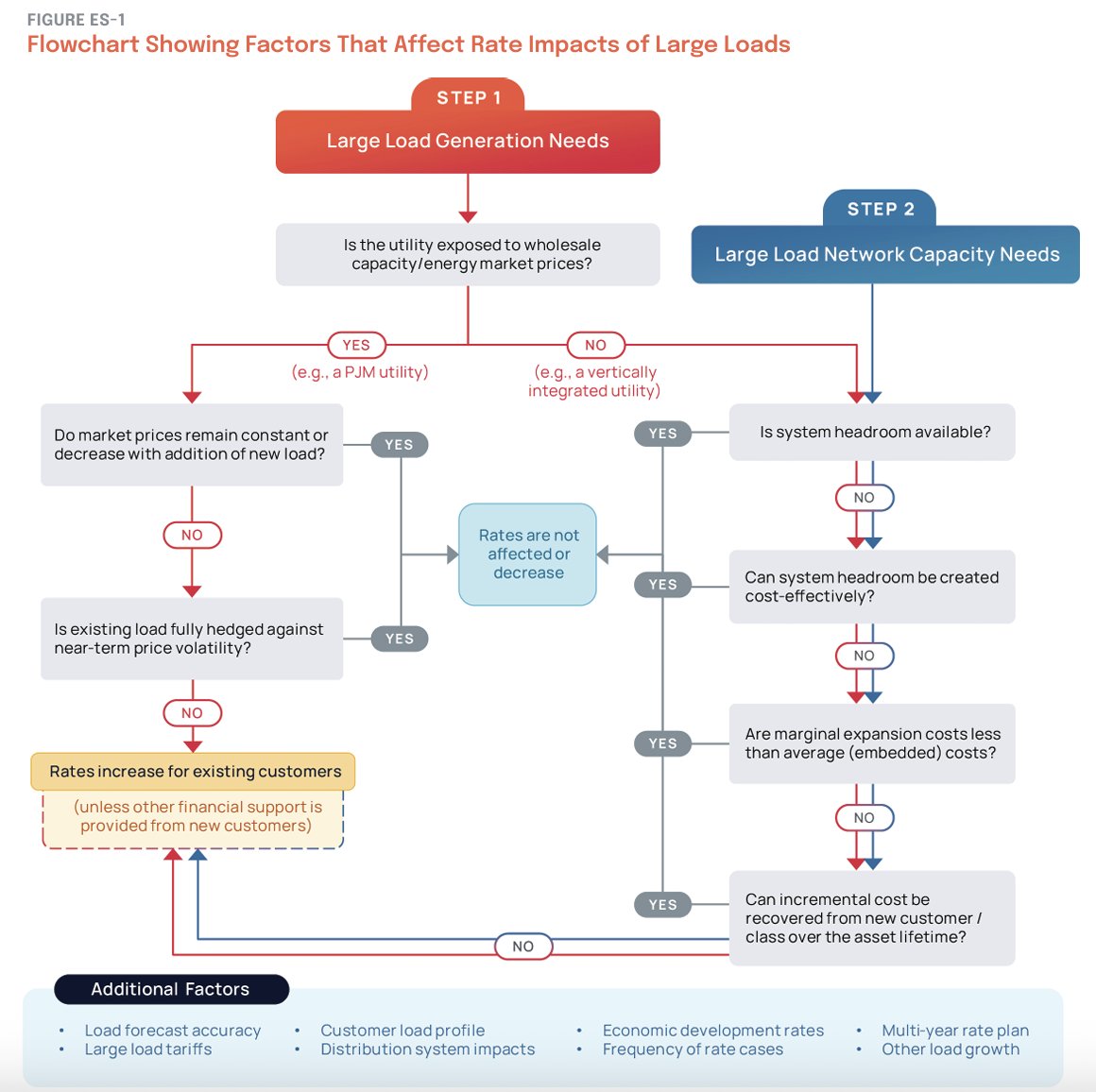
Right. Here's a new paper from ESIG/Brattle with a great graphic to cut against simplistic narratives of data centers always increasing/reducing rates for existing customers.
TL;DR - it depends. For e.g. your rates can go UP if your utility has not fully hedged. Just ask some ratepayers in PJM!
As the paper put it:
"The rate impact of large loads is not a foregone conclusion in either direction. It is an empirical question that depends on the specific conditions of the utility system, prevailing market dynamics, market design, regulatory framework, and rate design."
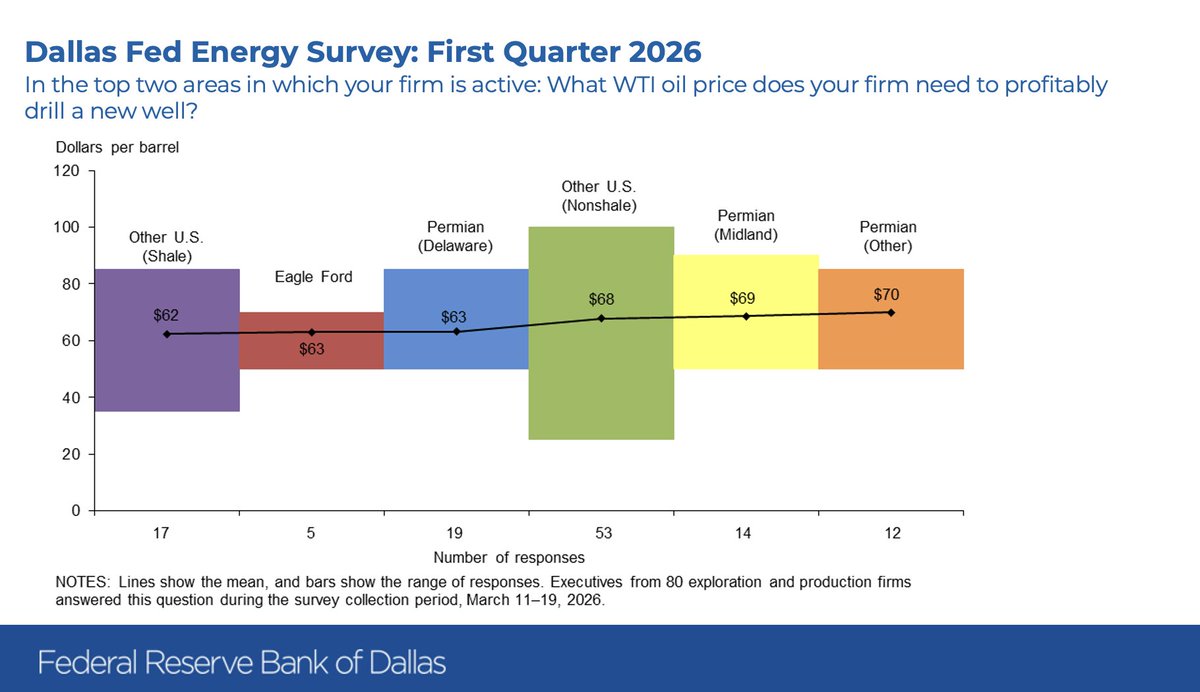
Dallas Fed Energy Survey: Oil and gas activity rises amid elevated uncertainty, and the survey gauges to what extent drilling plans have changed since the start of the year and reassess break-even prices. #OOTT https://t.co/bG3t95ns98
The rise in insurance is not just a pricing issue; it is a growing source of financial stress, inequality and geographic sorting. The increase may quietly reshape who can afford to leave, who is forced to stay, and who ultimately owns homes in communities with high climate risk.
It is not all bad news. Increased flexibility, demand response, fixed cost spreading, and funding of transmission and generation can counter the price pressure. Grid operators are working on many ways to use policy and tariff structure to shield rate payers.
Happy to share newest working paper on data centers and wholesale electricity markets: https://t.co/yf3yrlh1Hn We find that data centers have already raised wholesale electricity prices and increased grid emissions, and are set to drive large increases over the next 3 years.
We use a least-cost dispatch model to simulate outcomes (in the past and future) under multiple scenarios to capture the uncertainty in data center utilization and build-out. The effects vary widely by region due the structure of existing power plants and excess capacity.
Full working paper set to follow shortly with methodology and full analysis. We estimate observed effects for the past 4 years alongside our forecast results, have expanded outcomes, as well quantify the impact of optimal spatial allocation. Stay tuned!
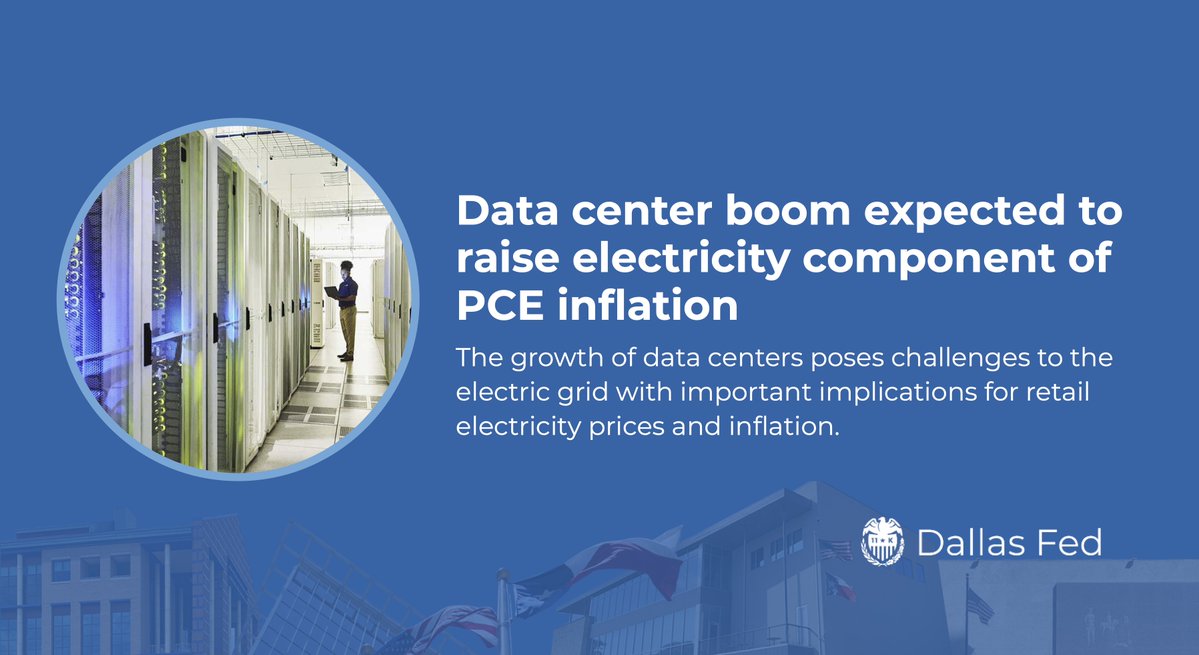
Happy to share my most recent work on data center growth and implications for electricity prices and inflation. The growth in demand is set to outpace planned supply and our model estimates the increase in wholesale electricity prices. This has implications for retail rates.
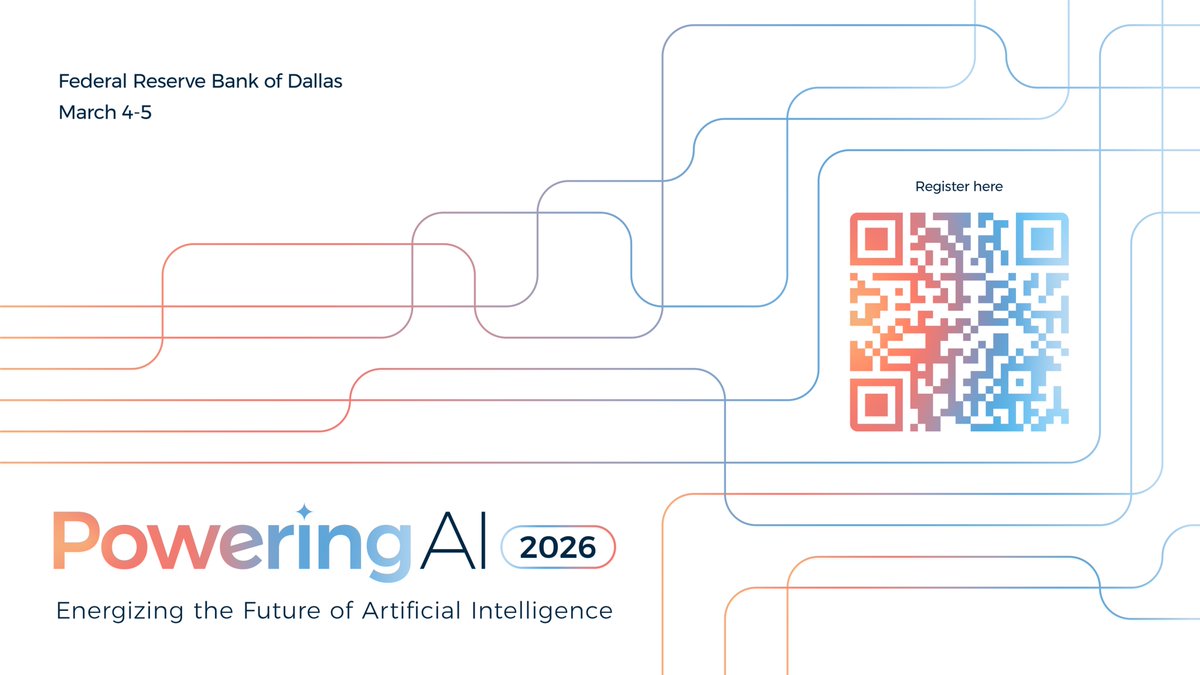
Join us March 4-5 for Powering AI: Energizing the Future of Artificial Intelligence. This conference will bring together experts from the energy, technology and financial sectors to discuss how the U.S. will power the advancement of AI. Register here: https://t.co/Kyt6sZD0Us
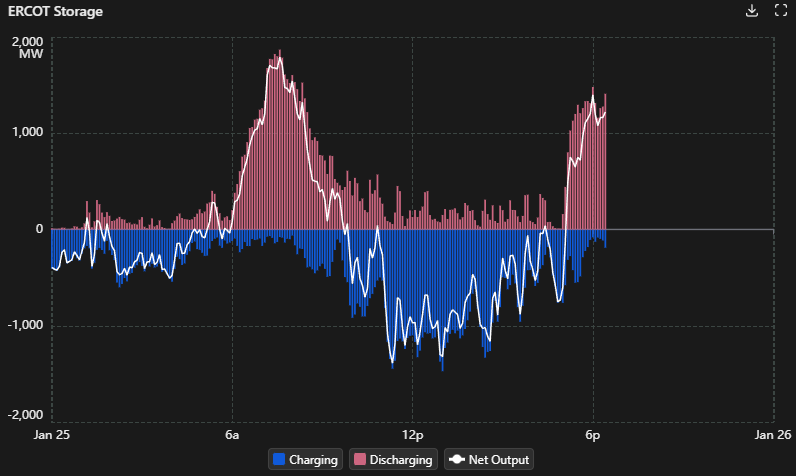
What we saw Sunday:
-Outages peaked statewide this AM at 125k (23k in Oncor), both have since fallen
-Load a bit higher today, will be higher Mon
-Solar came back, but renewable outages still high
-Huge gas ramp in PM when wind died
-Batteries still subdued, Mon AM could be big
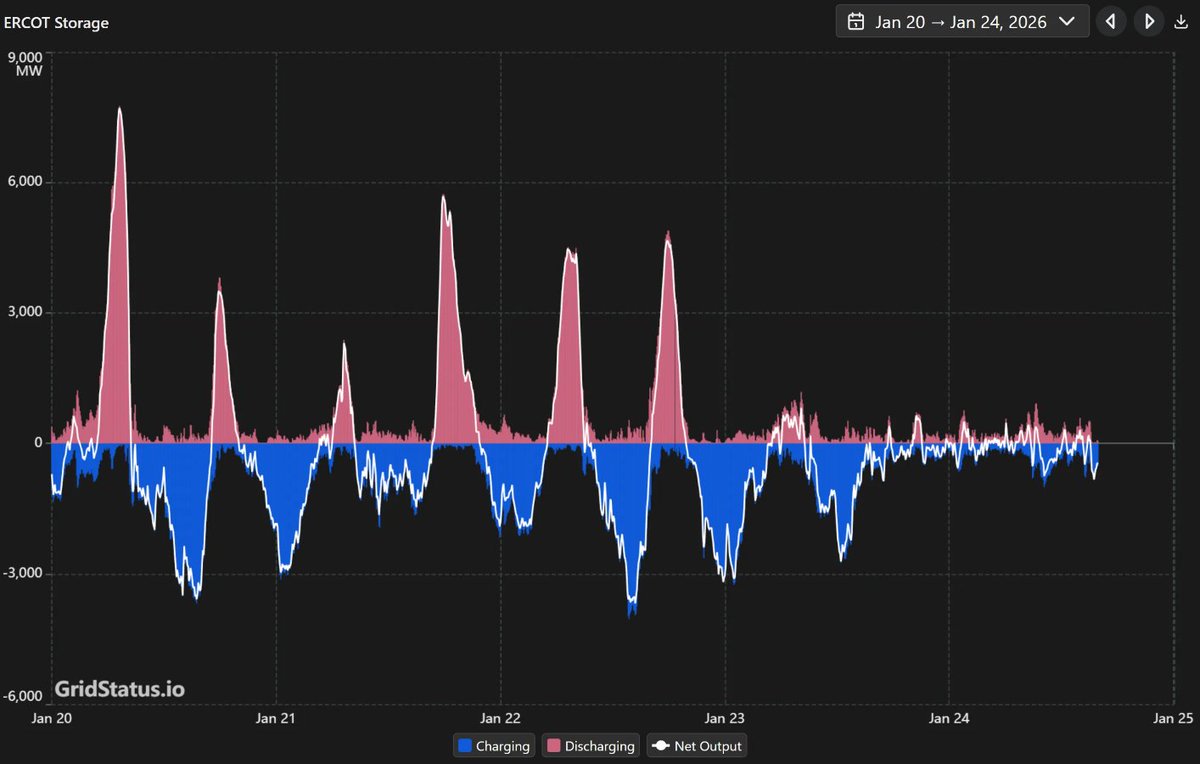
The system-wide price finally breaks through $1k, but the bulk of batteries has still yet to be seen. Seems to be holding out for later hours or waiting until tomorrow morning. Will be interesting to see how many cycles batteries actually performed over these few days... #ERCOT
First sign of life out of the battery fleet this AM, still muted compared to capacity. Wind continues to outperform forecast and as a result, net load comes in under forecast. Prices are well below expectations with plenty of reserves. Solar set to have a better day. #ERCOT
Things starting to heat up as the temperatures cool down. Wind over-performed throughout the day, but prices remain on track with DAM expectations. Batteries still holding on to the bulk of charge from yesterday. Should help as the sun sets and net loads rise. #ERCOT@grid_status