Happy National Doctors’ Day! 🩺🧡
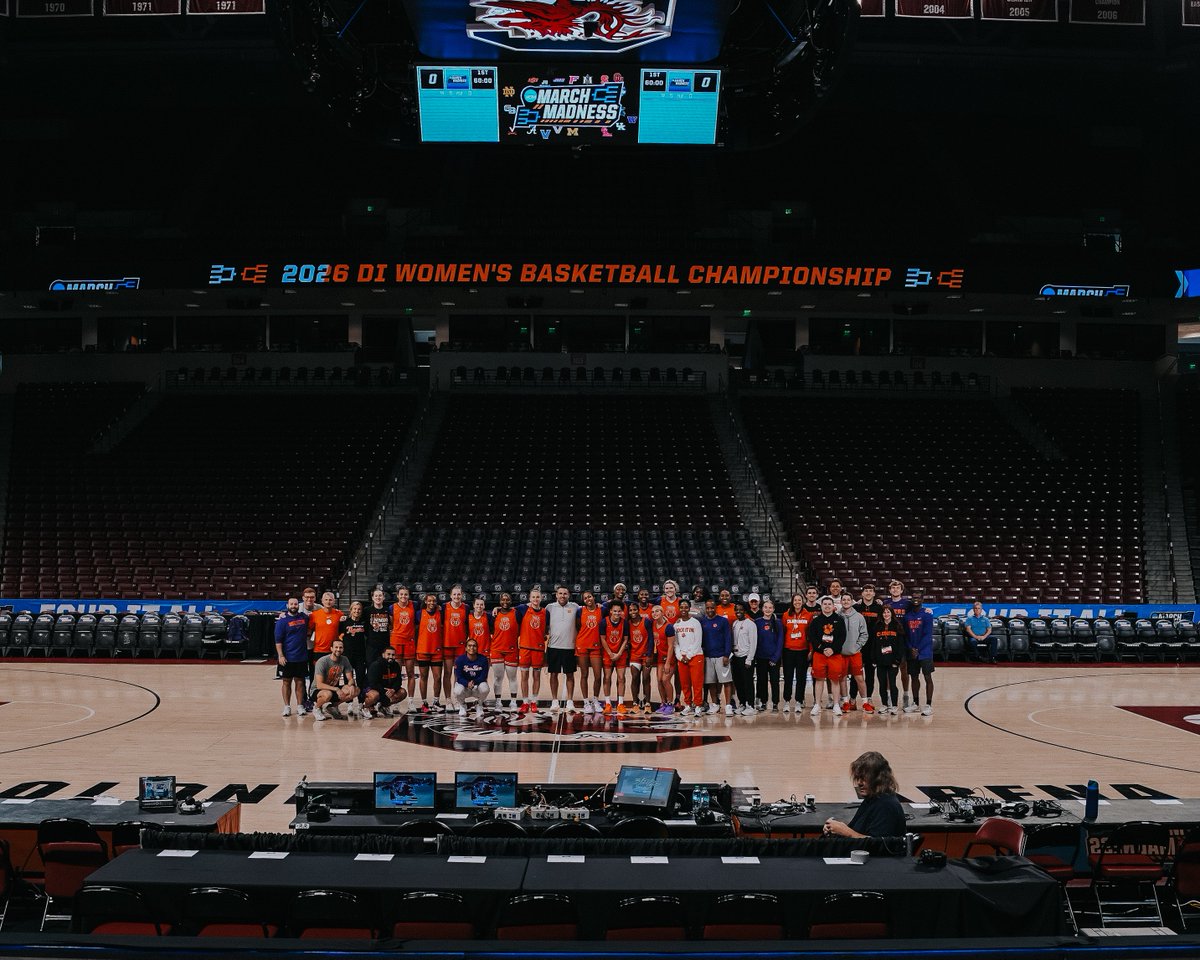
We're incredibly thankful for these fantastic doctors, who continue to provide first-class care and serve as the official team physicians for all our student-athletes!
#GoTigers || @theprismahealth
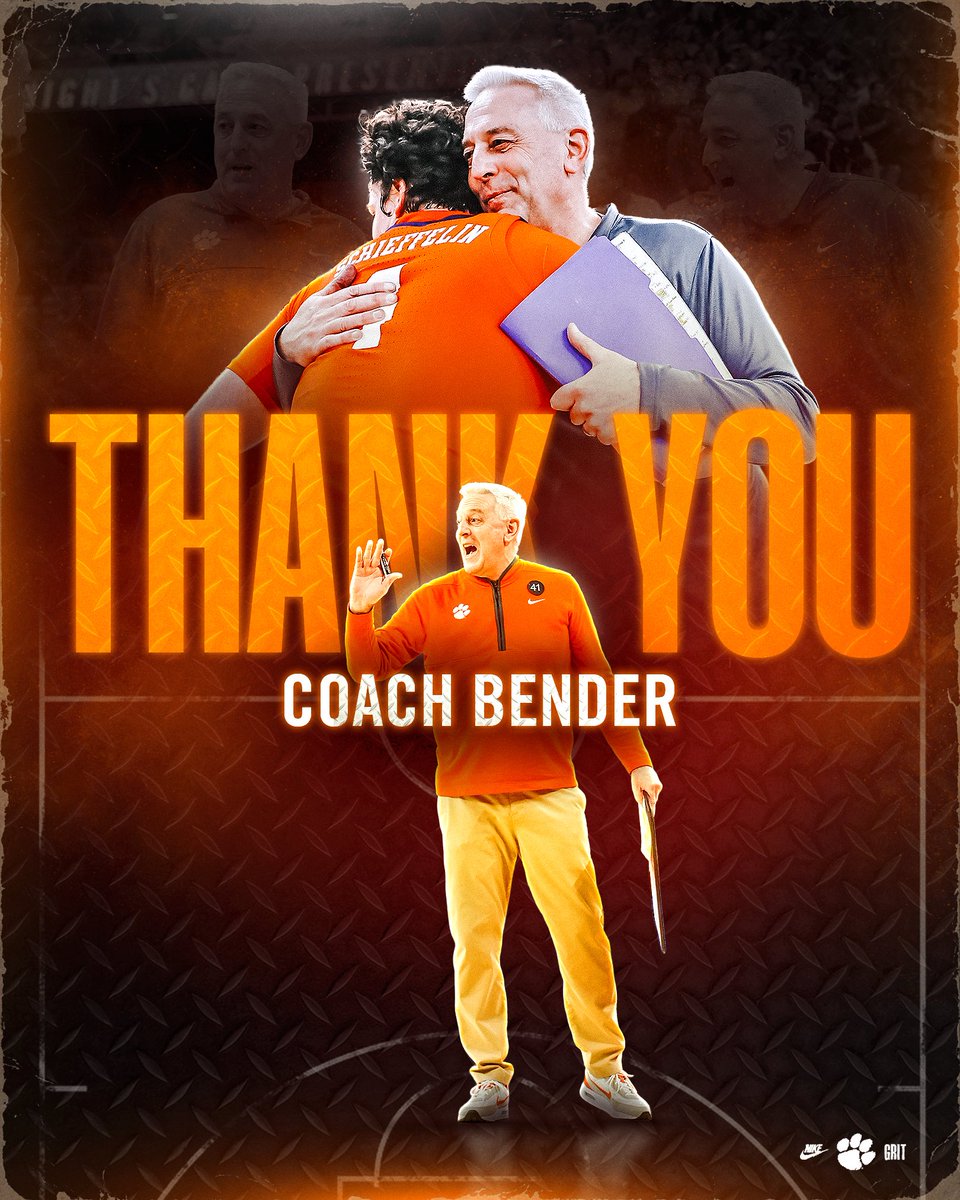
Thank you for everything you’ve done for our program, Coach Bender! Your dedication, integrity and impact go far beyond the court. Enjoy your well-earned retirement.
📰: https://t.co/2jKr2KHghu
The Varsity and JV girls and Varsity boys soccer teams all defeated Southside Christian on Monday, and the softball team, with Addie Murphy tossing a five-inning no-hitter, beat BMC. Click the link for details, plus more Varsity and JV girls soccer photos. https://t.co/sHZZHkmMqB
“There���s no one-size-fits-all recovery timeline for concussions,” says AMSSM's Dr. Marie Schaefer, who explains what concussion recovery typically looks like – step by step.
https://t.co/YGULg6OMEw
Why Early Loading Heals Tendons Faster Than Rest
For many years, tendon injuries were initially managed with rest... or ice for a few days, followed by time in a brace or a boot. Pain was taken as a signal to avoid load, and recovery was expected to occur with time.
Mechanical stress was viewed as something to delay until symptoms settled.
Research from Denmark has shown that this approach is wrong.
Much of this work comes from the Copenhagen muscle and tendon research community, particularly from groups led by Michael Kjaer at the University of Copenhagen and collaborators at Bispebjerg Hospital, as well as from clinical research by Håkan Alfredson. Their combined laboratory and clinical studies have clarified how tendons respond to injury and recover function.
In several controlled studies, including work on Achilles and patellar tendon injuries, researchers compared outcomes between early, structured loading and delayed loading following a period of rest.
When controlled loading was introduced within the first few days after injury—often around day two—return to function occurred far sooner than when loading was delayed until day seven to nine, or later. Some papers reported that athletes in the early mobilization group were back 25% sooner than those in the delayed group.
Tendons are mechanosensitive tissues. Mechanical strain activates tendon fibroblasts through integrin-based signaling, leading to intracellular pathways such as MAP kinase activation that stimulate collagen synthesis and alignment. This process is necessary for restoring tendon alignment, stiffness, and load tolerance. When tendons are unloaded for prolonged periods, collagen remodeling is reduced, and structural organization worsens.
Rest can reduce pain, but it does not restore tendon capacity. In fact, prolonged unloading leads to decreased tensile strength and increased sensitivity to load reintroduction.
The worst thing we can do is to brace or boot these injuries for a period of time.
The tendon may feel better temporarily, but it is often less prepared to tolerate stress. The benefit of early loading depends on how the load is applied. The Danish studies emphasized controlled, progressive loading rather than a return to unrestricted sport. Early loading typically involved isometric or slow resistance exercises rather than elastic or high-velocity strain. The goal was to provide a mechanical stimulus sufficient to promote remodeling without provoking excessive irritability.
This distinction is important. Early loading does not mean ignoring pain or continuing normal training. It means modifying the load rather than eliminating it. In real life, that often means starting isometric exercises of a short duration… and progressing as comfort improves.
Clinically, this helps explain why many tendon injuries take longer to recover. Symptoms may improve with rest, but when activity is resumed, pain returns, and the cycle repeats. Tendon capacity was never rebuilt.
The work from the Copenhagen tendon research groups supports a different approach: tendons recover best when they are exposed early to appropriate mechanical loads adjusted to tissue tolerance (pain).
Tendons do not recover in a brace over time. They recover through progressive mechanical loading applied early enough to influence remodeling.
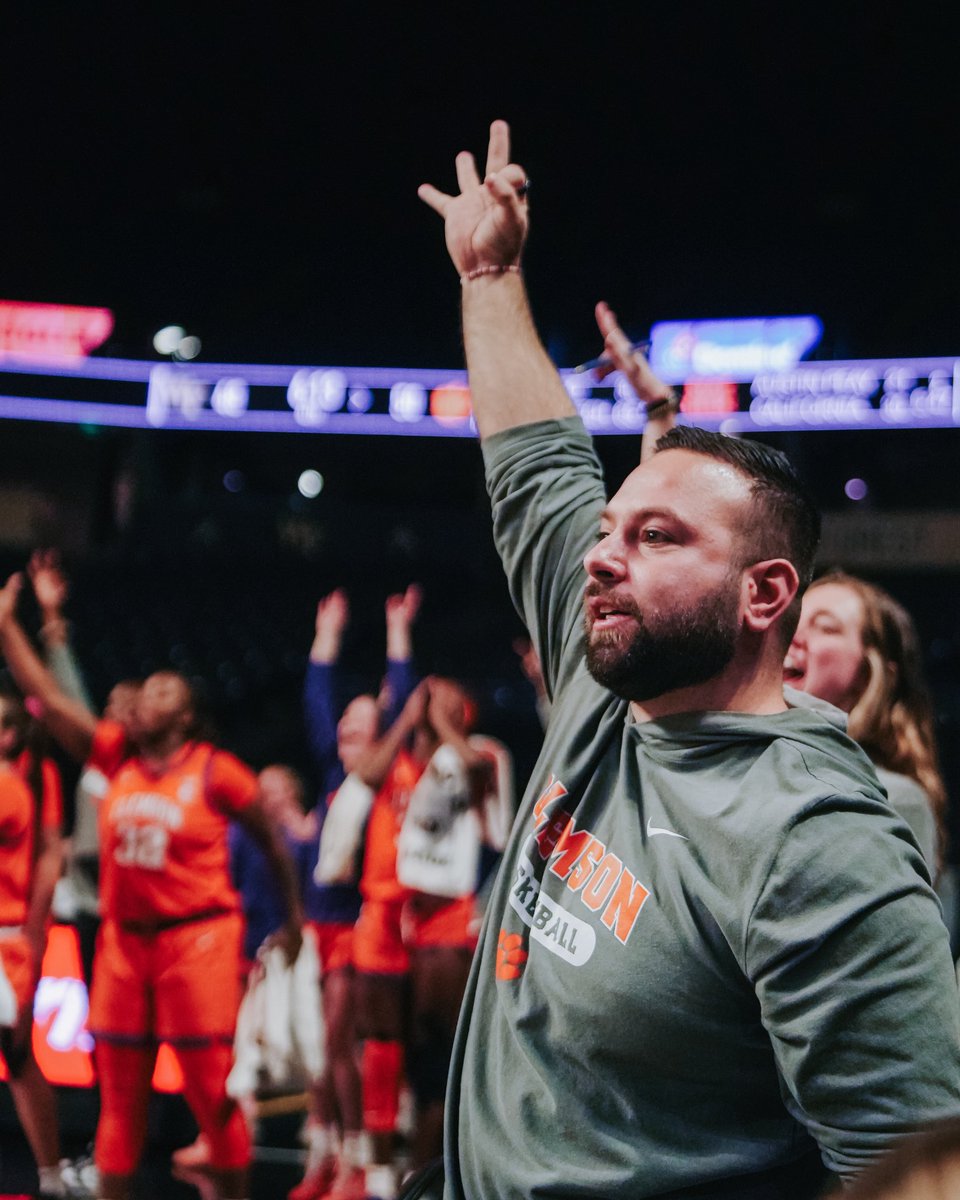
Gear up for the 2026 season by grabbing the team poster, which will be available at all home games, including the Orange vs. Purple scrimmage on Feb. 1!
Reminder the Orange vs. Purple scrimmage is free and open to the public with gates opening at 11:15 a.m.
💬 Athletes rated their schools on mental health support — here are the top results.
Want to share your experience? Rate your school in the free AO app 📲
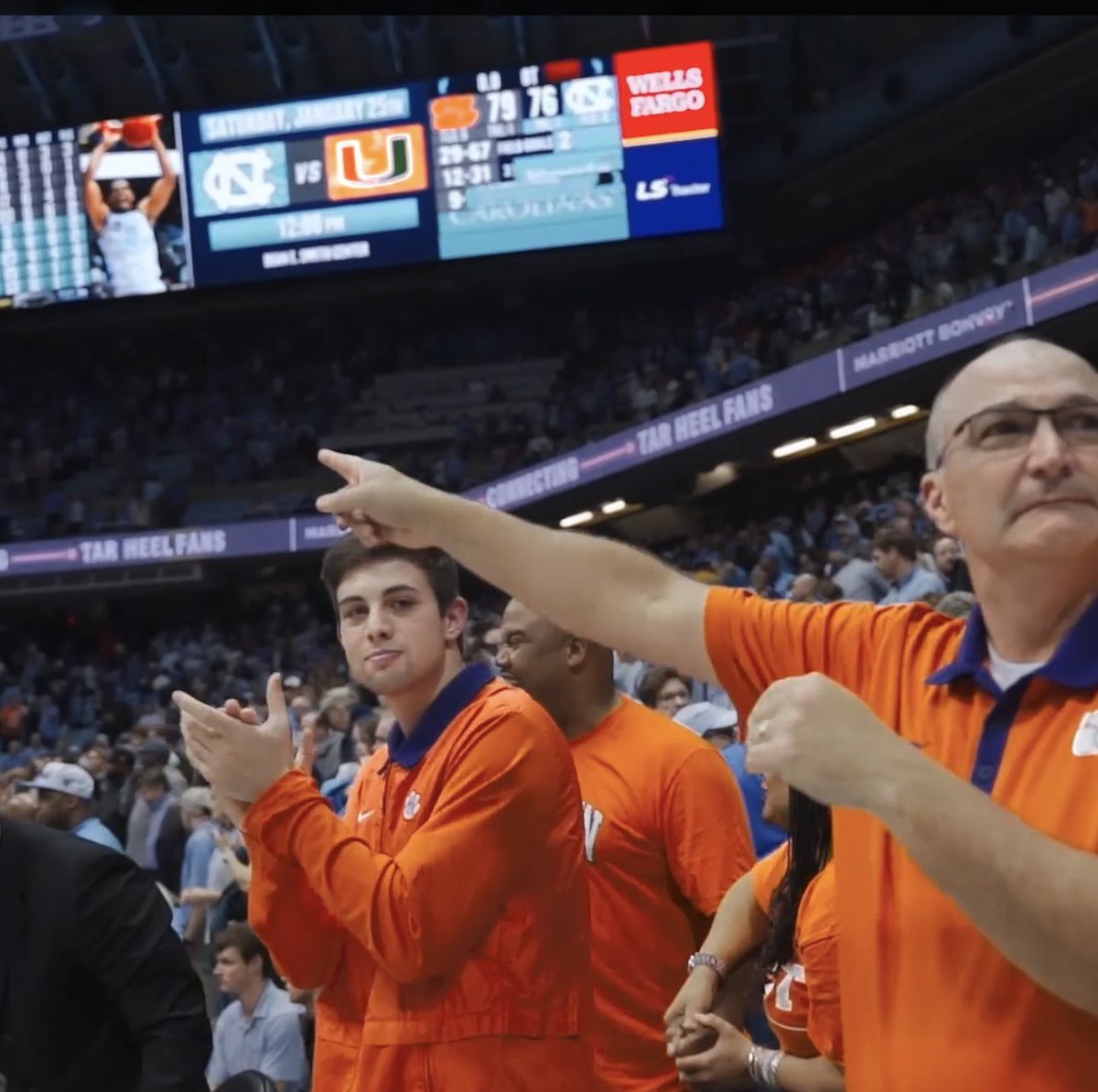
Jan 11, 2020: They said the streak would never end, but they were wrong, as #Clemson finally got a men’s basketball win on UNC’s home court, 79-76 in overtime. The Tigers overcame a 10 point halftime deficit to secure the victory. Aamir Simms’ last second shot sent it to OT.
Tendon pain... Long and very deep dive into the causes and treatment of tendon pain.
-Tendinopathy is the leading cause of tendon pain, a broad term encompassing failed adaptation, structural changes, and associated pain. Most folks think you need tears to have pain... nope!
-Causes include abrupt load increase, repetitive cycles, compression + tension, intrinsic tissue limitations, and failed repair responses. Many tendon injuries are training errors.
-Rest alone is never sufficient. Tendons need load to remodel and regain capacity. Very counterintuitive.
-A smart rehab progression moves from isometrics to strength loading. Tendons eventually require heavy loads to heal.
-Prevention is as important as treatment.
Link below: