@Handre So long as the voters Believe In free goodies, then the govt must gin up inflation.
If the people were more rational, they'd vote the inflationists out of office.
@hydro_cloud@Handre So if I have an ice cream parlour and have to raise the pay of my personnel to $50 /hr, ice cream costs become $15 per scoop, nobody buys my ice creams any more and I have to close the parlour...
@lrakreyem@Handre If people earn enough to live is not the responsibility of a company.
If a certain job produces less revenue than the costs, the company will stop with that service/product.
If gardeners become too expensive, people stop hiring them and do the garden themselves.
The Economist claims non western immigrants are net positive for the economy.
Without calculations this is hard to believe. Yes, low wages are positive for big companies (readers of Economist), but the costs are socialized on the society.
@lanegreene Non-Western Immigrants & Descendants have represented a net deficit for the state, largely due to lower employment rates and higher reliance on social transfers.
The Min of Fin of Denmark estimated they cost the public sector a net $4.9 billion annually, ~1.4% of GDP
@lanegreene Non-Western Immigrants & Descendants have represented a net deficit for the state, largely due to lower employment rates and higher reliance on social transfers.
The Min of Fin of Denmark estimated they cost the public sector a net $4.9 billion annually, ~1.4% of GDP
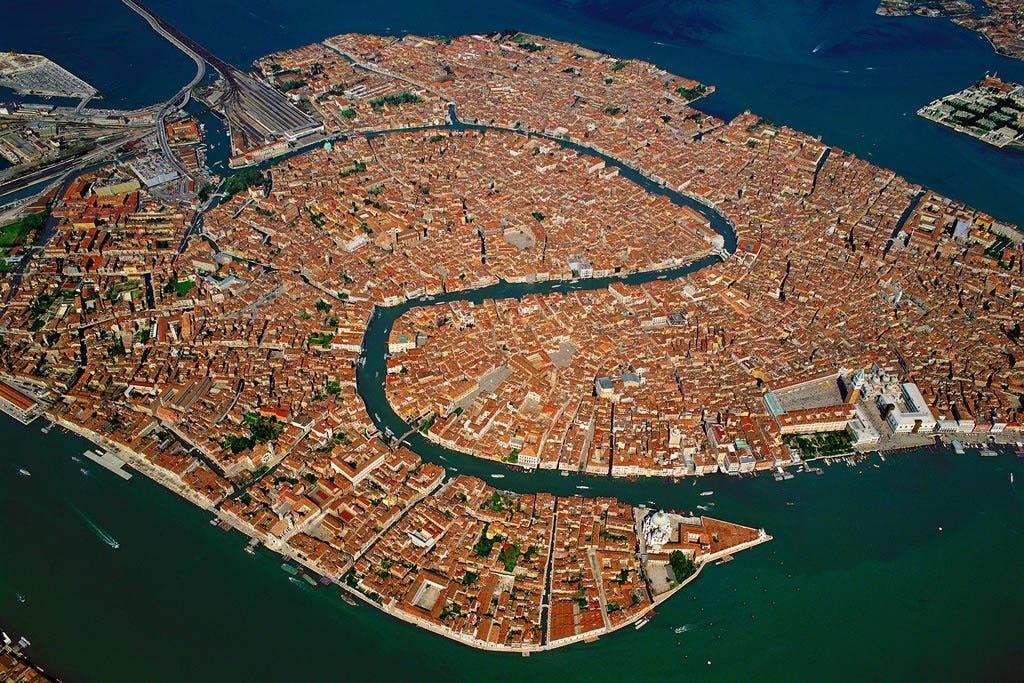
Venice built the greatest commercial empire in European history without a central bank, without industrial policy, and without a single economic development agency. While Byzantine bureaucrats strangled Constantinople with regulations and Frankish kings debased their currencies, Venetian merchants created wealth through voluntary exchange and sound money.
The lagoon dwellers who fled Attila's hordes in 452 AD had nothing but salt marshes and fish. No natural resources. No agricultural surplus. No inherited infrastructure. What they possessed was something far more valuable: distance from the coercive apparatus of mainland states. This geographic accident forced them to survive through trade rather than taxation, commerce rather than conquest.
Venice's constitution deliberately fragmented power to prevent any single authority from controlling trade. The Doge held ceremonial functions while competing merchant families checked each other's ambitions. No guild could monopolize an industry without rivals organizing alternative trading networks. When the state tried to restrict private commerce in 1297 with the Serrata del Maggior Consiglio, it marked the beginning of Venice's decline, not its peak.
The Venetian ducat maintained its gold content for over 500 years while every other European currency suffered debasement. Merchants could calculate profits across decades, plan investments across generations, and accumulate capital without worrying about monetary manipulation. Compare this to England, where Henry VIII cut silver content by 83% in just 20 years.
Voluntary association and sound money create abundance. Coercion creates poverty. Venice proved this. The same economic laws that enriched Venetian merchants still operate today, waiting for governments brave enough to get out of the way.
Over 2025, M2 of china has risen +8,7%, not 13.6%.
(319k to 347k billion).
I think you should add up al percentages of each central bank, not the values in dollars.
In the last year, the world has printed 9.3% more money.
Global M2 money supply has reached $141T in 2026.
When inflation starts to run hotter again, they will blame it on Iran and other proximate factors.
But the root driver is the money printer has been running hot for the last year. Where?
China increased their money supply by 13.6% in the last 12 months. Their M2 is now $50T, making it the largest global driver of fiat inflation.
US growth in M2 is just 4.6% over the last 12 months, making the US comparatively responsible. (But make no mistake, this means your dollars have been debased by almost 1/20th of their value in just a year.)
Since we live in a global economy, we're subject to the aggregate impact of GLOBAL money printing. The US has been accustomed to being the largest monetary base and therefore largely controlling global debasement.
But China's money supply is now 2x as large as the USA's. Your savings are being debased by Chinese monetary policy decisions and you have no control.
Nobody asked your permission. Nobody told you it was happening.
But your savings just got diluted by 9.3% in one year.
Note: I'm currently updating the Global Asset Landscape for 2026 (see prior tweet). It will be out in the next few weeks, stay tuned!
@Croesus_BTC When you express the other currencies value in USD, and the USD has gone down in value, it looks like the other currencies have risen in volume, but is it really so?
Or is it really calculated by adding the central banks' balance sheets sizes?
🟠 Early #Bitcoin developer @marttimalmi released an updated Nostr VPN, a decentralized mesh VPN built without centralized servers or accounts.
https://t.co/XqqnzgyZBW
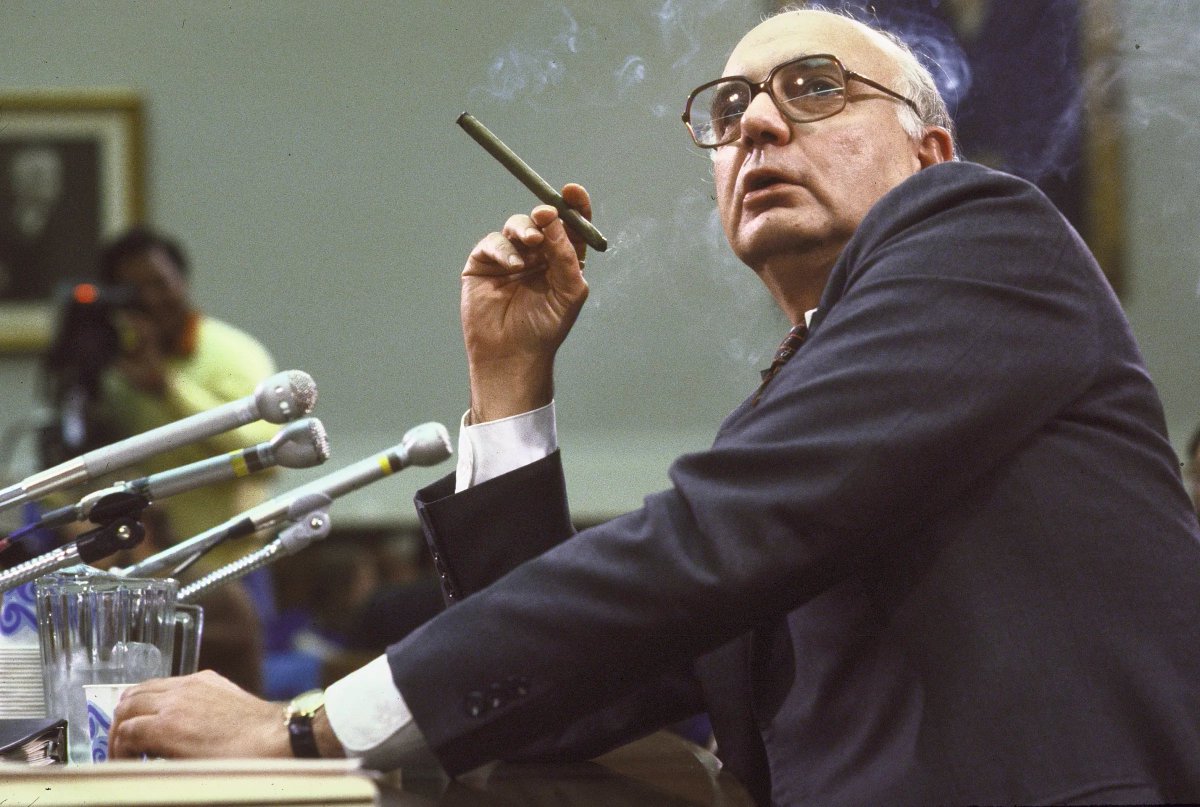
Paul Volcker didn't "crush" inflation in 1981-82 through heroic central banking. He cleaned up the mess that central banking created in the first place.
The Federal Reserve had spent the 1970s debasing the dollar, pumping money supply growth above 10% annually while inflation ravaged American savers. By 1979, consumer prices were rising at nearly 15% per year, and the dollar was collapsing internationally. Gold hit $850 per ounce as investors fled fiat currency. The Fed's own policies had destroyed the purchasing power of American wages and savings.
Volcker's "solution" was to jack interest rates to 20% and trigger the worst recession since the 1930s. Unemployment hit 10.8% by late 1982. Manufacturing collapsed. Small businesses went bankrupt by the thousands. Free market economists grasped the real story: central banks create business cycles through credit manipulation. The recession was the economy's attempt to reallocate resources misallocated during the inflationary boom.
The mainstream celebrates Volcker for "breaking the back of inflation," but this ignores the fundamental problem. Central banks create business cycles through credit manipulation, then get praised for cleaning up their own disasters. The 1970s inflation came from Nixon closing the gold window in 1971 and the Fed monetizing government deficits. The 1981-82 recession was simply the hangover from that monetary binge.
Central banking itself is the source of monetary instability. Volcker demonstrated this by cleaning up the very disaster the Fed had created.