All Placozoa look like pancakes, despite being animals that are 500+ million years old and genetically distinct. In our new phylogenomics paper we described a new species, classes, orders, and families using molecular morphology. @AMNH@SFCNY @burnsajohn https://t.co/jCO8HRkzrW
We need your help! Have you ever seen jumping leeches? If you have—& you have video footage—please DM Museum Research Associate Michael Tessler (@TesslerMichael). His team has found evidence of leaping leeches in Madagascar & they want to know where else jumping leeches exist!
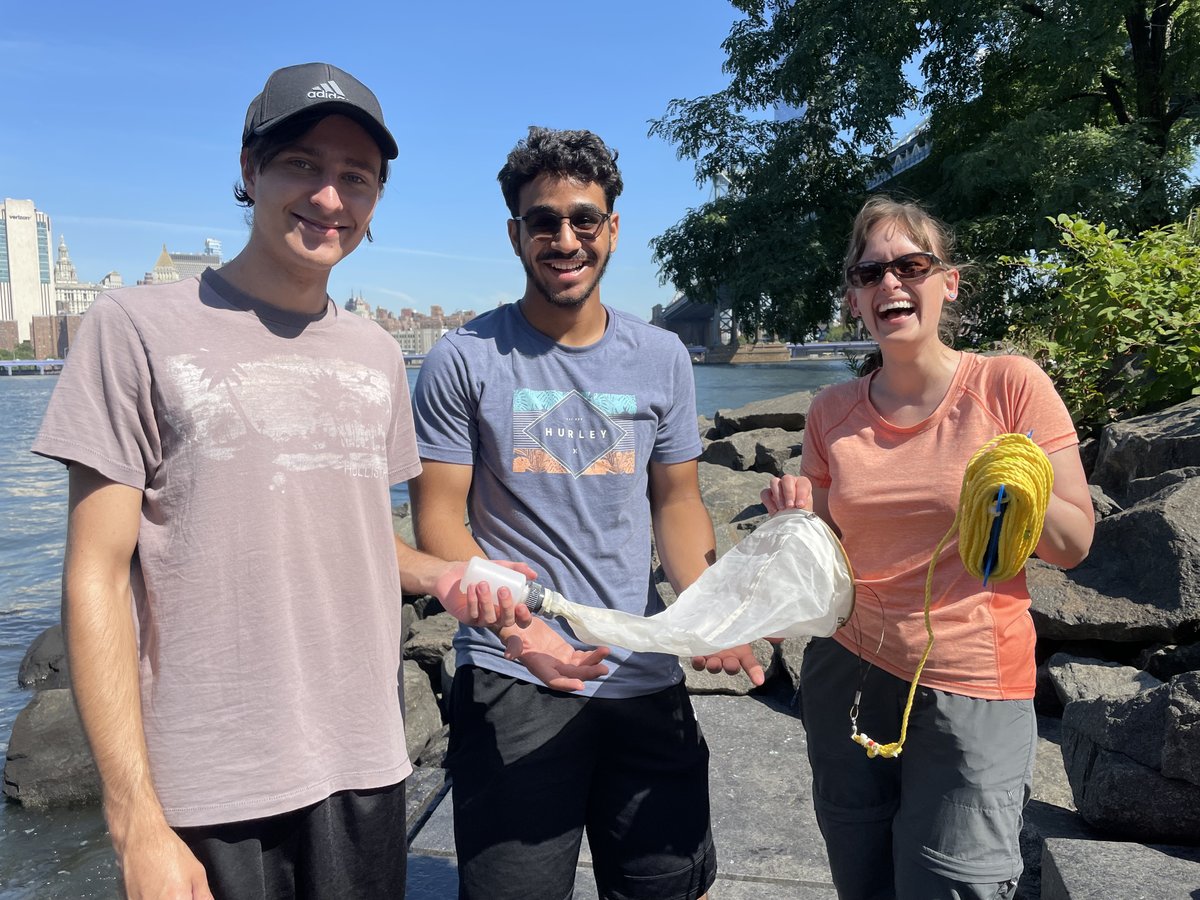
What zooplankton live in NYC's East River? We found a ton of copepods, & many others (including larval lobsters)! Check out our paper, co-authored by multiple
@SFCNY undergrads: Zooplankton of the East River (Brooklyn Bridge Park, New York).
https://t.co/x8r4PiKI27
@EmilyHerstoff @sbbaines @AWI_Media I love the title. Of course these are super variable. People (like me) too often lump broad groups that are really not so similar. Copepoda are ranked as a class after all - as are mammals - and have over 12,000 species. Nice work :)
Marine modelers check this out! Some assumptions, not shockingly, must be reconsidered for copepods - the tiny grazers, carnivores, and omnivores of the sea. Here is the awesome paper by @EmilyHerstoff https://t.co/vzMZ1XMe3t
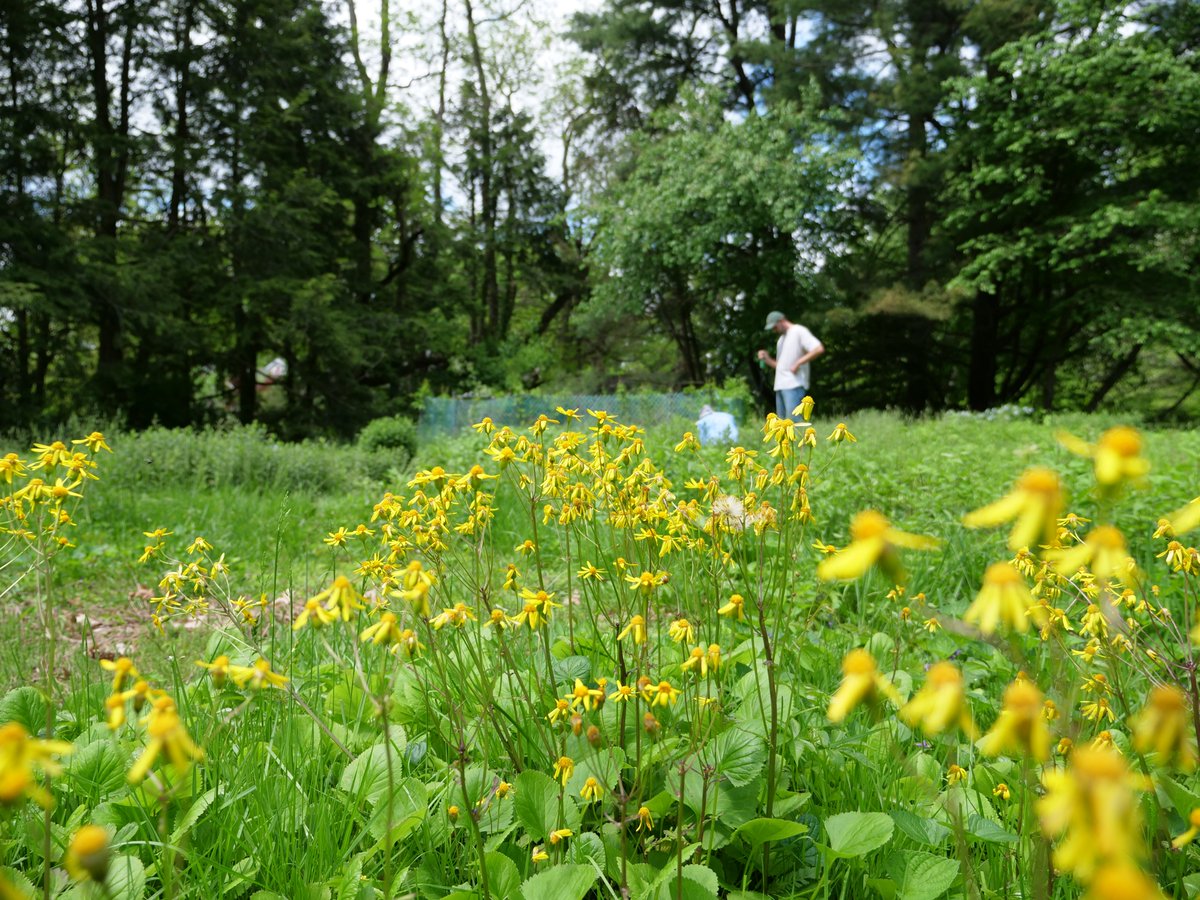
Finally published on backyard meadow diversity. Critters thrive in these spaces, and - based on our data - so do microbes! Maybe consider replacing some of your lawn with wildlife habitat?
@EmilyHerstoff@sethwcunningham + Felix David @SFCNY@AMNH
https://t.co/rnXryVN3pK
If you haven't tried eDNA, maybe our primer published in Microbial Ecology can help get you started :)
@BlackCoralLab @sethwcunningham@SallyWarring @bat_biomes @SFCNY@AMNH
https://t.co/m6peehw4bh
I've documented 100+ species of invertebrate and plants in these spaces, so it was a real pleasure to focus on microbial diversity. Amazingly, soil chemistry also seems improved in these mini habitats.
🚨NEW RESEARCH: A study led in part by Museum researchers produces the first taxonomy for a placozoan phylum! The first placozoan was discovered more than 100 years ago, but until now, they didn’t have a broad-scale Linnaean taxonomy.
🦠Read more: https://t.co/ewM4hM4ZIK
@danielledecarle Well, we actually described 1 new species. Now there are 4 species. But still a big increase, especially along with our new higher taxonomy within the phylum.
@GenevieveLauri4 @AMNH@SFCNY @burnsajohn Most people haven't heard of them, but they are an entire animal phylum. Their lineage is from one of the earliest splits in animal evolution. They are weird for sure.
All Placozoa look like pancakes, despite being animals that are 500+ million years old and genetically distinct. In our new phylogenomics paper we described a new species, classes, orders, and families using molecular morphology. @AMNH@SFCNY @burnsajohn https://t.co/jCO8HRkzrW
Also check out this paper where we apply this idea, using molecular morphology (phylogenomics and gene content) to name morphologically invariant Placozoa animals. https://t.co/jCO8HRBCtW
For a long time I have thought morphology and molecules are artificially divided among systematists. My colleagues and I finally got the words down on a page and published. Let's name the formerly unnameable! @AMNH@SFCNY@SpencerGalen
https://t.co/WIsooonXvl
This was a huge group effort. Bernd Schierwater and members of his lab in Germany were key, as were many colleagues @sicg_amnh. And a special shoutout to my co-first author Johannes Neumann who worked on this as part of his killer dissertation @RGGSatAMNH
my story about what a good life with Alzheimer’s might look like is up today on @NewYorker.
I’ve been thinking about these ideas for years and working on this piece since spring, and I’m thrilled to finally share it with you:
https://t.co/mt7teJT4uO
I want to listen to new papers while I am commuting! I wrote a blog post arguing that scientific publishers should use some of their profits to produce audio reads of papers, for accessibility and to serve the community. Comments/further ideas welcome!
ahhH my maggot story made it into the honorable mentions of this year's Best American Science and Nature Writing !! what a trip to be included among all these extremely talented people