🚀#CPDP Data Protection Day
Join #EDPS, @coe, @CPDPconferences on 28 January 2025 to hear and discuss about the role of #dataprotection in the light of new #EU political mandates
✒️Register for in-person & online participation: https://t.co/lTxlTMneRj
Découvrez mon dernier article : Interesting opinion of the AG in the Mousse case regarding the necessity for french train company to process the gender of the users https://t.co/xIkz1WZLhp via @LinkedIn
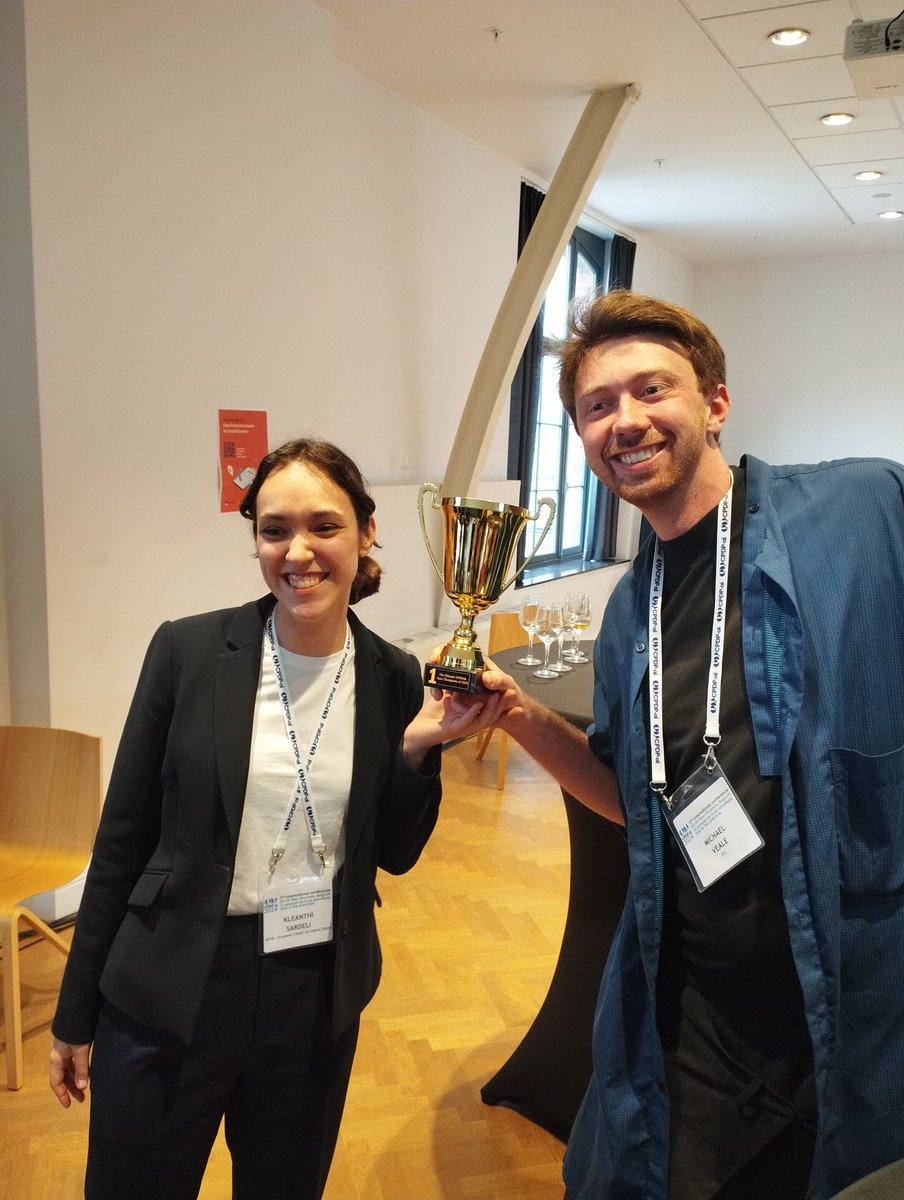
Join us tomorrow Wednesday in Brussels at the @CPDPconferences for the Ultimate Data protection quizz at 17.20 in the Machine Room, and win a privacy umbrella (or a data protection trempolin)
https://t.co/5dZOCfu8pR
At last! It took 6 years (we filed our complaints against IAB Europe and Google in Jan 2019, as soon as #GDPR came into force!) to confirm that invasive tracking and profiling of internet users by #adtech industry is NOT LEGAL and cannot be legalised with silly "consent" pop-ups:
@mikarv I really think information should be the basis principle and only the legal exceptions (household, freedom of expression, difficulties to inform but with mitigating measures) should be applicable. I dont like the 'people should have known their data could be reused'
@mikarv even though I still fail to see scrapping companies informing the data subjects ( they could do so, and they dont, and this has been beautirfully ignored in the Google debate as well). I guess it is all about the reasonable expectations and freedom of expression
@mikarv you're right, the statement is quite blunt: in this case there was not even any prior contact with the controller and no way to know data was processed
Are test questions and answers personal data that needs to be provided pursuant to an access request?
(German court VG Karlsruhe weighs in but equally interesting for US state data privacy laws)
🔹️Answers given by a student in a test could be considered personal data, however... test questions cannot be considered personal data.
🔹️The argument the test questions are strictly linked to the answers given by the plaintiff was also not accepted by the court which held that the questions do not reveal anything about the level of knowledge of the plaintiff and thus do not constitute personal data
🔹️Access requests under Article 15 GDPR serve the purpose of making data subjects aware of the processing of their personal data and to verify the legality of processing. Hence...it is irrelevant that the plaintiff needed access to the test questions for the purpose of interpreting the test result because he does not have a right to access under the GDPR for such purpose.
🔹️Test questions may constitute trade secrets
Image by upklyak on Freepik
#dataprivacy #dataprotection #privacyFOMO
https://t.co/3ZLBjbVBOT
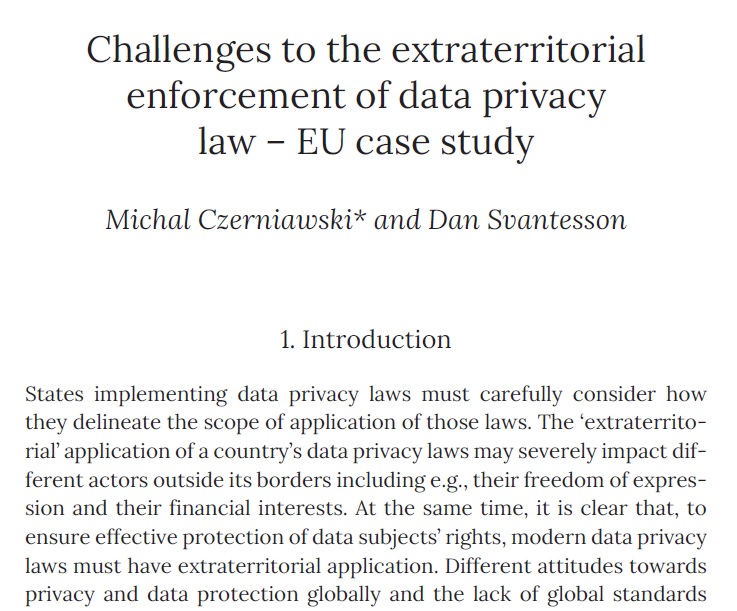
It was a pleasure to collaborate with @DanSvantesson on a paper that addresses GDPR / EU digital laws extraterritorial enforcement. We discuss controversial matters, ask inconvenient questions and all of this is available here: https://t.co/tDqXWiohrq #GDPR#jurisdiction#AIAct
The European Commission is asking people to contribute their views on the application of the General Data Protection Regulation (GDPR) for their current 2024 review round. https://t.co/MsytWVs1kI
New decision from the Belgian DPA: reminder that legitimate interest cannot fly if the data subjects were never informed in the first place. https://t.co/bg8FJMLp1O
For those interested in the pay-or-consent debate
Interesting discussion on DP as a fundemental right and the legislative process surrounding GDPR, Digital Content Directive (@TetsuwanAstro helped draft the EDPS opinion and is ex-noyb) and others.
https://t.co/78tC05RLyo
🎙 noyb's @maxschrems joined @EURACTIV s Tech Brief podcast to talk about the new EU-US Data Privacy Framework last week. Listen here 👇
https://t.co/NlSbnA756z
Not in Vienna, nor in Brussels - a good and informative chat with @maxschrems of @NOYBeu in the #EDPS office in Strasbourg on the practice of #cooperation between #DataProtection authorities. Civil society is a key stakeholder in the reflection on the functioning of the #GDPR.