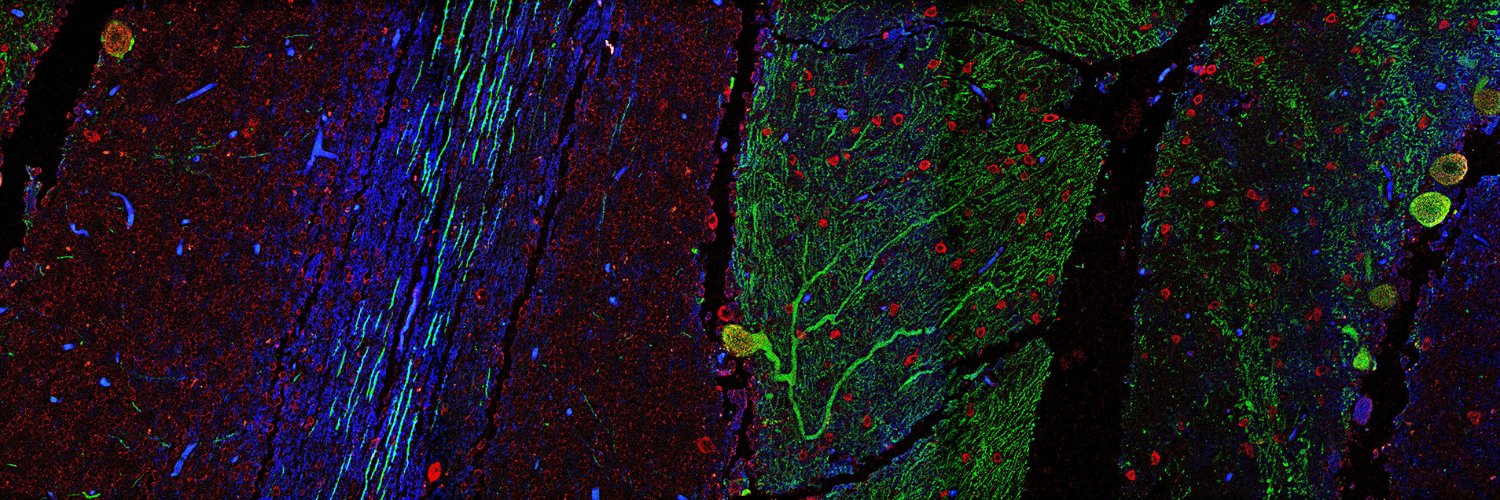
Traditional surveillance tracks known diseases. TreeScan looks for the unexpected. During the 2026 @FIFAWorldCup, epiENGAGE @UTPandemics & public health partners used TreeScan to scan ER data for unusual clusters, helping detect emerging health threats...👉https://t.co/q8EBl1h6xe
Deep Sky Tour: Exoplanet Exploration
🗓️ NEXT WEEK!!
@mcdonaldobs' Saul Rivera and NSF Graduate Research Fellow, James Mang, talk all about exoplanets!
Aug 12, 9:30 pm, CT
🔗 LIVE!
On Facebook, Instagram, and YouTube:
https://t.co/p9fW0CUujR
#livestream#mcdonaldobservatory
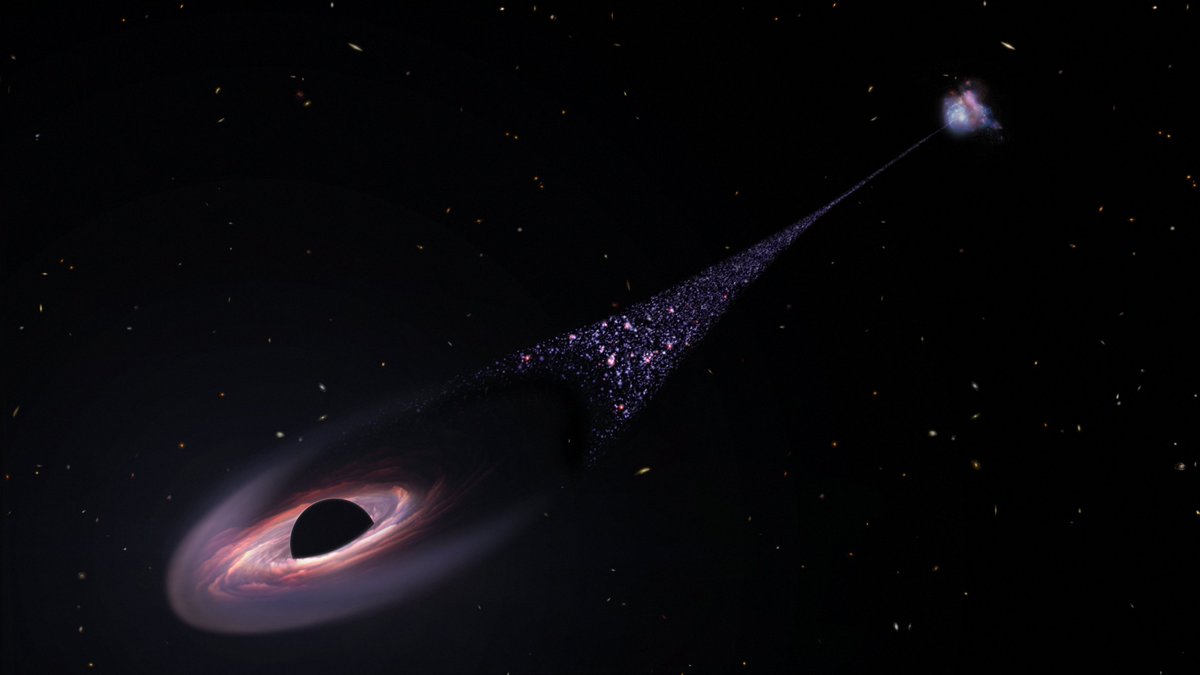
1/6: Physicists have revealed the origin of a possible runaway black hole: two supermassive black holes smashed together, spawning gravitational waves that gave the resulting black hole a powerful kick. Read the paper in @PhysRevLett: https://t.co/au5PK6RlwW
Publishing in a leading academic journal is a career-defining achievement for many researchers.
A group of @TexasScience undergraduates achieved that milestone before graduation, publishing in @Nature while helping solve a 100-million-year-old mystery: https://t.co/yC5m5u0bwc
Tower Tuesday: Alumnus Alan Bloebaum has a lifetime of memories with the Tower.
He's been exploring it since he was 8 years old. It became his favorite place to study as a Longhorn, and at 84, he's finding new appreciation for the University's iconic landmark: https://t.co/AYg4J1WCHv
Exciting new study, led by astronomers at @UTAustin, could help solve two astronomical riddles at once!
🔴 Check out some proposed theories on "Little Red Dots" and globular clusters -
https://t.co/TnNc3NeJ11
#Webb
One Idea, Two Cosmic Mysteries: Linking Little Red Dots and Globular Clusters
A new study led by astronomers at The University of Texas at Austin proposes a theory that could solve two astronomical riddles at once.
https://t.co/uVJLJfK4X7
What if a new 3D printing method could simulate everything from bone to ligaments to muscle in a single model?
Researchers from @texasscience developed CRAFT, a breakthrough that could open the door to better surgical training, safer protective gear and more: https://t.co/sQon5Y20Mm
Using a disco ball in space and lasers, scientists have confirmed one of Einstein’s weirdest predictions: rotating objects (like Earth) drag spacetime around them. They measured “frame dragging” with the highest precision ever. Learn more: https://t.co/mdZQfIGmNb @UTAerospace
Using the Hobby-Eberly Telescope at McDonald Observatory, astronomers have taken a closer look at a nearby exoplanet and discovered it may be more Earth-like than previously thought.
https://t.co/2HPt2lZCY2
No joystick. No remote control. No human calling the plays.
At RoboCup 2026, UT Austin Villa's humanoid robots played soccer entirely on their own, using AI, computer vision, and reinforcement learning to make every decision in real time. After competing against 22 teams from around the world, they earned an impressive fourth-place finish.
Read more about this incredible team here - https://t.co/BVmXHjf0nl
Did you know the primary occupants of the Tower are plants? 🌱
Hidden inside the UT Tower are 10 floors housing more than 1 million preserved plant specimens, including one collected by Charles Darwin in 1835.
Learn more about the Tower's herbarium here - https://t.co/mOOhyGv2LX
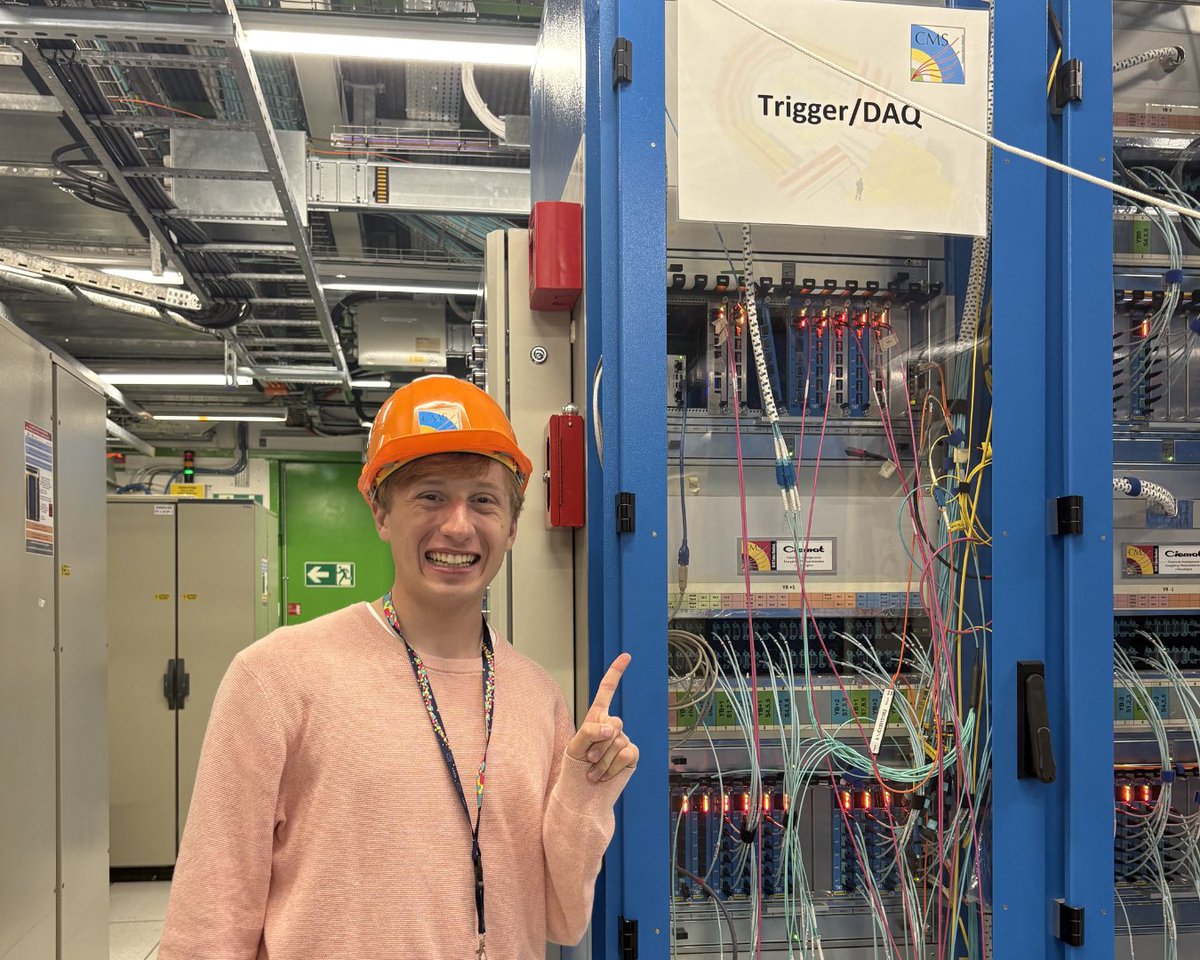
From CERN's Large Hadron Collider to a cosmic ray observatory high in the Swiss Alps, these UT Austin students got a front-row seat to some of the world's most advanced particle physics research. 🤘🔬
Read more about the Maymester that took Longhorns to several of Europe's premier particle and nuclear physics laboratories here - https://t.co/mgjGIom7cB