Pleased to share my latest @AsiaPolicy report, "The Factors That Matter: A Formula for Understanding China’s Use of Force Calculus Over Taiwan."
The purpose is to put myself in Xi's shoes to understand China’s calculus for whether to use military force to "reunify" Taiwan. It introduces a formula for understanding the macro-level internal and external factors that China and Xi Jinping will likely consider, divided into two categories: internal and external factors. Internal factors are variables within China’s control and deal primarily with Chinese military capabilities, domestic political and economic stability, and leader legacy. External factors include variables largely, but not completely, outside the control of China and China’s leaders—namely, the role of Taiwan and its identity vis-à-vis mainland China, the role of the United States and its allies and partners, and the military capabilities of the Taiwanese military. The intent is not to offer an exhaustive or comprehensive list of all factors that matter, but rather to explore the factors of most consequence to China. The factors identified here are intended to be time and leader-agnostic—meaning they should stand the test of time irrespective of which leader is in charge in China (or the United States and Taiwan, for that matter).
My main takeaway is that a Chinese decision to invade Taiwan would not be driven by a single trigger, but by the interaction of multiple internal and external variables. Internally, Beijing would weigh the PLA’s military readiness, China's domestic stability, and Xi Jinping's political legacy and strategic objectives. Externally, Chinese leaders would assess Taiwan's perceived trajectory toward permanent separation, the broader international environment, the likelihood of U.S. military intervention, the willingness of U.S. allies and partners to respond, and Taiwan's own deterrent capabilities.
The good news is that these factors have not coalesced in such a way to prompt Xi to decide to invade. But 2028 remains a key inflection point, with presidential elections in Taiwan and the United States.
https://t.co/dhLo8nt6O8
Excited to share this @WarOnTheRocks piece I've been contemplating and working on for a while now: "The Blind Spots in Chinese Military Studies."
My contention is the authoritative textbooks and sources published by the PLA are dwindling or becoming outdated in the face of organizational reforms and data restrictions.
The result is a community that is increasingly speculating or inferring Chinese military strategy from woefully outdated doctrinal texts, despite valiant efforts to stitch together incomplete pictures from a paucity of sources. This leads to the current challenge facing PLA watchers: deducing how the PLA will bridge the divide between military strategy and campaign-level and tactical-level operations based on outdated texts. Western analysts resort to using partial sources on particular issues to interpret the PLA's collective, authoritative guidance on the key principles of strategy and operational warfighting. This is a demanding task with a high degree of difficulty, and reasonable Western analysts can come to different conclusions. Less capable analysts are likely to mirror-image or get it wrong.
I advocate restoring the Open Source Enterprise — formally called the Foreign Broadcast Information Service — back into the public domain. This can be done by empowering existing U.S. government platforms with the capability and experience to support a reconstituted FBIS — such as the Library of Congress — to revive taxpayer-funded open-source intelligence-gathering of translations of foreign military and political news, articles, and textbooks, in particular related to the PLA. This of course will not fundamentally solve the problem, but it will help.
Thanks to David M. Finkelstein, @jwuthnow, Lonnie Henley, Dennis Blasko, Phil Saunders, Ken Allen, Chad Sbragia, Joshua Arostegui, and @NathanMBM for their helpful comments on previous drafts.
https://t.co/cPu60nylnN
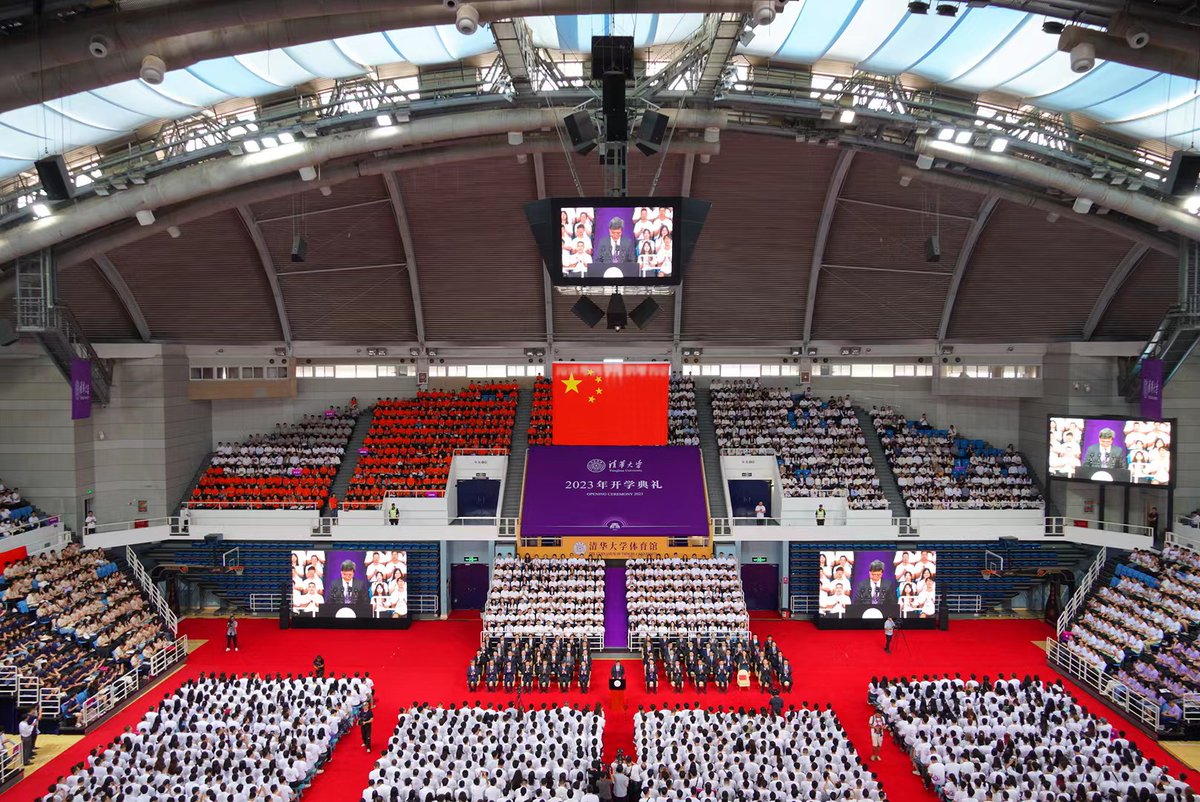
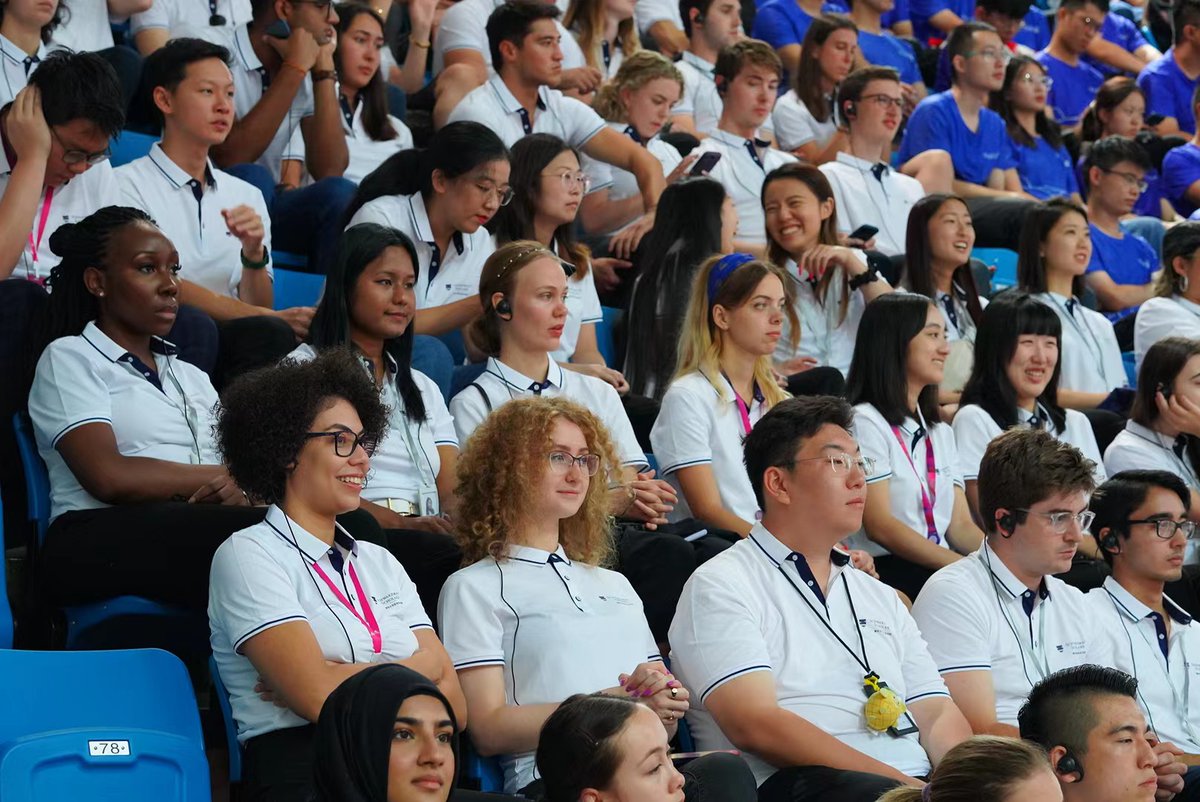
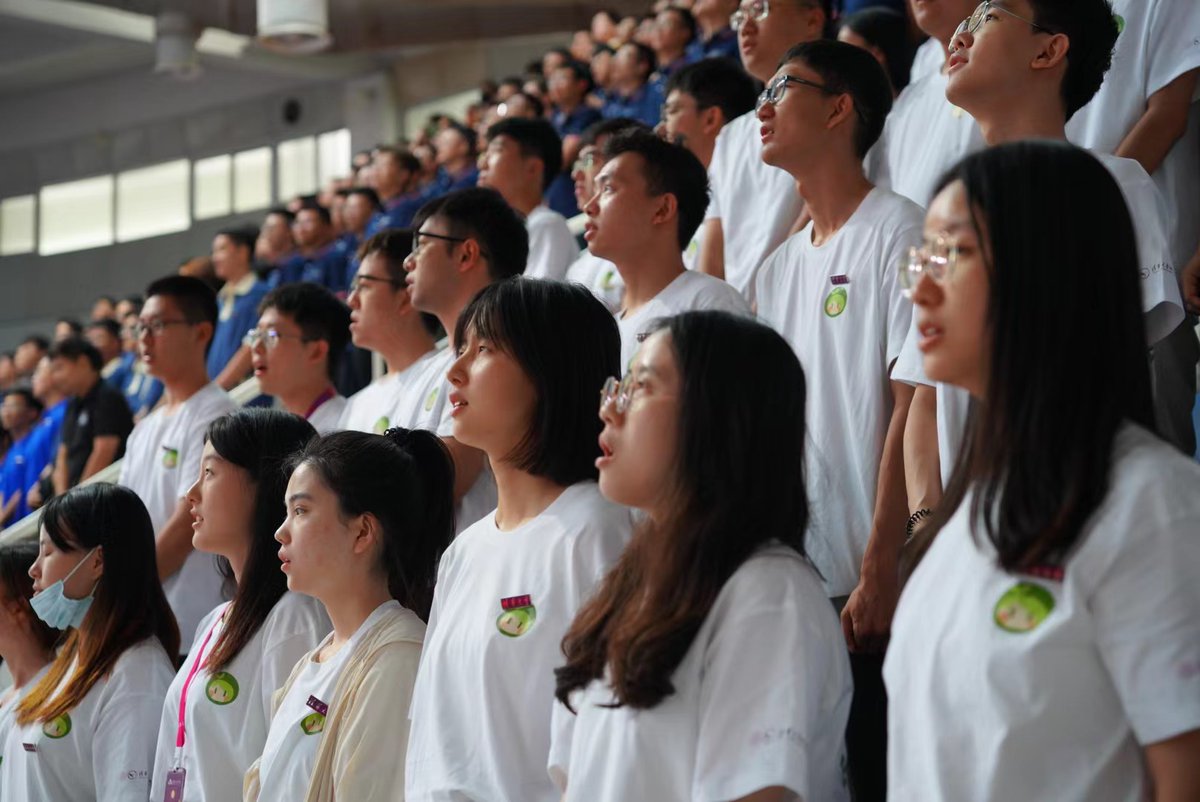
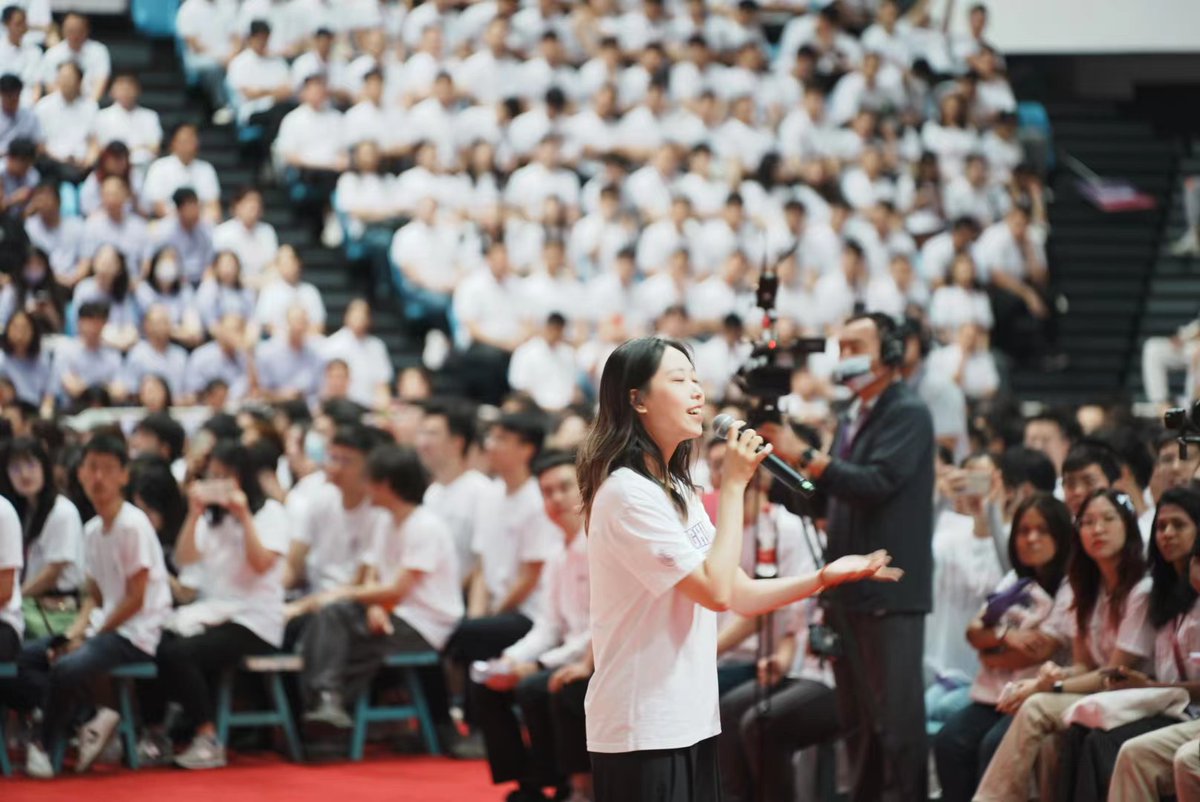
Singing the school anthem, over 3800 #NewTsinghuaRen from the main campus and @TsinghuaSIGS attended the Opening Ceremony 2023 for graduates this morning. As they begin their new adventure in Tsinghua, let's greet them with a resounding #WelcomeToTsinghua!
Singing the school anthem, over 3800 #NewTsinghuaRen from the main campus and @TsinghuaSIGS attended the Opening Ceremony 2023 for graduates this morning. As they begin their new adventure in Tsinghua, let's greet them with a resounding #WelcomeToTsinghua!