The Cullen and Charles Labs (Biomedical Engineering, JHU) are recruiting a postdoctoral fellow to join a multi-PI collaborative project developing a cerebellar neuroprosthesis to restore gait, tremor, and balance in cerebellar disorders. For details, see: https://t.co/2Wz0bJsDw2
Both vestibular and proprioceptive input are crucial for generating an estimate of body motion and orientation. In her new paper, postdoc @MildrenRobyn reveals how these inputs are combined to enhance self-motion encoding in the posterior cerebellum. https://t.co/t5fMlfVkLL
Current vestibular prostheses improve reflexes and balance, but fall short of complete restoration. Our new review, led by grad students Pum and Olivia (@omeleavitt), discusses these advances and advocates for future neuroscience-informed development. https://t.co/GafA1TMtHd
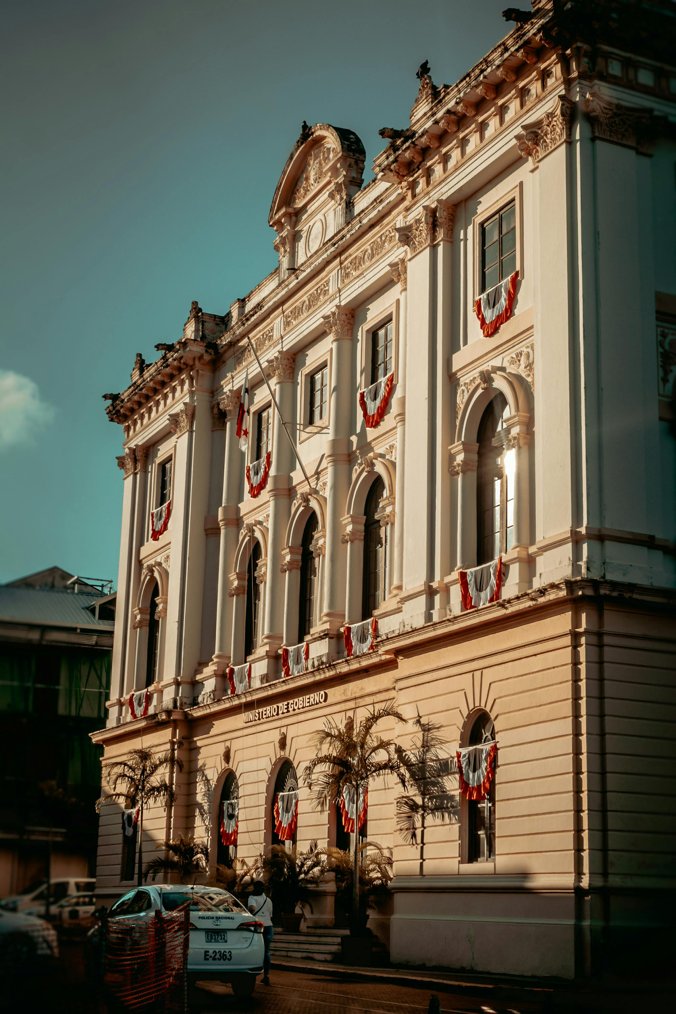
The deadline to submit oral presentations for Neural Control of Movement is fast approaching! Submit by Dec. 2nd and join us in Panama this spring 😎 https://t.co/h4o6aJtaZY
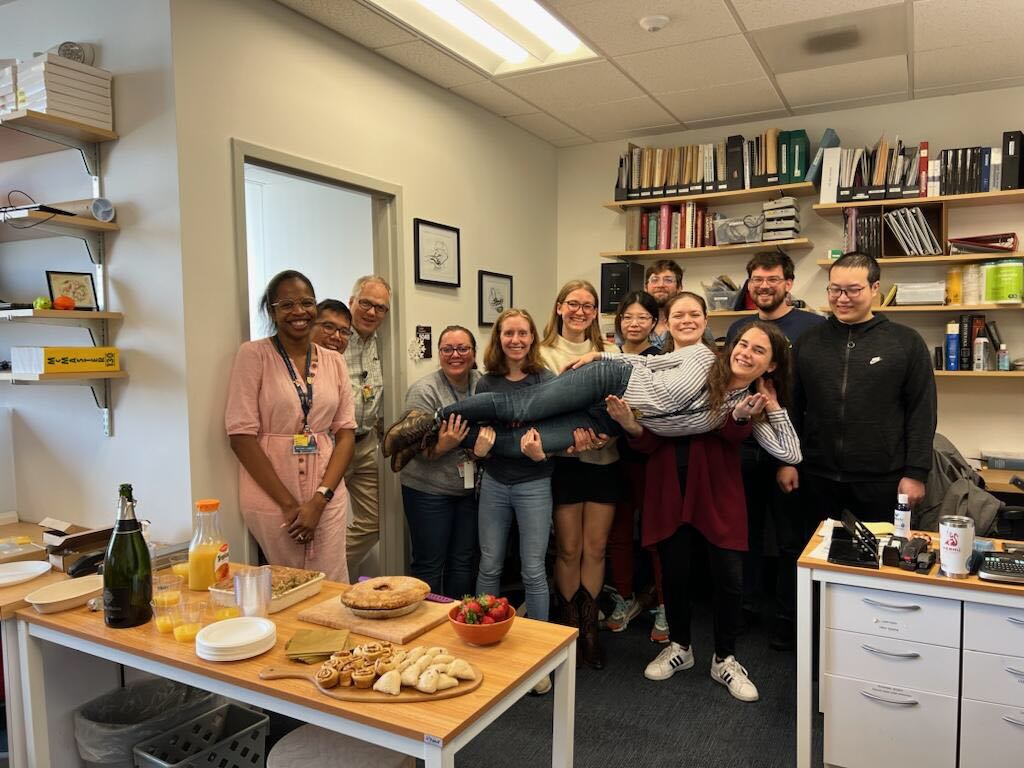
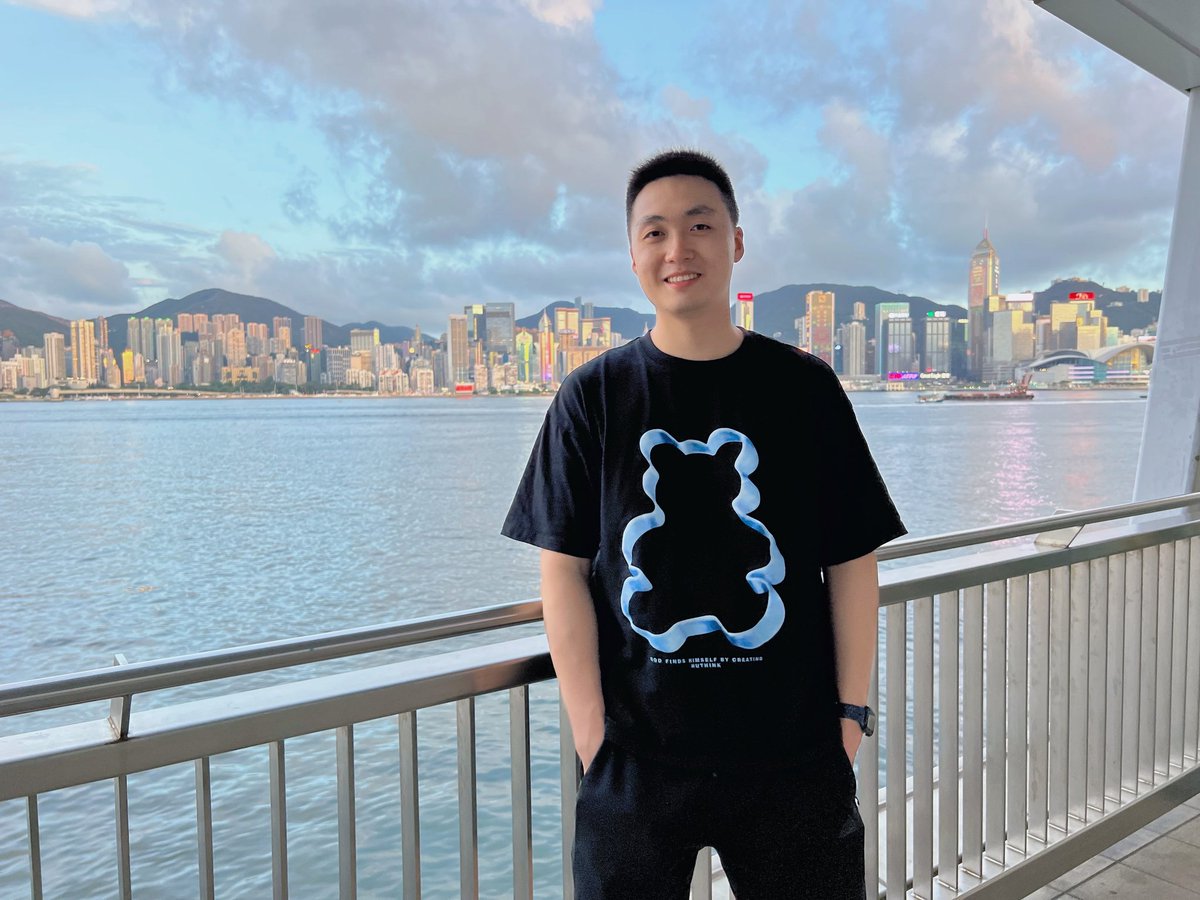
We are excited to welcome our new postdoc, Dr. Mingyu Hu! Mingyu earned his PhD in Biomedical Engineering at The Hong Kong Polytechnic University. He is interested in brain-machine interfaces, and how the brain processes self-motion to improve motor control.
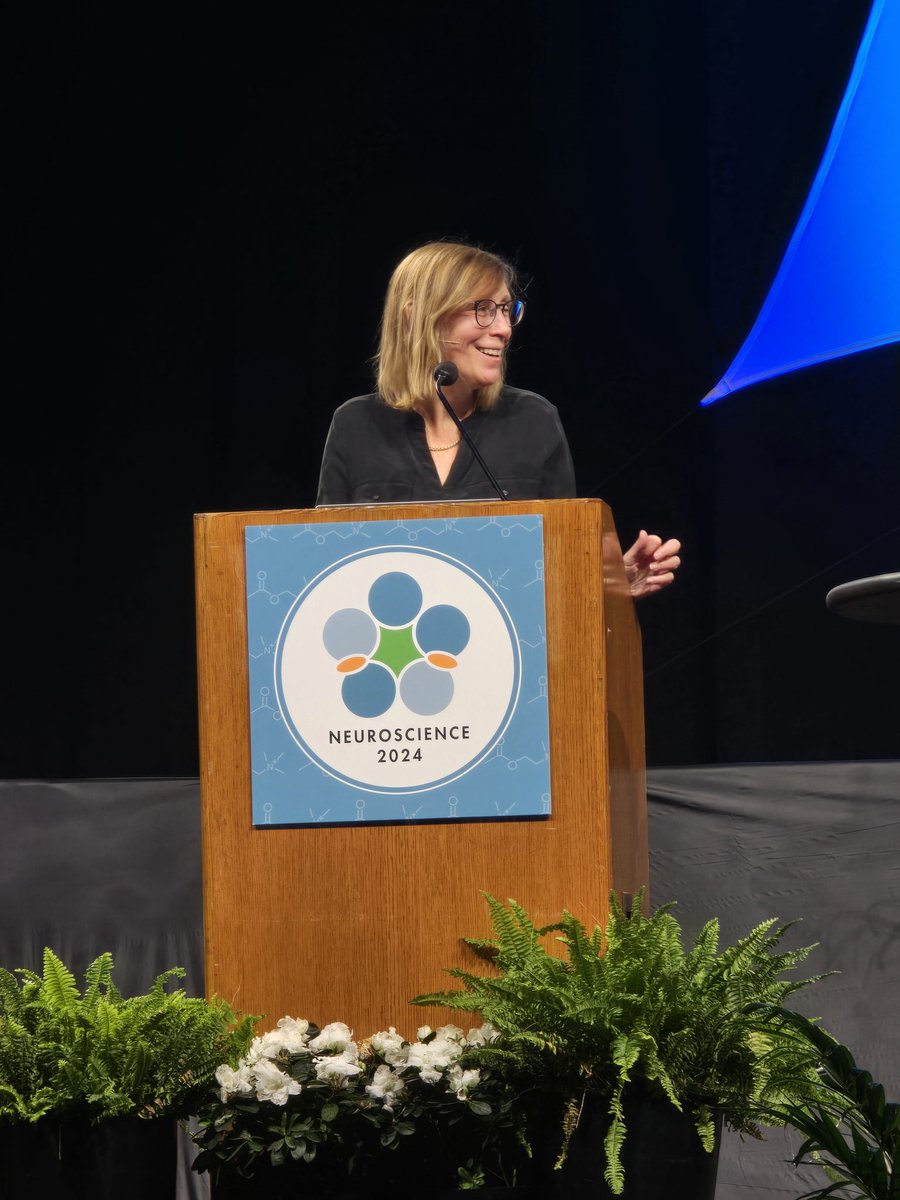
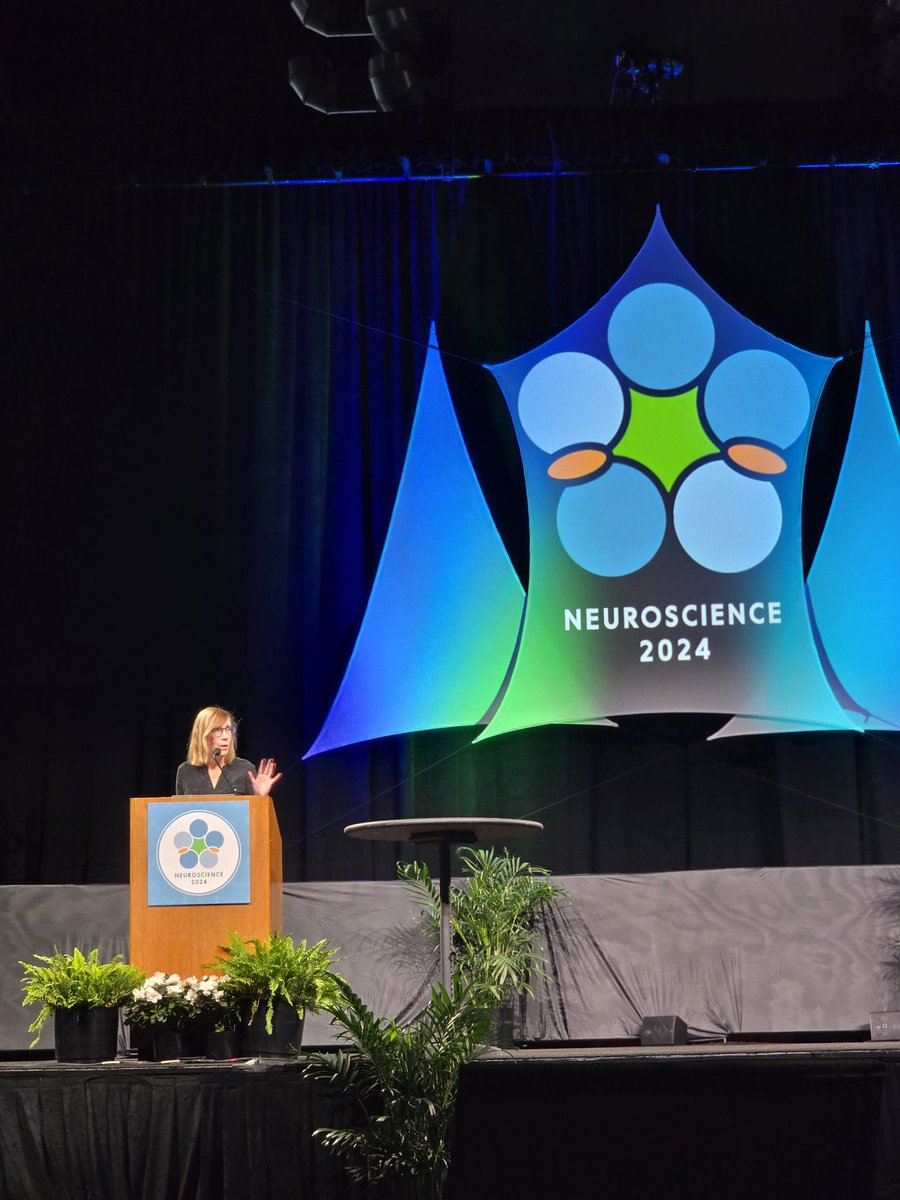
Dr. Kathleen Cullen had the privilege of giving a special lecture at this year's Society for Neuroscience on the predictive coding of voluntary self motion. In case you missed it, Dr. Cullen's lecture will be available on the SfN 2024 virtual page through 11/10 (see 🧵 for link)
Circling is observed in many mouse vestibular disorder models but is often left unquantified. Our paper, led by Oliver Stanley @oliwhail, introduces a tool leveraging @DeepLabCut to automatically identify circling and facilitate behavioral quantification. https://t.co/sFTsZER75C
Congratulations to Ruihan Wei @Ran16641172 for being awarded a @Kavli NDI Distinguished Postdoctoral Fellowship! Her work on context-dependent neural activity during locomotion helps us understand how the brain accomodates different environments as we move through the world.
We are seeking a postdoctoral research fellow interested in studying the mechanisms underlying predictive coding of self-motion in the cerebellum and cortex! This project will involve neurophysiological and behavioral analyses, and computational approaches https://t.co/2Wz0bJtblA
How does the cerebellum distinguish between sensory feedback arising from our own motor actions versus unexpected external perturbations? In our recent paper, we unravel the intricate details of the processes that unfold in the anterior cerebellar vermis https://t.co/9imTtBQkAu
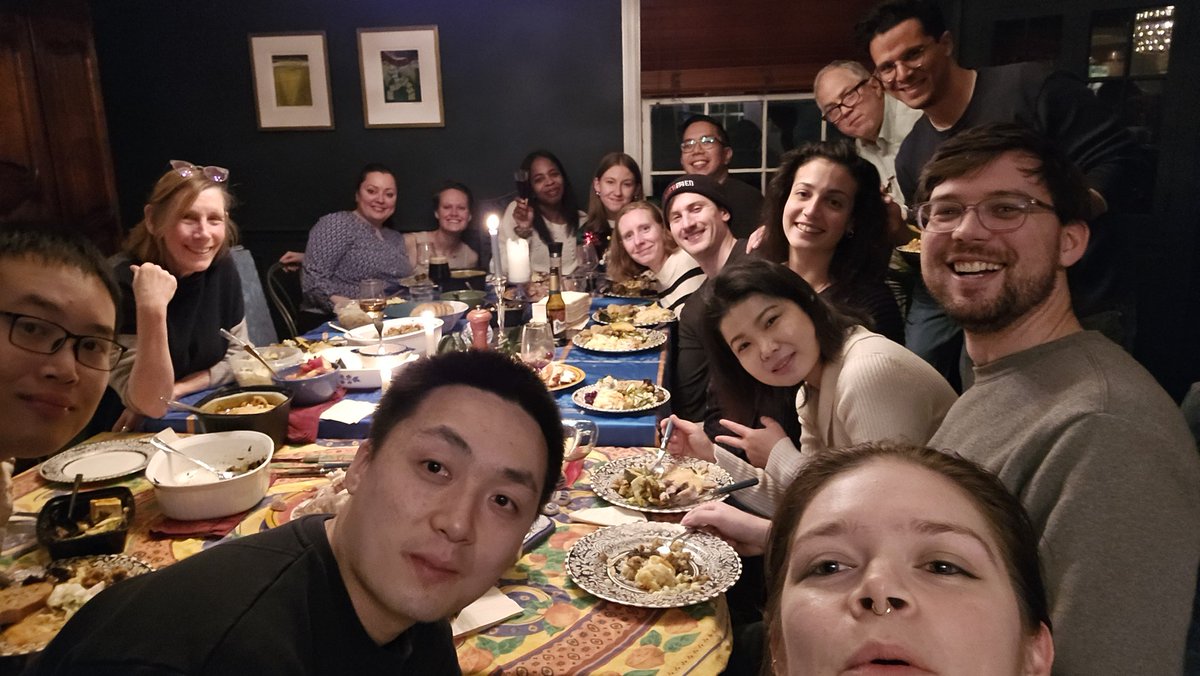
We hope you've been enjoying the first day of #NCMDub24 sessions as much as we have! Come check out our lab members' work over the course of the week!
Tomorrow - @omeleavitt at poster 2-F-82
Friday - @MildrenRobyn at poster 4-F-74 and a talk by @OliWhail