The man of God, @RobertKayanja has placed a curse on @FrankGashumba for four generations. My concern here is: Does the church still believe in treating people with grace or its something that our pastor just tell the congregation? Secondly, why the rage? Did Gashumba call out God our father?
This video man. Every time it pops up on my timeline I watch it over and over again
But how did Solomon Sserwanjja manage to maintain a straight face? 😂
@jimntale@ToraBert Hey @jimntale I usually just come to X to read news and not engage...but I'm just curious....how is the young man now....and when did this miracle happen? I just want to verify if these miracles remain a miracle long after the cameras are gone.
I’ve watched this video several times, and what disturbs me most isn’t the moment the gate closes. It’s everything that happened before it. For five days, these animals returned to the same place, ate the same food, and walked away unharmed. Each visit made the next one easier. Nothing about the environment appeared to change, yet something important was happening. Their behavior was becoming predictable. What looked like an ordinary feeding routine was gradually becoming the foundation of a trap they had no reason to anticipate.
What makes the situation particularly unsettling is the patience of the person behind it. He didn’t need to chase the animals or force them into the enclosure. He simply created the conditions under which they would enter willingly. The food was real, the rewards were immediate, and the consequences remained hidden. While the animals were responding to what was directly in front of them, someone else was thinking several steps ahead. The difference wasn’t physical strength or intelligence alone. It was the advantage of understanding the entire arrangement while the other side understood only its immediate benefits.
And this is where the video becomes a disturbing reflection of human behavior. Not every dangerous arrangement announces itself through cruelty or deception. Some begin with opportunity, generosity, and an extraordinary degree of convenience. People become attached to what consistently rewards them, often without examining the conditions that make those rewards possible. They confuse being accommodated with being valued, being needed with being indispensable, and having access with having control. The danger isn’t necessarily that someone is lying to them. It’s that they may be making permanent decisions based on circumstances someone else can change overnight.
But there’s an even more uncomfortable realization here. The animals didn’t lose their freedom because they wanted food. They lost it because the environment was designed to turn an ordinary need into an opportunity for capture. And that distinction matters. Having needs doesn’t make someone foolish, and accepting help doesn’t make someone weak. The real danger begins when another person understands your dependencies better than you understand their intentions. At that point, they may not need to control your decisions directly. They only need to control the circumstances under which those decisions are made.
What stays with me is what happened after the gate closed. The food remained exactly where it had always been, but the animals’ attention shifted toward the boundaries of the enclosure. I can’t know what they understood, yet the contrast is striking. Nothing about the reward had changed. What changed was their ability to leave. And perhaps that’s something people rarely consider while life is going well. We spend so much time evaluating what an arrangement gives us that we forget to ask what it would cost to walk away from it. Sometimes the true price of a benefit becomes visible only when you try to refuse it.
The lesson I take from this isn’t that generosity should be feared or that trust should be abandoned. It’s that independence requires more than favorable circumstances. It requires understanding who holds the power to change them. Five days were enough to establish a routine, but one moment exposed the limits of that routine. The food was still there. The benefits hadn’t disappeared. Only the freedom to leave had been taken away. And perhaps the most important question isn’t whether you’re comfortable with what someone offers you, but whether your life would still belong to you if they stopped offering it.
President Yoweri Museveni says the Ugandan shilling’s depreciation is not a major concern in the long run as he explains the factors behind its loss in value.
#NTVNews#IndependenceDayUG
Avoid these foods if you value your health.
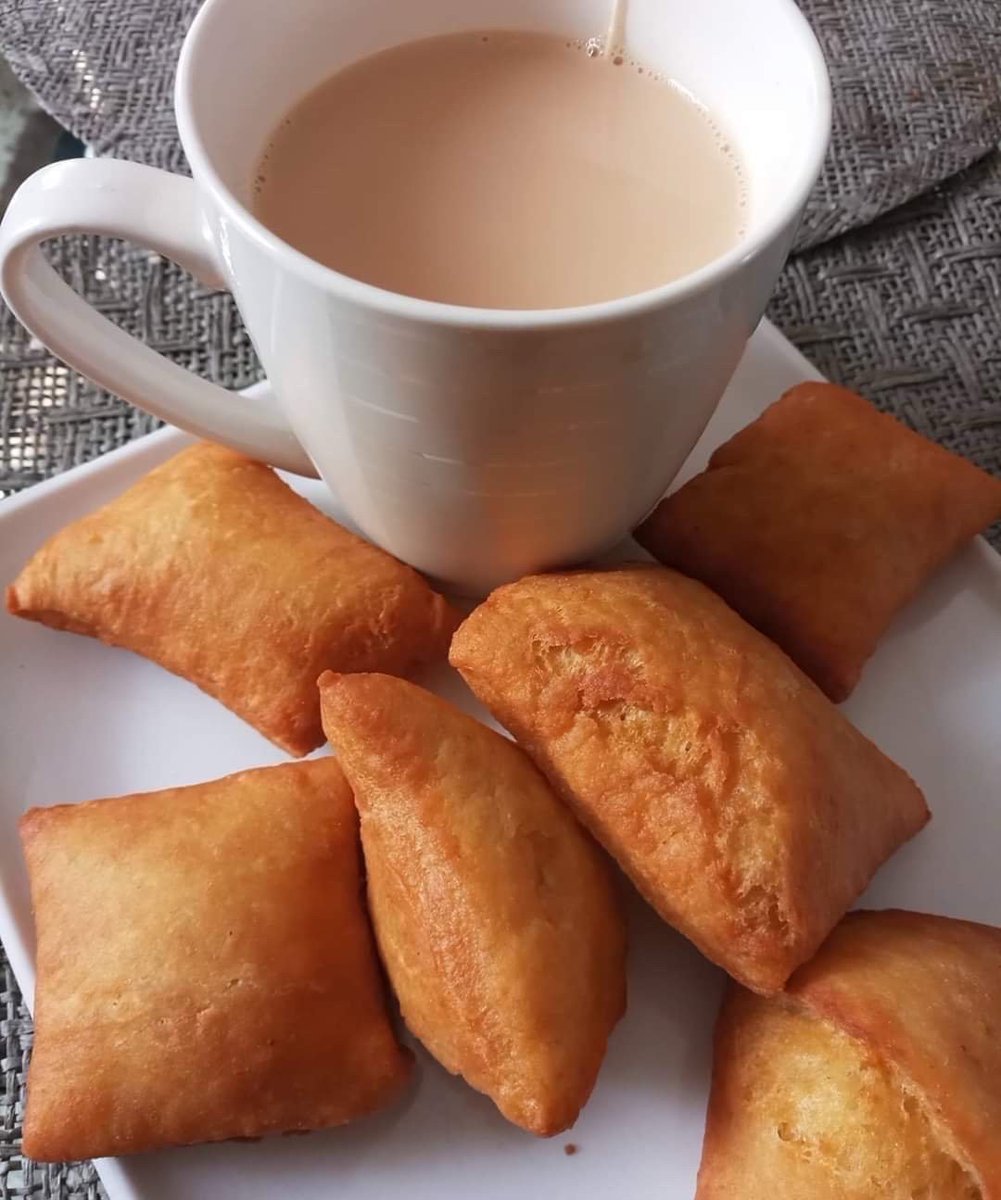
1. Mandazi
2. Table Sugar
3. Soda
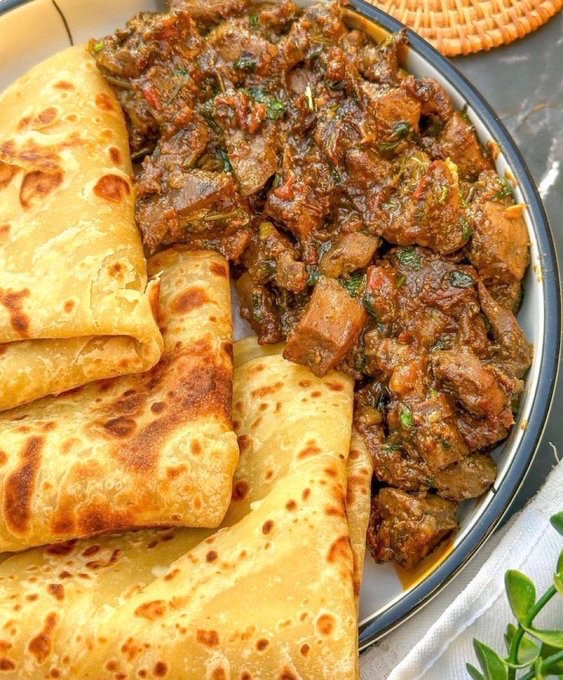
4. Chapati made from refined wheat
5. Biscuits and crisps
6. Fried chips
7. Sausages & bacon
8. White bread
9. Margarine
10. Sunflower, corn, palm oils
11. Deep fried pork and chicken
12. Beer
Watching Pedri play is like watching Andres Iniesta play. Their profiles are very identical.
Wait for what he did at 59 seconds into this video against Madrid player. Total violation 😭