I'm usually about in the town taking pics, seeking news of whats happening - ears on the ground. Currently using Nikon d3500 - Olympus e420 and DJI Mini 2
Humberfest set to rock North Lincolnshire this summer with #Britpop acts Cast, Dodgy, Space, Healer, Chris Helme, The Loose Cut and more https://t.co/DkxZPT8DSd
Plans for huge new Data Centre Campus north of Scunthorpe bringing hundreds of jobs. This would be a third data centre in North Lincolnshire https://t.co/NDpJmsrRWi
Scunthorpe is a town of about 80,000 people in North Lincolnshire that was made what it is today by, and because of, steel.
The steelworks has been there for over a century. The town grew around it. The pubs, the shops, the schools, the football club, all of it is downstream of the blast furnaces that gave the place its shape, its purpose and, across generations, its pay.
In March last year, Jingye, the Chinese company that bought British Steel in 2020 for a nominal sum and a set of promises, announced it intended to shut the blast furnaces. The company was losing £700,000 a day. Parliament was recalled during the Easter recess and passed emergency legislation in six and a half hours to prevent the closure, because the alternative was 2,700 direct job losses and an estimated 10,000 in the wider supply chain, in a town that has no second act waiting in the wings.
Since April 2025, the government has spent £377 million keeping the furnaces lit. £1.3 million a day. No fixed budget, no repayment timetable, no definite end date. The NAO estimates the bill could reach £615 million by June and exceed £1.5 billion by 2028.
Production has consistently fallen short of targets. Years of underinvestment under Jingye have left the plant with health and safety problems and maintenance backlogs that the government's money is not fixing so much as temporarily disguising.
Scunthorpe is the last place in Britain where you can make virgin steel from iron ore in a blast furnace. Port Talbot's furnaces closed last September; that was 2,800 jobs gone, and a 100-year tradition of steelmaking ended in a day. The town was handed a promise of an electric arc furnace that won't open until 2027 and will employ a fraction of the workforce the blast furnaces did.
If Scunthorpe goes the same way, Britain will not make primary steel at all. The country that started the Industrial Revolution will import every tonne of structural steel it uses from abroad. We will be in critical geostrategic compromise relative to a key material. And our workers will be out of pocket with nowhere to turn.
The passing of industry does terrible things to counties, towns, communities, families, men and women. There are hundreds of places - in Wales, the Midlands, all across the North, in Scotland - that could tell you that.
There is a particular cruelty in the way this has been managed. Jingye bought the works cheaply, ran it into the ground, and walked away when the losses mounted. The government stepped in with emergency taxpayer cash not to rebuild the industry but to prevent the political embarrassment of a major closure. There is no transition plan for Scunthorpe in the UK Steel Strategy published last month. Port Talbot got a funded programme.
Scunthorpe got the word "intervention," which in Whitehall means: we are spending money we haven't budgeted in order to avoid making a decision we haven't prepared for.
The people of Scunthorpe did not cause this. They went to work. They made steel. They did it well enough that Network Rail depends on them for every rail on every track in the country. What they got in return was a Chinese owner that treated the plant as a balance-sheet entry, a government that treats the town as a line item, and a political class that will spend a billion and a half pounds of public money to keep furnaces running rather than do the harder, more serious work of building an industrial strategy that means Scunthorpe — and towns like it — actually have a future.
We need a political solution in this country that is going to build that future. That will seed and grow Prosperity Zones in the Midlands and the North, hyper-incentivised for advanced manufacturing, anchored to real industries with real outputs.
Not managed decline dressed up as transition, Reindustrialisation. Reindustrialisation for steel, for semiconductors, for defence tech, for nuclear.
Britain must be a country that can make things, not one that relies on the goodwill of countries that can. As Scunthorpe has learned, goodwill doesn't amount to much if it's all that's on your dinner table.
More bins piled up awaiting collect by @NorthLincsCNews we aksed the council for an update when they would be collected - they have yet to reply - read our article via https://t.co/BrYl9QyR2F
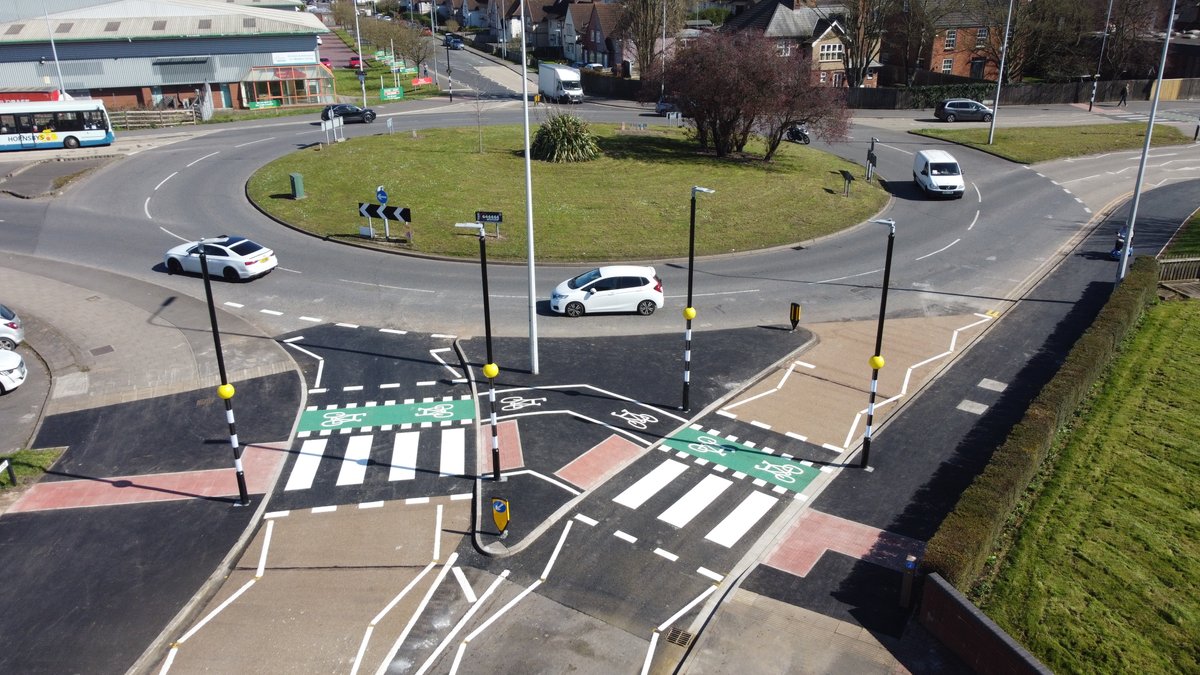
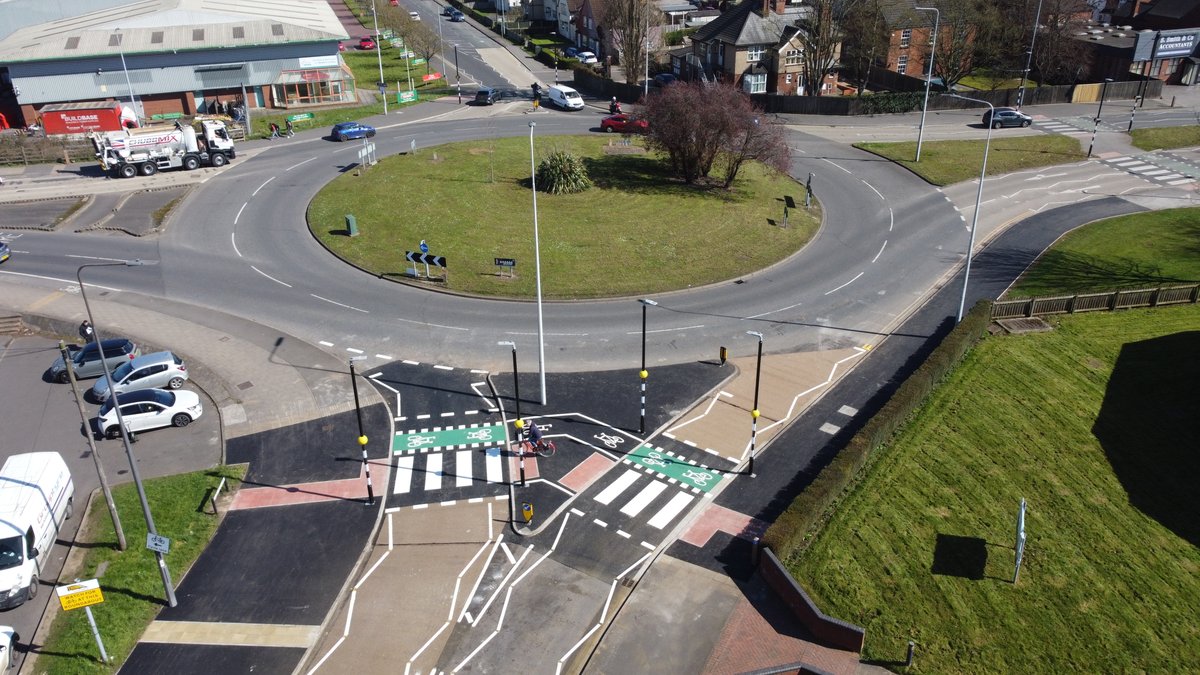
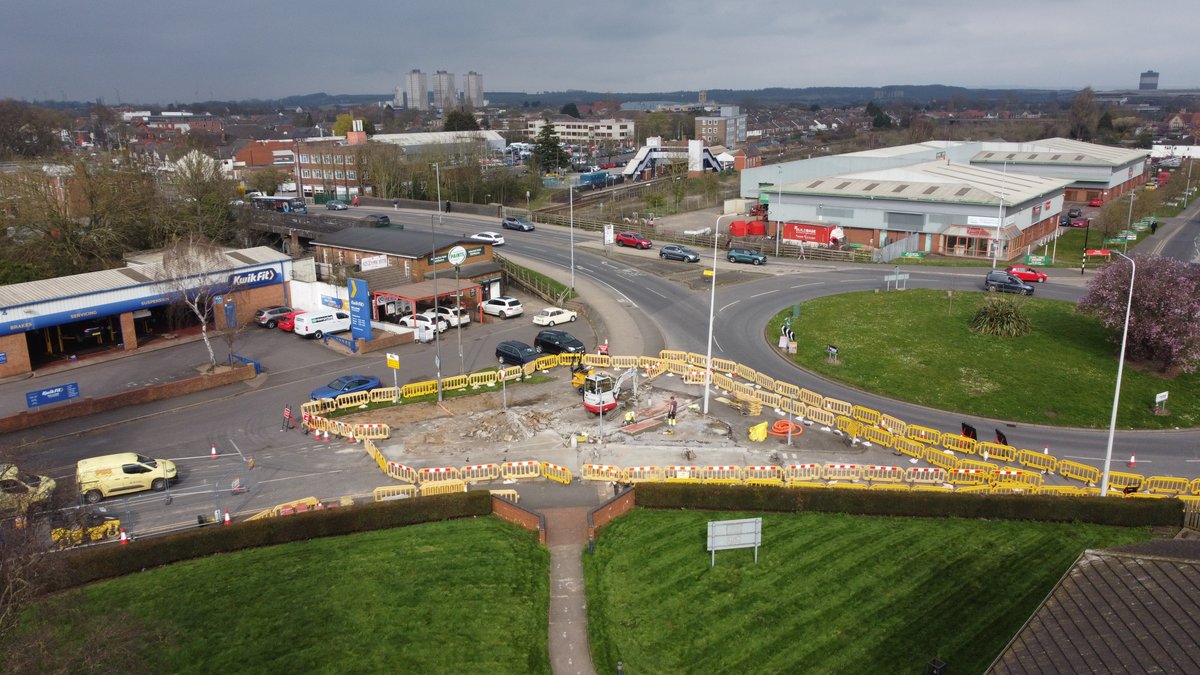
Work to improve the crossing point on Brumby Wood Lane in Scunthorpe with the junction of Rowland Road roundabout, Ashby Road and Howdens Hill - 20th March 2026.