📢From 1 April, we’ll no longer be posting on X.
To keep up with the latest insights aiding librarians, research managers, and R&D professionals, follow us on LinkedIn and Facebook:
LinkedIn: https://t.co/TA7OQHTslV
Facebook: https://t.co/9fjpkEbbJX
At the UKSG Annual Conference and Exhibition, join Plenary 5: "What’s keeping librarians and CISOs up at night?" to discuss rising cyber threats in higher education, featuring the British Library's efforts in academic cybersecurity 👉 https://t.co/s2MEVXrrab
Join us at the UKSG Annual Conference 2026 in Glasgow, exploring OA, publishing futures, and digital infrastructure. Don’t miss our poster session on gender gaps in peer review with insights from 215K submissions and 42K reviewer datasets 👉 https://t.co/HZQTcBvR6T
Sign up for the Link alerts to access essential information for all research facilitators: librarians, research managers, and R&D professionals. Learn more 👉 https://t.co/kxFz0C56fw
Materials science, AI, and engineering drive sensing innovation. Nature Sensors connects these elements, helping research teams and R&D leaders track developments and build cohesive strategies. Learn more 👉 https://t.co/4eny3V5JaT
AI is transforming how researchers work rather than replacing them. KRAF 2025 outlines how institutions can enhance trust and research outcomes through clear policies, practical training, and responsible use. Learn more 👉 https://t.co/3cpyCYS3tn
In 2025, more than 1.5 million papers received support from nearly 60 AI tools designed for screening, editorial assessment, retention, and research integrity — this figure is expected to rise by 25% in 2026. Read our press release to learn more 👉 https://t.co/qlzWuTJoLo
From AI-generated content to open peer review, research faces new integrity challenges. A recent discussion in France pointed to practical fixes better training, more transparency, and stronger coordination across publishers, institutions and libraries 👉 https://t.co/ab1UxVAkt6
Migration research is evolving rapidly. The IMISCOE–Springer Nature partnership helps meet this pace with open access books, global perspectives and timely publishing. Discover how this collaboration drives timely, impactful scholarship 👉 https://t.co/9h0qKk0rpH
From organizing meet-and-greets at the press office to leading social media workshops, librarians empower researchers with the tools they need to boost their impact and reach broader audiences. Learn more 👉 https://t.co/yDYRV6Xlfo
Librarians are transforming libraries into dynamic research hubs. From coding classes to literature searches, they offer vital support for scientists navigating information overload and ensuring data accessibility. Learn more 👉 https://t.co/46eyrOwUFs
Libraries can showcase open access value through data dashboards, repository visibility, and consortium agreements. Here are four insights from librarians at the Charleston Conference on achieving measurable results in OA 👉 https://t.co/DxatNoGqsD
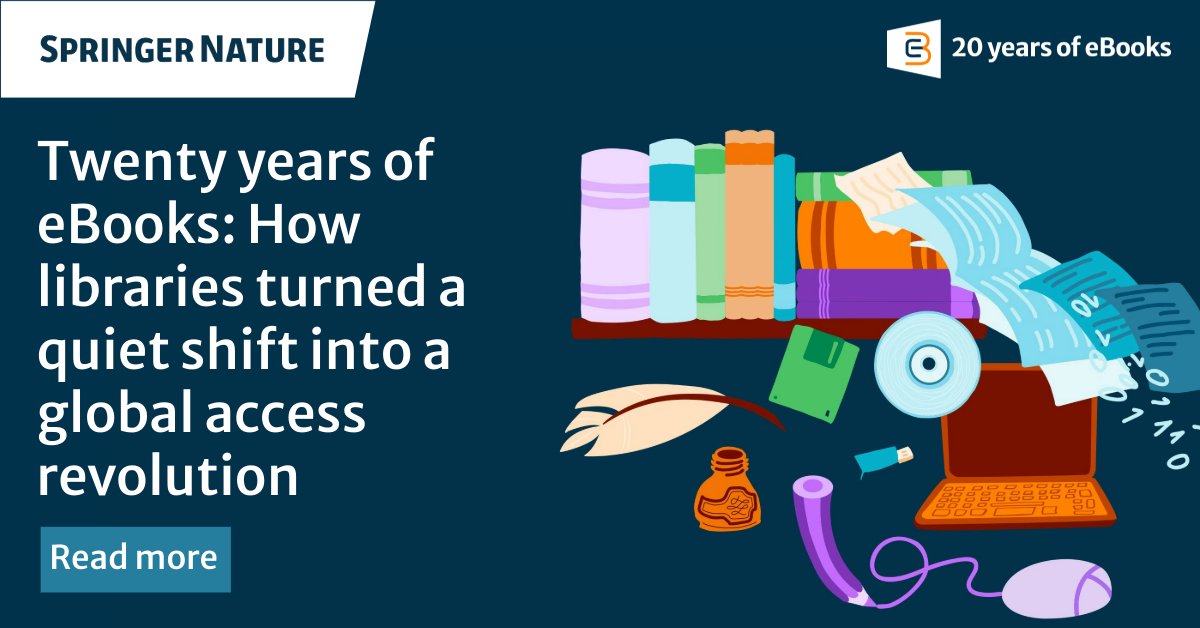
The move from shelves to screens didn’t happen overnight. Libraries built digital book collections step by step, improving access, metadata and usability along the way. Two decades later, eBooks support learning everywhere. Learn more 👉 https://t.co/91gCoYVHRx
On International Open Data Day, the 2025 State of Open Data report reflects on a decade of change. Researchers support openness, but face challenges with time, recognition, and support. Could technology and improved infrastructure advance data sharing? 👉 https://t.co/dCRYjq9BNr
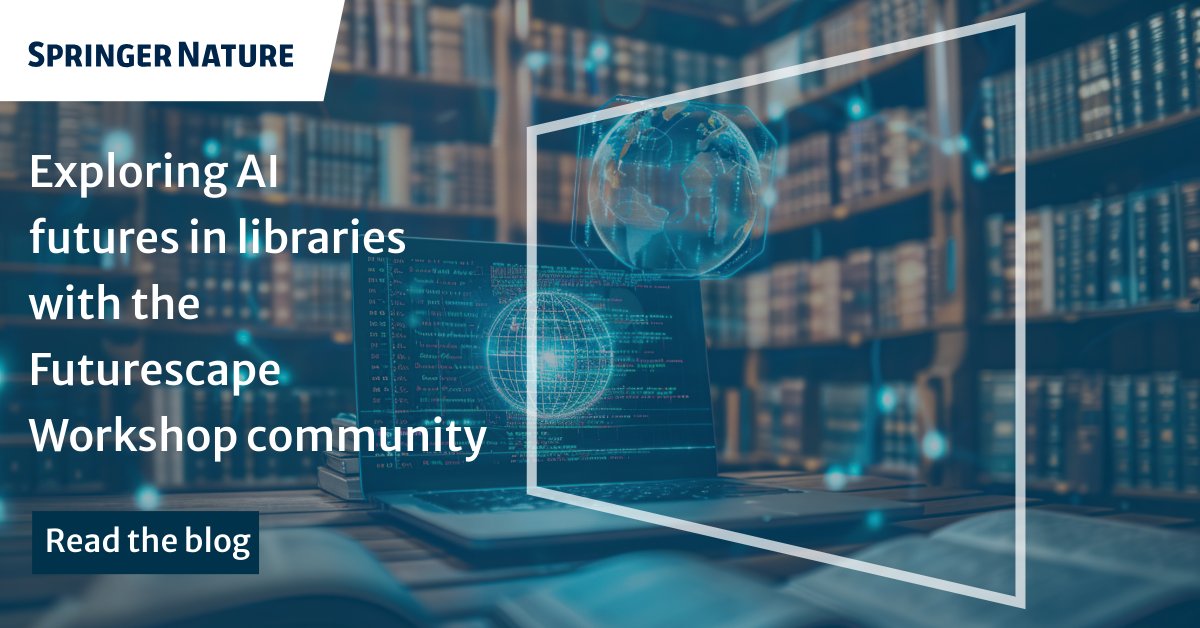
At the Futurescape Libraries AI Workshop, librarians explored real AI futures beyond headlines. Read our blog and learn how AI might reshape discovery, access and trust in scholarly information 👉 https://t.co/1xi2oOGkSX
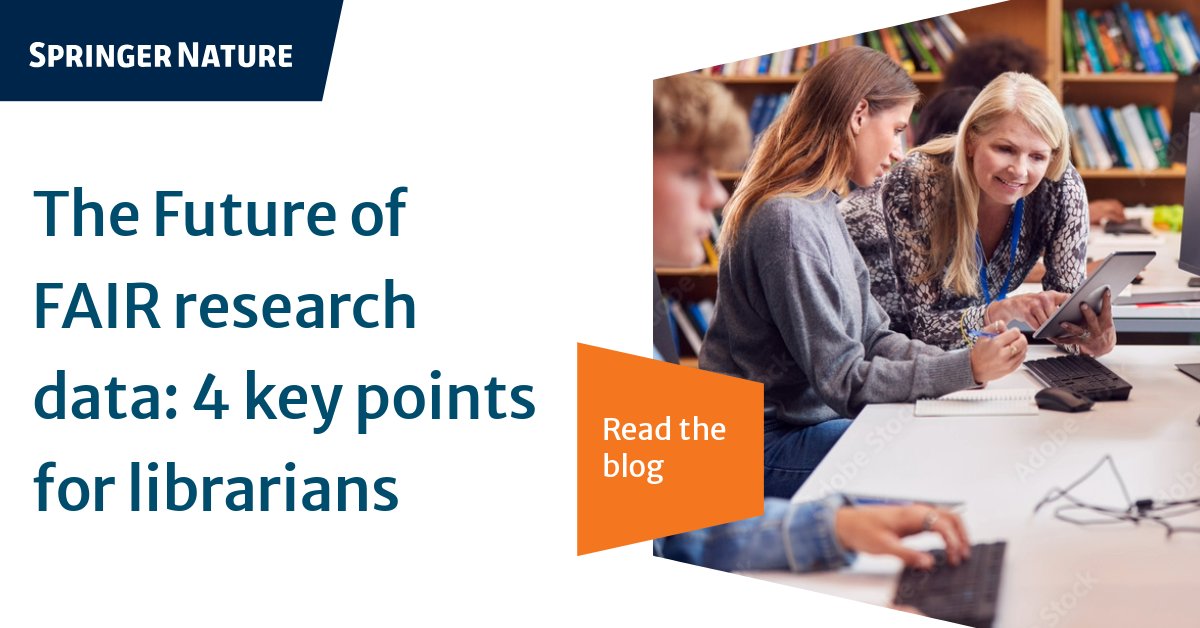
Preparing for IDCC26’s FAIR workshops? Check out 'The Future of FAIR Research Data: 4 Key Points for Librarians' for insights on evolving FAIR practices and how librarians can enhance data stewardship 👉 https://t.co/5pGQ0alN4K
Twenty years after the shelf went digital, what has changed for libraries? Harmen van Paradijs, looks back on twenty years of eBooks considering what has changed and, why it worked and how libraries themselves made it possible. Learn more 👉 https://t.co/ZbwJOGe2p8
Explore why conference proceedings are increasingly important in disciplines such as computer science, and how they continue to play a critical role in supporting researchers and advancing the field 👉https://t.co/yhTw9suVrc
Our March LinkNewsletter highlights how research systems are adapting to new pressures, from digital lab innovation and global trial developments to evolving open data behaviours. Explore insights helping organisations support research 👉 https://t.co/4fmpFThy6v
Librarians are transforming libraries into dynamic research hubs. From coding classes to literature searches, they offer vital support for scientists navigating information overload and ensuring data accessibility. Learn more 👉 https://t.co/aKuM4xErHM