🚨 NEW EPISODE OUT NOW! 🚨
WILL ROBOTS TAKE OUR JOBS?
Africa’s youthful population has long been seen as its biggest economic advantage. But with AI and robotics advancing rapidly, could millions of young Africans find themselves competing with machines?
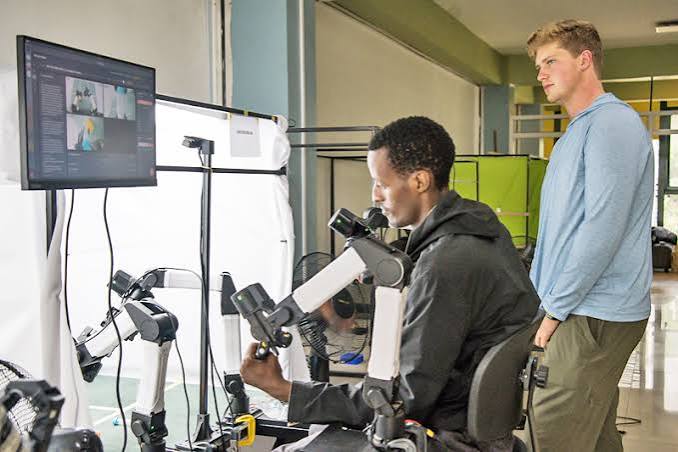
On this episode of The Long Form Podcast, we sit down with Charlie Humphreys (@CharlieFHump), who left Yale University at just 19 to establish Verlet Robotics (@VerletR70110), an AI robotics company based in Kigali.
We explore his decision to leave Yale, why he chose Rwanda, who’s backing his vision, and whether Africa can become a major player in the AI revolution or risk being left behind.
Will artificial intelligence create opportunities for Africa or threaten its economic future?
Listen:
Apple: https://t.co/Qn1mD8KU98
Spotify: https://t.co/hGLrPXHnga
🚨 NEW EPISODE MONDAY 🚨
WILL ROBOTS TAKE OUR JOBS?
For decades, we've been told that Africa's young and growing population is our greatest economic advantage. But what happens if AI-powered robots can do the jobs that millions of young Africans are counting on?
This Monday on The Long Form Podcast, I'm joined by Charlie Humphreys (@CharlieFHump), who dropped out of the prestigious Yale University at 19 to build Verlet Robotics (@VerletR70110), an AI robotics company right here in Kigali.
Why did he leave Yale? Why Rwanda? Who's financing his ambitions? And will Africa benefit from the artificial intelligence revolution, or simply provide the labour and data that make other people wealthy?
⏳ Episode Out Monday. 6AM on streaming. 6PM on YouTube
#TheLongFormPodcast #AI #Rwanda
In 1986, 15 in every 100 children did not reach their fifth birthday. Today, Rwanda tells a very different story. Thank you, @TheLongFormRw, for capturing 40 years of progress with @UNICEF. 💙 #UNICEFRwanda40@UNICEFAfrica
https://t.co/NvpB2r42vE
For every 100 children born in 1986, 15 did not survive to the age of five.” — Lieke van de Wiel, UNICEF Country Representative to Rwanda (@unicefrw )
Forty years later, Rwanda has made remarkable progress in child survival.
From improved vaccination coverage and access to clean water to better maternal healthcare and skilled birth attendance, major changes have helped save countless young lives.
But what made this transformation possible, and what more needs to be done to protect Rwanda’s children?
📺Watch the full episode on YouTube https://t.co/Rz73sMkonT
“Nutrition is not the same as calories.” — Lieke van de Wiel, UNICEF Country Representative to Rwanda (@unicefrw )
For years, the image of malnutrition in Africa has been a starving child. But today, a new challenge is emerging: childhood obesity and poor nutrition.
Having enough food isn’t the same as eating healthy. Children need balanced diets rich in proteins, vitamins and minerals, not just calories.
How can Africa ensure its children are not just fed, but properly nourished?
📺Watch the full episode on YouTube https://t.co/TOqmcrhSnF
🚨 NEW EPISODE NOW AVAILABLE ON PATREON! 🚨
IS RWANDA REALLY A BETTER PLACE TO BE A CHILD TODAY?
How much has childhood in Rwanda changed over the past 40 years, and what challenges still need our attention?
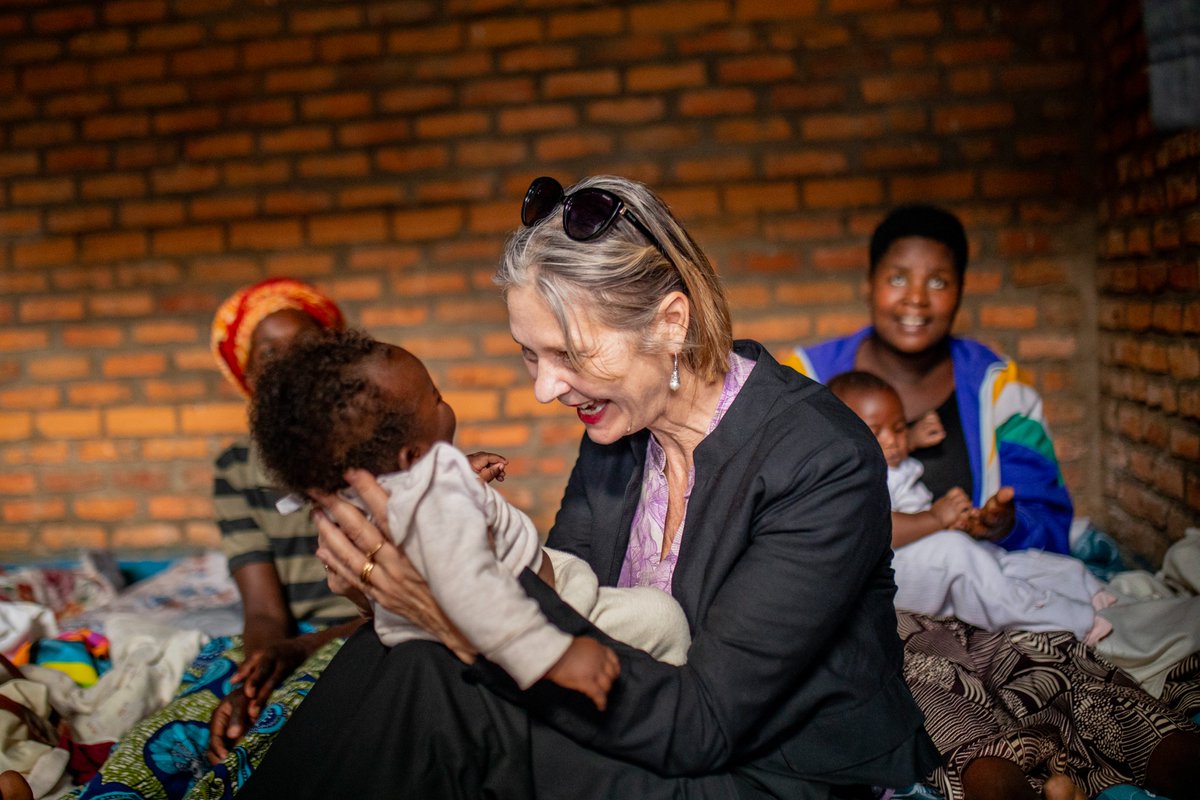
In this episode of The Long Form Podcast, Lieke van de Wiel, UNICEF’s Country Representative to Rwanda (@unicefrw), joins us to discuss the progress made in children’s health, education and protection.
We also explore the challenges of malnutrition, mental health, social media and what needs to be done to secure a better future for Rwanda’s children.
Watch this episode ad-free on Patreon. For just $4/month, you get early access to full episodes before they’re released anywhere else — no interruptions, no waiting, just deeper conversations first.
📺 Watch ad-free on Patreon https://t.co/iWe7HZoUOu
🚨 NEW EPISODE OUT NOW! 🚨
IS RWANDA REALLY A BETTER PLACE TO BE A CHILD TODAY?
Four decades after UNICEF began working in Rwanda, how much has life improved for the country’s youngest generation?
On this episode of The Long Form Podcast, we sit down with Lieke van de Wiel, UNICEF’s Country Representative to Rwanda (@unicefrw), for an important conversation about the progress Rwanda has made and the challenges that still lie ahead.
From child health and education to persistent malnutrition, mental health concerns and the growing influence of social media, we explore what it truly means to grow up in Rwanda today.
Are we doing enough to give every child a better future?
📺 Watch the full episode now on YouTube https://t.co/24GoF7MOzL
🚨 NEW EPISODE OUT NOW! 🚨
IS RWANDA REALLY A BETTER PLACE TO BE A CHILD TODAY?
Rwanda has come a long way in the last four decades. But are its youngest citizens truly benefiting from that progress?
Lieke van de Wiel, UNICEF’s Country Representative to Rwanda (@unicefrw), joins The Long Form Podcast for an important conversation about the realities of childhood in Rwanda.
We explore the progress made in healthcare, education and child protection, while confronting difficult questions about malnutrition, mental health, the impact of social media and the challenges facing the next generation.
Are we doing enough to give every Rwandan child the future they deserve?
Listen:
Apple: https://t.co/GTe6hMjxhK
Spotify: https://t.co/6Rp9mX6wV1
🚨 NEW EPISODE MONDAY 🚨
IS RWANDA REALLY A BETTER PLACE TO BE A CHILD TODAY?
In 1986, UNICEF established its presence in Rwanda. Forty years on, Rwanda has changed enormously. But what has that transformation meant for its children?
This Monday on The Long Form Podcast, we are joined by Lieke van de Wiel, UNICEF's Country Representative to Rwanda (@unicefrw), to examine the true state of Rwandan childhood.
Are they healthier, better educated and safer than their parents were? Why does malnutrition remain a challenge? And are we prepared for the dangers posed by social media, mental health problems and an increasingly uncertain world?
⏳ Episode Out Monday. 6AM on streaming. 6PM on YouTube
“We must look beyond just the religious aspect and address the socioeconomic conditions that fuel conflict.” — Brigadier General Ronald Rwivanga, Director of the Eastern Africa Standby Force (@EASF4Peace )
Why do young people join extremist groups? Is it ideology, or the struggle to survive?
Brigadier General Ronald Rwivanga explains how poverty, unemployment, and poor living conditions can drive young people towards extremist groups like Al-Shabaab.
He argues that lasting peace requires governments to tackle the economic and social conditions that fuel conflict, rather than focusing on religious extremism alone.
📺Watch the full episode on YouTube https://t.co/vBxqVjSKB8
“When a country fails to recognize a group of people as bona fide citizens, expect conflict.” — Brigadier General Ronald Rwivanga, Director of the Eastern Africa Standby Force ( @EASF4Peace )
Could the denial of citizenship be one of the driving forces behind the M23 conflict in eastern DRC?
Brigadier General Rwivanga argues that excluding communities from national identity creates resentment, fuels instability, and can push marginalized groups toward armed resistance.
He explains why citizenship and belonging are central to lasting peace, not just in Congo, but across Africa.
📺Watch the full episode on YouTube https://t.co/ec6bnN04oG
“Within less than 30 days, we had dislodged Ansar al-Sunna from all their strongholds.” — Brigadier General Ronald Rwivanga, Director of the Eastern Africa Standby Force (@EASF4Peace )
How did Rwanda achieve in weeks what regional forces struggled to coordinate?
Brigadier General Ronald Rwivanga discusses Rwanda’s 2021 military intervention in Mozambique, the delays in regional decision-making, and why bilateral military cooperation can sometimes deliver faster results than multinational missions.
Could smaller military partnerships be the key to tackling Africa’s security challenges?
📺Watch the full episode on YouTube https://t.co/mtgwuFJUqQ
🚨NEW EPISODE OUT NOW ON YOUTUBE🚨
If East Africa has a military force ready to respond to crises within days, why are conflicts still raging across the region?
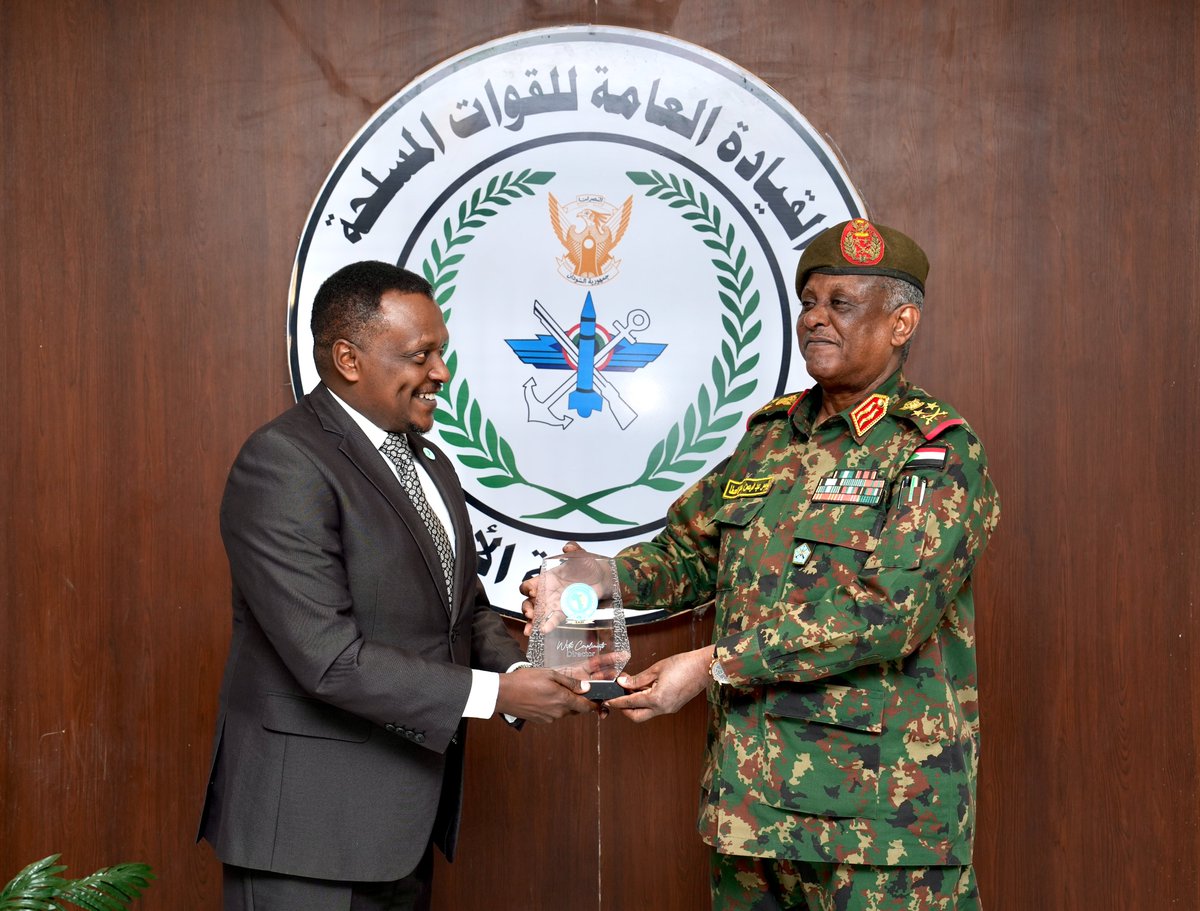
Brigadier General Ronald Rwivanga, Director of the Eastern Africa Standby Force (@EASF4Peace), joins The Long Form Podcast to discuss the wars in Sudan and eastern DRC, tensions between Ethiopia and Eritrea, and the challenges of military intervention when governments refuse permission.
We also tackle a difficult question: What happens when the government meant to protect its citizens becomes the very threat they face?
A fascinating conversation about African security, sovereignty, and the limits of regional cooperation.
📺 Watch the full episode now on YouTube https://t.co/Y7KkXAQbKt
NOW AVAILABLE ON PATREON!
“WE CAN DEPLOY IN DAYS!”
If East Africa has a standby force ready to respond to crises within days, why are conflicts still raging across the region?
Brigadier General Ronald Rwivanga, Director of the Eastern Africa Standby Force (@EASF4Peace), joins The Long Form Podcast to discuss the realities of regional security and military intervention.
From the wars in Sudan and eastern DRC to tensions between Ethiopia and Eritrea, we explore the political challenges of deploying regional forces, the limits of national sovereignty, and what happens when governments become a threat to their own citizens.
Can East Africa truly solve its own security challenges?
Watch this episode ad-free on Patreon. For just $4/month, you get early access to full episodes before they’re released anywhere else — no interruptions, no waiting, just deeper conversations first.
📺 Watch ad-free on Patreon https://t.co/ERNeNU4n2R
🚨 NEW EPISODE OUT NOW! 🚨
“WE CAN DEPLOY IN DAYS!”
If East Africa has a standby force ready to respond to crises within days, why are conflicts still raging across the region?
Brigadier General Ronald Rwivanga, Director of the Eastern Africa Standby Force (@EASF4Peace), joins The Long Form Podcast to discuss the challenges of maintaining peace and security in East Africa.
From the wars in Sudan and eastern DRC to tensions between Ethiopia and Eritrea, we explore why military intervention is often complicated by politics, sovereignty, and the need for government approval.
But what happens when the government responsible for protecting its citizens becomes the very threat they need protection from?
A fascinating conversation about African security, regional cooperation, and the limits of military intervention.
Listen:
Apple: https://t.co/GYphnpdAws
Spotify: https://t.co/O7Vck569nB
🚨 NEW EPISODE MONDAY 🚨
"WE CAN DEPLOY IN DAYS! "
But if East Africa has a standby force ready to respond to crises, why are conflicts still raging across the region?
This Monday on The Long Form Podcast, I'm joined by Brigadier General Ronald Rwivanga, Director of the Eastern Africa Standby Force (@EASF4Peace).
We discuss the wars in Sudan and eastern DRC, tensions involving Ethiopia and Eritrea, and the limits of military intervention when governments refuse permission.
We also tackle a difficult question: What happens when the government that's supposed to protect its citizens is the one threatening them?
This was a fascinating conversation about African security, sovereignty and the limits of regional cooperation.
⏳ Episode Out Monday. 6AM on streaming. 6PM on YouTube
#TheLongFormPodcast #EastAfrica #EASF
“Colonial history has been told, but the stories of women have remained hidden.” — Dr. Alice Karekezi, Researcher.
While colonial history often focuses on the exploitation of land and resources, Dr. Karekezi highlights the overlooked experiences of women under Belgian colonial rule.
From Rwanda and Burundi to the Belgian Congo, she questions why women’s suffering has received so little attention and why their stories have remained hidden for generations.
How much of colonial history remains untold because women’s voices were silenced?
📺Watch the full episode on YouTube https://t.co/8HTwpp24Cq
“Even decades after colonialism, we still ignore the suffering of these mothers.” — Dr. Alice Karekezi (@auukarekezi ) Researcher.
More than 60 years after Belgian colonial rule, Rwandan mothers whose children were forcibly taken away are still fighting for recognition of their suffering.
Dr. Alice Karekezi questions whether an apology can ever be enough when the colonial beliefs that once considered these women unworthy of raising their own children continue to persist.
Can there be true justice when the suffering of these mothers is still being overlooked?
📺Watch the full episode on YouTube https://t.co/5aOCaR0Ecd
“Eventually, she came to the realization that her boys would never come back.” — Dr. Alice Karekezi (@auukarekezi ) Researcher.
Imagine having your children taken away, adopted into new families, and given different surnames, not knowing if you would ever see them again.
Dr. Alice Karekezi shares the heartbreaking story of a Rwandan mother whose sons were taken to Belgium during colonial rule.
After years of separation and lost hope, her daughter Julie finally arranged a reunion, allowing the mother to see one of her sons again before she passed away.
A painful reminder of the families torn apart by Belgian colonial policies and the lasting scars left behind.
📺Watch the full episode on YouTube https://t.co/kFYBibiN8R
🚨 NEW EPISODE OUT NOW ON YOUTUBE 🚨
WHAT HAPPENS WHEN A MOTHER’S CHILD IS TAKEN AWAY, NEVER TO RETURN?
During Belgian colonial rule in Rwanda, countless families were torn apart as mixed-race children were separated from their African mothers and sent to Belgium.
For some mothers, the search for their children lasted a lifetime. Others died without ever seeing them again.
Dr. Alice Karekezi (@auukarekezi), a researcher who has extensively studied this painful history, joins The Long Form Podcast to shed light on a chapter of Rwanda’s colonial past that has received far too little attention.
Who was behind these separations? How was the Catholic Church involved? And what responsibility does Belgium bear today?
From racial discrimination and sexual violence to the lasting trauma of broken families, this conversation examines the human cost of colonialism and the fight for justice.
📺Watch the full episode on YouTube and major streaming platforms https://t.co/2k8JGv0N1P