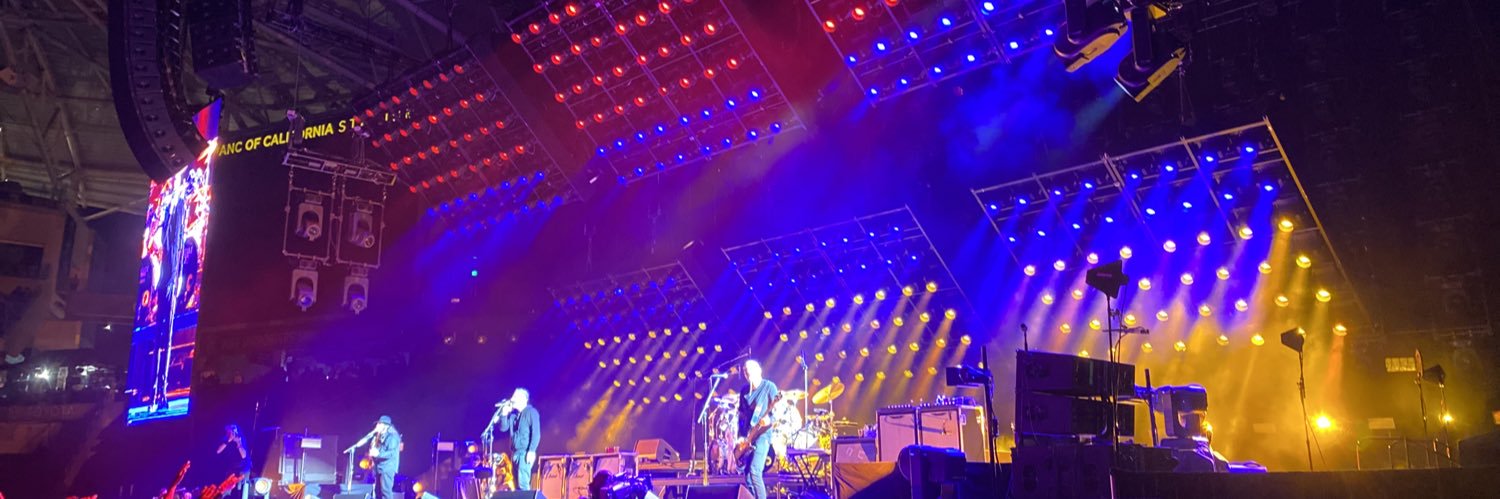
Kalshi x Jose Alvarado Finals Ticket Giveaway 🚨
WIN TICKETS TO GAMES 3 & 4 AT MSG!
To enter:
1. Like + Retweet this post
2. Follow @KalshiSports
Winners announced June 5th. Good Luck!
A decade’s worth of very wise grown-ups: “Movie theaters are obsolete and entirely out of sync with the entertainment habits of today’s kids.”
Today’s kids: “Go fuck yourselves!”
Before the pogroms (1988-1990), 500,000 Armenians lived in Azerbaijan. Do you think that out of half a million Armenians, only 5,000 books remained? And by the way, where are the owners of these remaining books? Where are the Armenians? For example, my family and I lived in Gandzak (Ganja now) before the pogroms.
Today marks the 111th anniversary of the Armenian Genocide. As we honor the 1.5 million Armenians murdered by the Ottoman Empire across modern-day Turkey, Syria, and Armenia, we must refuse to let history repeat itself.
In 2020, the military forces of Azerbaijan and Turkey attacked the Armenian population in Nagorno-Karabakh. In 2023, Azerbaijan expelled over 100,000 Armenians from Nagorno-Karabakh, continuing the genocidal campaign that had begun over 100 years prior.
On this day of remembrance, we reaffirm the right of the Armenian people — and all people — to freedom, safety, and self-determination.
BREAKING: The Holy Mother of God Cathedral in occupied Stepanakert has been destroyed by the Azerbaijani regime, according to the Artsakh Culture and Tourism Development Agency, on the eve of the 111th anniversary of the Armenian Genocide.
Constructed between 2000 and 2019, the cathedral was the city’s central church of the Armenian Apostolic tradition and a symbol of revived religious life after decades of Soviet suppression.
It followed an earlier church dating back to the late 19th century that was shut down during the Soviet period, restoring a presence that had been deliberately erased.
More than a place of worship, the cathedral stood as a visible expression of Armenian historical and cultural continuity in Artsakh. During the blockade, it also became a key gathering point, one of the few remaining spaces for communal and spiritual life under siege.
Artsakh’s cultural authority said the destruction is part of a broader, systematic effort to eliminate Armenian cultural presence, describing it as a deliberate act of erasure targeting identity, heritage, and continuity.
It also condemned the lack of response from Armenia’s authorities and the absence of meaningful international reaction, warning that silence only deepens a sense of impunity and further undermines the prospects for the return of displaced Armenians by severing their ties to their homeland.