Most-loved community-curated & run Monero ecosystem. Discover businesses, privacy tools, exchanges, swaps, and more. Discuss freely on our no-censorship forum.
The Monero ecosystem serves many different needs, and your next useful discovery may be in a category you rarely explore.
You might start with an exchange and later need an educational guide, a privacy tool, a business service, or a development resource.
Moneroist brings different categories together, making it easier to explore beyond your usual starting point.
Take a broader look at what's available.
https://t.co/xmypholZ3U
Good software development includes work that users may never notice directly.
Testing, fixing edge cases, improving documentation, reviewing code, maintaining dependencies, and addressing vulnerabilities can be just as important as introducing new features.
These tasks help software remain reliable as users, systems, and expectations change.
In open-source ecosystems, consistent maintenance is a contribution in its own right.
Finding the right resource can take longer than expected when information is scattered across different platforms.
You might know what you need but not know which project provides it, where to start, or what alternatives exist.
Moneroist organises Monero-related projects into categories, giving users another place to begin their search.
Sometimes, making an ecosystem easier to navigate is valuable in itself.
Explore Moneroist: https://t.co/xmypholZ3U
Monero mining does more than produce rewards for miners.
Miners contribute computational work to the process that orders transactions into blocks and helps secure the network against attempts to rewrite its history.
The distribution of mining participation also matters when considering how resilient a network is.
Understanding mining means looking beyond hardware performance and profitability to the role it plays in keeping the network operating.
A privacy tool is useful when you understand what it protects and what it doesn't.
A VPN can protect certain network connections, but it does not automatically make every online action anonymous. Encryption can protect message contents, but it cannot prevent every form of account compromise or information sharing.
The same principle applies across digital and financial privacy.
Choosing tools is only part of the process. Understanding their limitations is what helps you use them appropriately.
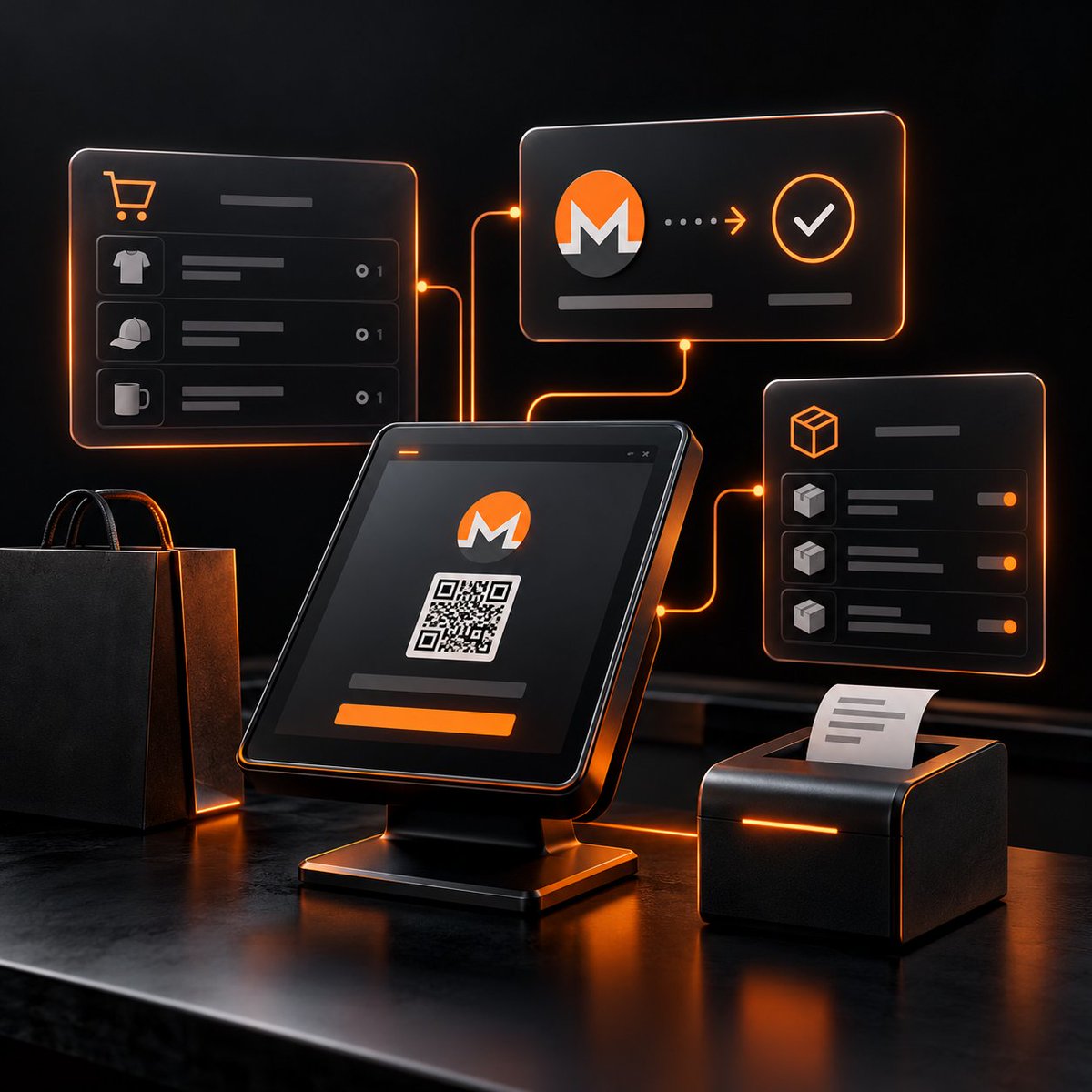
Accepting Monero involves more than displaying a wallet address at checkout.
A useful payment integration needs to fit the merchant's workflow, communicate payment status clearly, handle transaction confirmation appropriately, and make reconciliation manageable.
The details differ between businesses, but a smoother payment experience can reduce friction for both merchants and customers.
Adoption depends not only on the currency itself, but also on the systems built around it.
Someone looking for a wallet has different needs from a merchant searching for payment tools or a developer looking for technical resources.
That is why a broad ecosystem directory is useful.
Moneroist brings together different categories of Monero-related projects, helping people start their search based on what they actually need.
You don't have to approach the ecosystem from the same starting point as everyone else.
Explore Moneroist: https://t.co/xmypholZ3U
A Monero node maintains and verifies blockchain data according to the network's rules.
Running your own node can give you greater control over how your wallet accesses blockchain information and reduce reliance on a third party for that function.
It also means taking responsibility for the resources and maintenance involved.
Independent nodes are an important part of the infrastructure that supports Monero's decentralised network.
A directory can help you discover a service. It cannot make the decision for you.
Before using a project, check what it actually offers, whether its information is current, how it handles security, and whether its terms suit your needs.
This is especially important when a service involves funds, sensitive information, or access to your wallet.
Moneroist helps you discover Monero-related projects. Evaluating them carefully remains part of using them responsibly.
https://t.co/xmyphomwTs
How is Monero is better than a bank account?
+ No ID required
+ No minimum balance to keep account open
+ No banking holidays
+ No overdraft fees
+ No regional restrictions
+ No send or withdraw limits
+ No middleman watching transactions
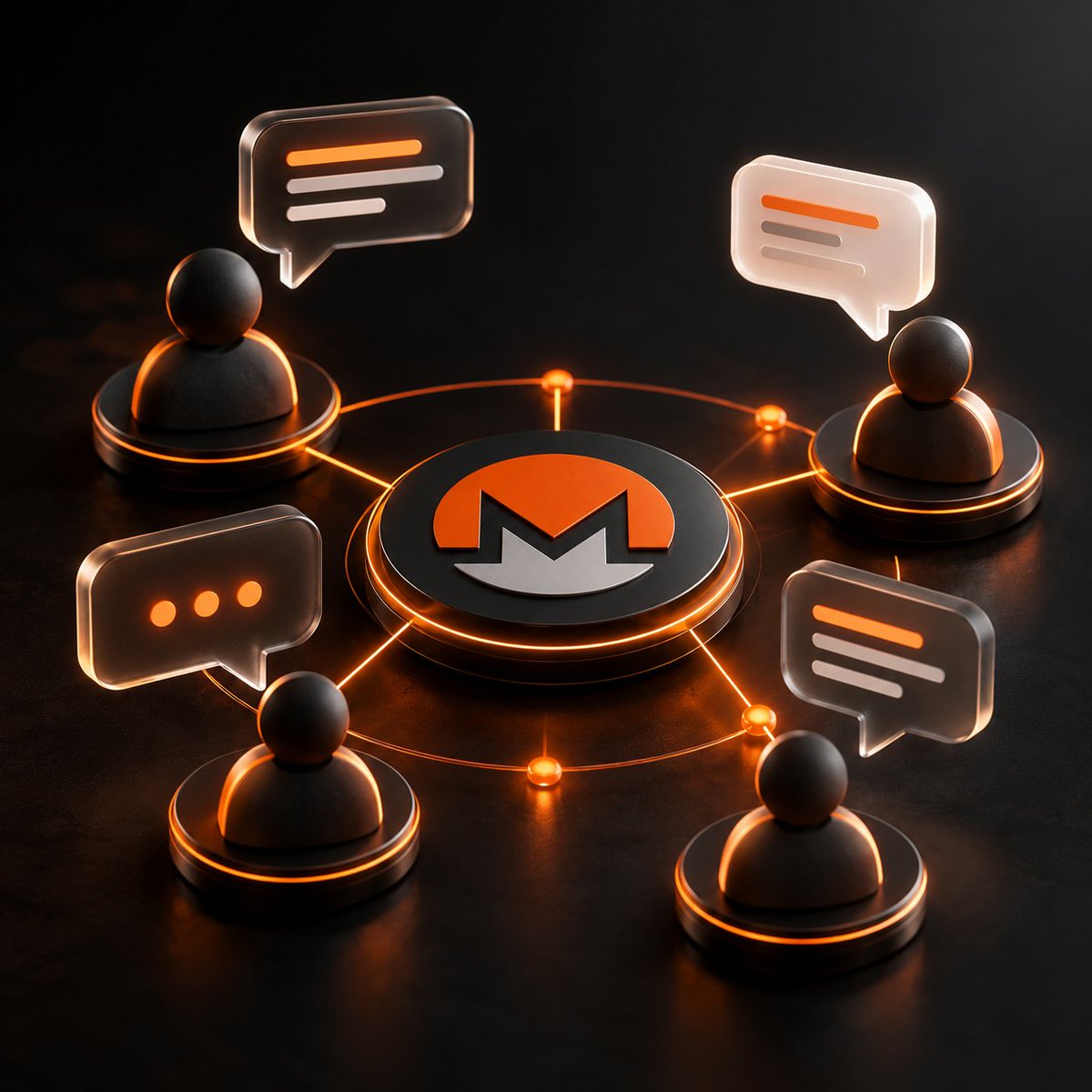
An ecosystem grows when people can do more than consume information.
They need places to share experiences, discuss problems, compare approaches, and help others understand what they have learned.
That is the value of a community forum.
The Moneroist forum gives people a place to discuss Monero and its surrounding ecosystem, turning individual experiences into conversations others can learn from.
Join the discussion: https://t.co/TJO88v0ZCz
A financial record can reveal more than how much money someone spent.
Patterns of payments may expose routines, business relationships, recurring commitments, and connections between people.
The amount is only one part of the information that financial activity can reveal.
Understanding financial privacy means considering what transaction data can communicate, not just whether a balance or payment amount is visible.