One of the key drivers of insulin resistance is too much insulin. This is an example of a biological principle known as "homologous downregulation". The principle applies to peptide hormones generally--to much of a peptide hormone leads to a resistance to that hormone.
This universal biological principle is one reason I am concerned with the escalating doses of GLP-1 drugs. GLP-1 is a peptide hormone. The more the pathway is activated, the more the pathway becomes resistant. To help preserve sensitivity, the lowest effective dose is ideal.
How can you know the lowest effective dose? The dose that helps you control cravings.
For years, I have championed the Mediterranean diet as one of the most powerful tools we have for protecting the brain. A remarkable new study has forced me to reconsider something fundamental.
What if eating well isn't enough?
The culprit came down to one specific habit that most people don't even think twice about.
https://t.co/jz5OuRBMA9
Your body is not your enemy. It's the most loyal thing you own. It has absorbed years of stress, poor sleep, and processed food — and it is still here, still asking to be helped.
Honor that.
Vagus Nerve Stimulation (VNS) is emerging as a precise therapeutic intervention to counter memory deficits in Alzheimer’s Disease and age-related decline.
By stimulating afferent vagal fibers, VNS activates the nucleus tractus solitarius. This triggers a central anti-inflammatory pathway where acetylcholine binds to alpha-7 nicotinic receptors on microglia.
This process suppresses pro-inflammatory cytokines like TNF-α and IL-6, effectively quenching the neuroinflammation that drives synaptic loss.
Preclinical models show that chronic VNS improves memory performance by 25-40% through enhanced hippocampal long-term potentiation and BDNF signaling.
In human trials, non-invasive auricular VNS (taVNS) resulted in 15-30% gains in verbal episodic memory. fMRI scans reveal restored connectivity in the Default Mode Network.
VNS offers a targeted, low-side-effect methodology for reigniting memory circuits and preserving cognitive integrity in aging populations.
https://t.co/vKJOPR9p0I
@drjamesdinic One add: eat your water. Cucumber, celery, lettuce, tomato, spinach, watermelon, berries → 90–96% water with built-in minerals, no sugar load.
And remember: hunger is often disguised thirst. Hydrate first, eat second.
A 2025 Nature study revealed a surprisingly simple way aspirin might help fight cancer metastasis.
Researchers discovered that cancer cells trick blood vessels into releasing a substance called thromboxane A2 (TXA2). This chemical then sends a signal that basically tells our immune system’s T-cells to “stand down,” making it easier for cancer to spread.
Science nugget: In mouse models of breast, skin, and bowel cancer, aspirin blocked TXA2 production. This freed up the T-cells to attack more effectively, resulting in significantly fewer metastases. When scientists genetically removed the key protein (ARHGEF1) that receives the signal, metastasis dropped sharply — and aspirin had no extra effect, proving this is the main pathway.
The study helps explain why some earlier human observational data showed potential protective effects (especially for colorectal cancer). However, these promising results are still from mice, and experts stress that we need proper clinical trials in humans to confirm who might benefit and what the risks are.
Any use of aspirin for cancer-related reasons should only happen after talking to your doctor, due to side effects like increased bleeding risk.
It’s a fascinating reminder that an old, cheap drug might still have hidden powers we’re only beginning to understand.
Does this aspirin-cancer connection surprise you, or does it make you curious about what other everyday medicines might have undiscovered effects?
Cognitive decline is often seen as a problem starting and ending in the brain, but new research suggests that cognitive aging is not hardwired and can be reversed through the digestive tract.
https://t.co/omZF7VgkxX
@Metabolic_Mind A client with CAD was fearful of fats up until seeing me. His before and after lipid and metabolic results were vastly improved after we took him off the refined carbs and onto healthy fats including saturated fats. Does his APOE4 allele mean taking out the saturated fat now?
@Metabolic_Mind Higher meat consumption is almost certainly going to mean higher saturated fat consumption, and yet limiting it is advocated by the most respected of researchers and clinicians like Dr Dale Bredesen. I wonder how much this study will influence his dietary recommendations of it.
@Metabolic_Mind This study is very welcome for those of us who are nervous about the narrative behind APOE4, meat and saturated fat. Remember that meat also contains choline, essential for neurotransmitters not just in the brain but for the anti inflammatory influence of vagal activity.
This single intervention can be a GAME CHANGER for:
- Long COVID
- Chronic Fatigue
- Dysautonomias & other neurological disorders
- Chronic pain
- Anxiety & brain fog
- Gut disorders
- Chronic stress and MUCH more.
It was previously locked behind a medical barrier and required a highly invasive procedure to get running...
...until now. This called a Transcutaneous Auricular Vagus Nerve Stimulator! It manually trasmits signals via the tragus --> vagus nerve. This activates the parasympathetic nervous system.
Somehow, I didn't know these were available to the public. This thing is AWESOME. I can feel stress "melt" away during my sessions.
Gonna track any changes now that I am experimenting with it.
The brand I am using is NuroSym, the guys who have already published a bunch of papers on it.
They sent me the product, and also gave a discount code I can give to people who want one aswell 🤓
Things that I keep out of my kitchen:
1- plastic cutting boards
2- teflon pans
3- seed oils
4- plastic tea bags
5- plastic cooking utensils
6- aluminum foil
7- toxic dish soap
8- synthetic candles
What's on your list?
Testing should probably not be direct to consumer. Nutritional therapists order from well established companies with plenty of research and development on their own products backing them up.
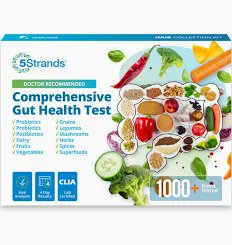
Gut microbiome testing kits provide information on an individual's microbiome composition, and many use these results to generate health assessments. But, please be aware that the accuracy of these tests remains uncertain.
https://t.co/Cj19NjpluE
Any kind of systemic inflammation is going to affect every system in the body. It may manifest more in one particular anatomical area, but it affects the entire body.
Inflammation is tied in with arthritis and memory loss. Diabetes, high insulin levels, high glucose levels, disruption of the gut microbiome are all part of the inflammatory process.
We may feel healthy, but if this inflammation is raging inside of us, then we have a problem.
So what is the best way to control inflammation while we’re still upstream? First, identify the triggers and causes of inflammation, and then help the body’s natural immune balance reset by providing the right conditions for it to thrive.
Everyone is treating the downstream effects of inflammation, instead of addressing the cause: multiple problems that are really linked together by inflammation.
If you don’t know where to start, I've put together a FREE guide to help you feel better fast, check it out: https://t.co/5QEVLQGl0H