📜Follow for fascinating threads on ancient civilizations, legendary figures, groundbreaking inventions, and the twists of fate that defined our past. Whether you’re a history buff or just curious about the human story, this is your space to explore the triumphs and tragedies of empires across the ages.
On June 28th, 1914 Gavrilo Princip assassinated the Archduke of Austria, a catalyst for several important historical events such as World War I, and the formation of rock band Franz Ferdinand.
That water clarity is an engineering decision, and the math behind it is wilder than the video.
Roman aqueducts ran on gravity alone. No pumps, no pressure systems. Engineers carved channels with a gradient so shallow it borders on absurd. The Pont du Gard in southern France drops 2.5 centimeters over 275 meters. That's roughly the thickness of a coin over the length of three football fields. They surveyed that accuracy with plumb lines and wooden leveling instruments.
The clarity you're seeing is a direct product of flow velocity. Too steep and the water erodes the channel walls, picks up sediment, turns brown. Too flat and it stagnates. Roman engineers targeted a slope of about 20 centimeters per kilometer, which kept the water moving fast enough to stay fresh but slow enough to stay clear. Before the water reached the city, it passed through multi-chamber settling tanks where velocity dropped near zero. Suspended particles sank. Clean water flowed out the top into the next chamber. Repeat three or four times.
Pliny specified the minimum slope in writing. Vitruvius published the exact mortar ratio for hydraulic cement: one part lime to two parts volcanic ash for underwater work. The pozzolana from Pozzuoli reacted with water to form a calcium-aluminum-silicate compound that actually gets stronger the longer it sits submerged. Modern concrete degrades in water. Roman concrete bonds with it.
Scale the whole system and it gets harder to process. Eleven aqueducts fed Rome at its peak. Combined output: roughly 1 million cubic meters of water per day. That works out to about 250 gallons per person for a city of one million. Modern New York delivers about 125 gallons per person per day. Ancient Rome had access to double the per capita water supply of the largest city in the United States, running entirely on slope and stone.
The Trevi Fountain in Rome is still fed by one of them. Two thousand years, same source, same gravity, same water.
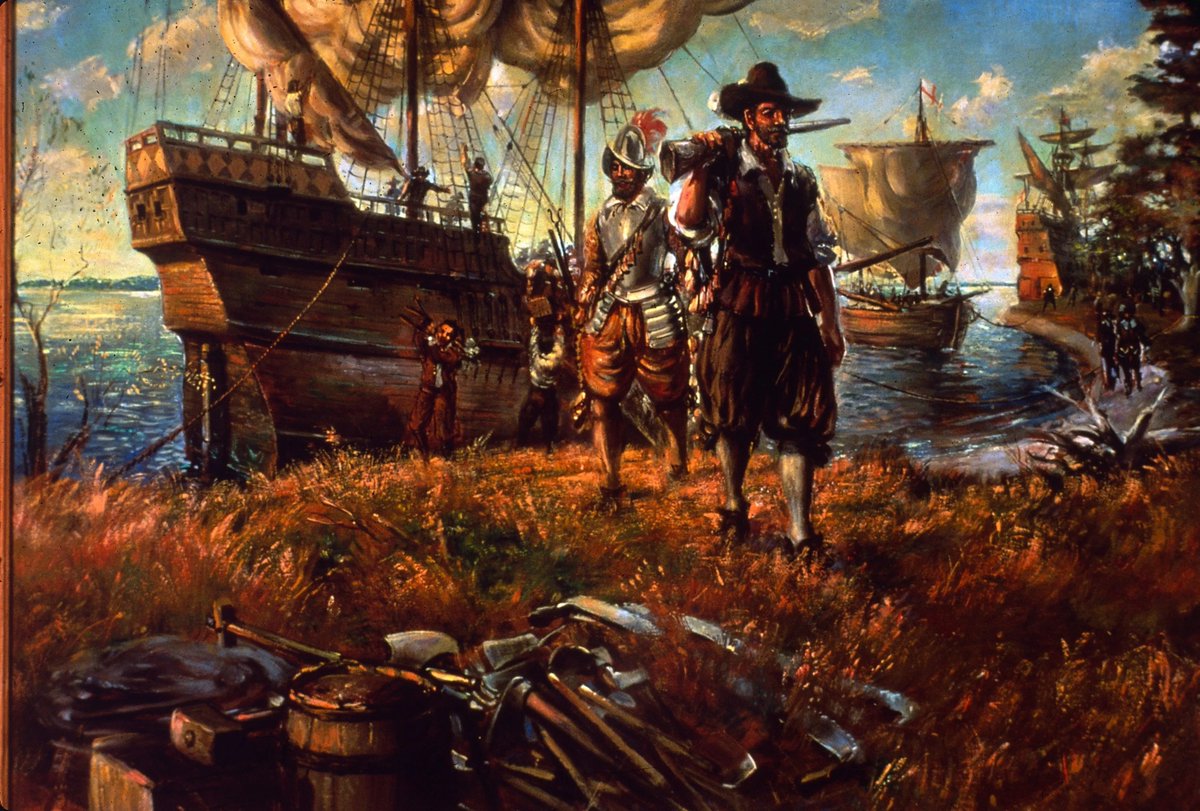
It was today in 1607, 419 years ago, that America's story truly began
104 brave and intrepid adventurers landed on a peninsula jutting out into the Chesapeake and the James River, and named it Jamestown, after their King James I
What followed was a desperate fight for survival. The hundred-odd men had chosen a location that was defensible--which helped with the near-constant Indian attacks--but that was, because of its location near so much quite stagnant water, the most pestiferous and febriferous hell imaginable. It was a near-perfect breeding ground for malarial mosquitoes, caused massive cholera outbreaks, and was otherwise a hellish spot to undergo the "Seasoning" period that long killed five out of every six new arrivals in Virginia. Yet further, few of the men who arrived were farmers--most were either second sons, tradesmen, or London's poor--and so growing food proved to be a challenge, a problem not helped by the new environment
And so the starving men held on as fever and ague wracked their bodies, as Indian arrows plunged into them from behind the tall grass, as an accidental fire burned their homes and storehouse in the height of winter and plunged them into desperate starvation. Meanwhile they found nothing of value that economically justified the colony's existence
It was a horrible period, and the little settlement barely managed to hang on for year after year, desperately battling deadly fever and murderous Indians--often at the same time--in a bid for survival
And they did it for their God and country. They saw it as their duty to bring the bright light of Protestantism to a New World that knew only the worst sort of paganism and the bloody cross of Catholic Spain. Still in the Elizabethan mind, they set about correcting that by planting a colony of their own that would take their faith and their rule to the New World...and hopefully make a profit, somehow, in so doing
For that they clung to life and fought on, and with John Rolfe's bringing of Spanish tobacco to the colony, then peace to it with his marriage to Pocahontas, the colony caught its stride and rocketed upwards in prosperity and settlers
Out of Jamestown came America, and that story began today, all those centuries ago
One of the greatest and oldest special effects in history can be witnessed in Rome today
And it has been playing out, on cue, for nearly 2000 years...
Each year on April 21, the traditional birthday of Rome — the legendary date Romulus founded the city in 753 BC — the midday sun pierces the oculus at the crown of the Pantheon's dome and casts a perfect disk of light that settles squarely on the temple's entrance.
For roughly two minutes and fifty seconds, the bronze doors blaze gold...
At that exact moment, the Emperor would step across the threshold, his body swallowed in sunlight, as though the heavens themselves were handing him the city.
Hadrian's engineers designed the entire building as a cosmos in miniature: the interior is exactly 43.3 metres wide and 43.3 metres tall, meaning a perfect sphere fits inside it.
The Roman senator Cassius Dio wrote that the vaulted roof was meant to resemble the heavens themselves...
Every President's Favorite Book, a Megathread:
Volume I: Washington to Roosevelt (1-26)
1. George Washington
Cato, a Tragedy by Joseph Addison (1713 Play)
The Achievements and Legacy of Ancient Sumeria: A Thread 🧵
1/ Before the Sumerians, there were no cities, no writing, no laws—just scattered villages. But around 3100 BCE, in what is now Iraq, they changed history forever, inventing civilization itself. Let’s dive into their greatest achievements and lasting impact. 👇👇👇👇
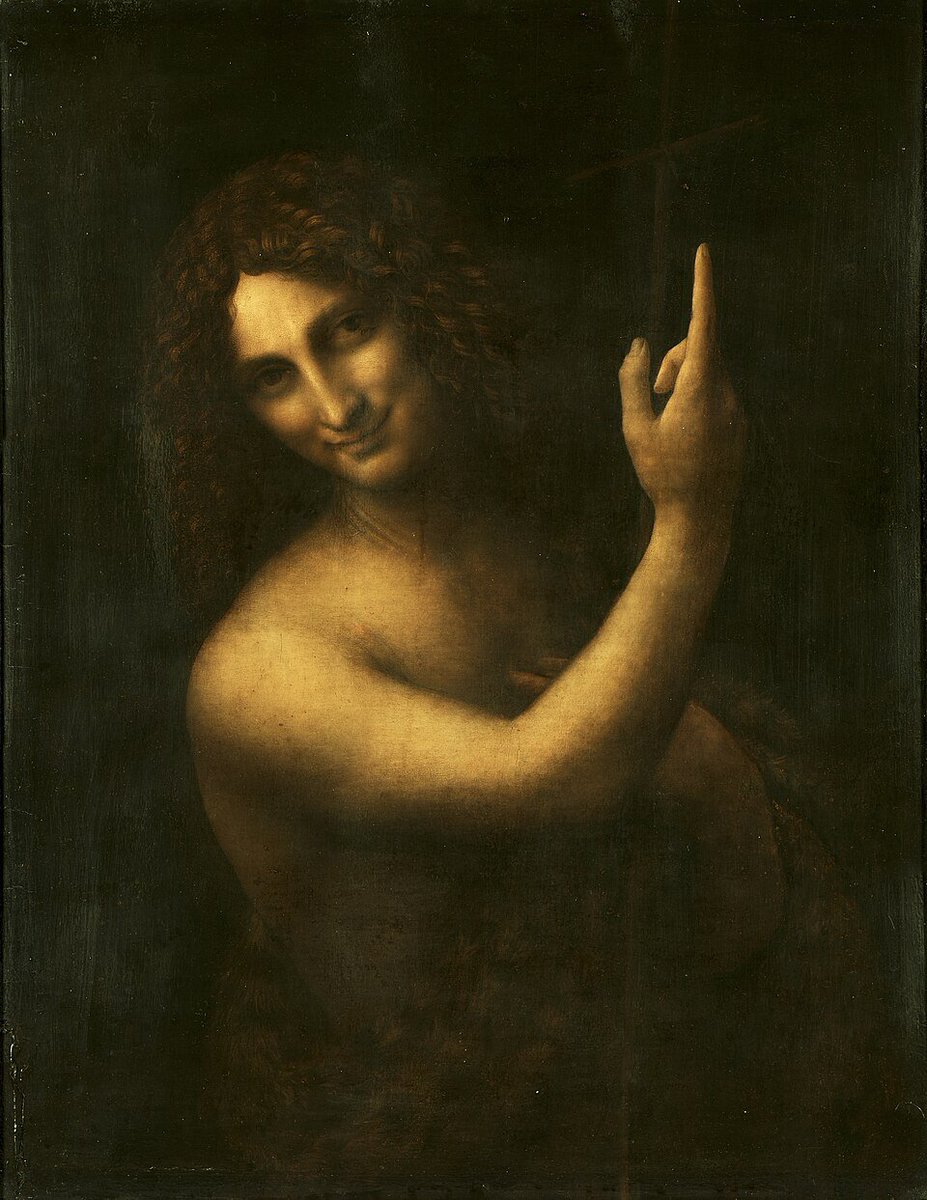
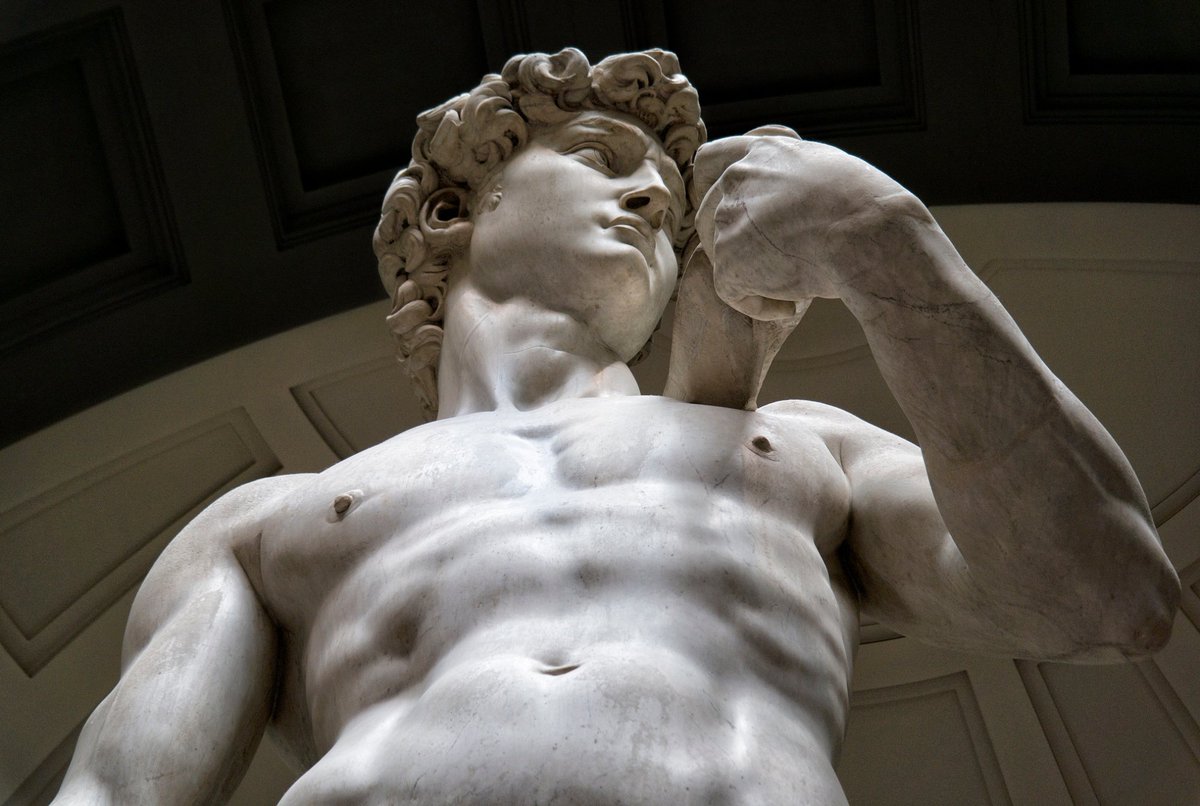
I don't think people understand how insane Renaissance Florence was.
In a town of about ***50k people*** you had the following people all alive at the same time:
* Leonardo Da Vinci
* Michelangelo
* Raphael
* Amerigo Vespucci (explorer for whom America is named)
* Niccolo Machiavelli
* Sandro Botticelli
* Lorenzo de Medici
What happened to all that human capital? Did the intelligent men of Florence migrate elsewhere over the coming centuries?
Alexander the Great's Wars in 1 minute using Google Earth, each Flag represents ~1,000 soldiers
Video by mapsinanutshell
Learn more: https://t.co/Vb5NhvlTUV
When Constantinople was the Capital of Christianity! 🙏☦️🙏
A digital representation of Constantinople during the reign of Justinian (527-565 AD), one of the most pivotal periods of the Byzantine Empire, marking the transition from Late Antiquity to Medieval Hellenism. #Byzantine
44 BC — Senators assassinate Julius Caesar, claiming they saved the Republic.
27 BC — Senators grant Augustus supreme authority and call him “First Citizen.”
17 years.
That’s all it took for Rome to go
from murdering a dictator to accepting an emperor.
Many fans of Ancient Greek history are aware about the Greek Ptolemaic Dynasty which ruled Egypt for 300 years, yet how was this dynasty established?
This is a thread on the founding of Ptolemaic Egypt! 🧵
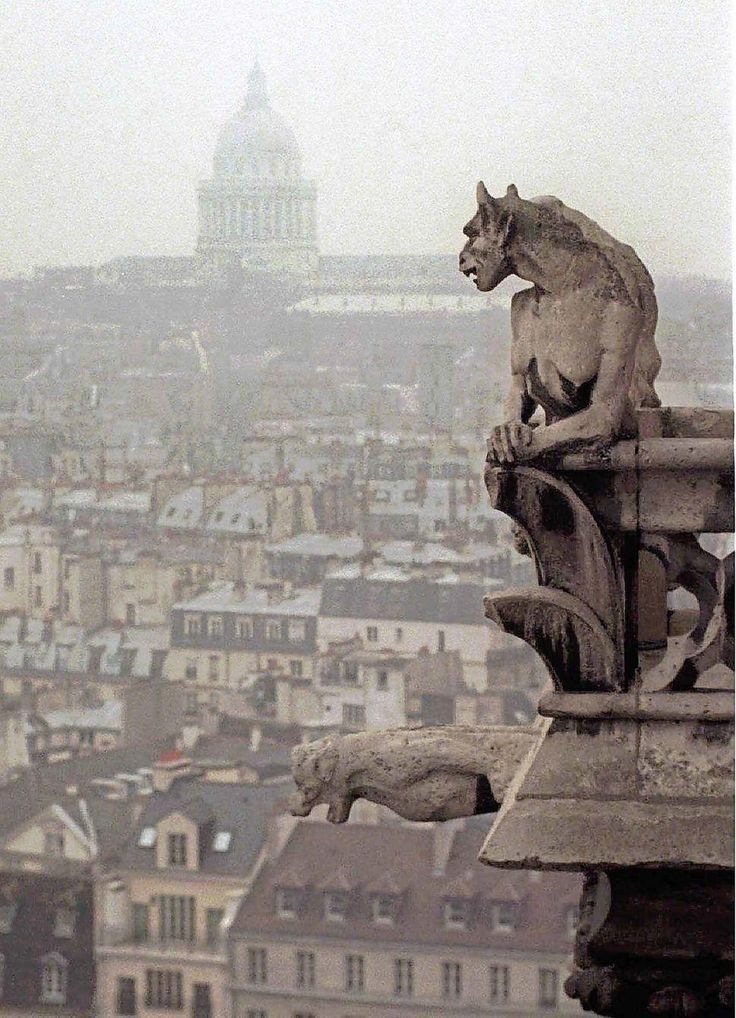
TIL that not all creepy stone figures on cathedrals are gargoyles. If they don’t spout water, they’re called grotesques or chimeras. Only the ones that drain rainwater are true gargoyles.