Piston Lab focuses on glucagon regulation and uses innovative quantitative imaging and biochemical methods to identify new therapeutic targets for diabetes
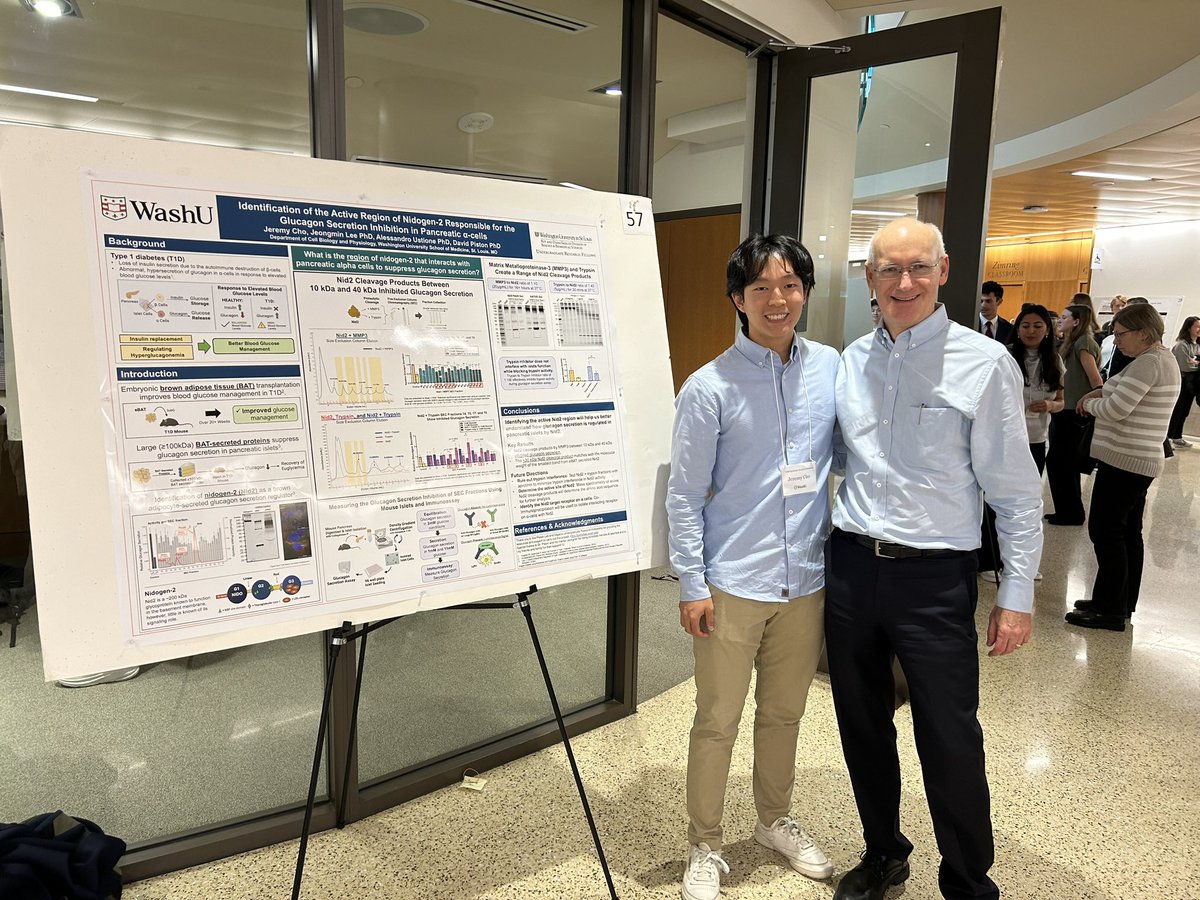
I’m excited to share that my thesis work on brown adipocyte-secreted proteins and their role in regulating Type 1 Diabetes is now published! Huge thanks to @ThePistonLab and collaborators! https://t.co/b2FUoeguOo
The potential role of basement membrane protein #Nidogen-2 in the management of #TypelDiabetes has been explored by @ThePistonLab. Check out our latest preprint!
Our one-day symposium at #EASD2024 on September 9th, 2024, in Madrid, Spain is next week!
This event will include a session on “Understanding and restoring alpha cell function in T1D and T2D: intrinsic, paracrine, and in vivo consequences in humans.” This session will be chaired by Shareen Forbes, MBChB, PhD, FRCP, from @EdinburghUni. It will feature talks from Dale Morrison, PhD, from @UniMelb, Quan Zhang, PhD, from @UniofOxford and @UnivdeCoimbra, and Michael Rickels, MD, from @PennMedicine. There will be opportunities for the audience to ask each speaker questions.
We will also have a session of short talks from submitted abstracts on endocrine cell biology chaired by Jason Winnick, PhD, from @uofcincy featuring Malin Fex, PhD, from @lunduniversity, Sebastian Barg, PhD, from @UU_University, and Rui Gao, MBBS, PhD, from @UniofOxford.
Register and join us for this exciting event, and view the full agenda here: https://t.co/Itx2mBvFgc
#Hypoglycemia #Type1Diabetes #Type2Diabetes #T1D #T2D #AlphaCells #BetaCells #Glucagon
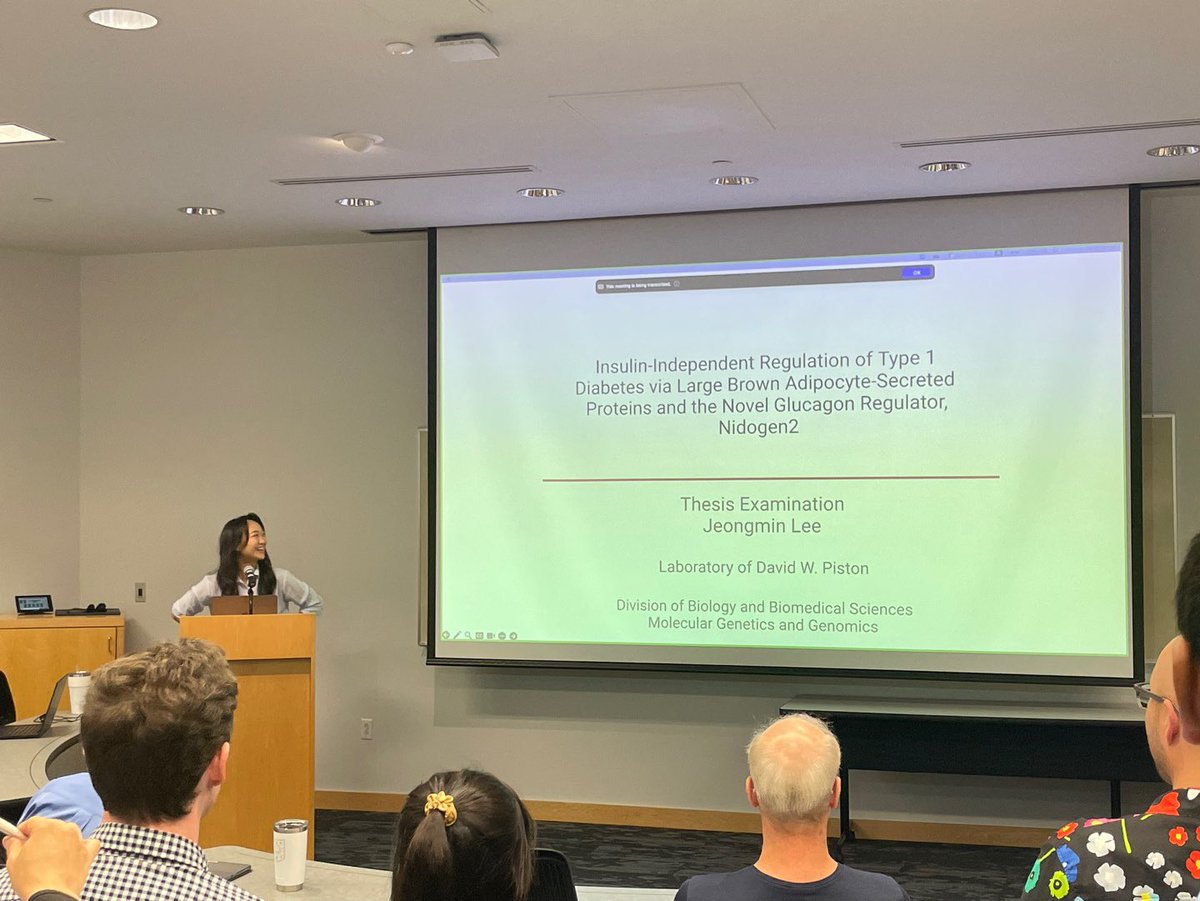
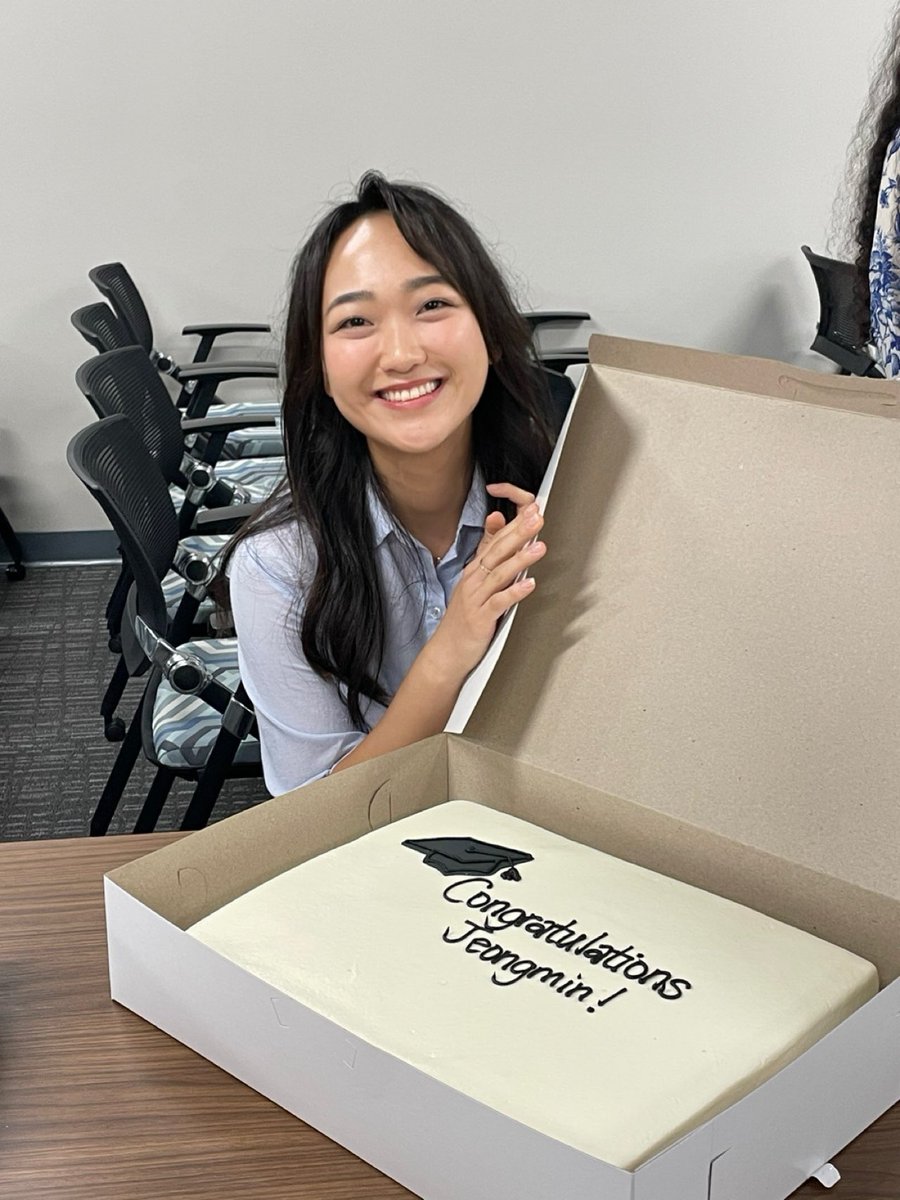
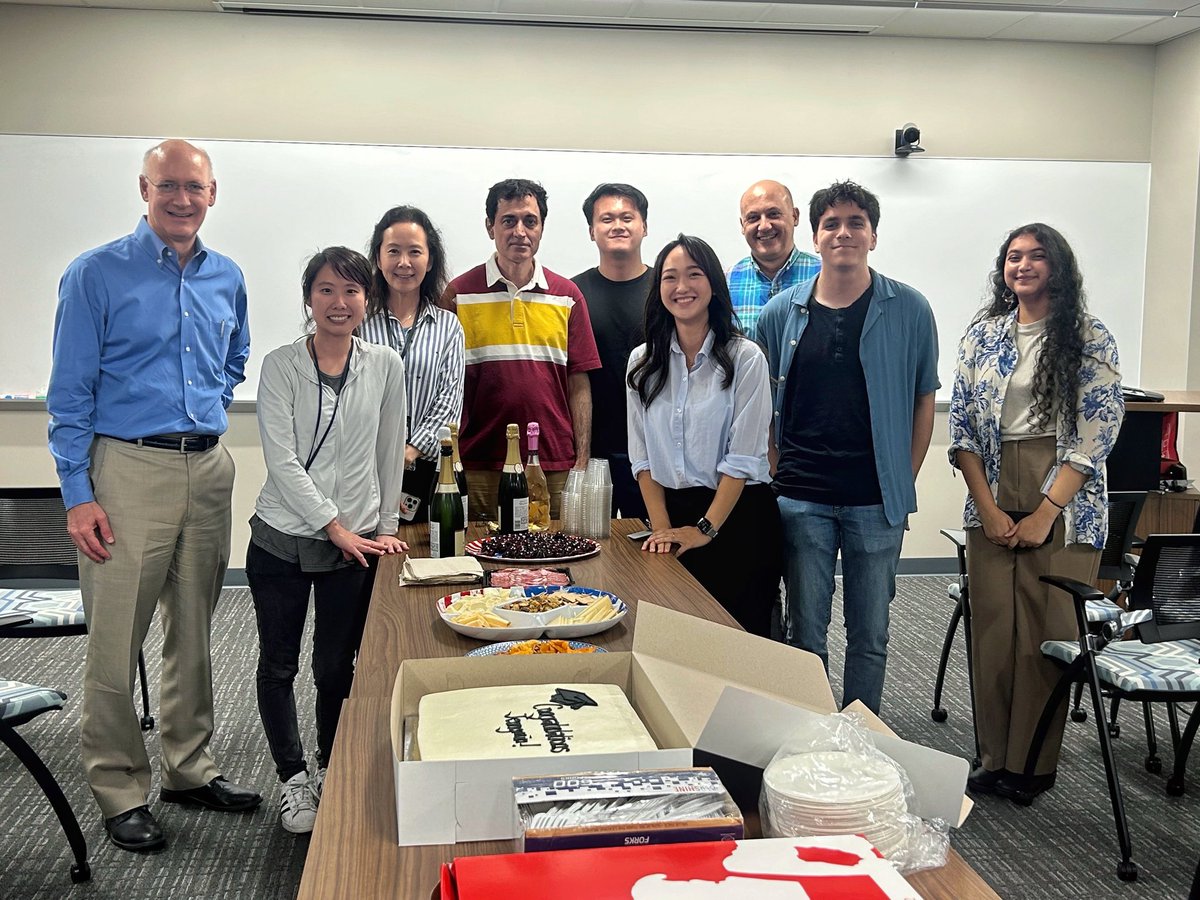
A bit late, but I'm thrilled to share that I successfully defended my PhD on July 30th! It’s been an incredible journey, and I’m so grateful for all the support along the way, especially @ThePistonLab ��
Happy to share our recent paper using fluctuation spectroscopy to reveal that G protein-coupled receptors appear to interact only transiently with their Gα and Gβγ protein subunits - not by pre-assembled complexes. https://t.co/9JHY25IGBs
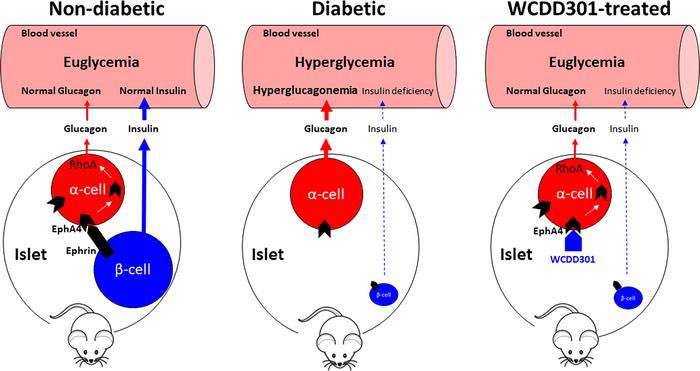
Data suggests that targeting the α cell EphA4 receptor by sustained release of WCDD301 is a promising pharmacologic pathway for suppressing glucagon and normalizing hyperglycemia in patients with #T1D https://t.co/1Ve6GjUfrZ
A new paper from the lab: Focused on understanding how beta-cells modify their NADPH metabolism to deal with stress, we translated our genetically encoded Apollo-NADP+sensor to living #Zebrafish. https://t.co/KV2eIbmv3h
Program Officer Ben Williams welcomed researchers from the Alpha Cell Scientific Working Group to a scientific meeting in Edinburgh, Scotland. This group of Helmsley grantees aims to better understand pancreatic alpha cells and develop therapeutic strategies to prevent hypoglycemia in type 1 diabetes #T1D. #AlphaCellWG
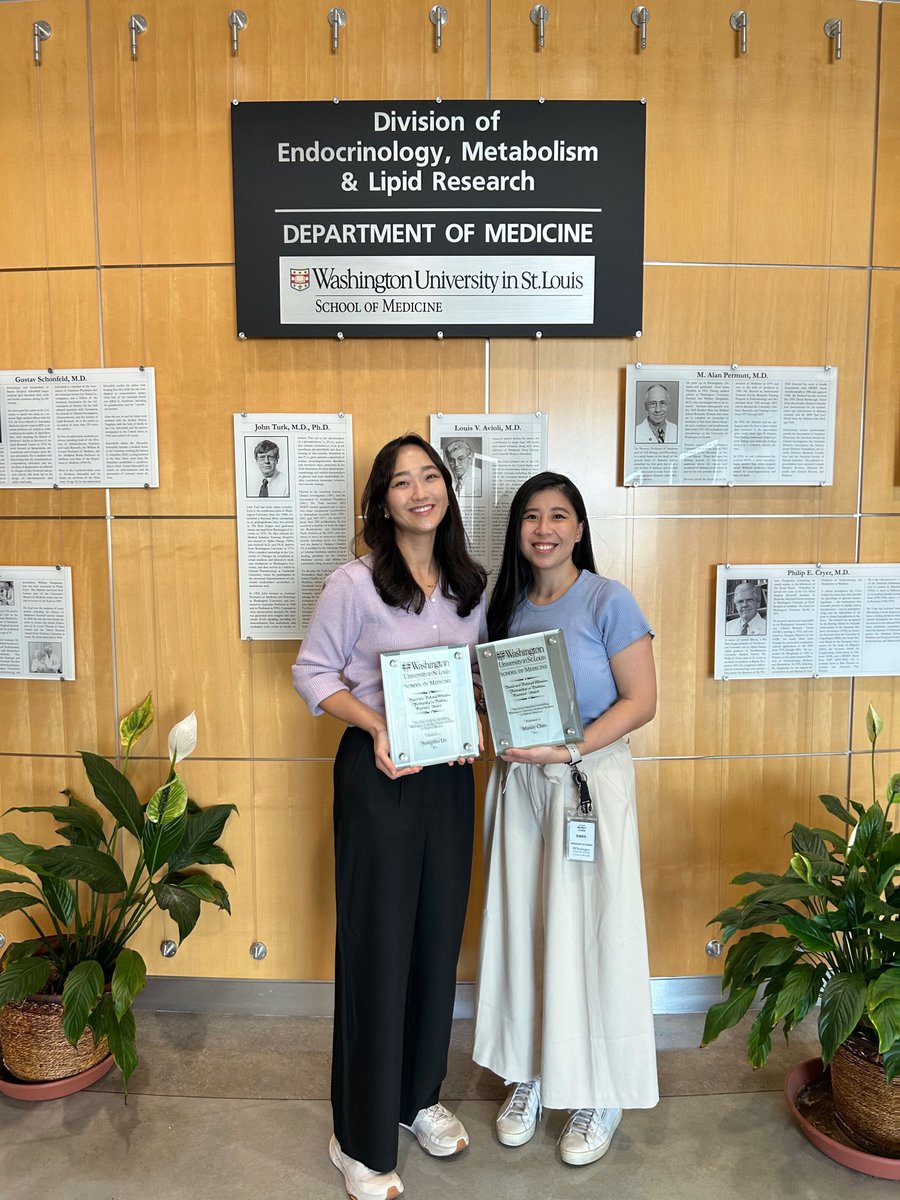
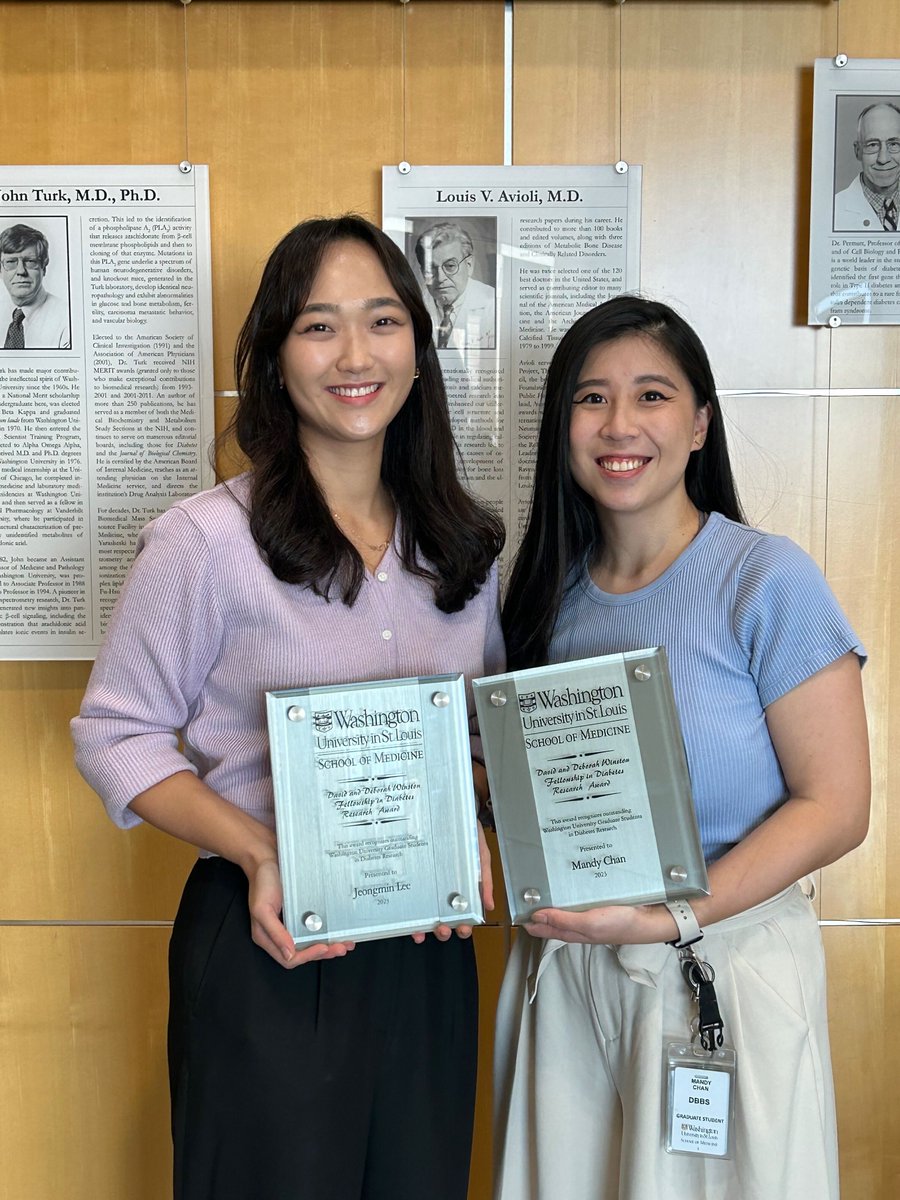
Happy to share that I've been awarded The David and Deborah Winston Fellowship in Diabetes Research!✨ Even more special is the fact that our cat lady
@MandyMChan, is also a fellow recipient! 🎉Grateful for this opportunity and looking forward to making the most of it! :)
NIH funding by institution for FY 2023
1 Johns Hopkins U $518M
2 UCSF $451M
3 U Michigan $436M
4 Penn $434M
5 UCLA $424M
6 Stanford $407M
7 Mass General $406M
8 Wash U. $404M
9 Yale $390M
10 Pitt $382M
11 Columbia $362M
12 Duke $360M
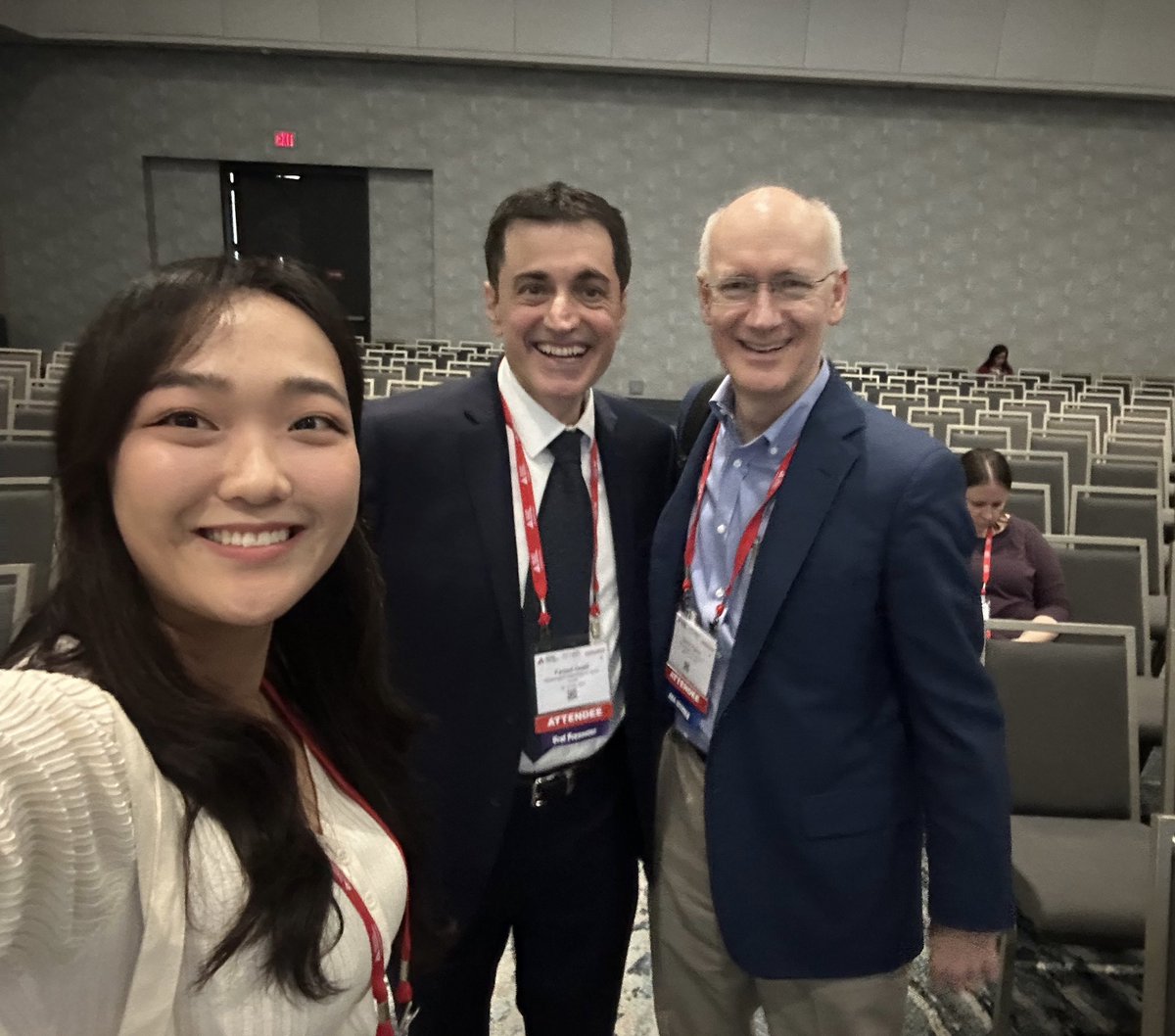
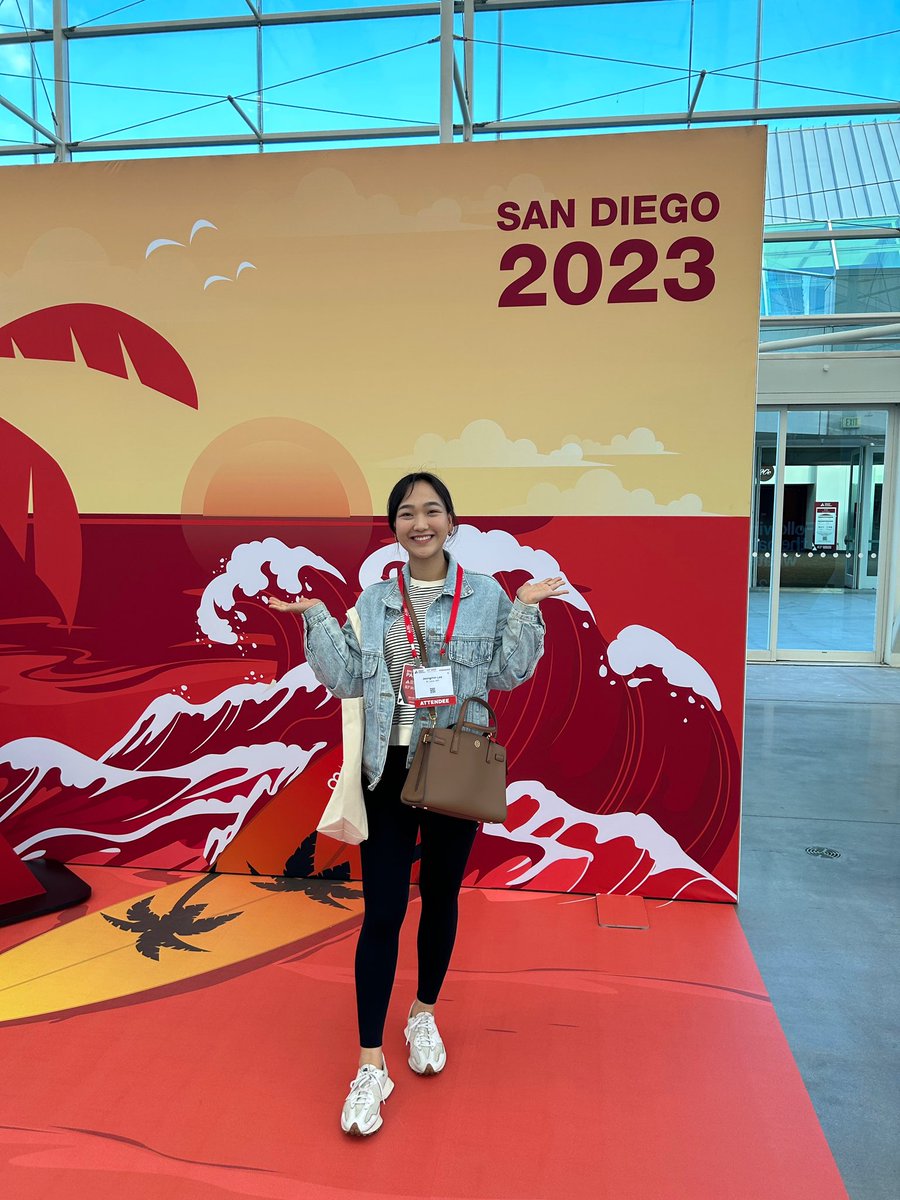
🔬Welcome to ADA's 83rd Scientific Sessions, where we'll be showcasing the latest and greatest in #diabetes science and research! 🧬Get ready for an exciting few days ahead. #ADA2023
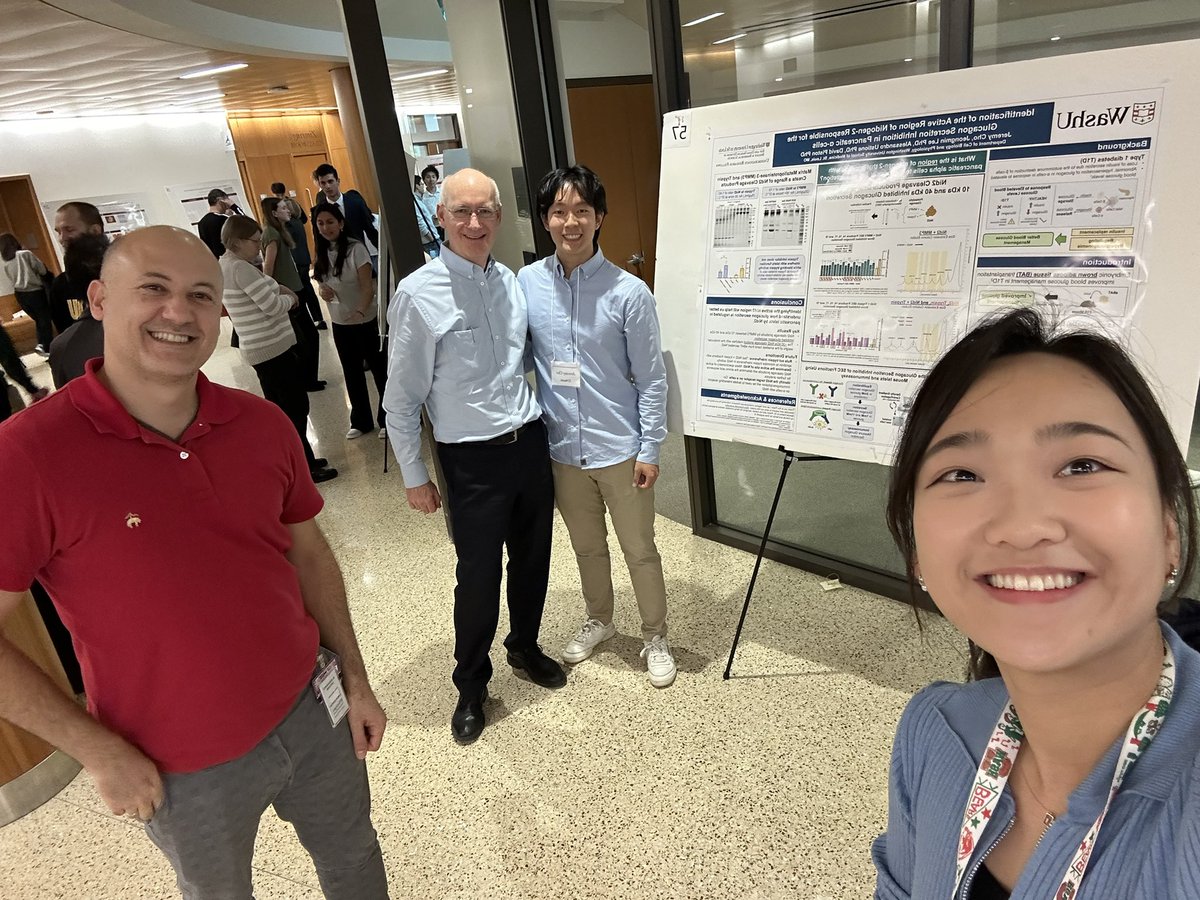
Last year, I was fortunate to attend and learn some inspiring research at the KDA symposium in Korea. Now, in 2023, I'm excited for more fascinating discoveries at the ADA 83rd scientific session! Visit my poster on Sunday to learn and discuss about my project ☺️ #ADA2023