The Unistellar Envision AR Smart Binoculars have arrived!🥳 I went to their demo of these last year and I am so excited to finally have them in my hands!!! What should we try them on? @Unistellar
This Thursday night (11/19), Slooh and NOVA are co-hosting BLUESHIFTED, a networking evening for the NJ/NYC science and space community!
There’s still time to grab a last-minute ticket. See you there ✨
https://t.co/DJsIwiYQTp
In astronomy, objects appear blueshifted as they move closer to us. 🔭
BLUESHIFTED brings the NJ/NYC astronomy & space community closer together: academia, industry, and everyone in between. Hosted by Slooh & NOVA.
📅 Thu, Nov 19 · 6:30–9:30 PM ET
📍 Hoboken Biergarten
https://t.co/IpEdlXWIDf
What makes this chemical reaction grow? 🔥
@GWolf_Science creates a carbon snake, showing how heat and the release of gases can completely transform a material’s shape, size, and structure. The result is a fragile, carbon-rich foam that grows upward as gases expand through the mixture. It's a fascinating example of how familiar materials can undergo surprising changes through chemistry!
We regret to inform you that space is extremely large🌌
We've looked into making it smaller. Unfortunately….we can't.
To address this issue, the NSF–DOE Rubin Observatory will spend the next 10 years repeatedly surveying the entire southern sky. We thank you for your patience.
What song would you want to wake up to on the way to the Moon?
At @SCICOMSummit, @NASA’s Brittany Brown shared the story behind the Artemis II crew’s wake-up songs. She knew the songs in advance, but the rules said no playlist. Then the public kept asking, and by Flight Day 3, she decided it was time to share them.
Join us this Saturday, November 14, to celebrate Native American Heritage Month! Our Blue Wing fills with community as we meet scientists like Dr. Rodrigo Córdova Rosado and José Arturo Soto Gamboa, experience the first live performances in our Charlotte and William Bloomberg Public Science Commons from the Eastern Medicine Singers, and connect with organizations like the Nolumbeka Project, which protects ancient multi-tribal village lands in the Connecticut River Valley, and the North American Indian Center of Boston, which has served Native communities for more than 50 years. Explore, ask questions, and discover ways to get involved.
Get tickets: https://t.co/N1vmzdvIBx
NASA is betting on cheaper missions as a way to sustain science. We built a database to check whether it works.
Learn more about The Science Mission Impact study: https://t.co/qj8QvYEBCy
We're feeling nostalgic 🥹
This is a #ThrowbackThursday to the night of 15 April 2025. Decades of planning and years of building led to this moment, when our team finally saw the very first image of the night sky captured by the LSST Camera🔭✨
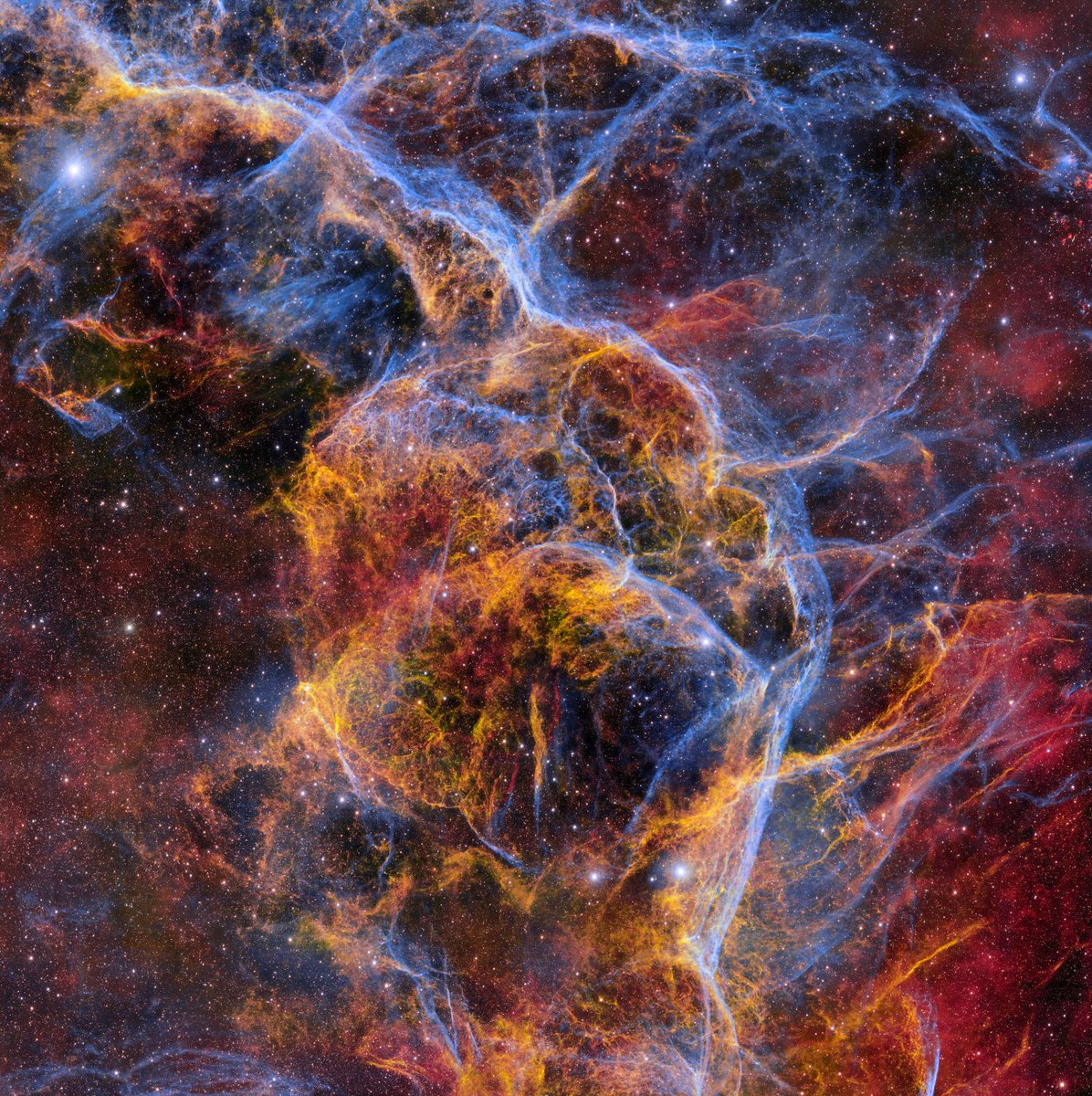
Some stars just don't know how to make a quiet exit. 💥
11,000 years ago, a star in Vela exploded, leaving huge filaments of debris. This 1.3-billion-pixel view was captured by DECam on the Blanco Telescope.
📷: CTIO/NOIRLab/DOE/NSF/AURA/T.A. Rector, M. Zamani & D. de Martin
🔭 For 170 years, astronomers wondered if a giant planet was tugging on a star in the 70 Ophiuchi system, just 16 light-years away. A new study shows the wobble came from stellar activity instead.
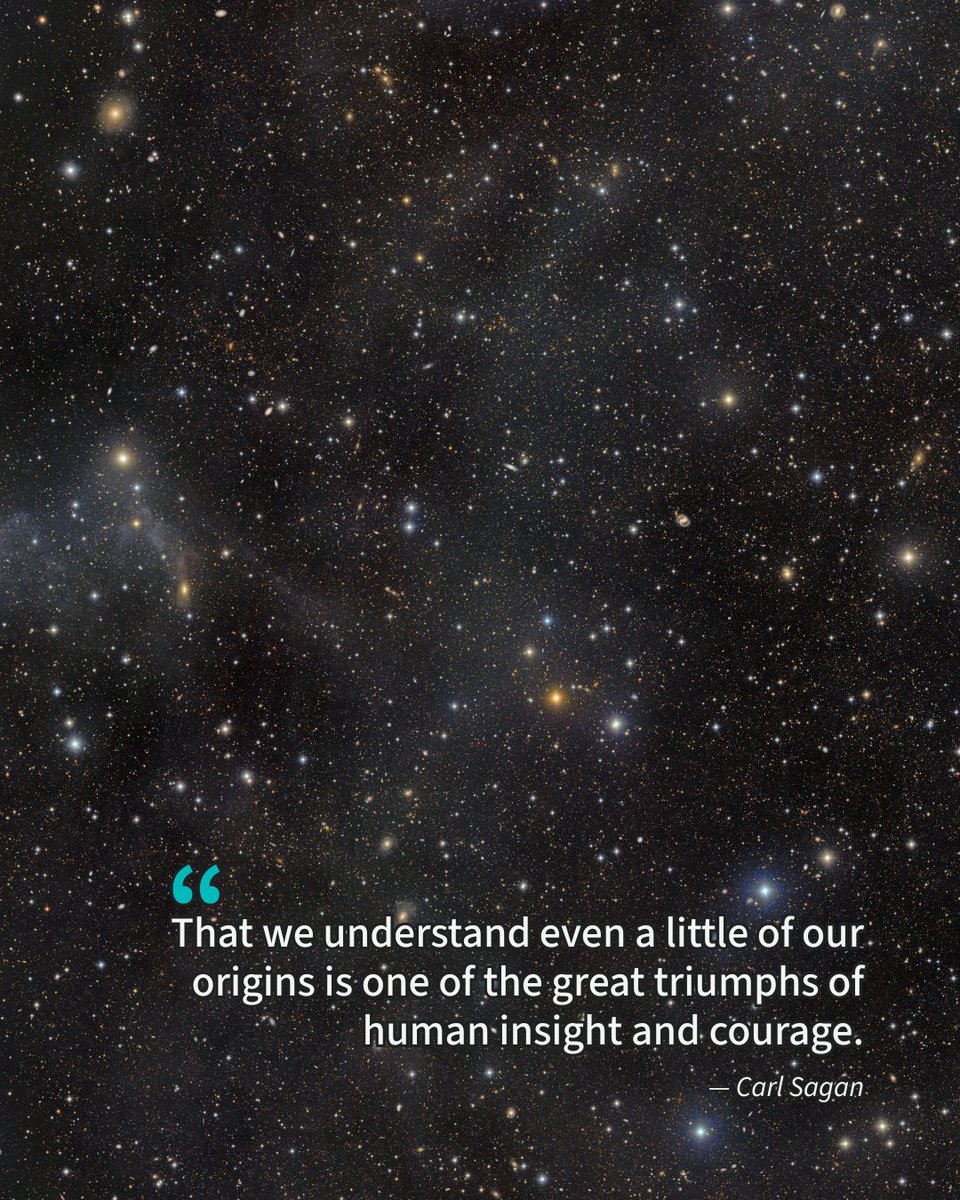
“Somewhere, something incredible is waiting to be known.”
Happy birthday Carl Sagan, who continues to inspire us to explore our place in the cosmos.
At NSF–DOE Rubin Observatory, that spirit is part of all we do, from making discoveries to giving us more reasons to look up💫
Fireballs are about to streak across the night sky, so look up! 🌠
The Leonids return this month, flying from November 6th through the 30th and peaking overnight on the 16th into the 17th. Even better, the first quarter moon dips below the horizon around midnight on peak night. That means darker skies just when the Leonids hit their stride, so grab a spot and start counting meteors.