BPH surgery may be quietly treating something nobody's checking for.
🔹 30.3% had a clinically meaningful (≥20%) testosterone rise post-op
🔹 Rise occurred even with 'normal' baseline T
🔹 Exploratory cutoff ~4.5 ng/mL predicted who benefited (OR 4.35)
Uncontrolled, no comparator, hypothesis-generating.
💡 Not enough to change practice. yet relieving the symptoms improving sleep and quality of life can lead to alot of good things.
https://t.co/8BUB7BXfmm
#HoLEP #BPH #Urology
@fgomsan Such an important concept that I came to understand as I did more and more holeps. The larger glands are taller, longer and wider but the apex remains more or less the same size. Another reason to focus on a good apical dissection because once I have that, rest is automatic.
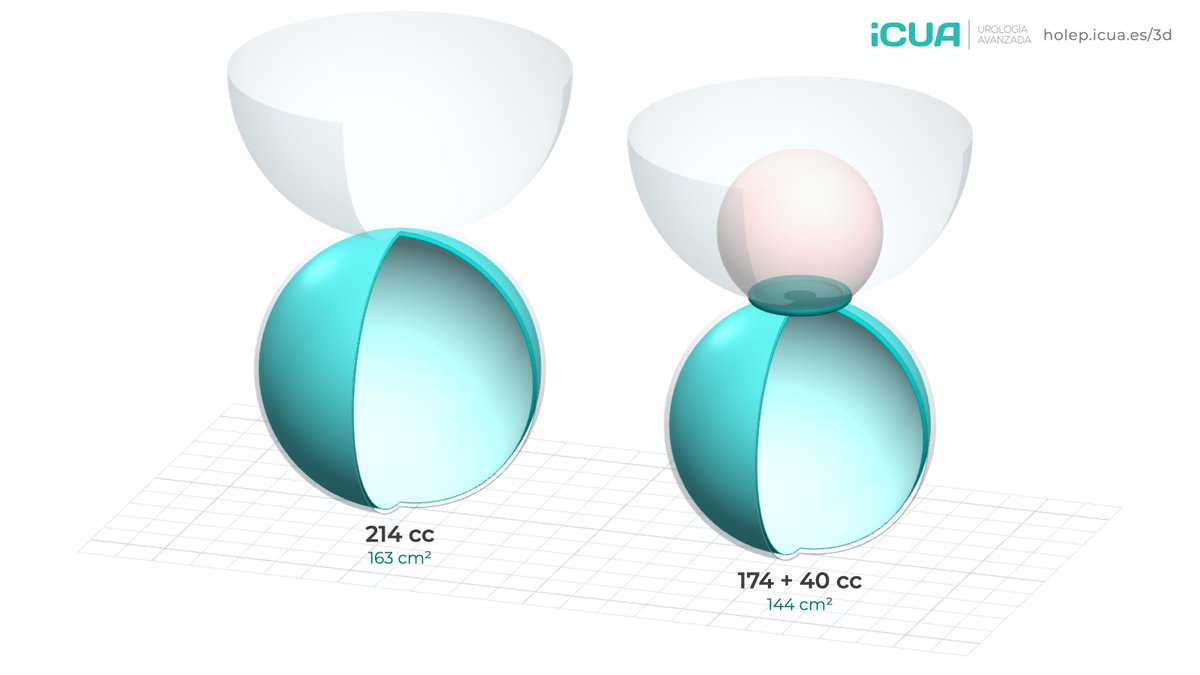
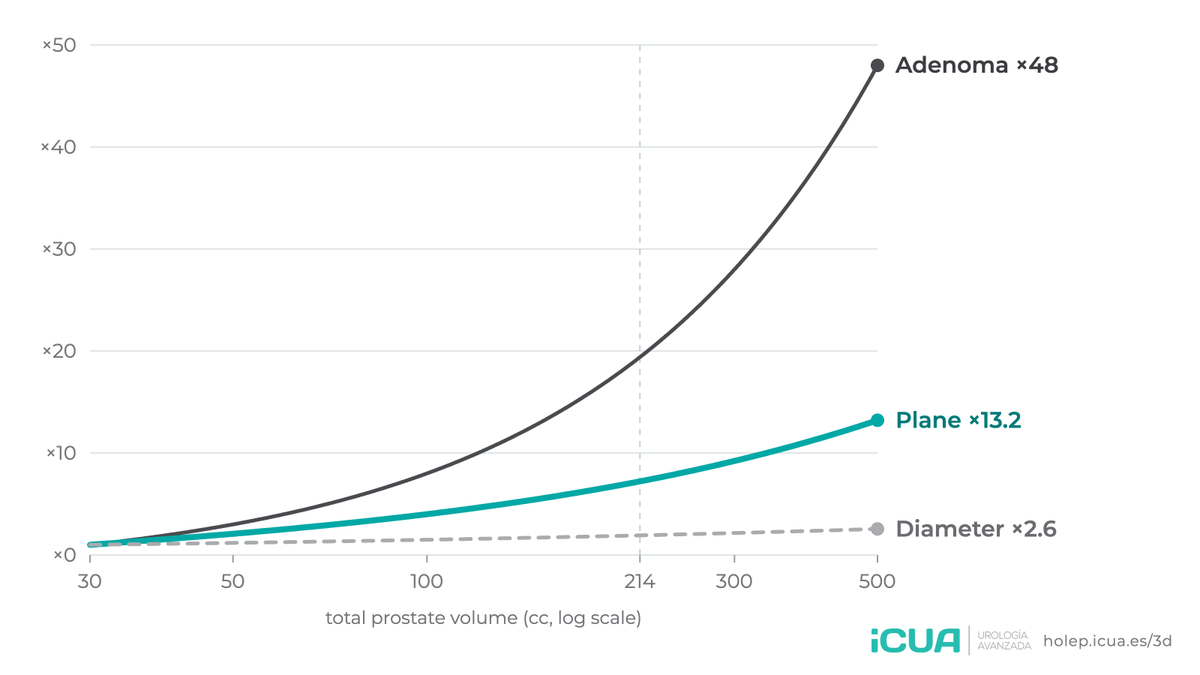
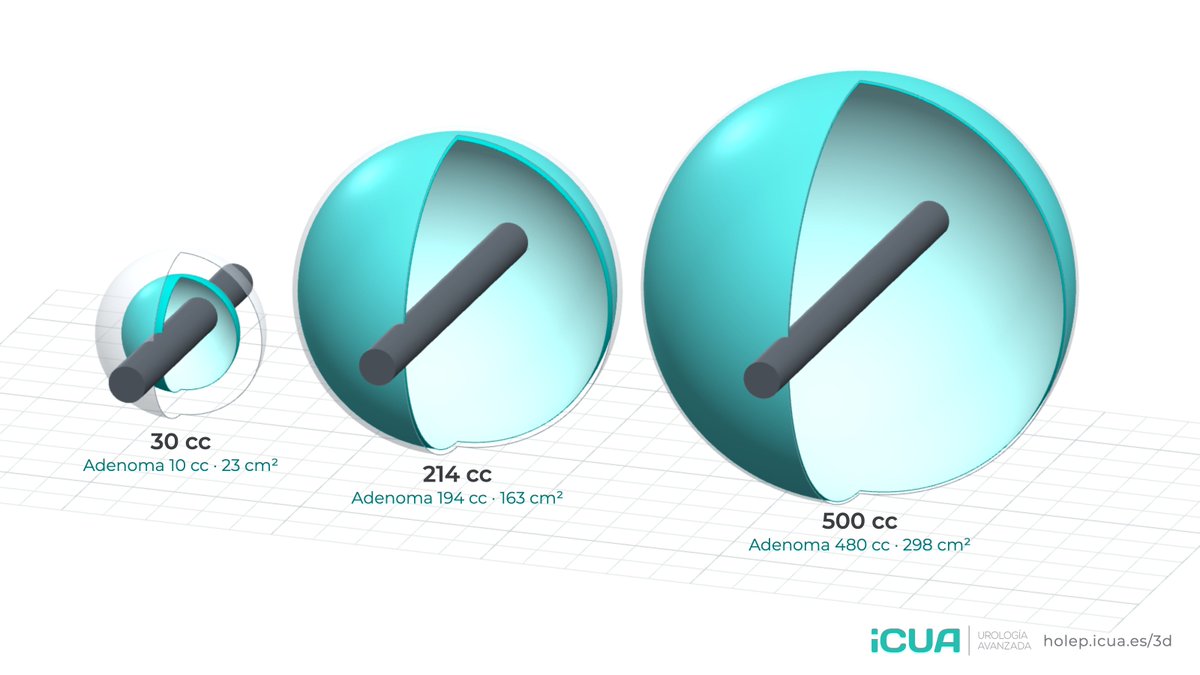
Why is HoLEP size-independent? Simple geometry.
From 30 to 500 cc we remove 48× more adenoma, but the enucleation plane grows only 13×. A median lobe adds only its base.
Interactive 3D model + free slides in 8 languages:
https://t.co/JBSZYYuVbo
#HoLEP#Urology
https://t.co/JBSZYYuVbo
#HoLEP #Urology
Pooled Incidental Prostate Cancer rate after endoscopic enucleation: 8%.
The number that matters is PSA kinetics: mean reduction of 82% in BPH vs 68.2% in IPCa.
https://t.co/M1NDSbEcuL
Prone vs Supine PCNL — think beyond “posterior calyx.”
In prone PCNL, access is predominantly through the posterior calyx, which usually lies closer to the horizontal access line.
In supine PCNL, we gain something valuable: flexibility to choose either an anterior or posterior calyx, depending on renal rotation and the shortest, straightest tract.
My practical decoding of renal anatomy:
In a Brödel-type kidney, the posterior calyces lie more horizontally and closer to the lateral convex border. They are therefore readily approachable within roughly ±15° of a straight horizontal tract.
In a Hodson-type kidney, the anterior calyces lie closer to this horizontal trajectory and may provide the more favorable access.
And an important geometric principle:
Enter through the more lateral calyx → easier alignment and navigation toward the medial calyces.
In supine PCNL, don’t choose anterior vs posterior by convention—choose the calyx that lies closest to your straight-line trajectory.
#SupinePCNL #PCNL #Endourology #Urolithiasis
When the ureteral orifices sit close to the bladder neck in a large, broad-based, congested prostate, visibility and traction can become challenging.
A useful HoLEP strategy: split the adenoma in two. Better visualization, less traction, and easier identification of the ureteral orifices.
This case: 120 cc prostate, urinary retention, and metastatic prostate cancer.
#HoLEP #Urology #Endourology #BPH #ProstateCancer