@originalproflle@PeterObi This is social media analysis, sadly it doesn’t work like this. Politics is LOCAL. Gov & Sen have 1 vote just like you do, but you as a person with one vote can deliver 20 based on your influence, not to talk of Gov & Senators. Social Media permutations is not the way to go 🛑
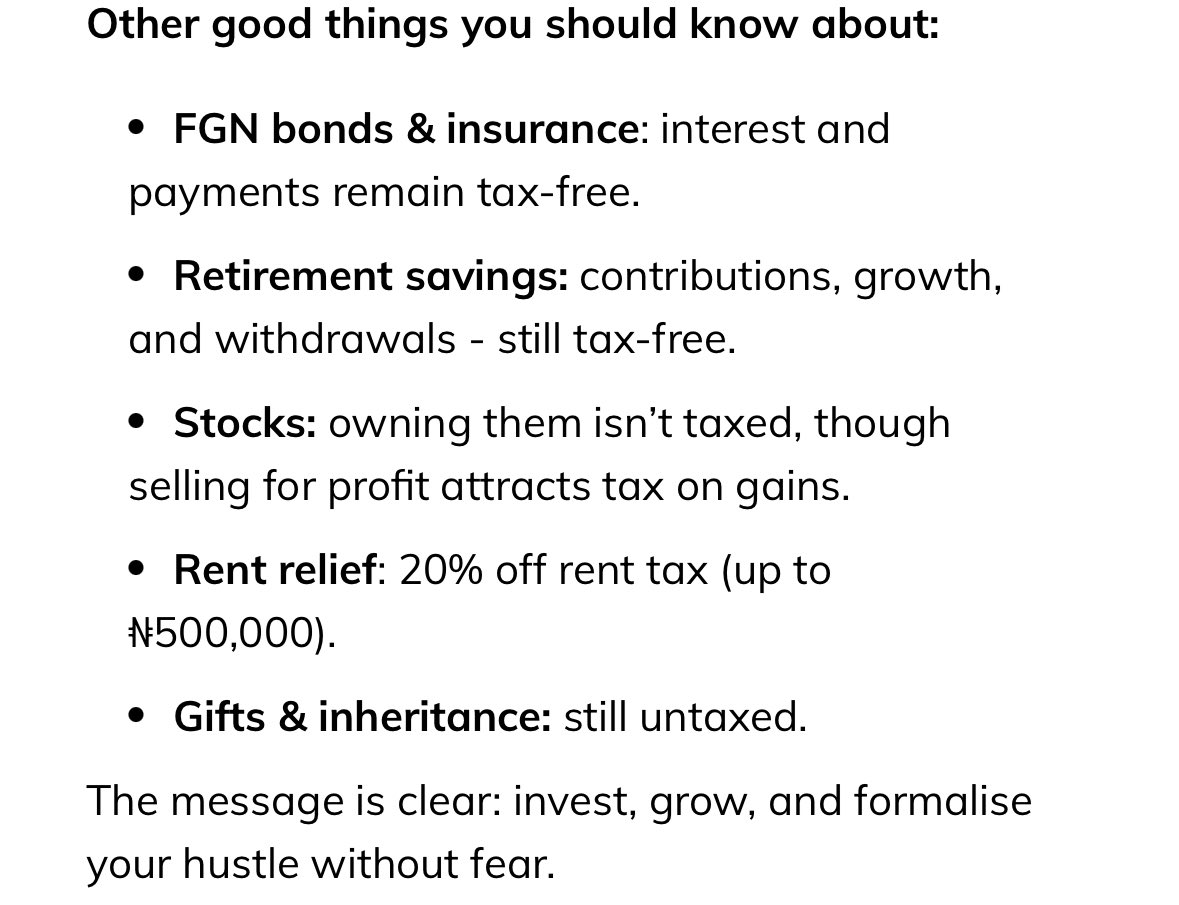
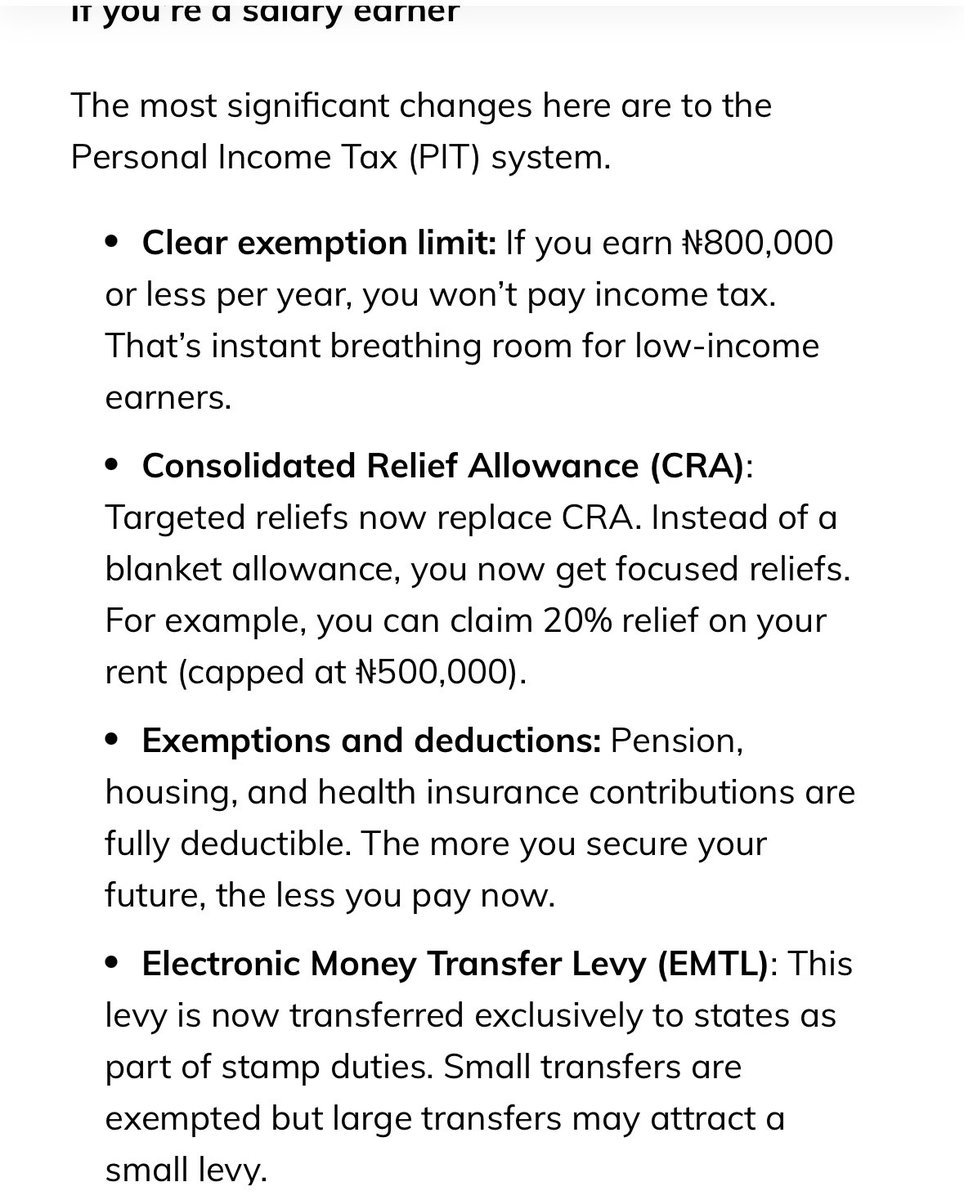
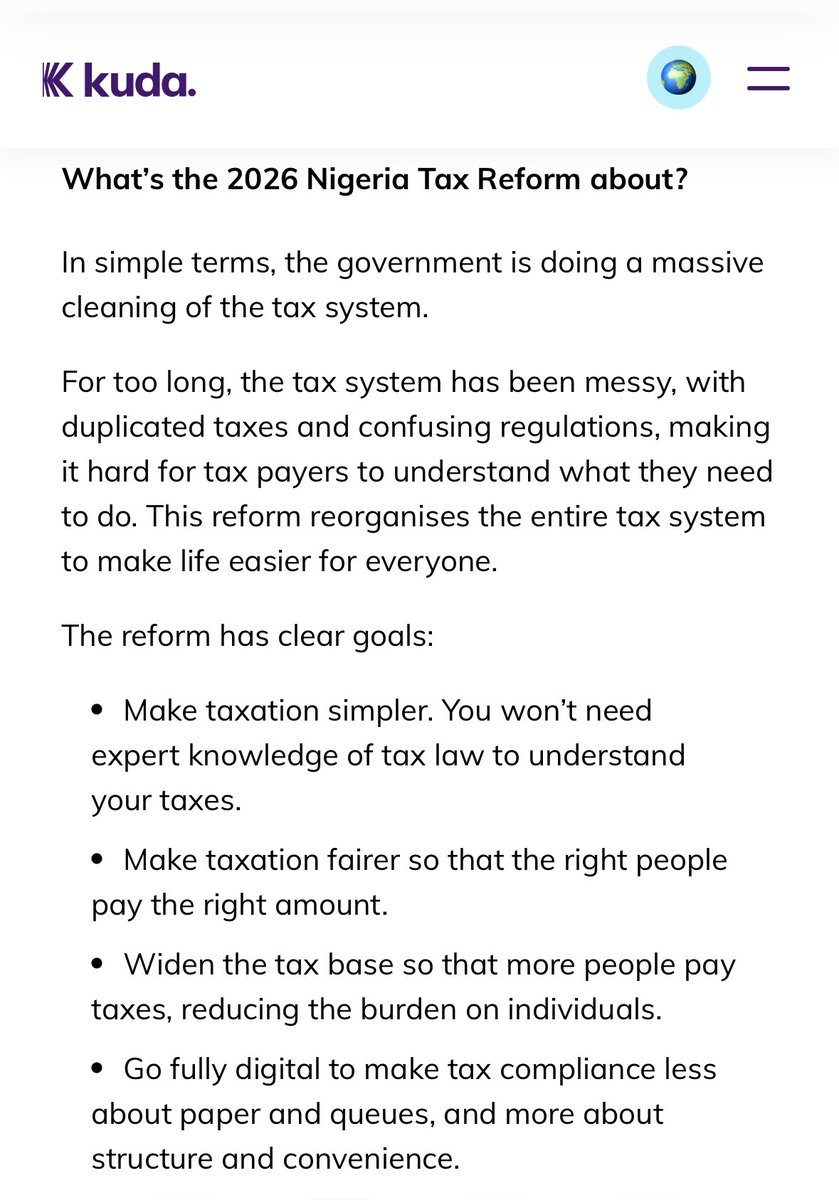
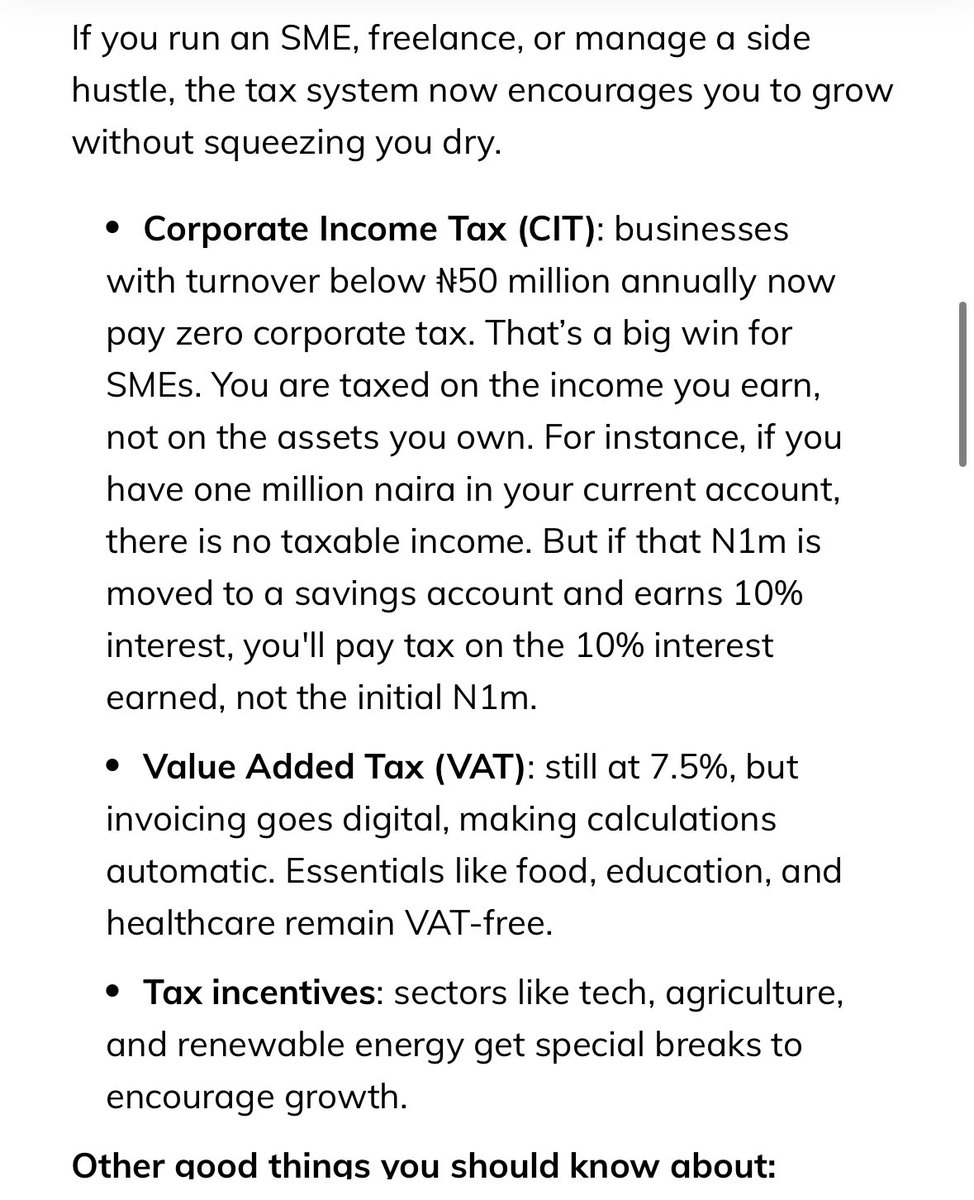
Kuda broke down the new tax law in 4 slides. If you actually read it, you’ll see there’s no need to panic. 😌
But let’s talk: which part is still confusing you? Reply, I’ll explain
𝐓𝐇𝐄 𝐍𝐄𝐖 𝐓𝐀𝐗 𝐋𝐀𝐖𝐒 𝐖𝐈𝐋𝐋 𝐇𝐄𝐋𝐏, 𝐍𝐎𝐓 𝐇𝐔𝐑𝐓 𝐀𝐈𝐑𝐋𝐈𝐍𝐄𝐒
We recognise the genuine challenges facing Nigeria’s aviation industry, particularly the burden of multiple taxes, levies, and regulatory charges. The Presidential Fiscal Policy and Tax Reforms Committee on behalf of the government has engaged extensively with airline operators and those engagements are ongoing.
Contrary to the claim that the new tax laws will hurt the industry, the reform is part of the solution, not the source of the problem. Several long-standing tax issues driving costs in the sector have been resolved in the new tax laws or are being structurally addressed including:
1. 𝐖𝐢𝐭𝐡𝐡𝐨𝐥𝐝𝐢𝐧𝐠 𝐓𝐚𝐱 𝐨𝐧 𝐀𝐢𝐫𝐜𝐫𝐚𝐟𝐭 𝐋𝐞𝐚𝐬𝐞𝐬
The single biggest tax burden on airlines has been the 10 percent withholding tax (WHT) on aircraft leases under the existing law. This has now been removed and replaced with a rate to be determined in a regulation, creating the legal basis for either a full exemption or a significantly lower rate.
To put this in context, on a $50 million aircraft lease, an airline currently pays $5 million in WHT, which is non-recoverable and therefore directly increases operating costs and strains cash flow. Eliminating this burden is a major structural relief for the sector.
2. 𝐕𝐀𝐓 - 𝐅𝐫𝐨𝐦 𝐇𝐢𝐝𝐝𝐞𝐧 𝐂𝐨𝐬𝐭 𝐭𝐨 𝐓𝐫𝐮𝐞 𝐍𝐞𝐮𝐭𝐫𝐚𝐥𝐢𝐭𝐲
While the temporary VAT suspension introduced in 2020 following COVID-19 was attractive, it came with a hidden cost. Airlines could not recover input VAT on non-exempt items including certain assets, consumables, and overheads, meaning VAT became embedded in costs.
Under the new tax laws, airlines become fully VAT-neutral. Any VAT paid on imported or locally procured assets, consumables, and services will become fully claimable. Where an airline has excess input VAT, the law mandates a refund within 30 days, supported by a fully funded tax refund account and the option to offset VAT credits against other tax liabilities. This directly reduces cost pressure and improves liquidity.
3. 𝐈𝐦𝐩𝐨𝐫𝐭 𝐃𝐮𝐭𝐢𝐞𝐬
Existing exemptions on commercial aircraft, engines, and spare parts remain fully in place. There is no reversal or new burden introduced under the tax reforms.
4. 𝐈𝐦𝐩𝐚𝐜𝐭 𝐨𝐧 𝐓𝐢𝐜𝐤𝐞𝐭 𝐏𝐫𝐢𝐜𝐞𝐬
Airline operations are inherently low-margin. A 7.5 percent VAT on tickets, within a system where input VAT is fully recoverable, results in a significantly lower net impact than the headline rate suggests. Even in a worst-case scenario where VAT were not claimable, the maximum impact would still be 7.5 percent, not the price increases being suggested. That is, a N125,000 ticket becomes not more than N134,375 and a N350,000 ticket not more than N376,250.
5. 𝐂𝐨𝐫𝐩𝐨𝐫𝐚𝐭𝐞 𝐈𝐧𝐜𝐨𝐦𝐞 𝐓𝐚𝐱 (𝐂𝐈𝐓)
The new law provides a framework to reduce corporate income tax from 30 percent to 25 percent which will benefit airlines. In addition, several earmarked profit-based levies including Tertiary Education Tax, NASENI, NITDA and Police levies have been harmonised into a single Development levy, reducing complexity and ensuring certainty.
6. 𝐌𝐮𝐥𝐭𝐢𝐩𝐥𝐞 𝐋𝐞𝐯𝐢𝐞𝐬 𝐚𝐧𝐝 𝐂𝐡𝐚𝐫𝐠𝐞𝐬
The multiplicity of levies imposed on airlines and flight tickets is real, but these charges are not created by the new tax laws. It is therefore incorrect to attribute them to the reform. The government is actively working with operators and relevant agencies to achieve a lasting solution. Importantly, the tax harmonisation provisions in the new laws mean the situation can only improve, not worsen, from 2026.
𝐂𝐨𝐧𝐜𝐥𝐮𝐬𝐢𝐨𝐧
Overall, the new tax laws provide a strong legal and policy framework to resolve the long-standing tax challenges in the aviation sector, reduce operating costs for airlines, and ensure minimal impact on passengers.
If the current engagement with industry stakeholders is sustained, the remaining non-tax issues will be resolved sooner rather than later. Claims not grounded in fact do not help this process. The new tax laws are not the problem, they are a critical part of the solution.
- 𝑷𝒓𝒆𝒔𝒊𝒅𝒆𝒏𝒕𝒊𝒂𝒍 𝑭𝒊𝒔𝒄𝒂𝒍 𝑷𝒐𝒍𝒊𝒄𝒚 𝒂𝒏𝒅 𝑻𝒂𝒙 𝑹𝒆𝒇𝒐𝒓𝒎𝒔 𝑪𝒐𝒎𝒎𝒊𝒕𝒕𝒆𝒆
@afrisagacity Honest question, can ADC handle multiple presidential ambitions without internal crisis, or are we watching a PDP 2023 replay in slow motion?
@taiwoyedele Merry Christmas and kudos to you @taiwoyedele and your team for the solid work on Nigeria’s tax reform policies. Thoughtful, pragmatic, and growth-oriented reforms like these are critical for building a more sustainable economy. Well done 👏🇳🇬
@popsidem@Morris_Monye Indirect effects exist, but that doesn’t mean the policy taxes the poor. Prices rise for many reasons. The reforms raise exemptions, protect low-income earners, and focus on compliance at the top. The issue to debate is enforcement and use of revenue, not mislabeling the law.
@ruffydfire Because an apple a day keeps the doctor away. But what if Helen doesn’t like apple or the apples get bad 🙆🏿♂️, Helen will be sleeping at (with) the doctor’s 🤣
I think General Christopher Musa is a solid choice for Defence Minister.
His deep operational experience, recent leadership as CDS, and clear understanding of Nigeria’s security realities make him well positioned to bring stability and strategic direction in this critical time.
@HighChiefOkoro Rufai and Seun are both solid journalists..just very different in style. Rufai brings sharp, confrontational accountability, while Seun takes a calmer, more analytical approach. Journalism doesn’t have to be one size fits all. Both add value in their own lanes.
@engrICO2015 Let’s be honest, Tinubu’s path to victory didn’t depend on the SE in 2023 (5.8% in SE) and it won’t in 2027 either. If anything, focus on judicial and electoral reform could be the real deal. But for 2027, with zero knowledgeable opposition, it’s a done deal 🤷🏿♂️ .. sorry
@ARISEtv He said Peter Obi’s candidate was not on the ballot, PO is supporting the Nenadi faction of LP. Then why did PO campaign for George Moghalu and why did Yunusa Tanko and his team set up a situation room? This is a mess 🤷🏿♂️.. yet people say PO has strategy for 2027 😂OTL