Today, we join all Rwandans in celebrating the resilience, courage, and unity that define our nation's journey.
As Rwanda marks 32 years of Liberation, we remain committed to advancing justice, the rule of law, and equal access to justice for all.
Happy Liberation Day
The 5th Cohort of 50 judges has started a 5-day training on Plea Bargaining & Victim–Offender Mediation, sharpening practical skills to advance fair, timely, & #Restorativejustice. We are committed to translating Rwanda’s #ADR & Criminal Justice Policies into effective practice
Our Executive Director and staff attended a capacity-building training in Kayonza District on the Practical Application of UN Standards and Norms in Rwanda Correctional Facilities, organized by @ArdhoRwanda in partnership with @UNHumanRights and @RCS_Rwanda. The training is aimed at strengthening the capacity of RCS staff to apply UN standards and norms in the daily management and treatment of detainees.
During the training, ED delivered sessions on the Bill of Rights under the Constitution of Rwanda and the treatment of women prisoners and non-custodial measures for women offenders, and special categories of persons deprived of liberty, including juveniles, and foreign nationals
Who Pays for Justice? Reflections on social justice, accountability, and public responsibility
A few days ago, i was approached by a relative of an elderly citizen whose property was expropriated and demolished, yet he has still not received compensation. As I continue to follow up on the case, seeking to understand both the citizen's concerns and the perspective of the responsible institutions, I found myself reflecting on a much bigger question.
At around 4 a.m, while reviewing my notes in the reading room, my daughter, who is also an early bird, walked in and found me writing. She looked at me curiously and asked, "Daddy, every day I see you writing at these hours. Who do you write for? Why do you always write in the morning? And who pays you?"
The last question stayed with me. Who pays you?
It made me think about the broader work of social justice, human rights, and public interest advocacy. Why should development partners support us to address social injustices in our own communities? Why can't we, as a society, invest more of our own resources into protecting rights, promoting accountability, and ensuring access to justice? Why can't more of our private sector support social justice initiatives?
Ironically, when businesses encounter regulatory challenges, disputes, or administrative injustices, many turn to lawyers, human rights defenders, and civil society organizations for support. Yet the same sector rarely sees social justice work as something worth investing in before a crisis arises.
This week alone reminded me why this work matters.
A former staff member asked me to help his brother, a university graduate who has worked for five months without receiving a salary. My sister, who works for a large hotel, has gone three months without pay, and I have found myself helping with transport costs just so she can continue reporting to work. I recently visited a colleague in prison who does not know when he will next appear before a court. And now there is the case of the elderly man whose home was demolished and who is still waiting for compensation. These are not isolated incidents. They are reminders that social justice is not an abstract concept discussed in conference rooms. It affects real people, real families, and real livelihoods.
When media organizations say they need funding, many people often struggle to understand why. Yet good journalism requires resources. Reporters must travel, verify information, interview multiple sources, gather evidence, and engage all relevant parties before publishing a story. Producing accurate, balanced, and credible reporting takes both time and money.
The same is true for social justice work. Addressing injustice is not simply about making statements on social media. It requires meeting affected citizens, travelling to communities, reviewing documents, engaging duty bearers, seeking different perspectives, and following up until facts are established. All of this comes at a cost.
In the case of the elderly man whose property was demolished, i drove to see the site myself. I have spent time reviewing documents, speaking with those affected, and seeking meetings with responsible institutions because fairness requires hearing all sides before reaching conclusions. These engagements often happen in offices, community meetings, and sometimes even over a cup of coffee with those responsible for making decisions.
Social justice, like journalism, serves the public interest. Both seek facts. Both promote accountability. Both give voice to citizens whose concerns might otherwise go unheard. And both require resources if they are to be effective.
That is why we need a broader national strategy on how to support public interest work. If we value justice, accountability, transparency, and citizen participation, then we must also recognize that the work required to advance these values cannot rely solely on goodwill. It requires investment from society itself.
The experience has strengthened my conviction that Rwanda needs stronger local investment in social justice and the rule of law. We cannot rely indefinitely on external support to finance efforts that ultimately benefit our own society.
That is why i am establishing a Social Justice Unit and will soon advertise opportunities for fellows willing to provide pro bono services. I also intend to reach out to well-wishers, businesses, and members of the private sector who believe that justice, accountability, and human dignity are public goods worth supporting.
The story of the elderly man is still unfolding. I am still listening, still gathering facts, and still engaging the relevant institutions. But one lesson is already clear; if we want a society governed by fairness, dignity, and the rule of law, we must be willing to invest in it ourselves.
Great match between Visit Rwanda partner teams @Atleti and @Arsenal.
Congratulations to Arsenal FC on the win and qualification for the UEFA Champions League Final. May the best #VisitRwanda partner team win!
Justice doesn’t stop at sentencing. In Rwanda, plea bargaining is helping reduce case backlogs and prison overcrowding.
Click here to read more on how we are contributing to these efforts through mobile legal aid clinics in correctional facilities.
🔗https://t.co/1O0zc38YeL
Well done to #VisitRwanda partner @Arsenal for qualifying for the UEFA Champions League semi-finals tonight! Look forward to cheering you on during the next stage!
Journalists must uphold integrity, truth, and public trust in all their work.
Blackmail is a criminal offence under the Rwanda Penal Code (Law Nº68/2018).
It involves threatening to expose or share damaging information to force someone into action.
This includes demanding money, signatures, or decisions through pressure or threats.
Such actions damage both the victim’s dignity and the credibility of journalism.
The law is clear: anyone found guilty of blackmail faces imprisonment of 1 to 3 years and fines.
If threats are carried out, the penalty increases to 3 to 5 years in prison and higher fines.
Journalism is not a tool for intimidation or personal gain.
It is a profession rooted in ethics, responsibility, and accountability.
Let us remember: reporting is powerful, but it must never become coercion.
Respect the law. Protect your profession. Uphold ethical journalism.
Proud to see three #VisitRwanda partners qualifying for the UEFA Champions League semi-finals! The performances of @Atleti, @Arsenal and @PSG_inside have shown consistency, excellence and resolve, and we look forward to the games ahead!
Through the presentations and panel discussion, several key insights were shared:
Framing the conversation, our ED presented an overview of media-related UPR recommendations across Rwanda’s four review cycles, highlighting increasing acceptance of and engagement with recommendations over time, alongside areas where implementation has progressed. He also outlined persistent gaps, including ongoing legal and regulatory constraints, emerging challenges in the digital space, and other barriers that continue to affect media freedom and access to information.
In his presentation, Mugisha Emmanuel, Executive Secretary of @RMC_Rwanda, reflected on the evolution of Rwanda’s media framework, noting that the 2011 Media Policy was instrumental in promoting professionalism, ethics, self-regulation, and access to information in the post-1994 context. However, he emphasized that current realities, including digital transformation, misinformation, and sustainability challenges, now require a more comprehensive and updated policy framework.
The panel discussion that followed reinforced these points, with a clear emphasis on the urgency of adopting the revised media policy, as it is envisioned to inform revisions to media-related legislation and institutional frameworks. Panelists also highlighted the need for continued capacity building of journalists and the development of sustainable financing models.
Panelists further stressed that any progress must remain anchored in ethical journalism, inclusion, and the need to safeguard the independence of the media.
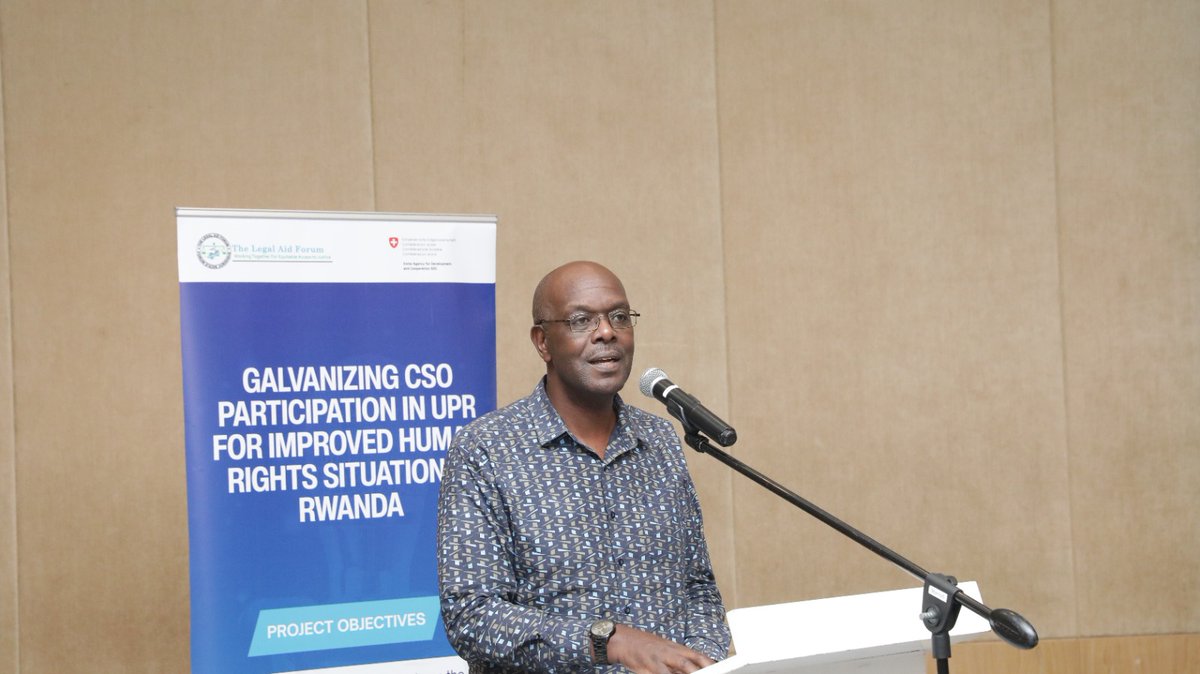
#HappeningNow We are convening a roundtable discussion on UPR recommendations relating to Rwanda’s Media Sector. Together with journalists, government representatives, civil society organizations, and development partners, we are taking a critical look at progress made across UPR cycles (2011–2026), examining gains, where gaps persist, and why.
Some key points coming through in the opening session :
Our Executive Director reminded us that media freedom and access to information are not optional; they are essential to human rights and democratic governance, and we must ensure journalists can operate in an enabling environment.
Michael Ngabirano, senior human rights adviser in OHCHR, noted that the UPR mechanism is often underused by the media fraternity, a senior human rights adviser at OHCHR, noted that the UPR mechanism is often underused by the media fraternity and called on journalists to engage with it more and called on journalists to engage with it actively.
Annonciate Ndikumasabo, representing the Embassy of Switzerland, emphasized that the UPR remains a strong and relevant UN mechanism, and she reaffirmed the Embassy’s continued support for its implementation.
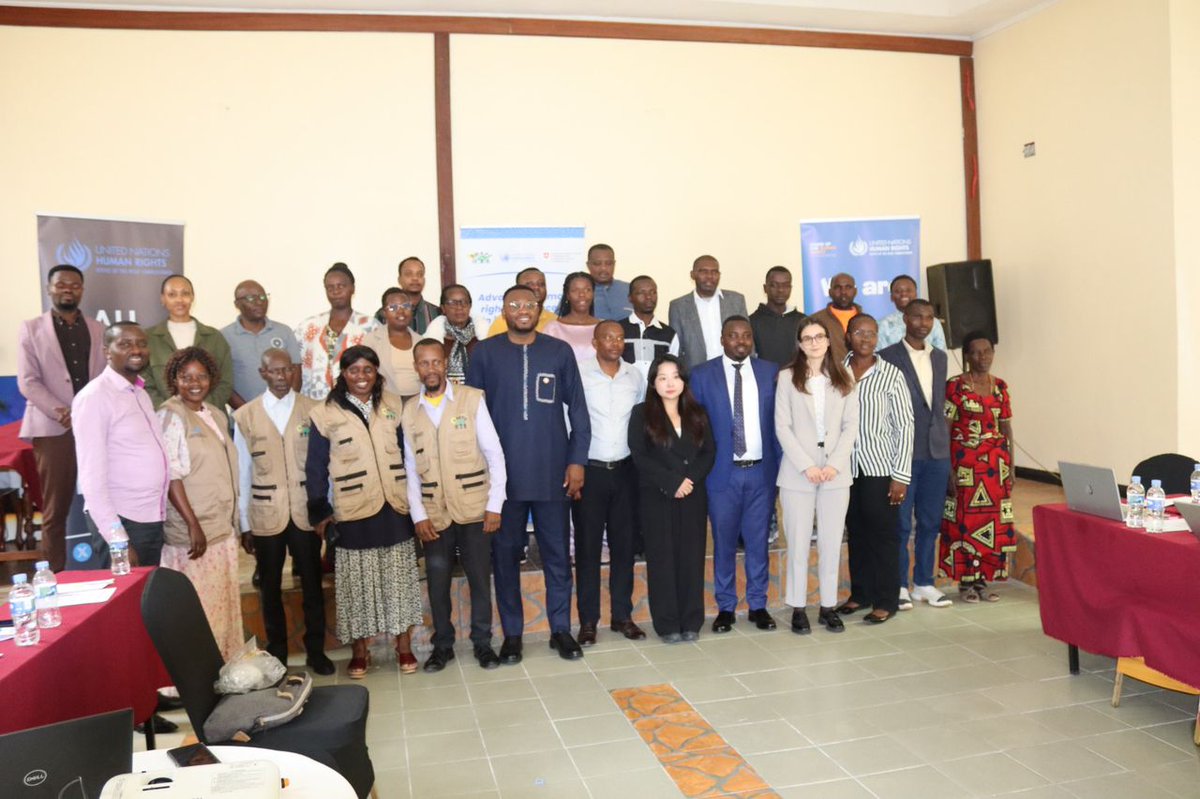
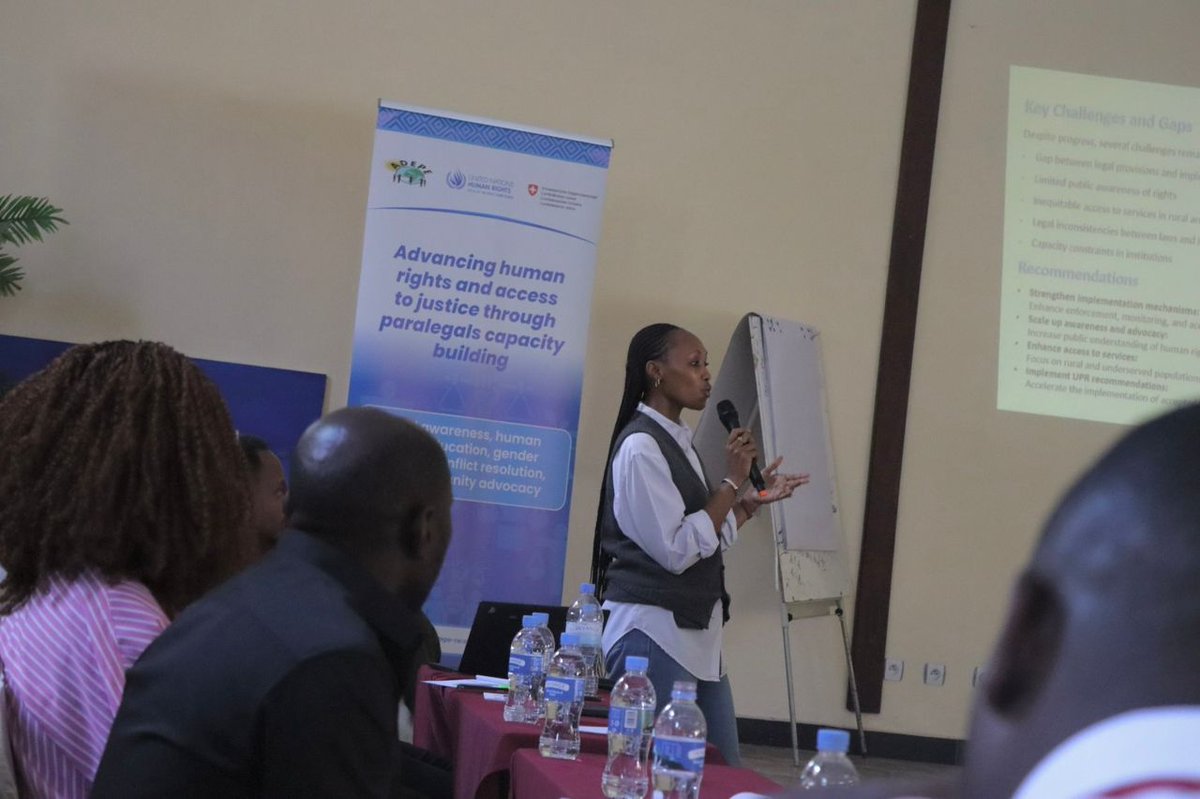
Happening in Rubavu! Our team has just concluded a 2-day training for community-based paralegals of our member organization @adepe_rwanda under the theme “Strengthening Community Paralegals to Advance Human Rights.”
The training aimed to strengthen their capacity to advance access to justice by reinforcing their understanding of their roles and responsibilities, alongside key principles of professional conduct, ethics, and confidentiality in paralegal practice, as well as practical skills in mediation to support the effective handling of disputes at the community level.
Furthermore, the sessions provided updates on human rights frameworks in Rwanda, as well as key thematic areas including gender-based violence, child protection, and disability inclusion, while also strengthening paralegals’ capacity to document cases, navigate referral pathways, and conduct legal education. These efforts were designed to ensure that paralegals are adequately equipped to respond to the realities they encounter in the communities they serve.
Did you know?
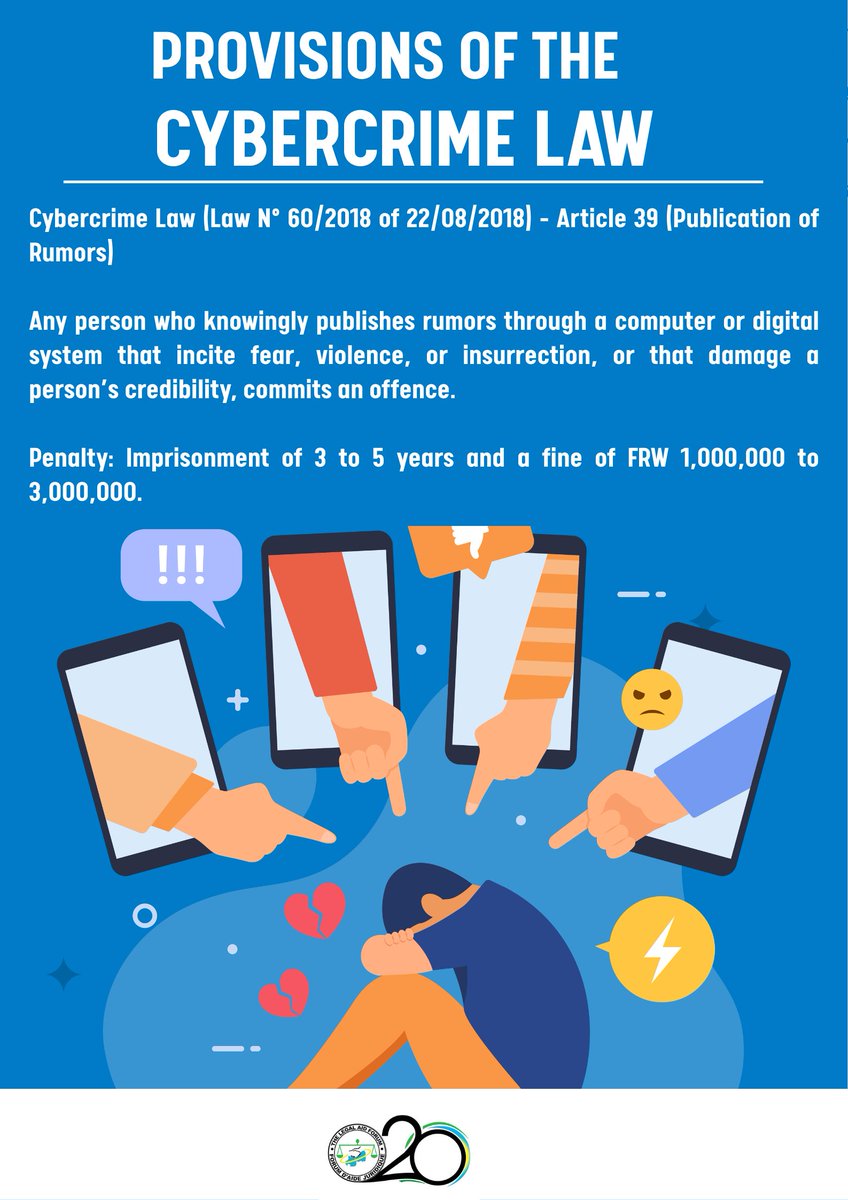
Freedom of expression in Rwanda is guaranteed by law, but it is not absolute. Sharing false or misleading information, especially online, can be a criminal offence.
Cybercrime and Penal Code laws punish spreading rumours, misinformation, or harmful propaganda.
Penalties include imprisonment from 1 year up to life, and fines of up to millions of Rwandan francs.
Media professionals and the public are urged to exercise their right to expression responsibly.
Ubu dufite itegeko rishya (N° 014/2026 ryo ku wa 06/03/2026) rigenga ikoreshwa ry’umuhanda. Ryasohotse mu igazeti ya Leta ejo hashize tariki ya 10/03/2026, bivuze ko ubu ari ryo riri gukurikizwa. https://t.co/W6ZcekFceE
We were pleased to host @LoWakie from our partner @MottFoundation during their visit to Rwanda.
The visit provided an opportunity for strategic reflection on progress achieved over the past year and to discuss priorities for the period ahead. Since 2019, @MottFoundation has supported us in efforts to scale up grassroots legal empowerment in Rwanda, particularly by strengthening the capacity of community-based paralegals who expand access to justice for vulnerable communities.
We value this continued collaboration and shared commitment to advancing community-driven justice solutions.
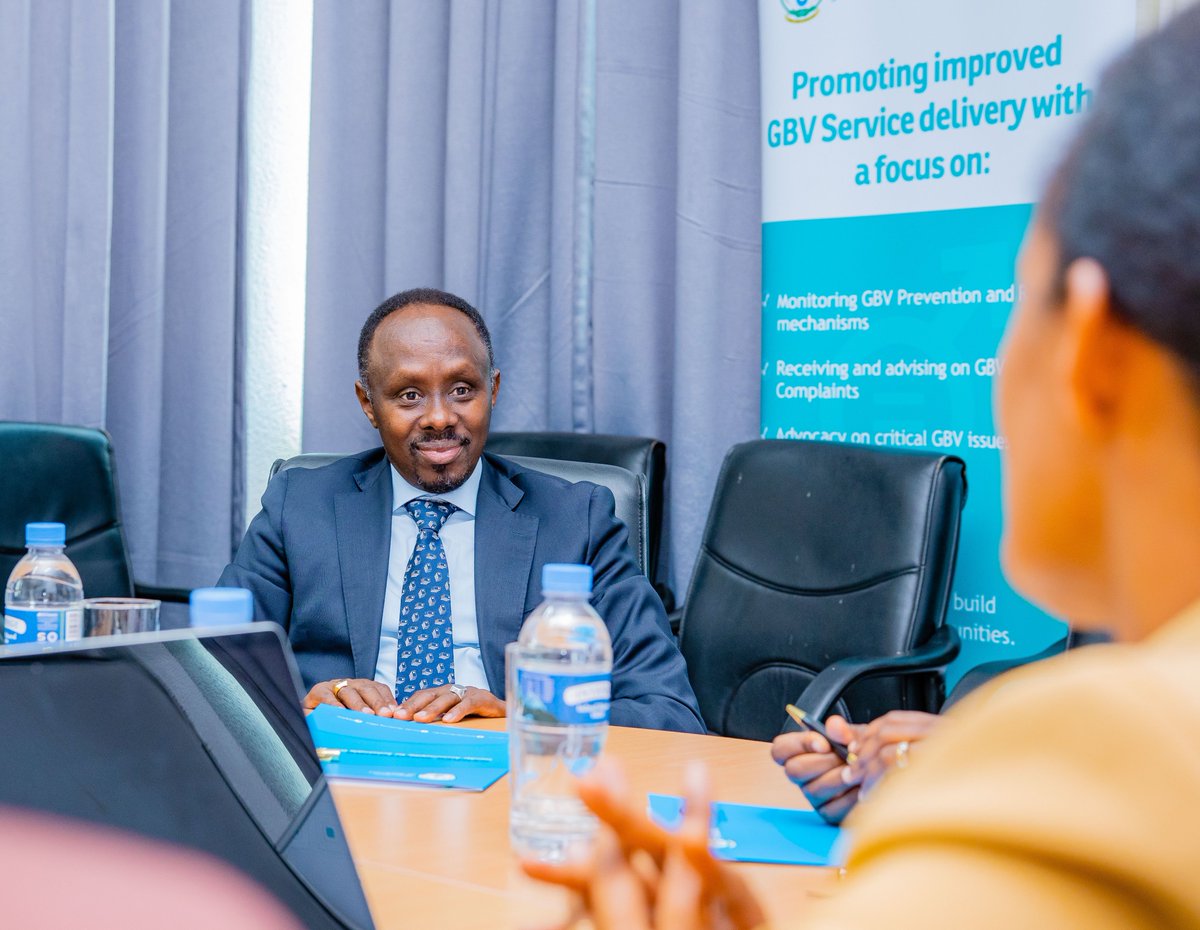
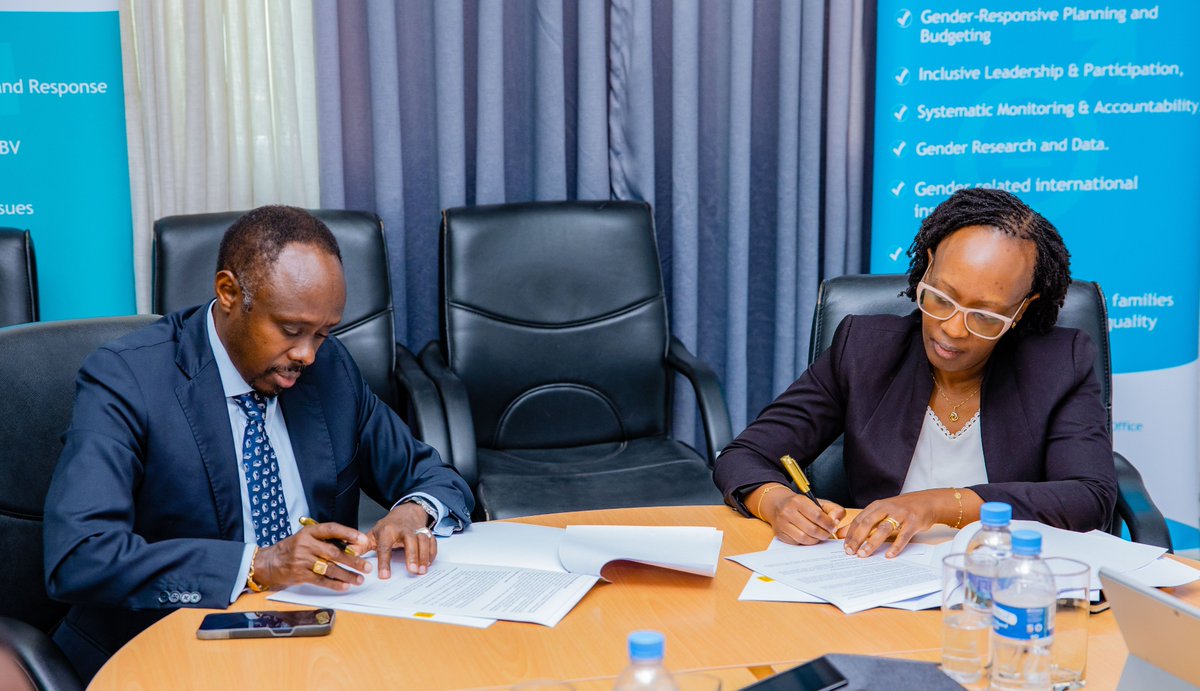
#PartneringForJustice: Today, we reaffirmed our long-standing partnership with the @GenderMonitorRw Office by signing a new 5-year MoU to advance gender equality, strengthen the rule of law, and expand access to justice for women and girls in Rwanda.
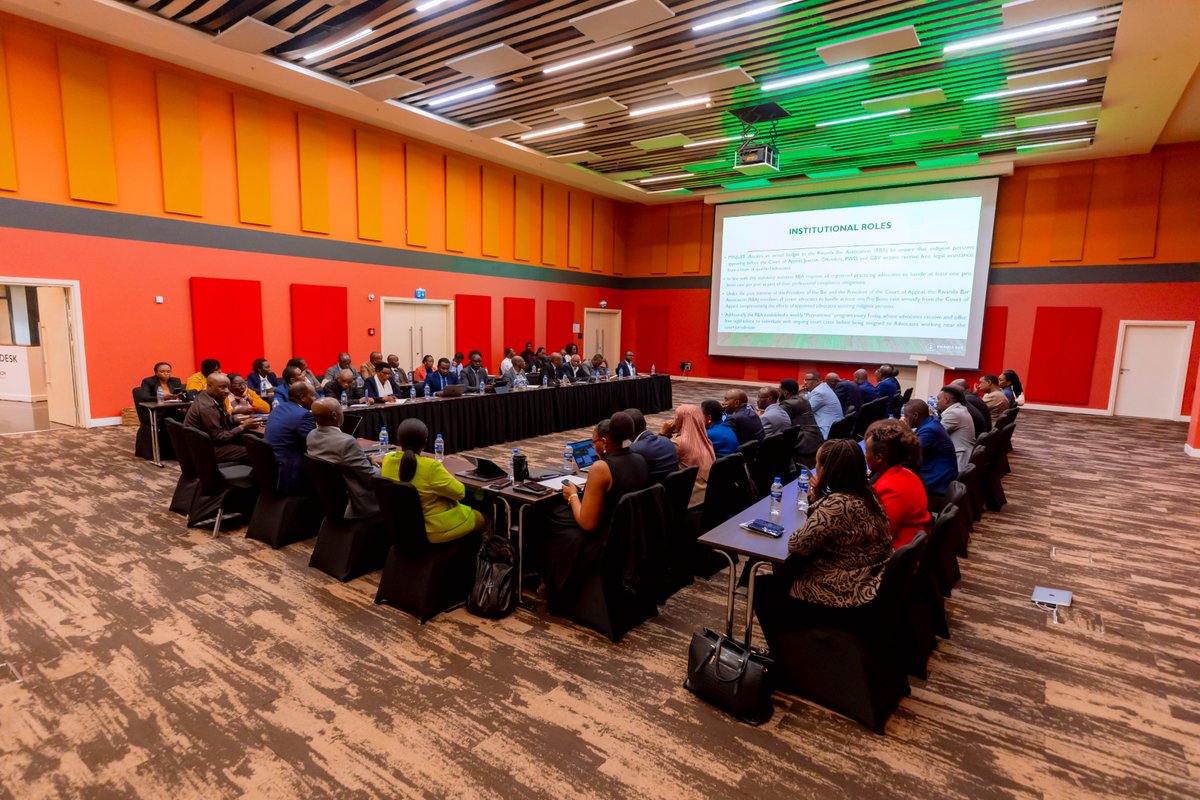
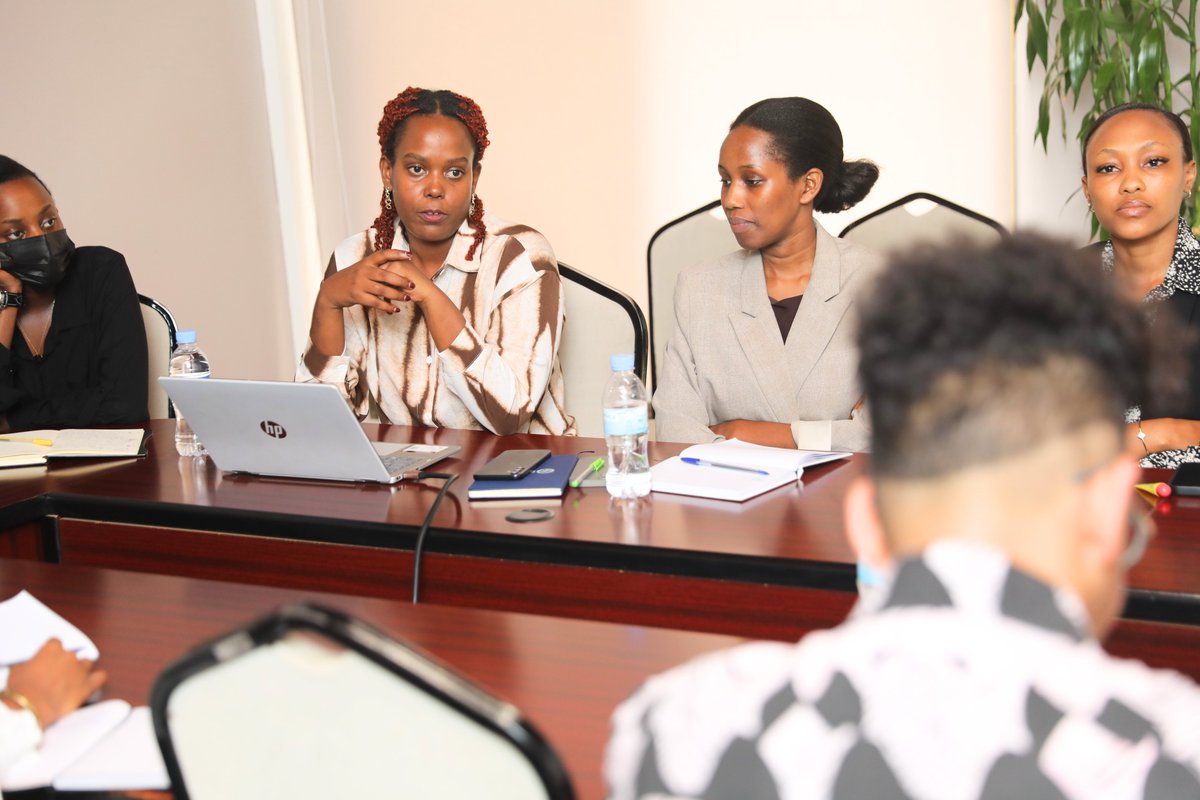
Happening Now, together with @Rwanda_Bar, in partnership with @a4id and with support from the Clifford Chance Foundation, is participating in a consultative meeting to strengthen pro bono and legal aid services in Rwanda.