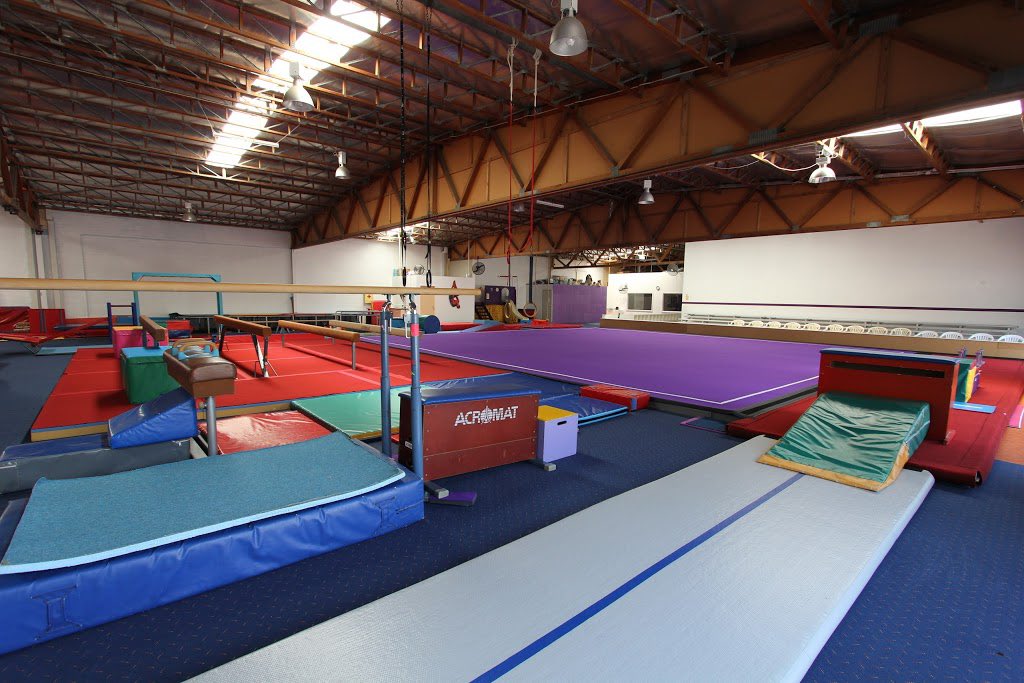
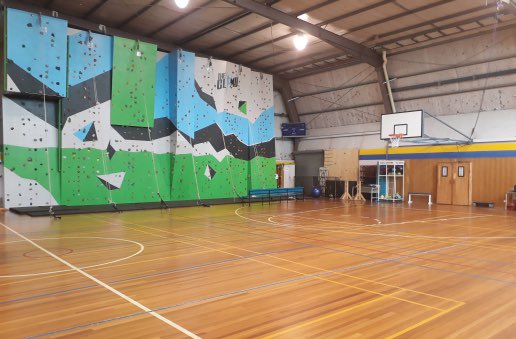
Australia's Physical Activity and Sedentary Behaviour Guidelines recommends at least 60 minutes of moderate to vigorous exercise per day for children aged 5-12 years. What community assets could you use to help your students live physically active lifestyles? #EDUC4750#UoNTeach
@MaddyPietras That is great to hear, Maddy! Are there any specific benefits (such as the collaborative aspect of Twitter) that has personally facilitated your professional development on Twitter?
I agree, collaboration is multiplication! In Carpenter & Krutka (2014), the main #PD benefit teachers found from using Twitter was communication. Thanks to my fellow educators on Twitter, I have been able to find a variety of excellent #SDG-focused resources! #UoNTeach#EDUC4750
Votruba & Thornicroft (2016) argue that mental health is a priority for global development because it interlinks with other #SDGs that address poverty, universal health coverage, work and economic growth, equity, peace, and justice. Do you agree? #SDG3#EDUC4750#UoNTeach
@AISNSWWellbeing @BeYouSecondary @BeYouPrimary Bronfenbrenner’s ecological model
perfectly encapsulates why it's important to
promote good health and well-being in the
community. A healthy external environment can lead to a healthy individual! #SDG3
@Hollie_Segalla I really like how this model shows that everyone is aiming towards this common goal! I agree that #foodsecurity is everyone’s business and thanks to Bronfenbrenner’s ecological systems theory, can say the same for mental health and well-being!
@Ms_Bambach I love this idea too! The best part about using a check-in station is that it allows students to communicate their feelings in a clear and non-confrontational manner. Thank you very much for sharing @Ms_Bambach!
Global competence is defined in Mansilla & Jackson (2011) as the capacity to understand and act on issues of global significance. With this definition in mind, we can understand why developing global competence is important when targeting the #SDGs. #UoNTeach#EDUC4750
@TeachMrKirton Thanks for sharing @TeachMrKirton! I love how this resource provides activities from Early Childhood Education up to Secondary Education. It shows us that students of all ages can promote the #SDGs!
@MaddyPietras Thanks for sharing @MaddyPietras! I’ve read Josh and Christi Straub’s ‘What Am I Feeling?’ before and found it to be an excellent way to help the reader understand their feelings. I will have to check out the other three books you recommended!
@MaddyPietras Definitely! Accomodating knowledge from the local community will only expand my pedagogical knowledge, allowing me to grow as a teacher. When I benefit from the local community, the students will benefit too!
@MaddyPietras#SDG3 has been an absolutely fantastic hashtag for myself as well! It is awesome to see the variety of relevant resources our fellow educators have shared!
Hashtags can be an excellent educational tool for a variety of purposes. The hashtags #EDUC4750 and #UoNTeach give us access to a virtual space where we can share relevant questions, ideas and resources. What are some hashtags that you have used? Have they been helpful for you?
Something notable about @aitsl standard 4 is that by creating a safe and supportive learning environment, you are also promoting good health and well-being in your students. How do you feel when you are in a safe and supportive environment? #SDG3#UoNTeach#EDUC4750
@DanaHolz10 Thanks for sharing @DanaHolz10! On top of it being a great way to map out a unit of work, I have found Bloom’s Taxonomy to be a highly effective tool for differentiation!
@EllenRae19@MaddyPietras I agree with this and I’d even argue that #SDG1 is a mental health concern as well. More than 80 per cent of people with mental illnesses live in low and middle income countries and roughly 80 per cent of these people receive no mental health treatment (Dybdahl & Lien, 2018).