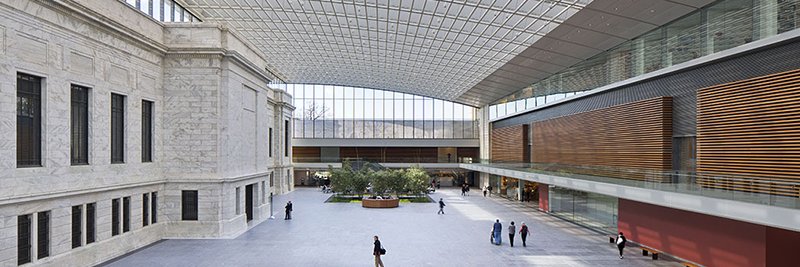
All I want for Christmas is for the @GCRTA Blue Line to connect @Shakersquare to University Circle @inthecircle & the Cleveland Clinic via light rail subway. Adelbert Rd alignment best serves @cwru & University Hospital. Car-free/light connection from housing to jobs & services!
I know it’s become pretty cliche and cringey to talk about at this point but if you’re under like 25 I cannot stress enough how one time Obama wore a tan suit and people spent a week arguing over whether or not it was demeaning to the Oval Office and they were serious about it.
Guy walks into a store to buy a $50 shirt. Gives the cashier $25 and walks out with the shirt. "I paid for this!"
That's the modern American when it comes to car infrastructure.
People are forced to contribute to the Motordom Wealth Distribution Plan because user fees only cover about half of car infrastructure. Taxpayers who drive 15k miles a year, 5k miles a year, or 5 miles a year are forced to chip in.
It's so normalized that we get enraged at the thought of paying $50 for the $50 shirt.
It's interesting that the standard response to pointing out this financial mess is "oh so you want to ban cars" or "oh so you think packages just appear without roads." No and no, I think it's worth talking about the financial mess we're all in.
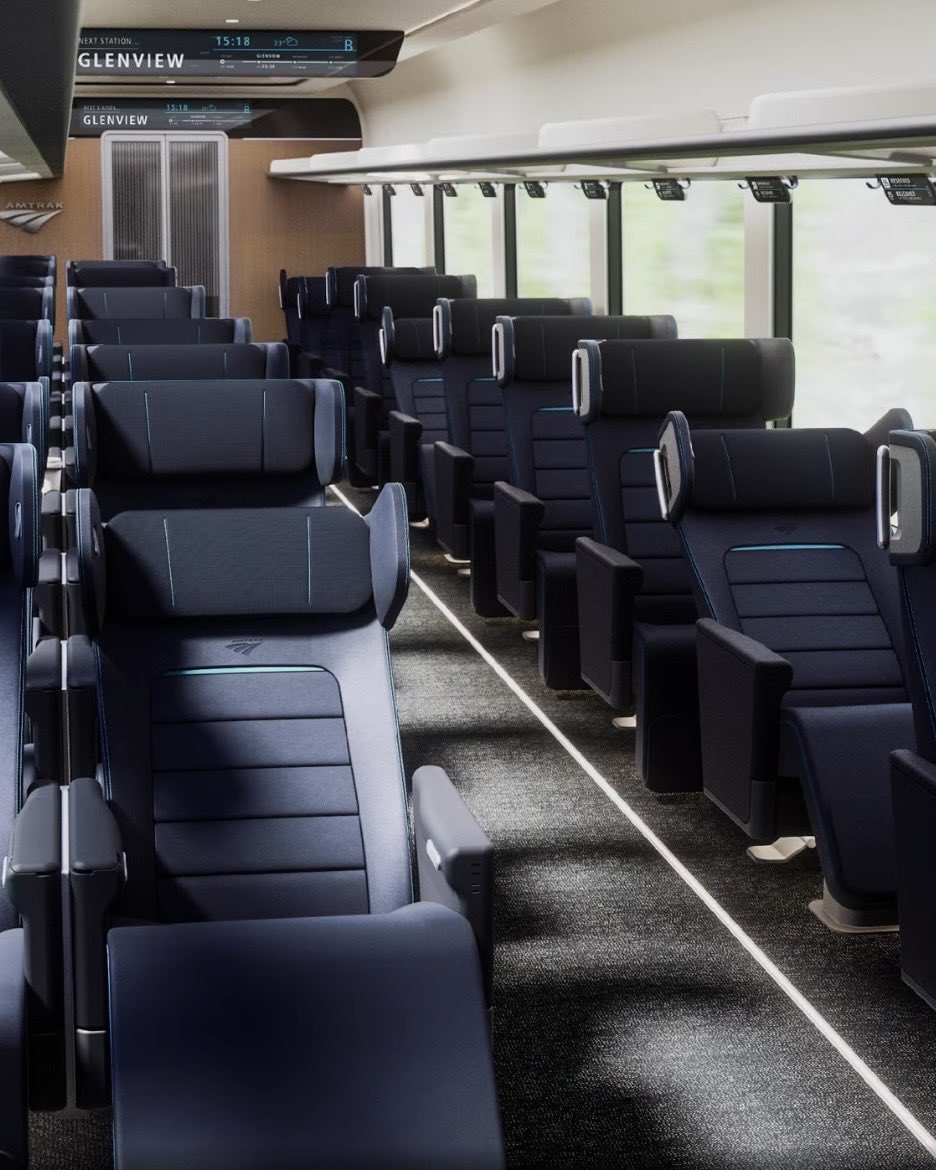
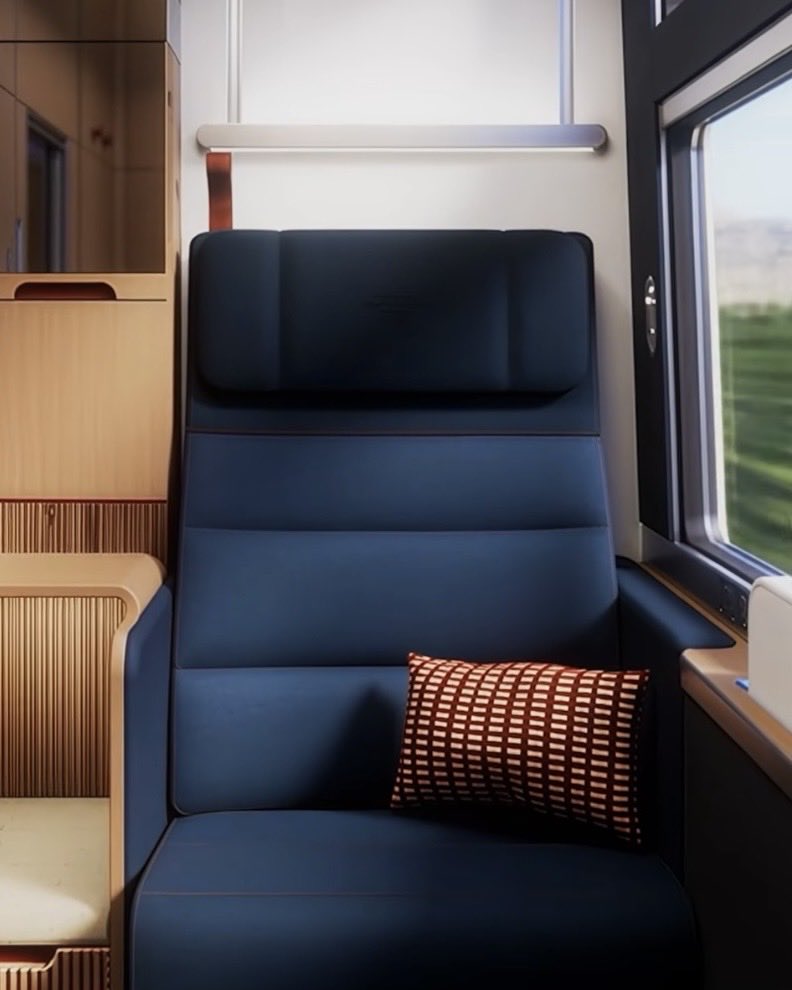
Fresh journey. Stronger passengers. New direction.
Last chance to lock in the $99 rate for RailNation. Join us for one of the biggest advocacy events of the year.
https://t.co/QGXElv0X00
Interested in learning more about passenger rail in the US? Attend the @RailPassengers Rail Nation event in Toledo Oct 2-4. Register by May 31 (this weekend) for the early bird discount $99 rate. Registration link in replies.
Car Free Keith shines a light on a number of obstacles preventing the national passenger rail provider from serving more people and communities. Thanks for the shoutout, Keith!
https://t.co/dYKtgCEHZI
Small elevators BENEFIT the ADA crowd because more of them get installed, because they are substantially less expensive. Wheelchairs still fit in small elevators. Specialized stretchers still fit. (They are stored next to the elevator.) Cost impacts everything!
Mamdani's housing plan includes permitting small elevators that can't accommodate wheelchairs or stretchers. That will go over well among the ADA crowd.
THIS is what I love about single-stair multi family. It allows for MUCH better unit layouts! 2 stair requirements force the majority of units to have windows on just 1 wall. Single-stair enables many units to have windows on 2 or even 3 sides of the unit. Cross ventilation!
Stair reform makes it possible to build units that "live like a house" not just because they are LARGE but also because they have a QUIET side.
Houses have a front and a back. A front facing the public street, and a back that opens onto a private yard.
Multifamily CAN do that if it includes units that have a front and a back, or "dual aspect." And these can be really nice if primary bedrooms and kitchens are facing courtyard, or quiet side of the house, so you can open a window at night, or have a dinner on a balcony or whatever.
Not all the units need to be front to back. Pack some floors with studios and one bedrooms for MOAR units (and people to share expensive land with, patronize shops, eventually buy large units when those households are ready to downsize, etc.)
But some floors should have large units that are house-like in that they have a street side and a quiet backyard side.
No urban revival without stair reform.
Great cities need middle housing -- ie MANY small multifamily buildings that allow many households to share expensive urban land. But those homes still have to be good enough that a wide range of households want to live in the. Not just twenty somethings.
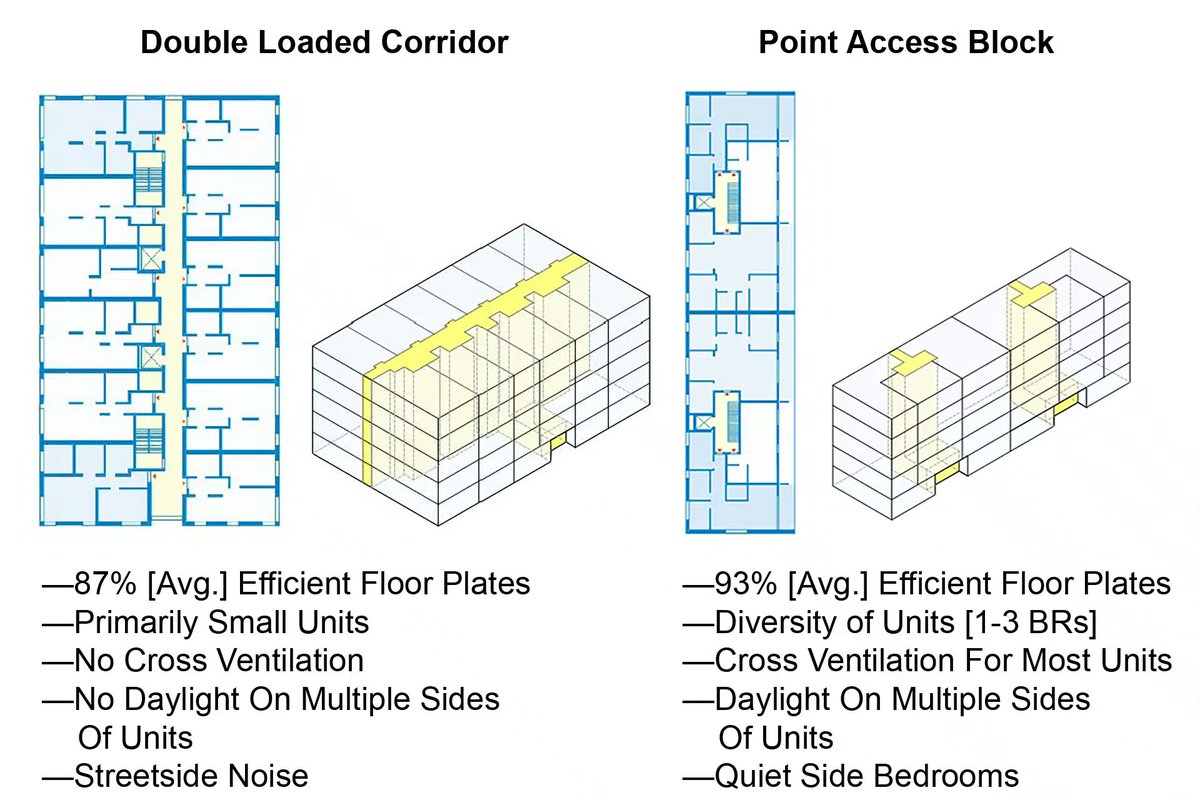
Current egress rules have made multifamily housing ESPECIALLY awful in the US because they push developers to double-loaded corridor layouts: long, hotel-like hallways with apartments lined up on both sides. These buildings are extremely expensive to build and not great at creating "life-cycle" housing.
Families often want a home with a “front” and a “back”: one side connected to the street and the life of the neighborhood, and another quieter side facing a courtyard, garden, yard, or shared green space. They want cross-ventilation, daylight from more than one direction, a place for children to play, and some sense of threshold between public and private life. Double-loaded corridor buildings make that impossible, because units are facing either the back or the front.
The more home-like form of multifamily is enabled by single-stair reform, sometimes called “smart stair” reform and closely related to the point-access block. instead of accessing units from a long corridor, apartments are arranged around a central stair. This allows smaller buildings, shallower floorplates, more dual-aspect units (they don't all need to be, but some of them should be), better light and air, and a much closer relationship between the home, the street, and the yard.
Single-stair reform is a keystone reform for rebuilding family-friendly urban neighborhoods. It will make it significantly easier to build the fine-grained, middle housing neighborhoods that everyone wants but no one builds anymore (because we made it illegal)
Check out the transformed S. Indiana Ave, 31st–55th.
This street regularly saw unsafe speeding, with some drivers exceeding 70 MPH. Now, traffic safety improvements have led to safer speeds, shorter crossings, and a more comfortable corridor for all users. #bikesafetymonth
I don't agree. The rich person does not simply create his company from nothing using magic. His skills are complementary to the institutions of the nation around him. In other words: Try getting rich in Somalia.