① ASICS 🇯🇵 → Una de las referencias mundiales por comodidad, estabilidad y durabilidad.
② HOKA 🇫🇷 → Amortiguación sobresaliente para entrenamientos y largas distancias.
③ New Balance 🇺🇸 → Excelente equilibrio entre rendimiento, comodidad y calidad.
④ Saucony 🇺🇸 → Muy valorada por corredores de todos los niveles.
⑤ Mizuno 🇯🇵 → Fiabilidad, buena respuesta y gran durabilidad en la mayoría de sus modelos.
7 minutes after you finish studying, your brain quietly runs a file-transfer process. Columbia scientists caught it on a brain scan, and repetition is what speeds it up.
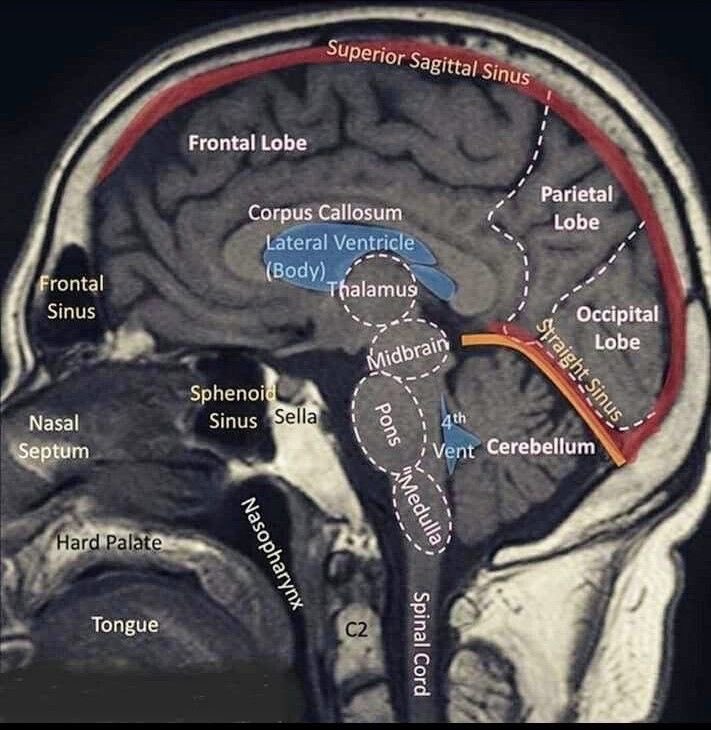
In the study, 29 people went into an fMRI machine and saw flashcards pairing words with pictures. Some flashcards appeared once. Others appeared three times. After the flashcards, participants closed their eyes and rested for 7 minutes, still in the scanner, while the researchers watched what their brains did next.
The hippocampus (a seahorse-shaped chunk deep in your brain that handles new memories) replayed the flashcards at the same rate whether people had seen them once or three times. The scan showed no difference between the groups in that region.
Three other brain regions went the other way. All three belong to your brain's long-term storage network, the system that keeps memories around for years. Those regions replayed the repeated flashcards way more than the once-seen ones. One of them also started firing in sync with the hippocampus more often when replaying the repeated cards, like two colleagues confirming a file had been saved.
Textbooks describe memories moving from the hippocampus to long-term storage as a slow process, one that takes weeks, months, or sometimes years. This study caught that process starting within the first 7 minutes after closing your eyes, with repetition speeding it up dramatically.
When a flashcard had been shown three times, the long-term storage regions replayed the most recent viewing. Your brain treats each repetition as an update.
The hippocampus was doing its own kind of work. For the flashcards people saw only once, the more the hippocampus replayed them during that 7-minute rest, the more likely people were to remember them on the test afterward. The hippocampus was picking up the slack for the weaker memories, while the long-term regions took over the stronger ones.
The paper was edited by Robert Bjork at UCLA, the guy who coined "desirable difficulties," the idea that when learning feels harder in the moment, the memory tends to stick longer. This study adds a mechanism. Repetition works by moving a memory, fast, in the minutes right after you stop looking at the thing.
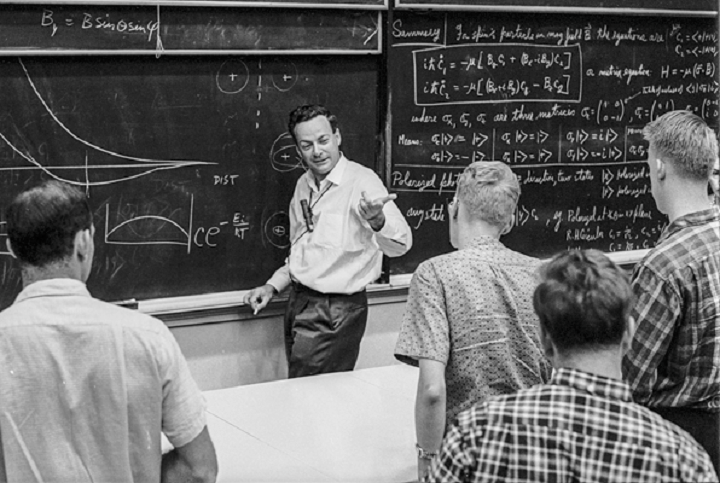
“If you're not having fun, you're not learning. There's a pleasure in finding things out.”
— Richard Feynman
Real learning isn’t forced. It’s driven by curiosity.
If it feels like play, you’re doing it right.
Anxiety isn’t just in your head.
It’s stored in your nervous system.
Here are 9 body-based ways to release it (without medication) 🧵
1. Cold water on your face.
Our brains doesn’t care how old you are, it cares about what thoughts you repeat.
scientists used to believe your brain was fixed, like your height!
that after a certain age, it stopped developing.
but in the 1990s, with tools like MRI and fMRI, we could finally observe the living brain in real time and everything changed.
research showed that the brain is constantly adapting.
repeated thoughts and behaviors strengthen neural connections, increasing efficiency in pathways that are used often.
> this is neuroplasticity
areas like the basal ganglia become more active as habits are formed, while the prefrontal cortex becomes less involved as behaviors turn automatic.
this is based on hebb’s law: neurons that fire together, wire together.
so your brain isn’t changing based on what you want.
it’s changing based on what you repeat.
what you practice, you become!