San Francesco Hospital, 20 participants.
Researchers found the first in vivo evidence that Long COVID is linked to loss of cholinergic nerve fibers in the stomach lining.
This structural vagus nerve damage may help explain lasting dysautonomia.
https://t.co/DLSJ1hRh7P
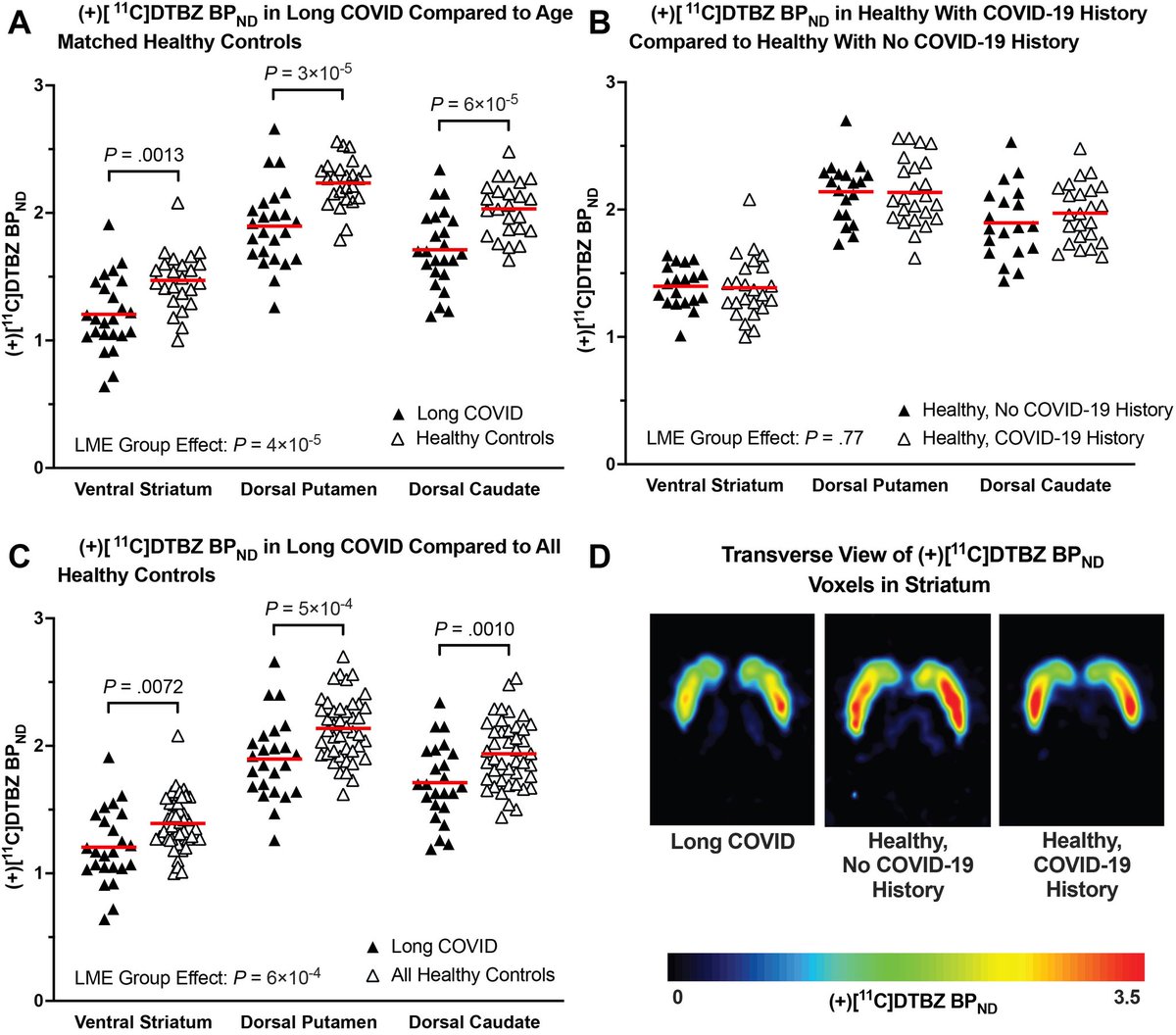
'New study provides first evidence of dopamine system injury in the brain of long COVID patients'
'In the new study, researchers used positron emission tomography (PET) brain imaging to measure a well-established marker of dopamine neuron integrity..'
https://t.co/lmF4ulkapp
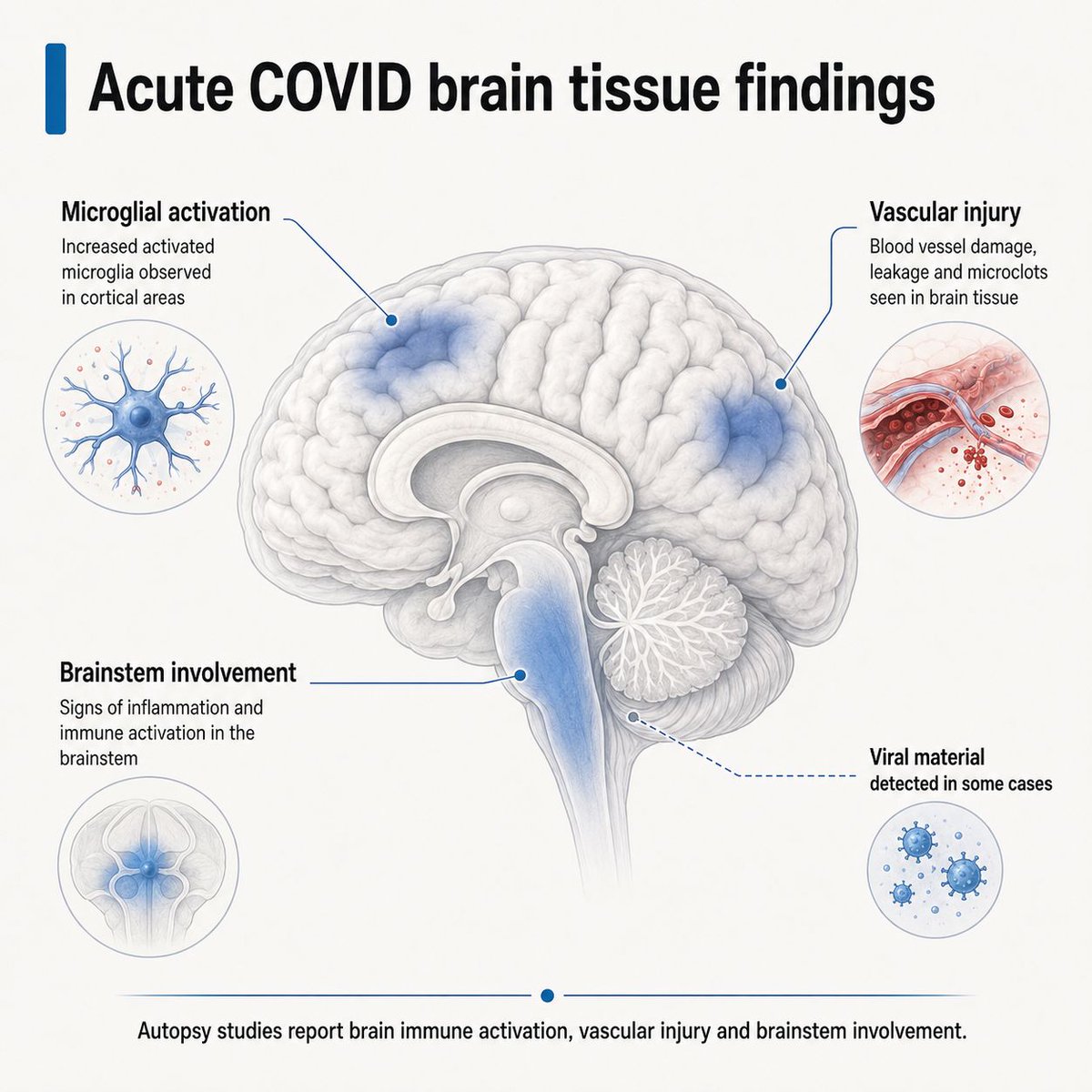
COVID is often described as a respiratory infection, but acute and fatal COVID brain autopsy studies show it can affect the brain. Findings include viral RNA in some brain tissue, brainstem inflammation, microglial activation and vascular injury. Let's break it down.
New study provides first evidence of dopamine system injury in the brain of #LongCOVID patients
➡️ The new data suggest that COVID-19 may leave a biochemical footprint in one of the brain’s most critical signaling systems.
➡️ Researchers found evidence of injury to dopamine-producing neurons after SARS-CoV-2 infection—a pathway essential for movement, motivation, reward, and cognition.
➡️ The findings may help explain persistent symptoms such as brain fog, fatigue, impaired concentration, and mood disturbances seen in some patients after COVID-19. 1/
EU Academy of Neurology urges preparation for an "increase in the incidence of neurodegenerative diseases in the upcoming years" due to SARS2.
https://t.co/Iy6FiJMnSO
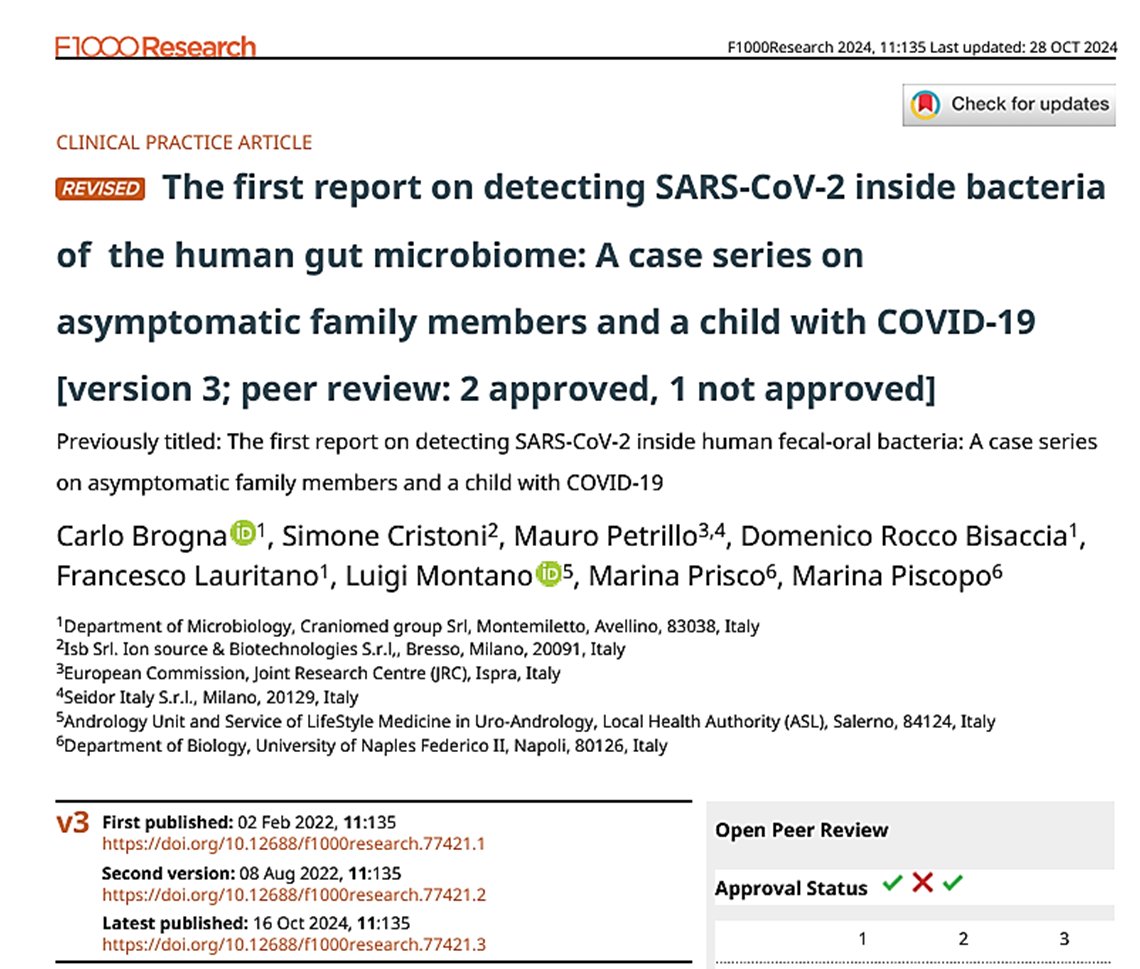
SARS COV-2 INFECTS AND PERSISTS
INSIDE THE BACTERIA
OF THE HUMAN INTESTINAL MICROBIOME
IT REMAINED LATENT
FOR A LONG TIME
SO IT CONSTITUTES A RESERVOIR
THIS FINDING SUPPORTS OUR PROTOCOLS
WITH RIFAXIMINE & NIFUROXAZIDE
FOR ACUTE & CHRONIC COVID: LONG COVID
https://t.co/tbRJzdSWh9
An Italian group took stomach lining biopsies from people with Long COVID and counted the nerve fibers in them. Under endoscopy the mucosa looked normal. Under a fluorescence microscope, roughly half the fibers were gone.🧵
A saliva test plus a blood marker may help identify #LongCOVID.
➡️ Patients showed higher salivary anti-nucleocapsid IgA and lower C3 complement levels, pointing to persistent immune activation and complement dysregulation.
➡️ These findings bring us one step closer to an objective biomarker—and perhaps new complement-targeted treatments—for LongCOVID.
H/T: @CatchTheBaby
https://t.co/G7kJUcVGih
Medical University of Vienna: 'WE&ME Award: Unravelling biological differences in ME/CFS'
'Research grant for Matthias Wielscher – FWF funding also awarded to Lilian Konicar'
https://t.co/WRUZhezQJN
University of Hong Kong, 90 people and T2D mice found SARS-CoV-2 pushed macrophages toward lung scarring.
A GLP1 drug reset these cells and reduced fibrosis in mice, beyond glucose control.
https://t.co/OgTLB07K3K
Tipperary Live: 'Fundraiser launched to help twin sisters in Tipperary facing health battle'
'Sasha was first diagnosed with Postural Orthostatic Tachycardia Syndrome when she started developing symptoms and she collapsed at school in December 2024.'
https://t.co/6C8vZsHeZE
University of Zaragoza, 27 children with Long COVID.
Basic daily tasks looked mostly intact, but only 18.5% attended school regularly and 85.2% gave up activities they loved.
Standard disability scores can miss the true burden of pediatric Long COVID.
https://t.co/xAUMVLRwis
University College London, 778 adults with Long COVID.
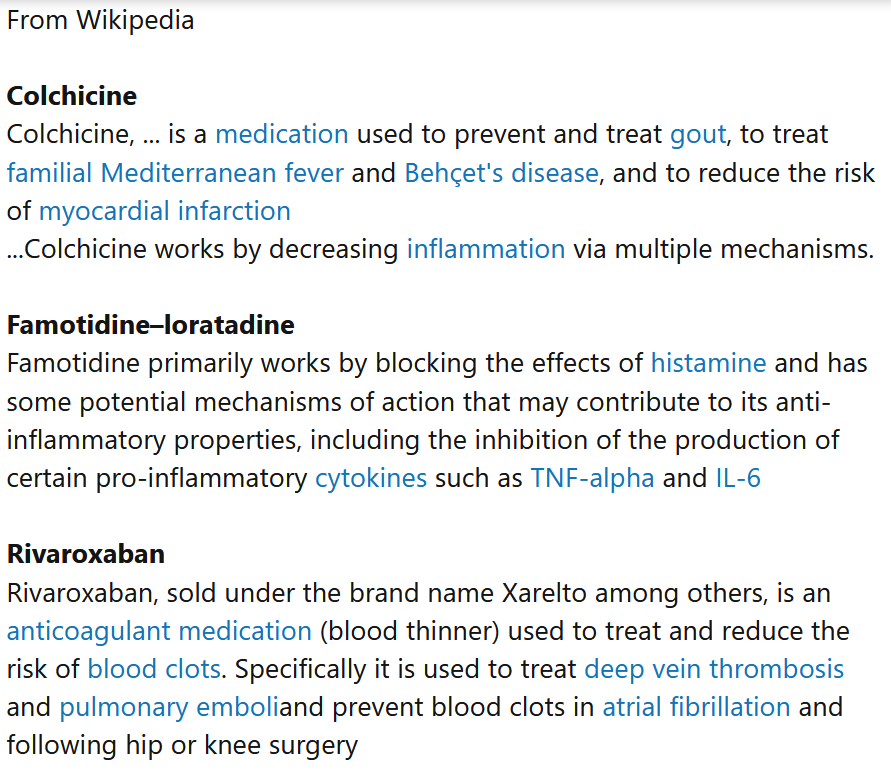
Colchicine and famotidine-loratadine gave small fatigue gains at 12 weeks, but benefits faded after stopping.
Rivaroxaban did not help.
https://t.co/VsdAOJ222T
Treating patients suffering from myalgic encephalopathy/chronic fatigue syndrome (ME/CFS) with sodium dichloroacetate: An open-label, proof-of-principle pilot trial
https://t.co/ROoMI14zyi
Quick reminder that there's currently an important ME/CFS research call with a budget of € 120,000-180,000 per project.
Organized by the WE&ME Foundation.
The deadline is 25 August.
More info 👇
2/
Some information on the 3 drugs that were tested.
Taken from this post here https://t.co/LriAwTnG11
which is part of an interesting, critical discussion on this long Covid paper
#LongCovid
Prof Dr Alain Moreau talks about using digital technologies and omics analyses to look for biological signals that may enable biomarkers for vascular and neurovascular dysfunction in ME/CFS. [13 mins]
https://t.co/MYcujVhRJR
Health Stuff (NZ): "‘I feel trapped’: 29-year-old Wellington woman hasn’t left upstairs bedroom for four months"
'A 29-year old woman from Wellington..Elvira Edmonds..has myalgic encephalomyelitis (ME)..'
“I feel trapped, like I am stuck in my own body"
https://t.co/aO5uYkbmSp