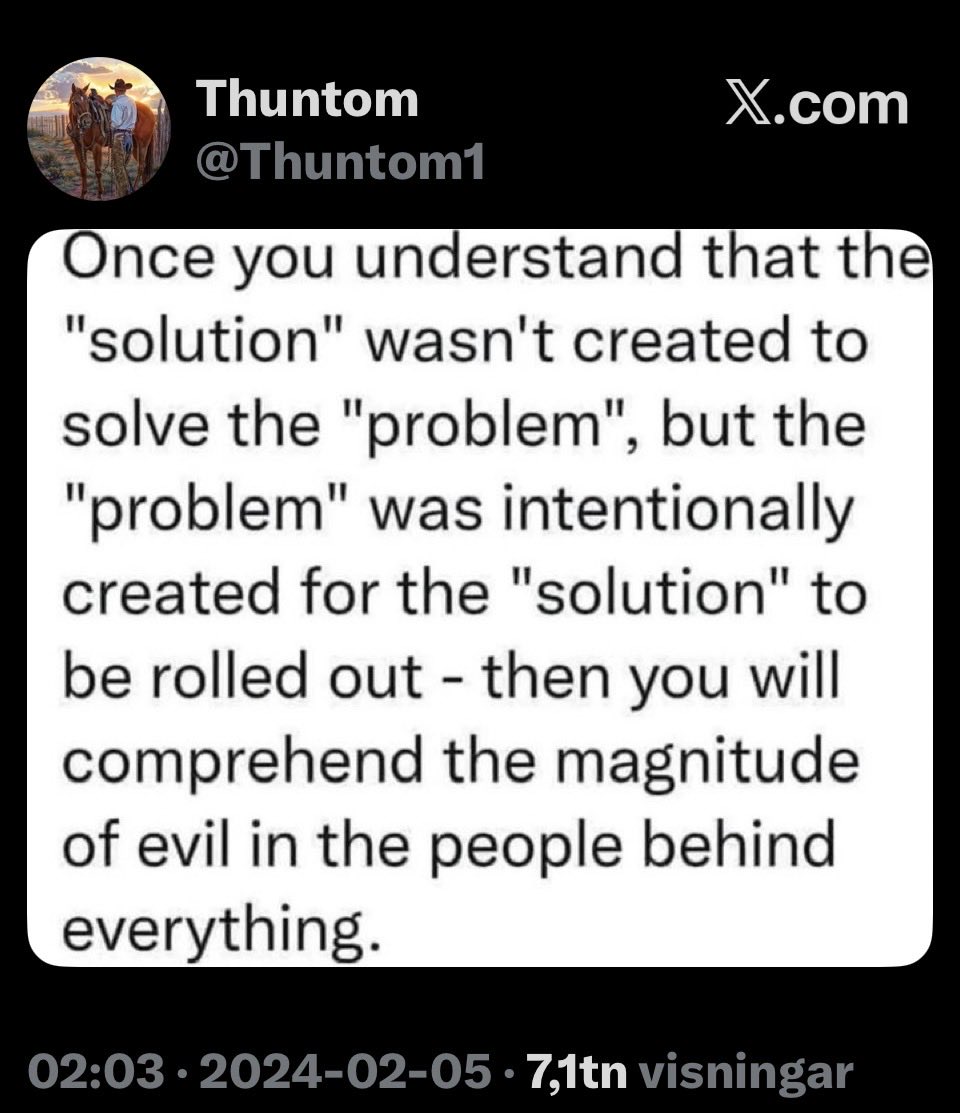
Dr. Peter Glidden: "A 12 year worldwide meta-analysis study revealed Chemotherapy has a 97% failure rate. So why is it still used? It's one reason & one reason only, money.”
Godfather of AI: "If you sleep well tonight, you may not have understood this lecture."
This 47-minute lecture is the best thing I've seen about AI in the last few months.
Hinton built the neural networks behind every AI alive, then quit Google to warn us it's already ahead of us on most cognitive tasks.
Despite that, most people open Claude, type one thing, close the tab and think they're using AI, but they're using maybe 10%.
I turned his talk into 17 Claude features 99% of users never find.
Watch the lecture, then read the article below.
If you can comfortably hold a deep squat (Malasana) for 2 minutes, your hips, ankles, spine and future self will thank you. One of the most underrated mobility exercises for healthy aging.
Here are 7 reasons why
1) Restores hip mobility
Stiff hips from sitting all day? 😩
It’s not the sitting itself — it’s the lack of movement. Hours in the same position tightens your hips, glutes, and hamstrings, making them feel stiff and restricted.
These 4 exercises fix that by:
• Improving hip mobility
• Stretching tight glutes & hamstrings
• Strengthening hip flexors
Just a few minutes a day helps your hips move more freely and makes long sitting sessions feel way less uncomfortable.
Save this & try them on your next break 👇
Consistency > Intensity.
You don’t need heavy workouts.
You need precision + the right support.
This is how you give your spine stability, desensitize the nerve, and finally change the environment causing your pain.
Do this daily.
A regra que sustentou toda a civilização humana por milhares de anos acaba de ser quebrada.
E, segundo Elon Musk, quase ninguém percebeu isso.
Durante toda a história, riqueza, poder e sobrevivência dependiam de uma única coisa: ter mais pessoas.
Mais agricultores.
Mais soldados.
Mais trabalhadores.
Mais filhos.
Durante milhares de anos, o futuro pertencia às sociedades que conseguiam crescer.
Mas isso está mudando.
“A Terra vai enfrentar um colapso populacional gigantesco nos próximos 20 ou 30 anos. Gigantesco.” — Elon Musk
Quando falamos de inteligência artificial, a maioria das pessoas faz a mesma pergunta:
“E se os robôs roubarem nossos empregos?”
Musk acredita que essa pergunta parte de uma premissa errada.
Ela assume que continuará existindo uma quantidade enorme de pessoas para trabalhar.
Mas, segundo ele, isso não vai acontecer.
“A taxa de natalidade é muito baixa. Na maior parte da Europa, Rússia, Japão, Coreia do Sul e Singapura, ela está muito abaixo do nível de reposição.”
Países diferentes.
Culturas diferentes.
O mesmo problema.
Estamos entrando em uma era em que o maior desafio pode deixar de ser criar empregos…
…e passar a ser encontrar pessoas suficientes para ocupá-los.
Isso muda completamente a forma de enxergar a inteligência artificial.
Talvez os trilhões de dólares investidos em IA, robótica e computação não estejam sendo gastos apenas para aumentar a produtividade.
Talvez sejam uma tentativa de evitar que a economia simplesmente pare de funcionar quando a população começar a encolher.
Então Musk faz uma pergunta inquietante:
“A civilização vai morrer com uma explosão ou silenciosamente? Isso definitivamente seria morrer em silêncio.”
Esse “silêncio” não seria causado por uma guerra.
Nem por uma pandemia.
Mas por algo muito mais discreto:
Cada geração sendo menor do que a anterior.
Durante toda a história da humanidade, nascer significava assumir uma responsabilidade: trabalhar, produzir, pagar impostos e criar uma nova geração para manter tudo funcionando.
Pela primeira vez, talvez estejamos construindo máquinas capazes de carregar parte desse peso.
Não porque a humanidade ficou mais eficiente.
Mas porque, em um futuro não tão distante, talvez o recurso mais escasso do planeta não seja petróleo…
Nem energia…
Nem dinheiro.
Sejam as pessoas.
IF YOU THINK (P)HARMA
IS BAD
WAIT UNTIL YOU GO DOWN THE DENTISTRY
RABBIT HOLE…
Reports document dentists (especially in corporate/private equity-backed chains) pushing unnecessary procedures like crowns, fillings, deep cleanings, or extractions for implants to hit revenue targets. Healthy teeth get pulled for profitable implants; kids get excessive work. Lawsuits and investigations (e.g., against chains) highlight this.
Private equity influence has grown, prioritizing volume and production over conservative care. Ex-employees describe pressure to drill or treat borderline issues.
Procedures are expensive, second opinions vary wildly, and preventive care sometimes gets overshadowed by intervention.
These mirror pharma’s profit motives and overprescription problems.
The big one. Old 1920s research (focal infection theory) claimed they cause systemic disease (arthritis, cancer, etc.) via trapped bacteria/toxins.
Fluoride: The excessive exposure causes dental fluorosis (enamel spots, now common in ~1/3 of US kids), and studies link higher prenatal/childhood levels to modest IQ drops.
Mercury amalgam fillings: They release tiny amounts of vapor, especially when chewing. Regulatory bodies (FDA, ADA) say no clear harm for most people in the general population. Sensitive individuals or those with kidney issues might differ. Removal isn’t recommended unless necessary (it can spike exposure temporarily). Alternatives like composites are common now.
Other topics (wisdom teeth extractions, orthodontics, “biological” dentistry) vary case-by-case. Some extractions are unnecessary; others prevent real problems.
#ThrowbackThursday
https://t.co/ira19dtSW9
https://t.co/64Z24WM5qG
Your hips are tighter than they were five years ago — even if you don’t feel it yet.
These 3 moves can help loosen them up in under 30 seconds:
Do them daily and your hips will thank you.