Here it is... an amazing team effort from 3 Masters students and collaborators! Thanks to reviewers for constructive comments. Plasmids available here: https://t.co/KNP18k86ue
https://t.co/9Rxr6vR5P1
New preprint from @Tiengwe_trypLab _How do trypanosomes diversify their surface antigens? We found ESAG3 - a new glucosyltransferase - novel primary and quaternary structure that's essential for generating diversity in antibody epitopes.
The symposium to celebrate Mark Carrington's career is coming soon. You have until 15th to book in. A great day of science, particularly if you are excited about kinetoplastids! And a day of celebration.
The survey asked users to estimate the impact on their lab's productivity (from 0-100) if VEuPathDB resources were to disappear altogether. We also asked them to describe the impact. ✏️The infographic shows a few key themes that emerged from nearly 1500 comments!
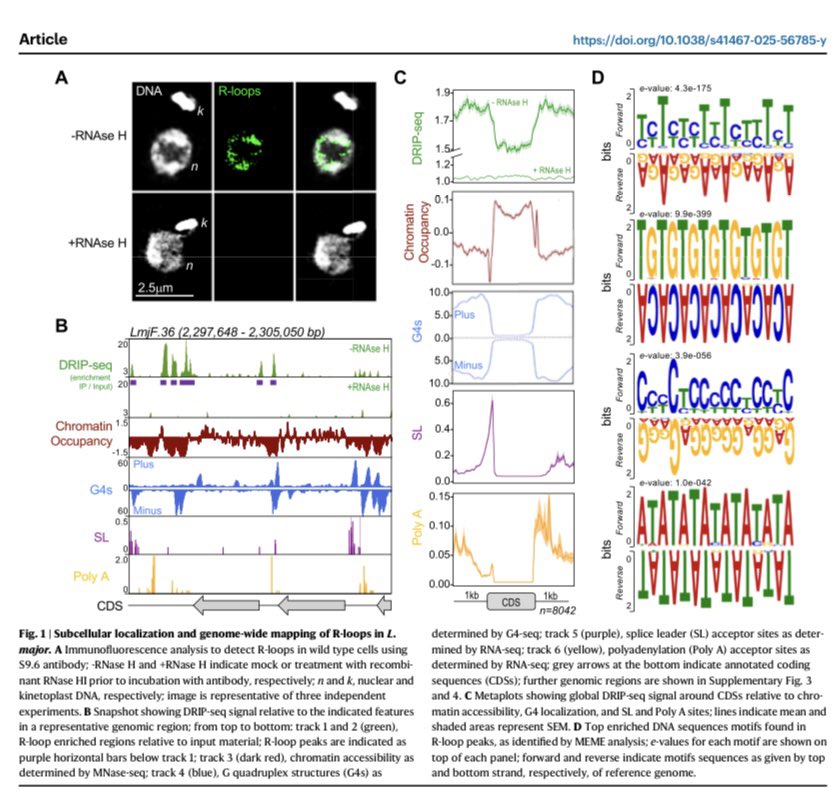
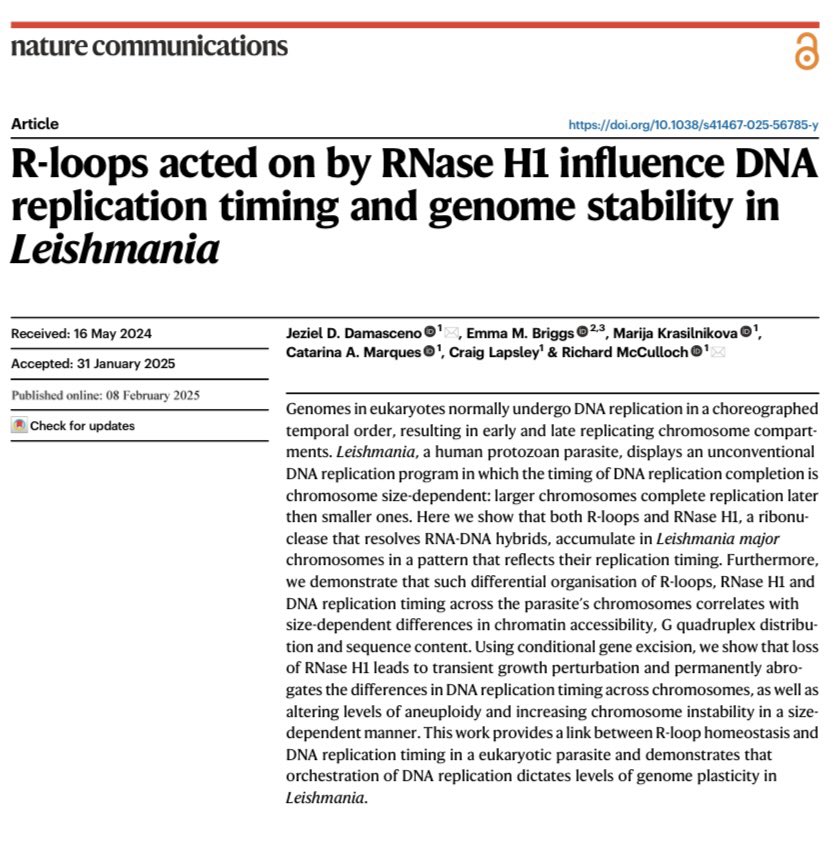
Excited to share our latest work on R-loops and RNAse H1, exploring their roles in genome replication timing and stability. It’s now published!
https://t.co/gxjTlp7r8B
@McCulloch_Group@emmabriggs6@scotomorph@MarquesCata
Our MSc in Tropical Disease Biology will give you the opportunity to delve deeper into the science of #parasitology, #microbiology, host-pathogen interactions, disease vectors and the pathogens they transmit.
Interested in learning more? Visit https://t.co/BFsUYuqYtE
Postdoc opening: 5Y Postdoc post available to work on Neddylation and Cell differentiation in Trypanosomes at Lancaster, UK.
Deadline is 2 February 2025.
https://t.co/Fu4KEmxsAF
We're pleased to contribute to new work led by @jablack18 with Luiz Tosi in Sao Paulo exploring how Leishmania tackles impediments to DNA replication, revealing the impact of mutigene transcription @gabriellamak@jezielbqi@UofGSii@WCIPGLASGOW
https://t.co/2P3MTyB4y7
It is a great honour to invite you to a symposium to celebrate the career of Mark Carrington. An exciting set of talks for anyone fascinated by trypanosomes!
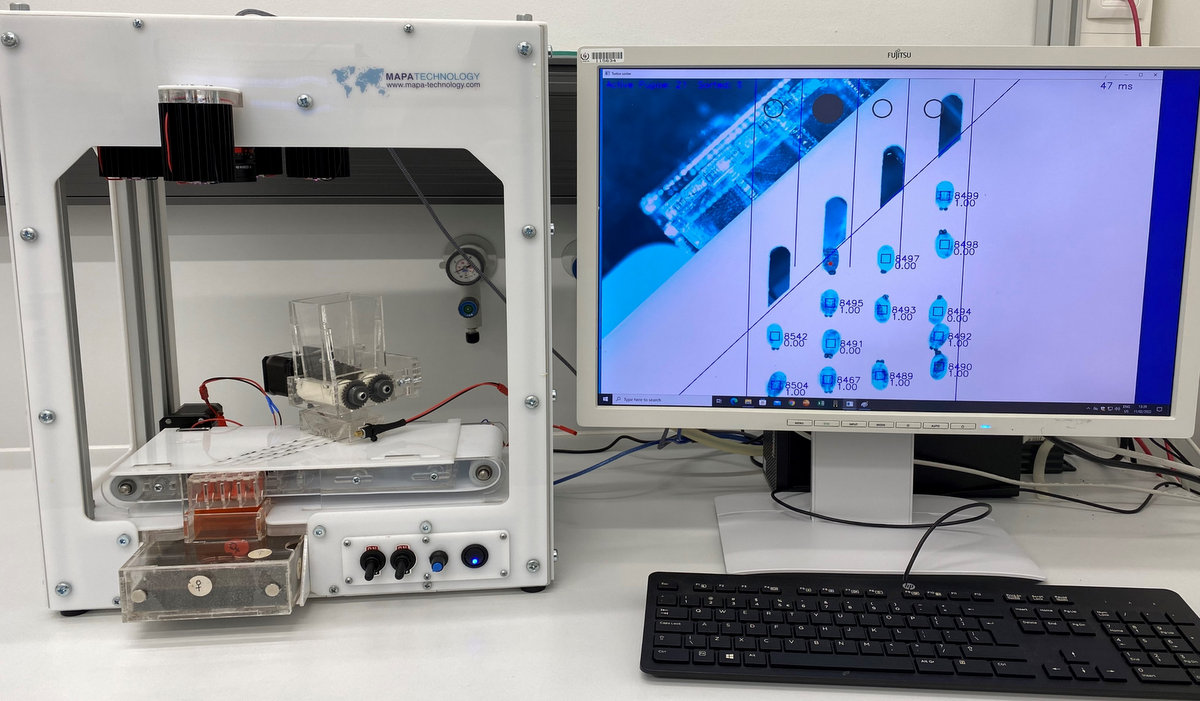
Tsetse flies are the cyclical vectors of African trypanosomes.
To separate the sexes is a major goal for tsetse management programmes with Sterile Insect Technique.
This automatic sorting machine can do that!
https://t.co/1SIIEqgsaB
Abstract
Tsetse flies are the cyclical vectors of African trypanosomes and one of several methods to manage this vector is the sterile insect technique (SIT). The ability to determine the sex of tsetse pupae with the objective to separate the sexes before adult emergence has been a major goal for decades for tsetse management programmes with an SIT component. Tsetse females develop faster and pharate females inside the pupae melanise 1–2 days before males. This earlier melanisation can be detected by infrared cameras through the pupal shell, and the newly developed Near InfraRed Pupae Sex Sorter (NIRPSS) takes advantage of this. The melanisation process is not homogeneous for all fly organs and the pupa needs to be examined ventrally, dorsally and laterally to ensure accurate classification by an image analysis algorithm. When the pupae are maturing at a constant temperature of 24 °C and sorted at the appropriate age, 24 days post-larviposition for Glossina palpalis gambiensis, the sorting machine can efficiently separate the sexes. The recovered male pupae can then be sterilised for field releases of males, while the rest of the pupae can be used to maintain the laboratory colony. The sorting process with the new NIRPSS had no negative impact on adult emergence and flight ability. A mean male recovery of 62.82 ± 3.61% was enough to provide sterile males to an operational SIT programme, while mean contamination with females (4.69 ± 3.02%) was low enough to have no impact on the maintenance of a laboratory colony.
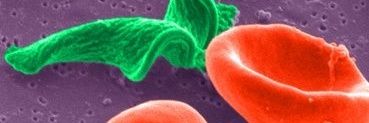
New science from Richard Zhou... When our blood cells lyse, they release haemoglobin, which is dangerous to our body. We detoxify this by binding it to a serum protein, haptoglobin and taking it up into macrophages, using the receptor CD163. Richard showed how CD163 works!