12 to 14 years to become an architect.
This is why I cringe at Non-licensed fakers trying to say they are architects when they do not have a license.
Typical Timeline to Licensure around 2010, when I earned my license.
•Education (5–6 years) Earn a NAAB-accredited professional degree (B.Arch ≈ 5 years, or common 4+2 M.Arch path). This was the primary education requirement for most state boards and for NCARB eligibility.
•IDP / Internship (≈ 3 years theoretical minimum; often 5–6 years in practice) Complete the Intern Development Program: 5,600 training hours (≈ 3 years full-time) under proper supervision, with core minimums in design/construction documents, construction administration, management, and related areas. In practice, mean completion times for 2010-era cohorts were often longer (around 5–6 years from start of eligible experience) due to employment patterns, the six-month reporting rule, and part-time work.
•ARE 4.0 Exams (median ≈ 1.5–2.5 years) Pass all seven divisions of ARE 4.0 (total scheduled appointment time ≈ 33.5 hours). Median completion times in the early 2010s typically fell in the 1.8–2.5 year range (many finished in under 2 years; a longer tail extended the average).
•Overall path and overlaps Many jurisdictions allowed concurrent IDP and ARE (early eligibility), so experience and exam periods often overlapped.
Typical total time from high-school graduation / start of college to initial license was commonly in the 12–14+ year range in that era, with 7–8+ years post-degree for experience + exams being typical for many candidates.
Exact timing depended on the state board, degree type, how early experience was reported, and whether exams were started before IDP was finished.
This reflects the standard 2010-era structure (IDP 2.0 and ARE 4.0).
Architect? Don’t ever call yourself Architect if you don’t have a license.
Do you even have a clue as to what it takes to become a licensed architect??
In 2010, the internship requirement was the NCARB Intern Development Program (IDP). Most U.S. state registration boards adopted the IDP (or an equivalent structured experience program) as their experience requirement for initial licensure.
Full completion of the IDP was typically required for licensure, but the timing for exam eligibility varied by state.
Core IDP Requirement (as of January 1, 2010)
As part of IDP 2.0 Phase 2 (effective January 1, 2010), the requirement shifted from training units to hours:
•Total: 5,600 training hours (equivalent to the previous 700 training units, since 1 unit = 8 hours).
•This equaled roughly three years of full-time experience.
•Of these, a large portion were core minimum hours in specific categories and areas (approximately 3,720–3,740 core hours + elective hours). Categories generally covered:
◦Design and Construction Documents (programming, site analysis, schematic design, design development, construction documents, etc.)
◦Construction Contract Administration (bidding, construction phase office and observation work)
◦Management (project and office management)
◦Related Activities (professional and community service)
Hours had to be earned under direct supervision by a qualified professional (typically a licensed architect) in recognized work settings, primarily architectural practice. Some credit was available through other settings or supplementary education (e.g., certain certifications or continuing education).
Reporting Rules
•Six-Month Rule (in effect by 2010): Experience had to be reported in periods of no longer than six months, and submitted within two months of the end of each period. Late reporting could result in lost credit.
When You Could Start Earning Hours
Eligibility to begin counting experience typically started after:
•Completing the third year of a NAAB-accredited professional degree program (B.Arch, M.Arch, or D.Arch), or
•Full IDP completion, the professional degree, and passing all seven ARE 4.0 divisions were the standard path to initial registration in most states.
In short: After your degree, you generally needed to complete the structured 5,600-hour IDP under proper supervision to become licensed. Whether you had to finish all (or most) of it before sitting for the exams depended on the specific state board where you sought licensure. Requirements have since evolved significantly (the program is now the Architectural Experience Program, or AXP, with fewer total hours).
Education Requirements to Qualify for the Architects Exams. Additional qualification is three years of internship in an architecture firm under a licensed architect.
Degree required (primary path):
A professional degree in architecture from a program accredited by the National Architectural Accrediting Board (NAAB), or a Canadian equivalent (CACB-accredited or CACB-certified). Recognized degrees were the Bachelor of Architecture (B.Arch), Master of Architecture (M.Arch), or Doctor of Architecture (D.Arch). The program had to be accredited no more than two years after your graduation date.
Credit requirements (NAAB minima applicable around 2010):
• B.Arch: Minimum of 150 semester credit hours (or quarter-hour equivalent) in professional studies, general studies, and electives.
• M.Arch: Minimum of 168 semester credit hours, with at least 30 at the graduate level.
• Programs required at least 45 credit hours outside pure architectural studies (general studies or non-architecture electives).
Curricula covered general studies, professional studies (including design studios at multiple levels), and electives
9 exams I had to take and the hours for exam and the pass rates. This is what it takes to become an architect. If you fail you wait 6 months before you can take it again. Normal time for all exams is 3 years.
Scheduled Appointment Time
2010 Average Pass Rate (all candidates)
Programming, Planning & Practice (PPP)
4:00 hours
62%
Site Planning & Design (SPD)
4:30
73%
Building Design & Construction Systems (BD/CS)
5:30
62%
Schematic Design (SD)
6:00 hours.
77%
Structural Systems (SS)
5:30
71%
Building Systems (BS)
4:00
68%
Construction Documents & Services (CDS)
4:00
64%
@TheAngelusBell I have this on the inside of my kitchen cabinet at noon I always call my kid (and dog) and they have made it a habit to say the Angelous at noon. (Then my daughter asks me to make lunch.).
In the Catholic Faith we honor those who have set examples for us in the past like St Elizabeth of Hungry. Today is the day we remember her.
Pray for us St Elizabeth.
@archeohistories I’m not angry… I’m German. 🤣🤣🤣”Walmart required cashiers and greeters to smile warmly at customers. In Germany, unprompted grinning from strangers can be perceived as insincere, creepy, or even flirtatious rather than friendly”
I will say this. Grok can be amazing.
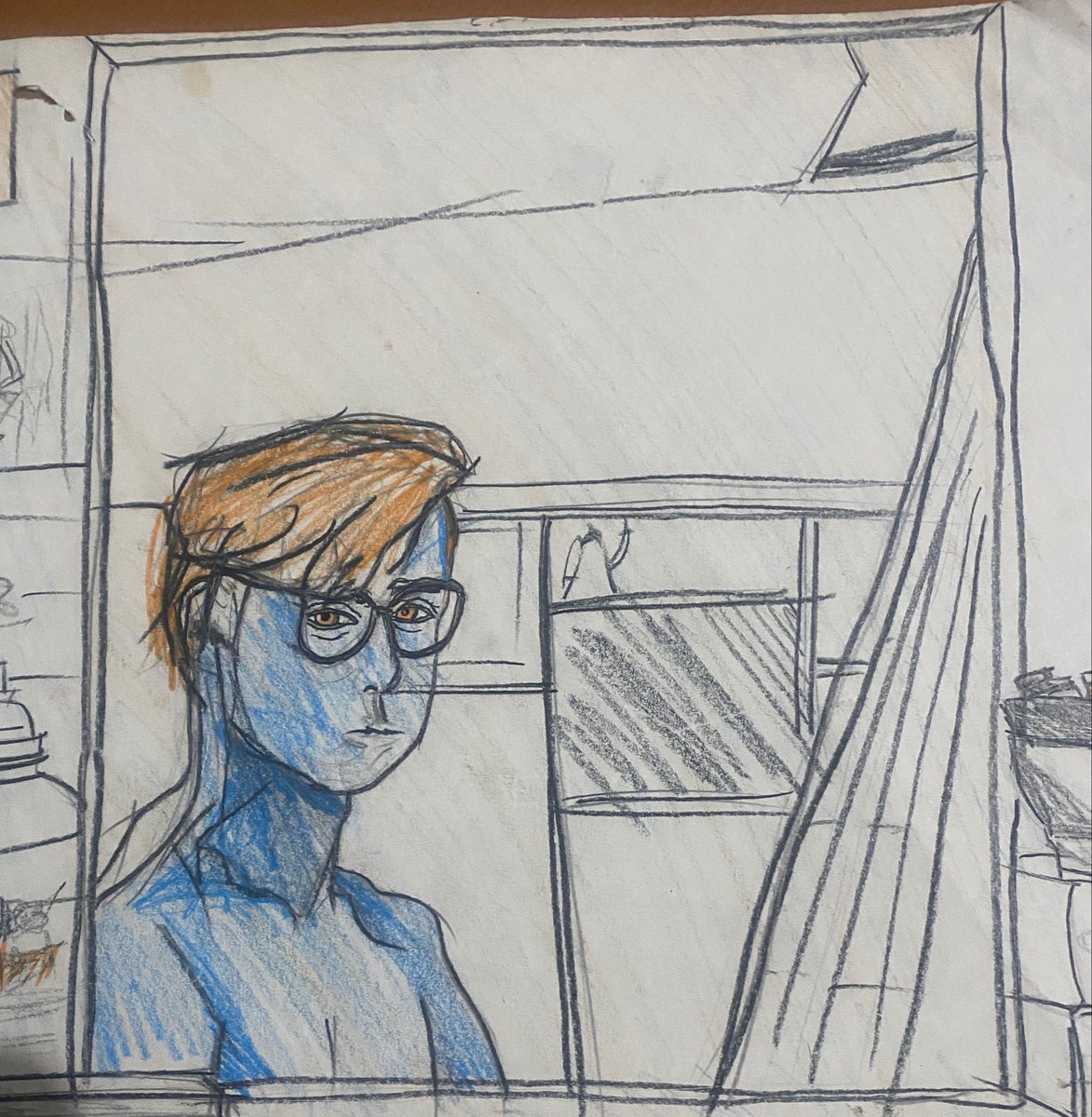
Never before is it so easy to take a drawing ask grok to make it realistic and end up with this. I did this drawing at 20 years or so in the summer after being in art school In Pittsburgh. I took a picture of it and asked grok to make it realistic and to tell you the truth that’s relatively close to me at that age.
Would Leonardo da Vinci use Ai? I think so….
Chapter 25
Those Who Are Worthy of Praise
1 With three things I am delighted,for they are pleasing to the Lord and to human beings: Harmony among relatives, friendship among neighbors,and a wife and a husband living happily together.
2 Three kinds of people I hate, and I loathe their manner of life: A proud pauper, a rich liar, and a lecherous old fool