Online now: Broad Ranges of Investment Configurations for Renewable Power Systems, Robust to Cost Uncertainty and Near-Optimality https://t.co/JMegImlzlX
In a report published in @Joule_CP this summer, researchers @TimTPedersen, @EbbeKyhl, @martavictoria_p, Adam Dvorak, & Gorm Bruun Andresen discuss the benefits of ditching Russian gas for good.
Read the full research highlight: https://t.co/Y65pesTjaO
@AarhusUni
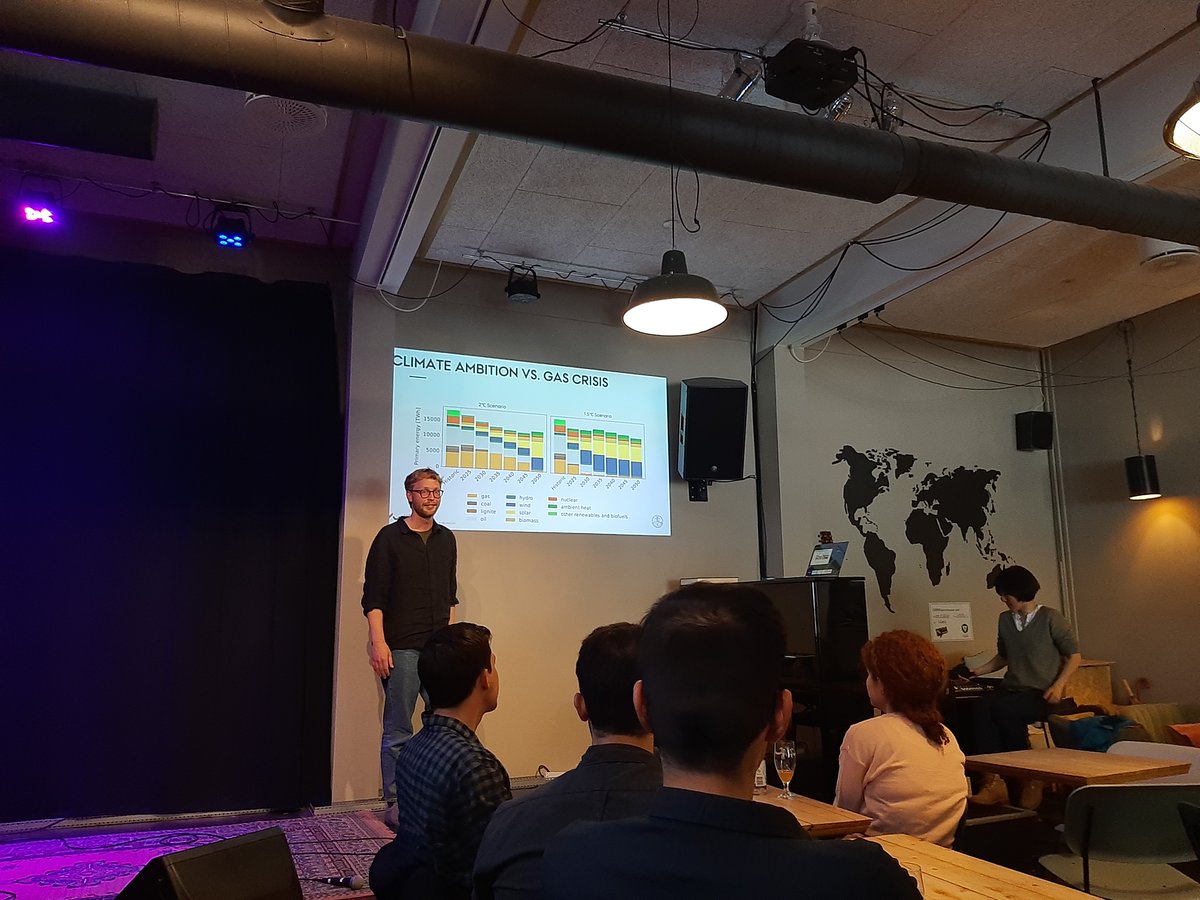
Great analysis by @TimTPedersen et al. on implications of reduced natural gas imports to 🇪🇺 beyond next winter 🔭
Given climate target ➡️ NG is replaced by mix of renewables & coal
More ambitious climate target ➡️ less impact of reduced NG (bc it needs phase-out anyways)
Our PhD student @TimTPedersen then shared some findings from his research on the different energy transition scenarios.
We asked the participants to share their views:
-Is the ambitions set in Danmark Kan Mere II enough? Is it possible?
-What can citizens do?
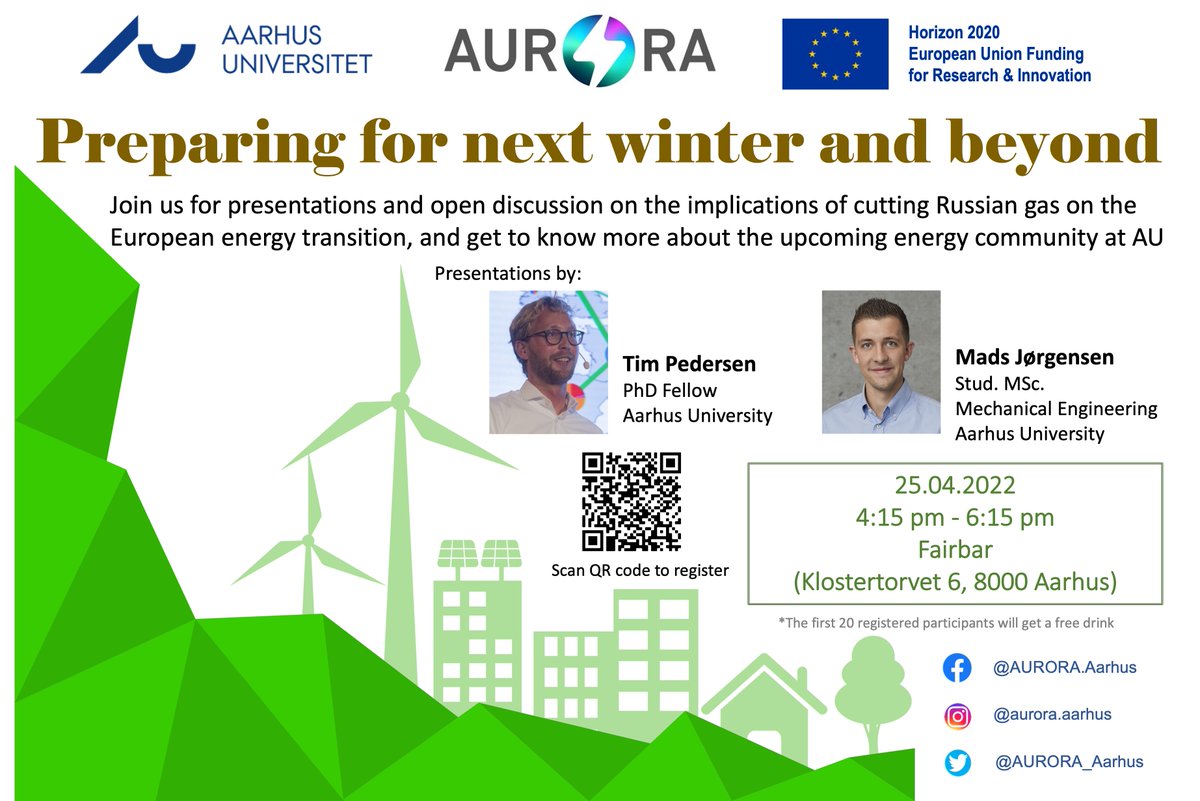
What are the implications of cutting Russian gas on the European energy transition? How does it impact other sectors? Come join us for an open discussion and get to know more about the upcoming energy community at @AarhusUni_int@TimTPedersen@EbbeKyhl @martavictoria_p
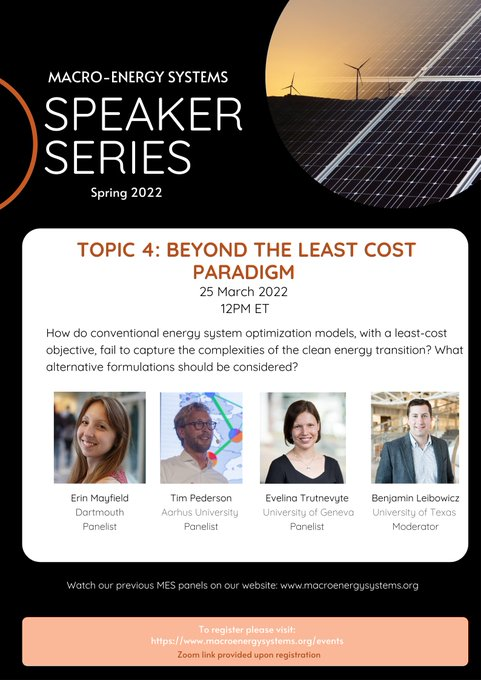
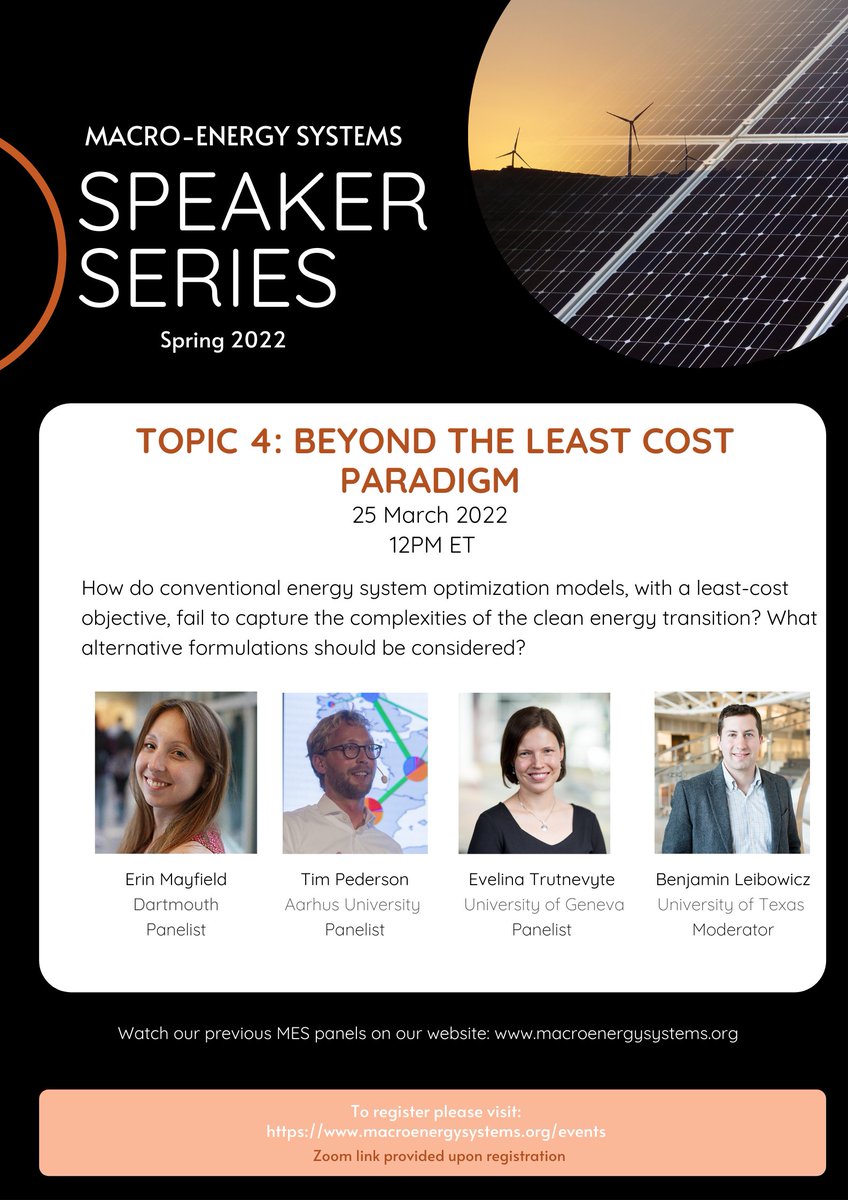
Last week, I had fun moderating this #MacroEnergySystems Speaker Series panel on "Beyond the Least Cost Paradigm" with @etrutnevyte, @ErinNMayfield, and @TimTPedersen. Here is the video for anyone who couldn't catch it live:
https://t.co/gZznG9XwDK
What alternative formulations of the least-cost approach should be considered to capture the complexities of the energy transition?
Join us for our next exciting MES panel with @ErinNMayfield, @TimPedersen11, and @etrutnevyte, which will be moderated by @BDLeibowicz.
Here is the Danish press release of AURORA. At @AarhusUni_int the project is led by @martavictoria_p and on 10th March we will have the first meeting with interested participants in Navitas building, where we share more information about the local demonstrator #energycommunity
Here is the Danish press release of AURORA. At @AarhusUni_int the project is led by @martavictoria_p and on 10th March we will have the first meeting with interested participants in Navitas building, where we share more information about the local demonstrator #energycommunity
How much flexibility is available for a just energy transition in Europe?
Take a sneak peek at my latest work available as a pre-print on @ResearchGate: https://t.co/MQMsaASoGc
#energy#energytwitter#EU
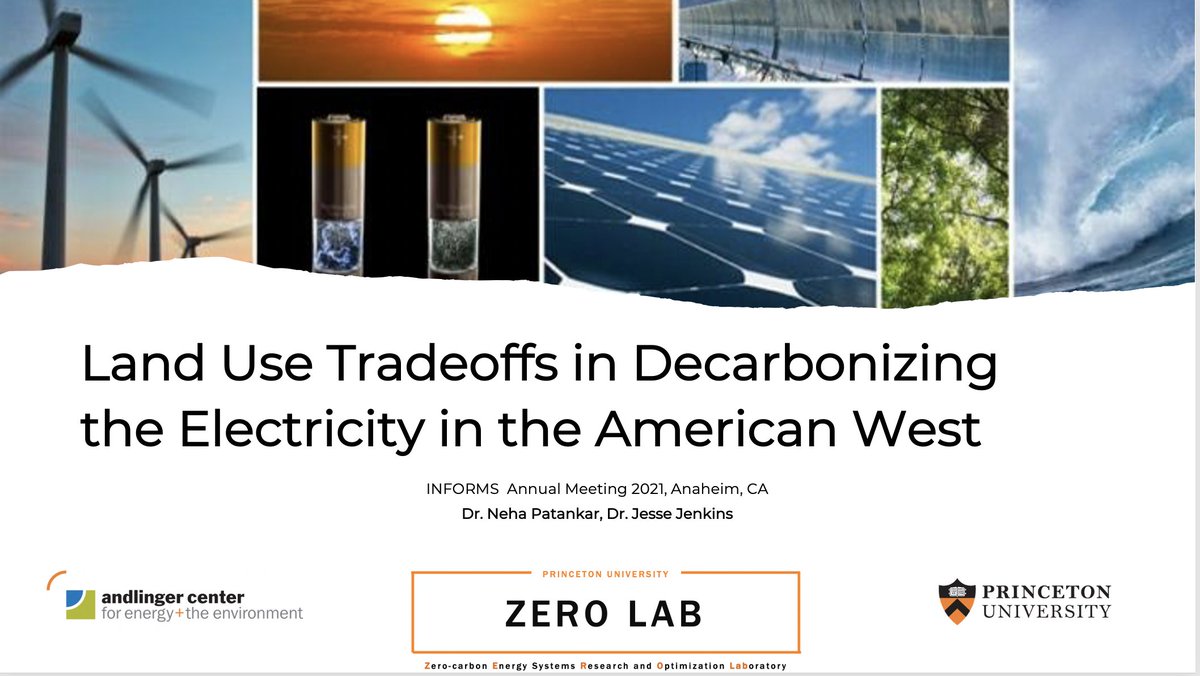
Excited for tomorrow's #informs2021 session on "Quantitative Modeling of Non-cost Outcomes in Energy Systems Planning Models"!
Join here At 11 AM PST: https://t.co/xwcRv5fENq
@sasse_jan @fneum_ @TimPedersen11@yury_dvorkin
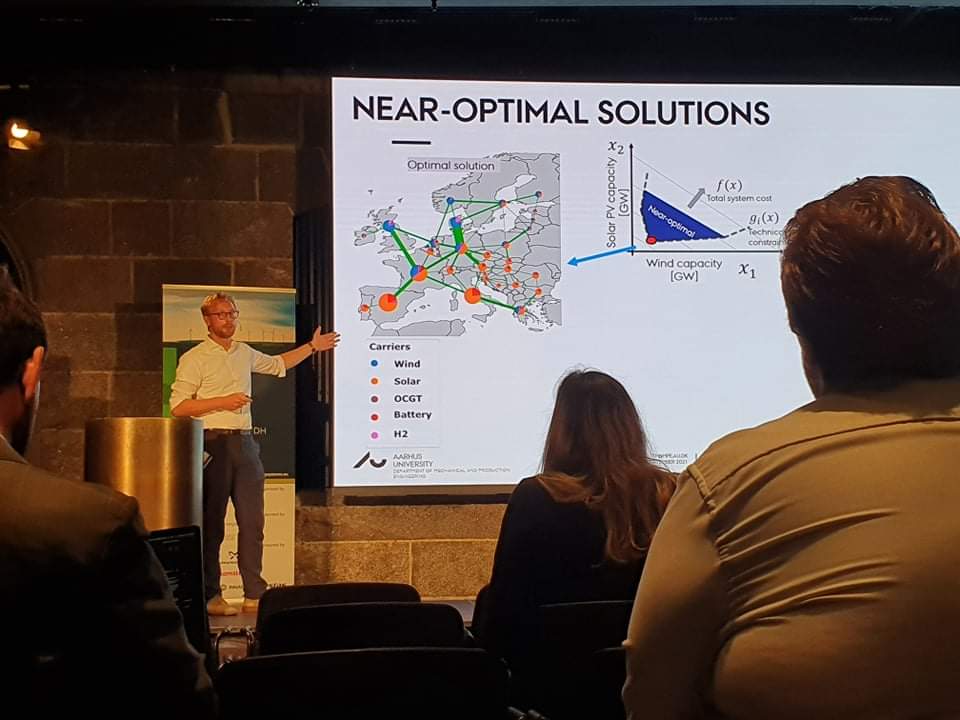
Last week at the #SESAAU2021 conference I had the chance to present my work on modeling near-optimal solutions to energy systems. If you want to learn why it is super relevant to consider the imperfect solutions, check out this short video https://t.co/cwnqXchOGo
#energytwitter
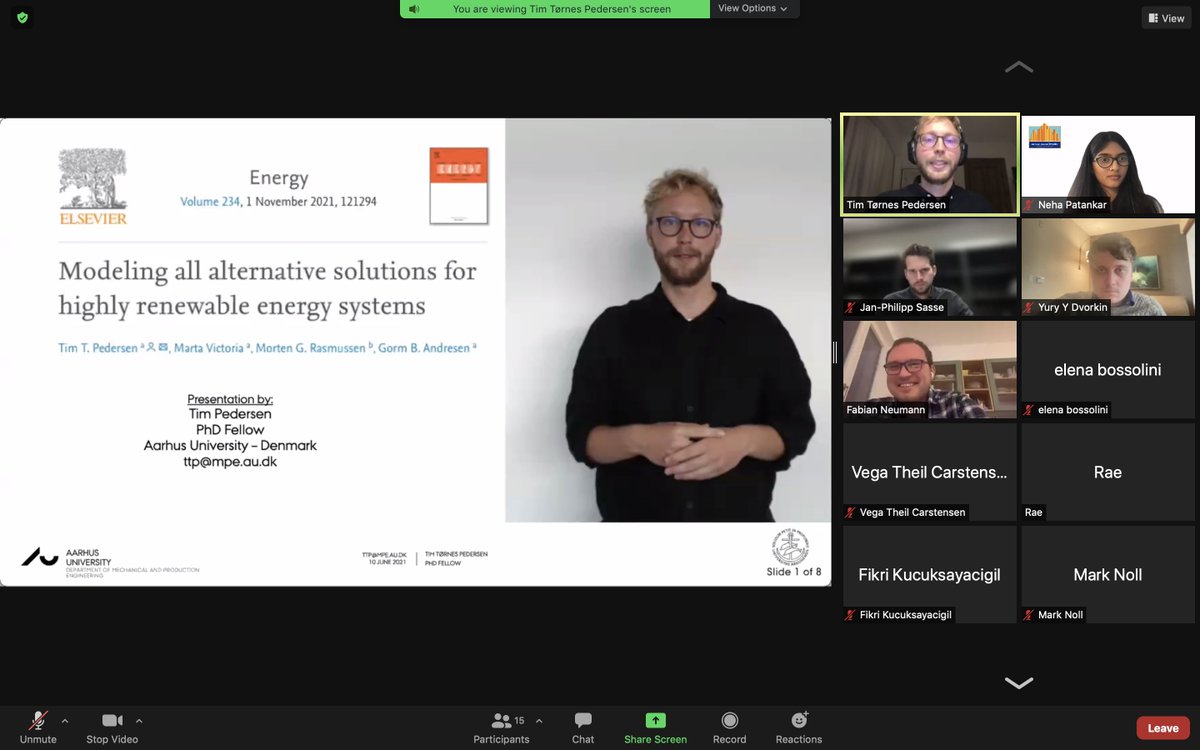
Modelling to generate alternatives (MGA) is gaining attention in the energy modelling community. In Aarhus, we are trying to map ALL alternatives and not only some of them. Learn from the video by PhD student Tim https://t.co/qPeqS6cU5H or read the paper https://t.co/AmhuTbpQm9
My work is building on research applying MGA to energy system models by a wide range of researchers, e.g. @jfdecarolis, @nworbmot, @fneum_, and @stefpf. MGA algorithms are currently gaining large attention, and it will be interesting to follow the future of this emerging field.
As a young researcher, modeling the green future of the European energy sector, I am happy to announce that my first paper has just been made available as a pre-print (https://t.co/j2xXIUmYUd).
Thanks to my co-authors: @martavictoria_p, Morten Rasmussen and Gorm Andresen
In the paper, we address the old-school way of analyzing possible future pathways for the energy system using scenario analysis. Instead, we present a method capable of exploring all alternative scenarios, making continuous ranges of solutions available.