Why should selling be the only way to unlock liquidity from real estate?
It's an interesting question, especially when you consider how much wealth is tied up in property globally.
Real estate has always been one of the most valuable asset classes, but accessing that value isn't always straightforward. You could own a property worth hundreds of thousands of dollars and still have to go through a lengthy process if you need liquidity. Selling means giving up ownership, refinancing comes with its own requirements and unlike many financial assets, property isn't something you can easily liquidate whenever you need to.
This is one of the reasons I find the tokenization of real-world assets particularly interesting. But I think the conversation needs to go beyond simply putting ownership on a blockchain.
What happens after a property is tokenized? Can it be used as collateral? Can investors access liquidity without having to sell their positions? Can they participate in real estate opportunities without the traditional barriers to entry? And can these assets become part of a much larger financial ecosystem rather than existing as tokens that people simply hold?
This is the direction @rntprotocol is exploring.
Rather than treating tokenization as the end goal, RNT is building infrastructure around tokenized real estate, giving these assets different ways to interact with defi.
• Through RNT vaults, users can access diversified real estate investment opportunities and onchain RWA yield through stablecoin deposits, powered by ember protocol. The idea is to make real estate exposure more accessible without having to navigate the traditional process of buying and managing property yourself.
• Then there's RNT lend, which takes things a step further. Eligible real estate security tokens can be used as collateral to borrow stablecoins, allowing holders to access liquidity without necessarily having to sell their positions. On the other side, stablecoin holders can supply liquidity and earn interest from borrowing activity.
And for those looking to participate in the ecosystem itself, $RNT sits at the centre of protocol utility, with staking, governance and fee-sharing mechanisms through $xRNT. Its fixed maximum supply of 200 million tokens also forms part of its tokenomics.
What I find interesting about this approach is that each component addresses a different limitation of traditional real estate investing.
Access to investment opportunities. Liquidity without necessarily selling. The ability to put capital to work. And infrastructure connecting these activities.
Of course, tokenization doesn't magically eliminate the risks associated with real estate, nor does putting an asset onchain automatically guarantee liquidity. The underlying assets, legal structures, market demand and infrastructure still matter.
But the idea that real estate could become more than an asset you buy, hold and eventually sell, and instead participate in a broader financial ecosystem, is worth exploring.
Perhaps the question isn't just how we bring real estate onchain.
It's what we can do with it once it gets there.
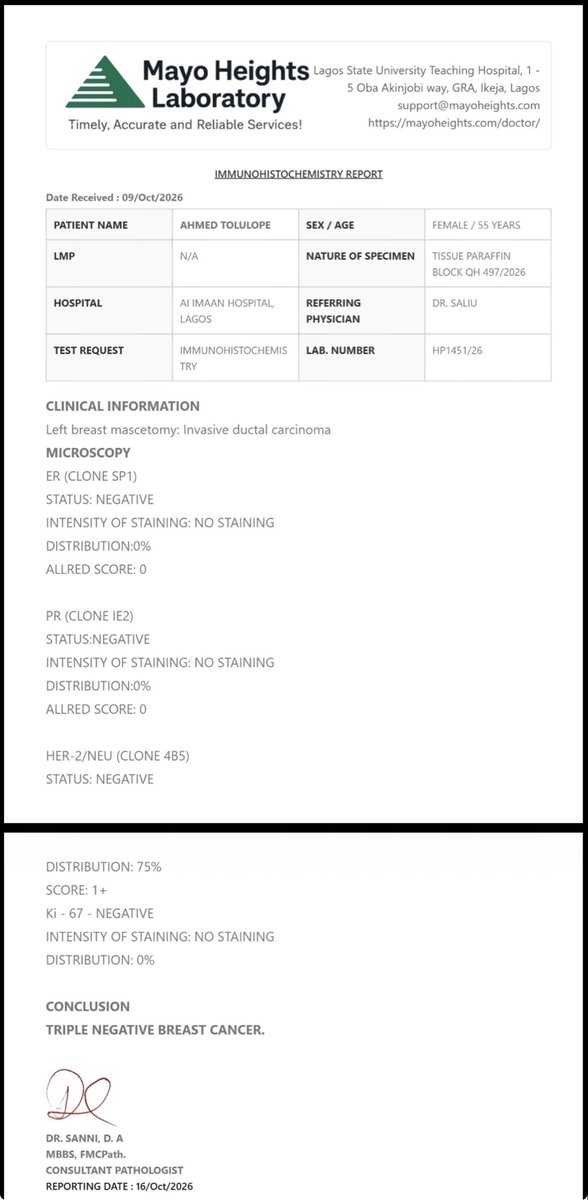
Hi guys, i’m here to ask for help for my Mum, she was diagnosed w breast Cancer couple of months ago.
She had a mastectomy and it’s time for her chemo. but the expenses are too much and we need help.
i’ve created a GoFund me, pls whatever you can assist with. Thank y’all ❤️🙏🏿
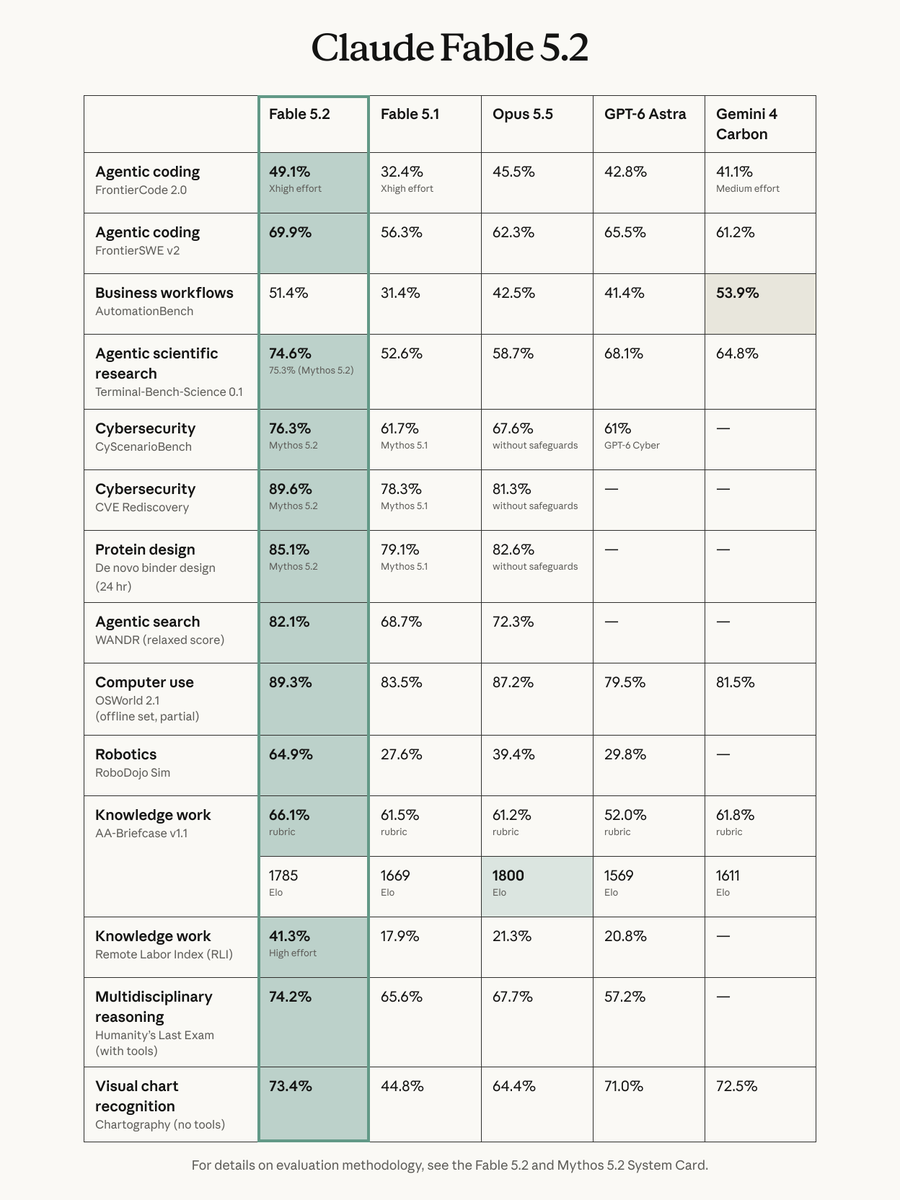
Fable 5.2 and Mythos 5.2 are a step above Opus 5.5 in almost all the capabilities we evaluated.
Testers have found that they communicate more clearly than past Fable and Mythos models. They generate outputs up to 30% faster than Fable 5.1 and Mythos 5.1.