"To keep [Brendan Sorsby] out from the whole season I think is wrong."
@finebaum shares his thoughts on the NCAA denying Brendan Sorsby's request to be reinstated 🏈
The bipartisan SCORE Act ensures college sports are for college athletes, not a safety net for professional players - so while student-athlete leaders across all three divisions support the bill, it is no surprise a handful of pros are opposed.
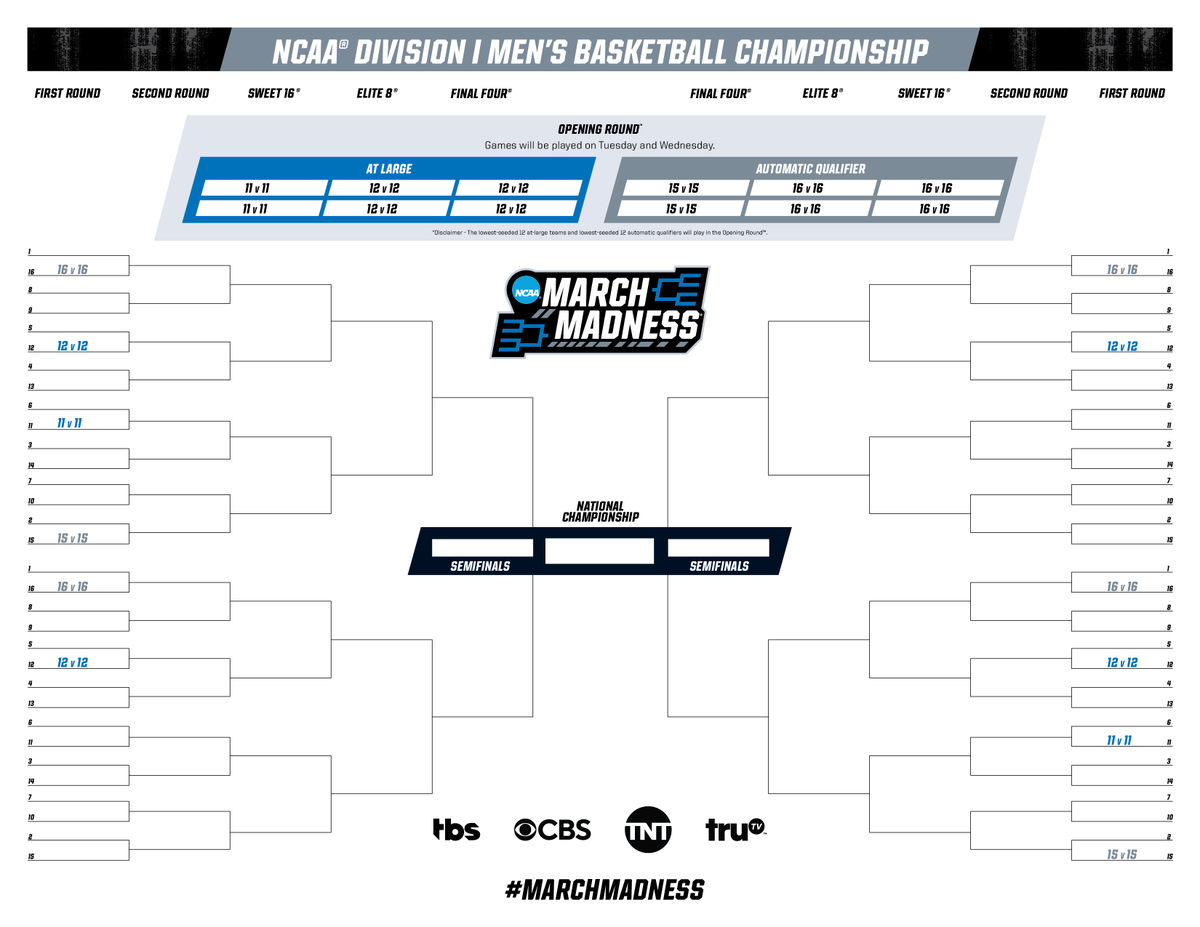
https://t.co/pADQCmoyuf 🏀🏀 The first thing you notice about a 76-team bracket is how much it looks like a 64- or 68-team bracket. Sure, a few seed lines are a little crowded, but the guts of the thing -- and the essence of the NCAA tournament itself -- are unchanged.
We'll have the same symmetry as always by the first Thursday of the tournament, and a lot more good than bad will have transpired by then. In particular, four more single-bid conferences will have won a tournament game (and generated essential revenue for their members). Even better, six of the weakest 12 at-large teams -- formerly the "Last Four In," "First Four Out" and "Next Four Out" -- will have earned their way into the main bracket on the court instead of in the committee room.
There will be unintended consequences, of course: namely, too many middling major conference entries. But the same thing was said in 1975 when at-large bids were first introduced. The world didn't end then, and it won't end now. It might even be better.
@JeremyLamb19@Tim_BuckleyMA@NCAA there's a strict prohibition on advertising and sponsorship restrictions associated with betting during NCAA Championships
The @NCAA has the most aggressive posture toward sports betting among any league in the U.S. and journos who actually know something about betting understand that:
Seeing criticism of the NCAA in the aftermath of the Brendan Sorsby story for hosting championship events in Las Vegas and conferences releasing injury reports. Couple points:
1. 39 states and D.C. have legal betting markets. Las Vegas/Nevada, while synonymous with gambling, is nowhere near the largest betting market in the U.S. anymore. Additionally, prediction markets and daily fantasy sites operate in states that haven’t legalized betting. Where do you want the NCAA to hold events?
2. Releasing injury reports is an effort to decrease the value of information via transparency. It’s an effort to reduce the pressure on athletes and others to disclose this information.
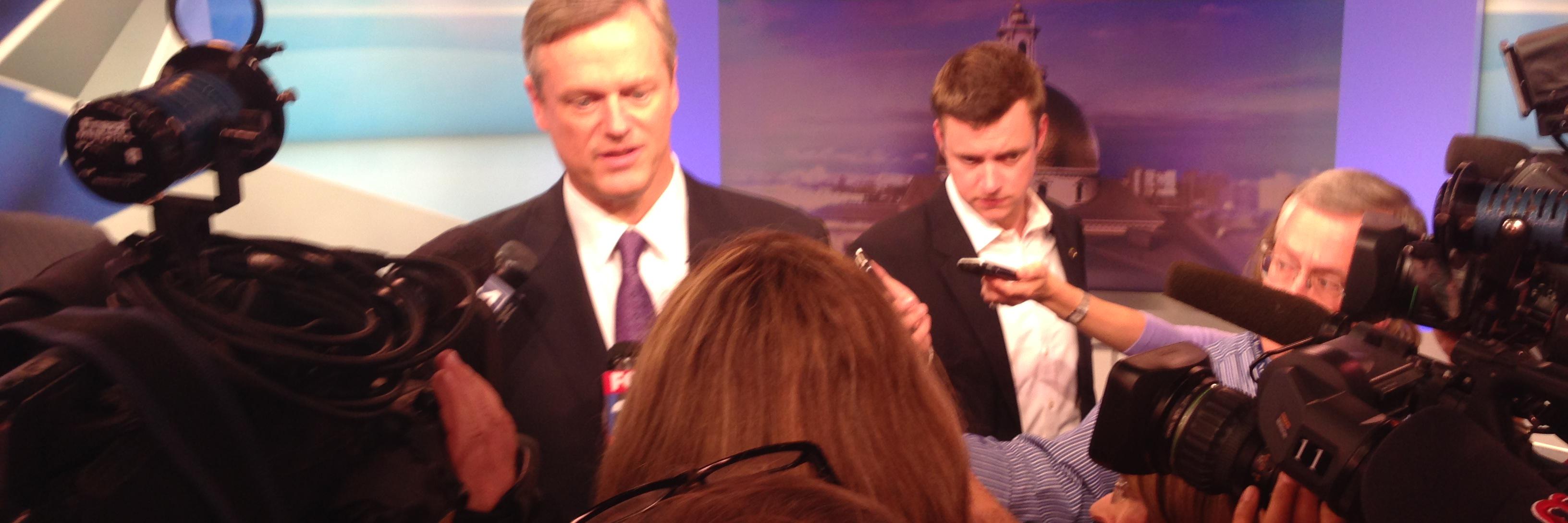
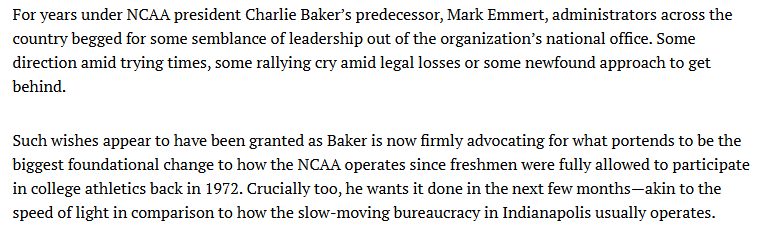
ICYMI: "...@CharlieBakerMA is now firmly advocating for what portends to be the biggest foundational change to how the NCAA operates since freshmen were fully allowed to participate in college athletics back in 1972."
https://t.co/wlQOWfauJb
Happy “Flying Pizza” Day if you’re observing it…
19 years ago today. April 16, 2007, Marathon Day, a fan at Fenway Park chucked a slice of 🍕 at another fan.
It was a custom job.
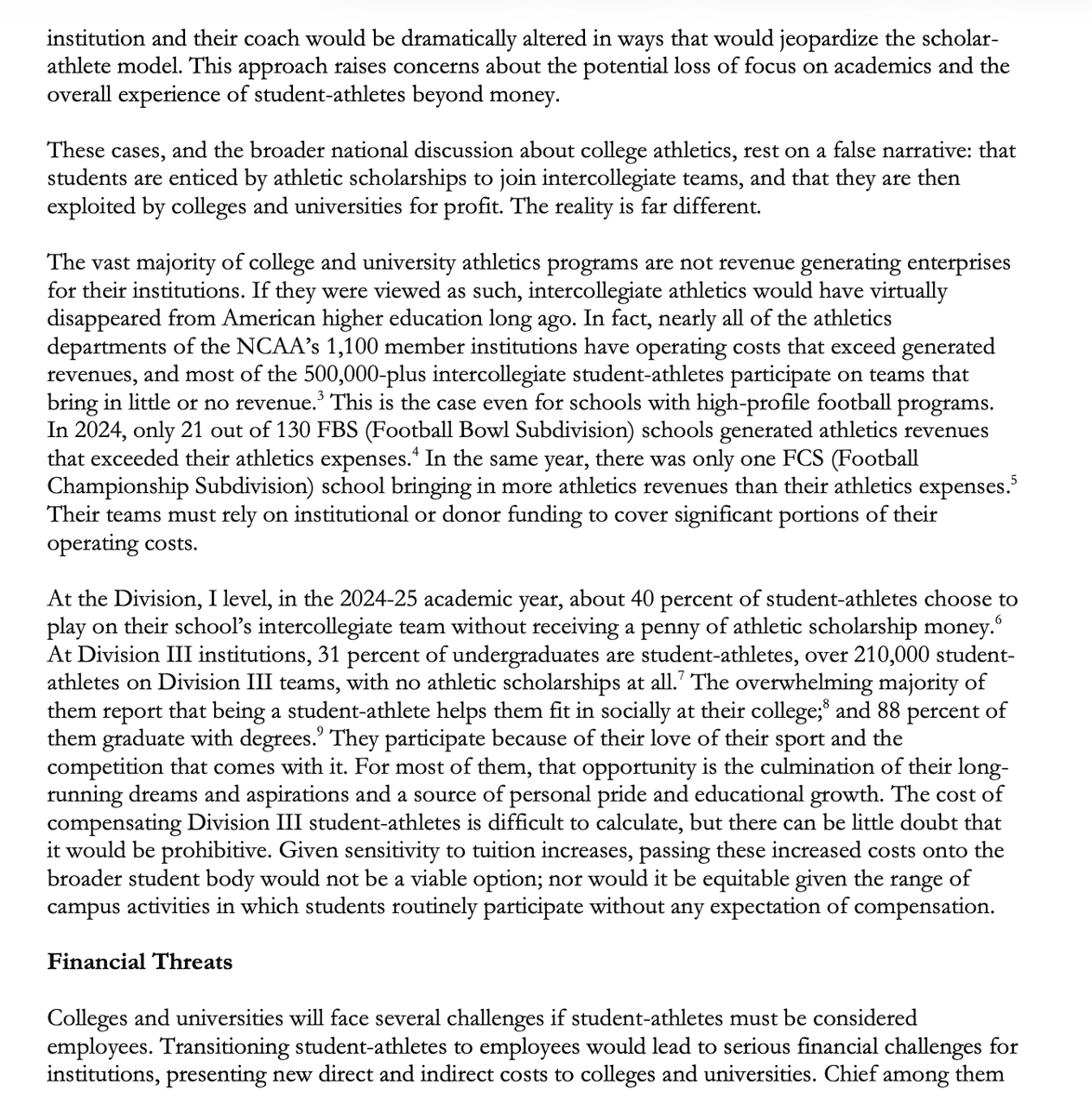
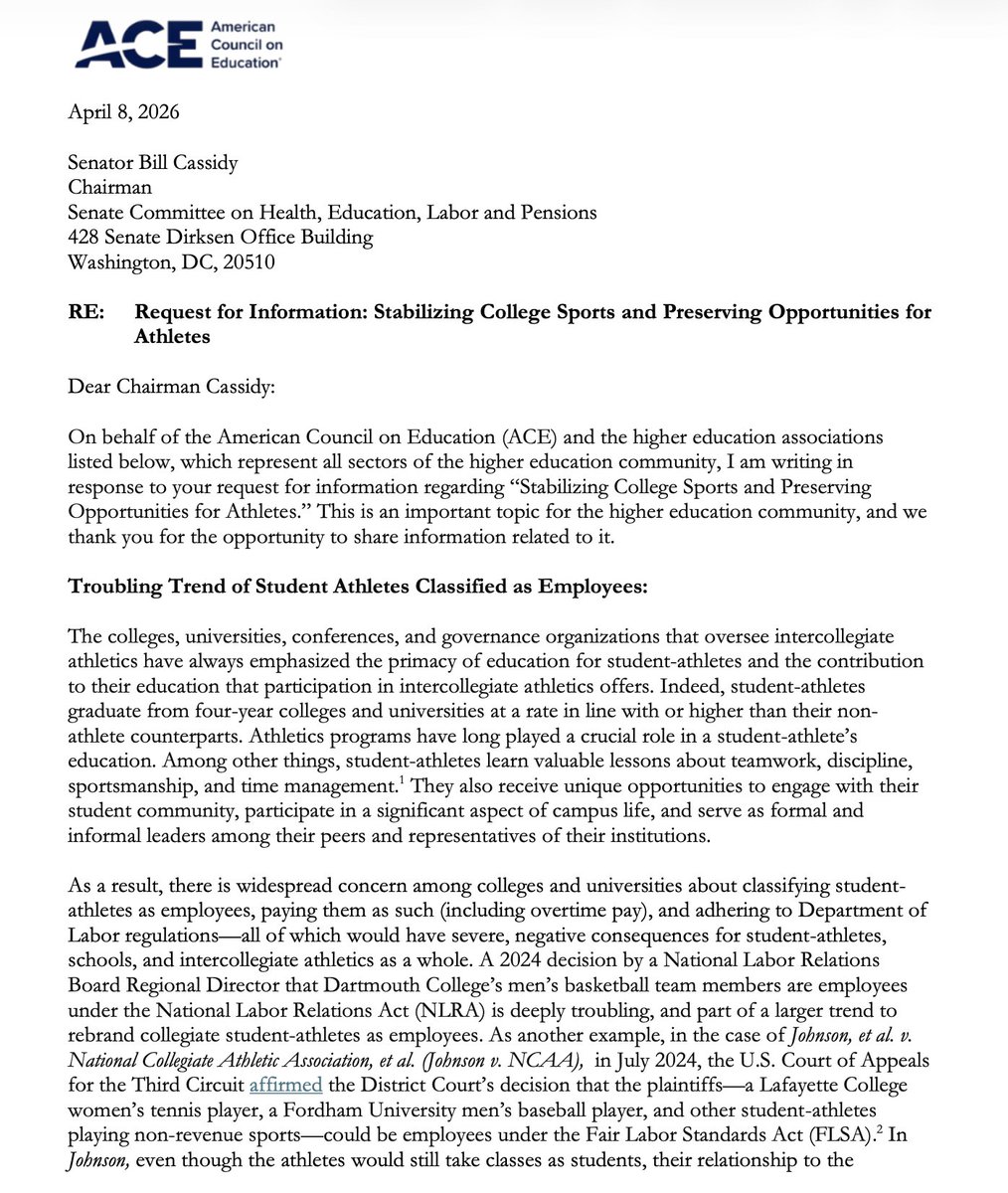
The American Council on Education along with several other higher ed associations penned a letter to Sen. Bill Cassidy, the chair of the Senate HELP Committee, arguing against college athlete employment as “potentially devastating” to the higher education system in America.
Her journey didn't stop when her paralysis started. 🏑
@umichfldhockey's Caylie McMahon overcame incredible feats throughout her time as a student-athlete. From being told she'd never walk again, to signing up to run the @bostonmarathon, Caylie has proven that resilience can overcome anything.
#NCAAFH | 🔗 https://t.co/uv5OD178cI