When alpine skier Mikaela Shiffrin last won an Olympic gold medal, in PyeongChang eight years ago, her father Jeff—known throughout the skiing community for both his unyielding fandom of his phenom daughter and his passion for ski-racing photography—put his hands on his hat in the South Korea cold. “Oh my God!” he yelled.
Two years later, in 2020, Jeff Shiffrin died suddenly, in an accident in his Colorado home. He was 65. Jeff was the one who put Mikaela on skis when she was 2.
So it was only fitting that nearly a decade since that day in South Korea, Mikaela Shiffrin movingly talked about her father on Wednesday, after she won the Olympic gold medal in the slalom race in Cortina d'Ampezzo.
Read more here: https://t.co/uCNmNqrfI1
"If people do not believe that mathematics is simple, it is only because they do not realize how complicated life is."
-- John von Neumann (1903 - 1957)
American soldiers explaining to British soldiers what the American game of baseball is like, May 18, 1918.
More rare historical photos: https://t.co/W7jIvOHun5
@peakaustria Everyone should read this article:
Excerpt: "The billionaires considered using special combination locks on the food supply that only they knew. Or making guards wear disciplinary collars of some kind in return for their survival...."
https://t.co/mr6PAziCEi
The Silicon Valley Billionaires Who Have Designed Our World Have Planned Their Escape
Many have their survival bunkers, private jets, and New Zealand citizenships
Or in Zuck's case, Hawaii
Mark Zuckerberg's compound on Kauai covers 1,400 acres.
Underground tunnels connect the main structures. An 18-foot water tank with its own pump system. (Pictured below)
Five thousand square feet of underground space.
The doors aren't standard security.
They're metal filled with concrete, designed to resist blast waves.
Escape hatches accessible by ladder.
Self-sufficient energy systems.
Self-sufficient food production.
A 6-foot wall around everything.
Workers sign strict NDAs.
Those who mention it on social media are fired immediately.
Cost: $270 million.¹
Peter Thiel bought 477 acres in New Zealand.
Secured citizenship through an "exceptional circumstances" clause anyway.
Later called it "a backup plan in the event of a pandemic or global societal collapse."²
Reid Hoffman said it became code among Silicon Valley billionaires:
"Buying a house in New Zealand is kind of a wink, wink, say no more."³
Between 2015 and 2017, seven Silicon Valley entrepreneurs purchased underground bunkers and installed them in New Zealand. Average price: $3 million.
Luxury models with shooting ranges and theaters: $8 million.⁴
Sam Altman was more direct. In 2016, he disclosed his stockpile:
"Guns, gold, potassium iodide, antibiotics, batteries, water, gas masks from the Israeli Defense Force, and a big patch of land in Big Sur I can fly to."⁵
The potassium iodide is for radiation. The gas masks are military-grade.
The threats: lethal synthetic virus, AI attacking humans, nuclear war.
Ilya Sutskever, former OpenAI chief scientist, proposed building a bunker for OpenAI scientists before AGI release.
Quote from internal meeting: "We're definitely going to build a bunker before we release AGI."⁶
Bryan Johnson sold Braintree for $800 million.
Now spends $2 million annually on anti-aging.
In 2023, he extracted one liter of blood from his 17-year-old son and infused the plasma into his own veins.
The vampire metaphor became medical procedure.
Performed on family. At extraordinary cost.
Hoffman estimated more than half of Silicon Valley billionaires had purchased "apocalypse insurance."⁸
They built Facebook.
They built PayPal.
They built LinkedIn.
They built OpenAI.
They built the systems that shape how billions of humans communicate, work, and think.
They understand technology's trajectory better than almost anyone alive.
And metaphorically speaking, they're digging their own graves
────────────────────────────────────────────────────────────────
¹ Wired, Dec 2023
² The New Yorker, Jan 2017
³ The New Yorker, Jan 2017
⁴ Forbes, Aug 2018
⁵ The New Yorker, Jan 2017
⁶ New York Magazine, Dec 2023
⁷ Bryan Johnson Twitter, Jun 2023
⁸ The New Yorker, Jan 2017
via Stephen Klein
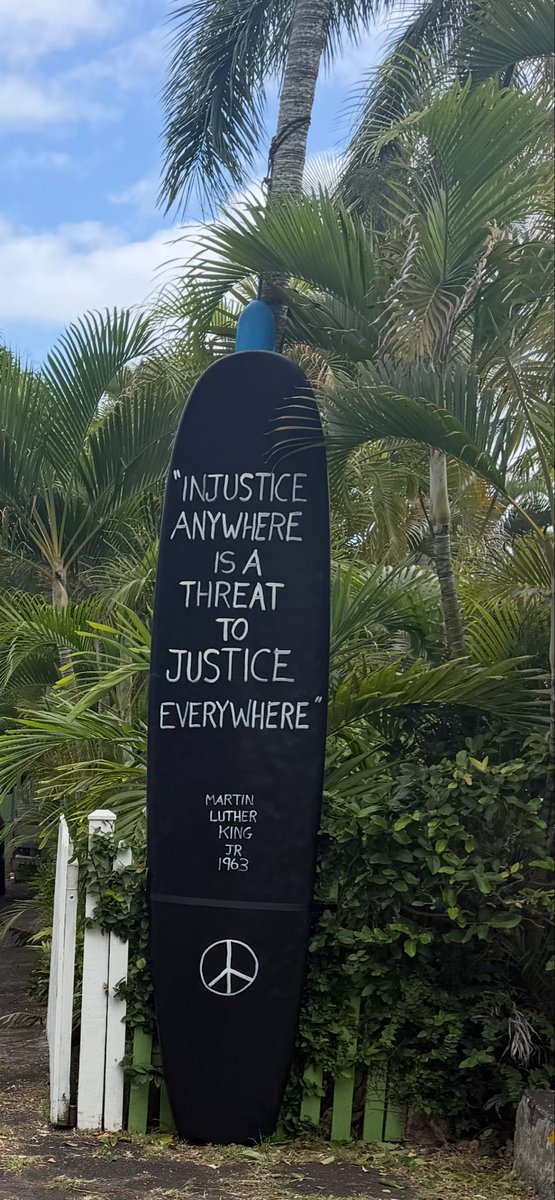
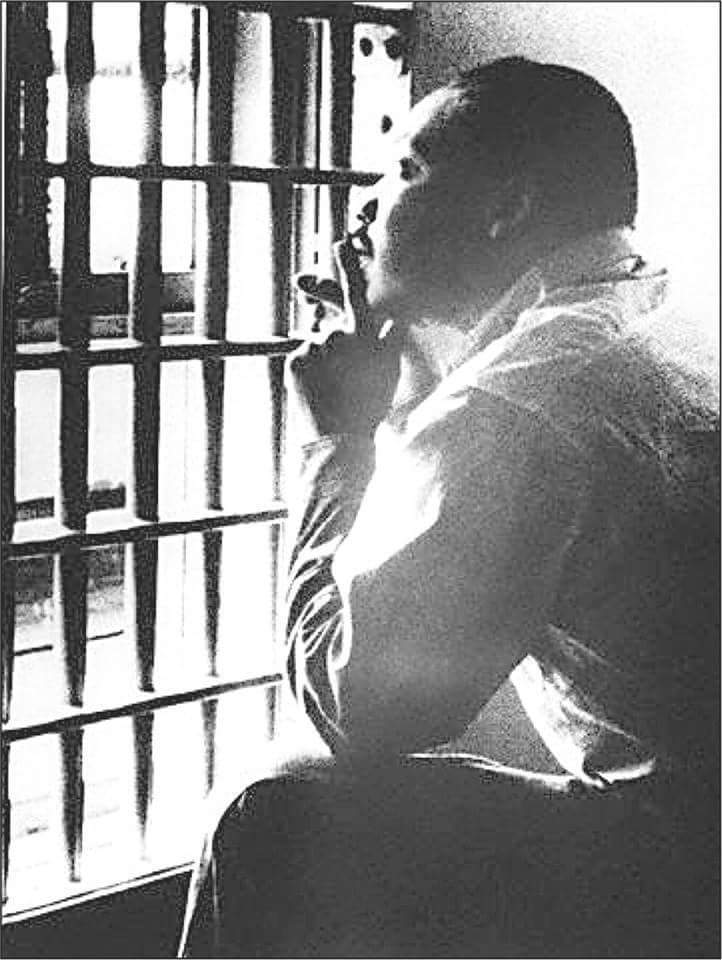
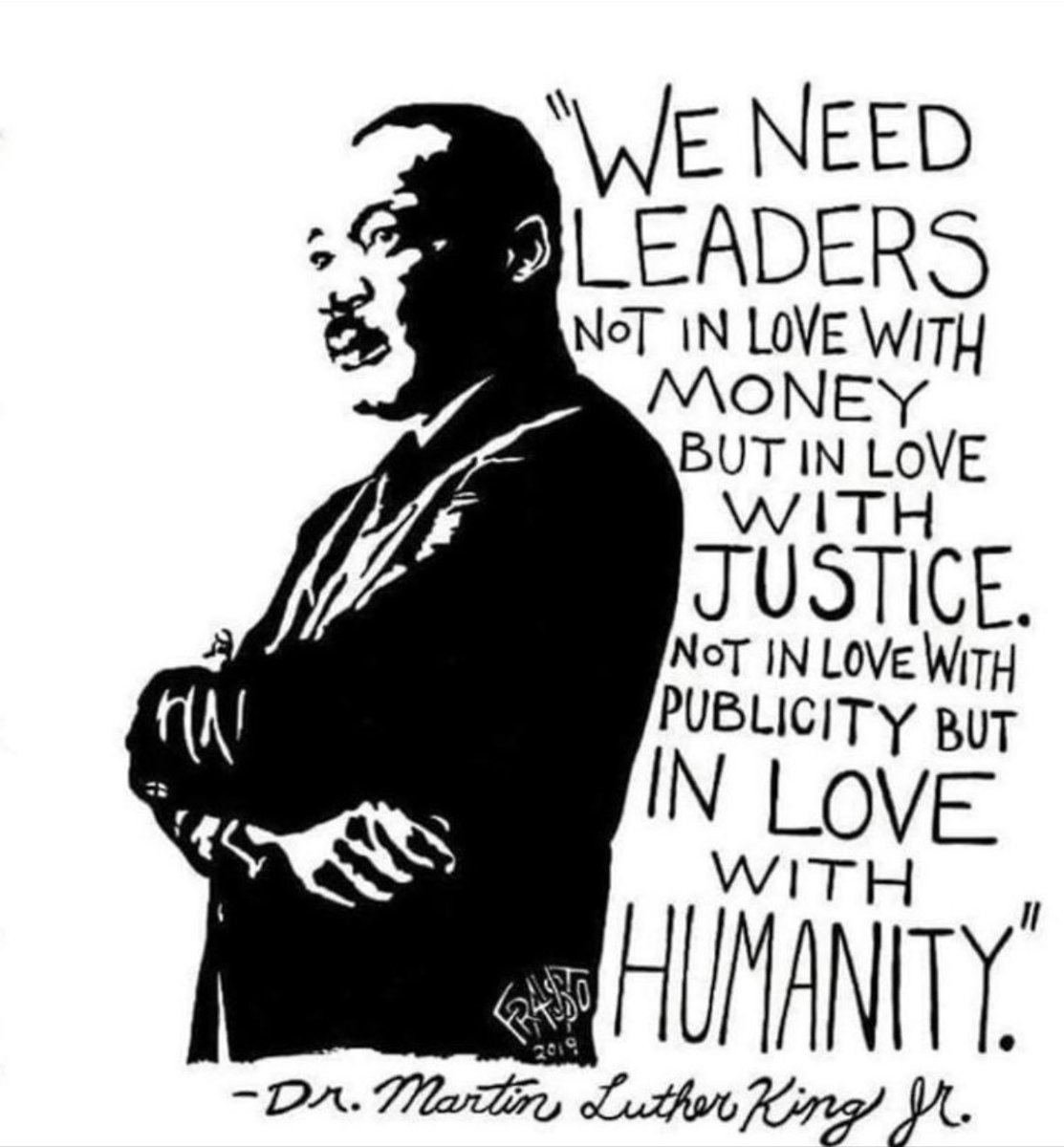
Dr. Martin Luther King, Jr. dedicated his life fighting for equity and justice. He taught us that even in the face of intimidation and discrimination, we must never stop working towards a better future – a lesson that feels especially relevant today.
Change has never been easy. It takes persistence and determination, and requires all of us to speak out and stand up for what we believe in. As we honor Dr. King today, let’s draw strength from his example, and do our part to build on his legacy.
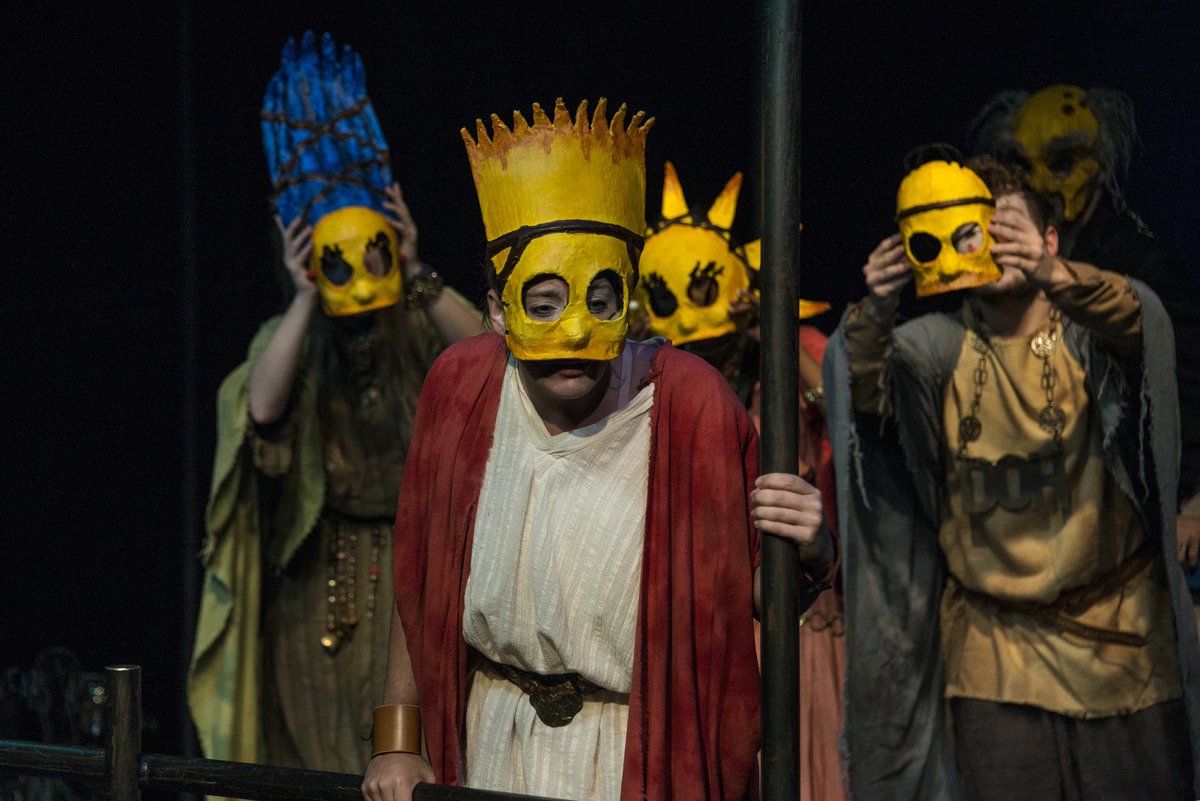
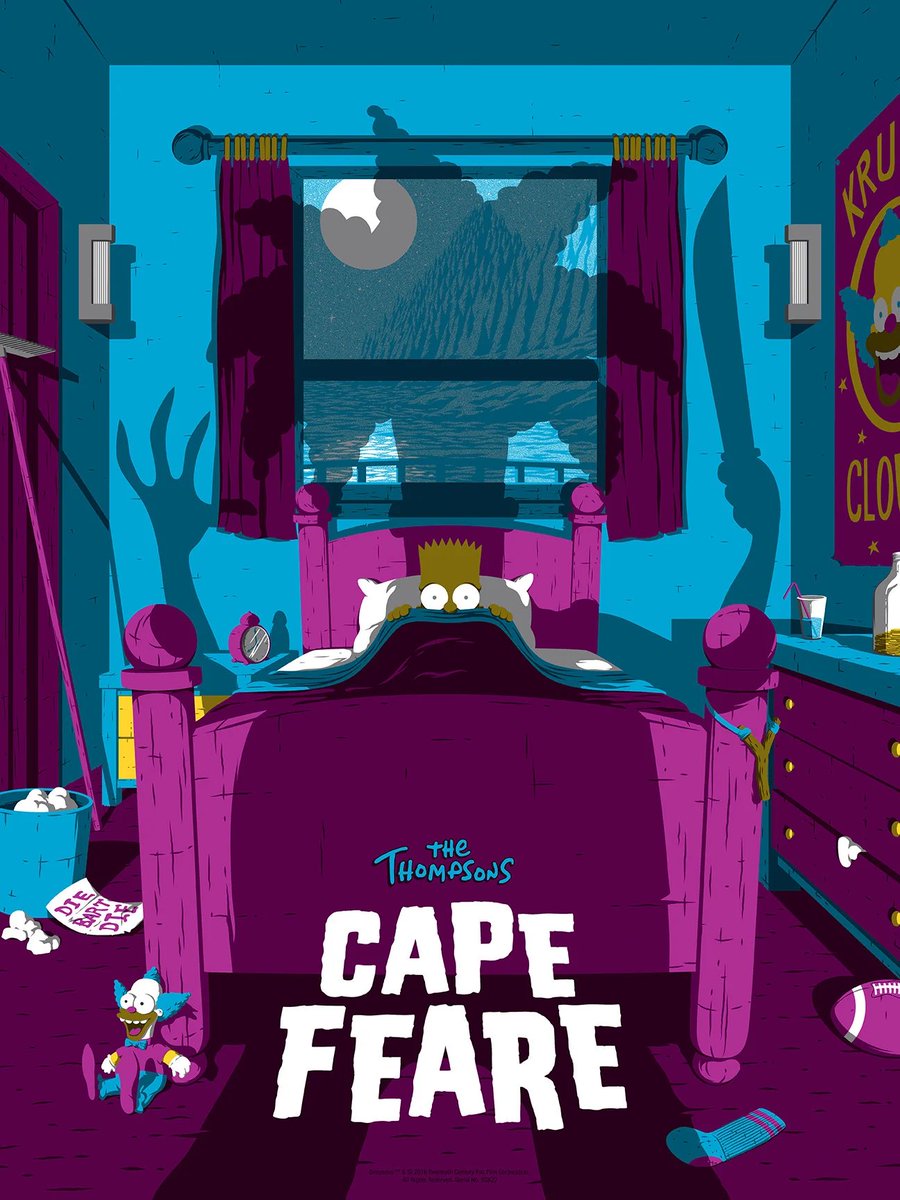
Boots Riley is developing a film adaptation of ‘MR BURNS: A POST-ELECTRIC PLAY’
The stage play follows survivors of an apocalypse who recount ‘The Simpsons’ episode “Cape Feare” to distract themselves & later form a travelling theatre company that performs Simpsons episodes.