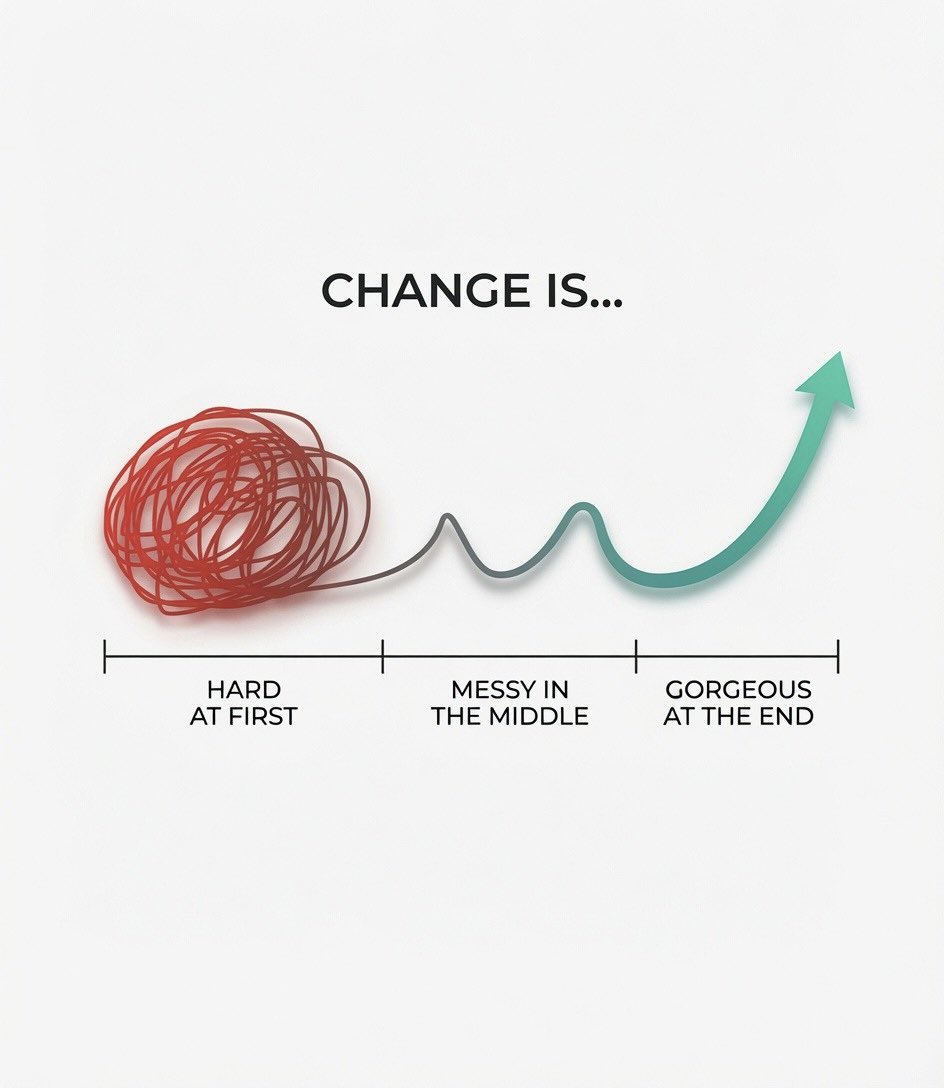
Don't ruin your mental game before the high-probability sessions.
You will need that mental capacity when the time comes. Don't waste it on low-probability conditions.
“The whole secret to winning big in the stock market is not to be right all the time, but to lose the least amount possible when you’re wrong.”
William O’Neil
Paul Tudor Jones: We Lost the Battle, Not the War
That's just total devastation. You know, the agony and the ecstasy? This is what's known as the agony.
We're on the wrong side of the market. What can you say? Just total devastation. We had a game plan, and, yeah, we lost the battle. We haven't lost the war by any stretch of the imagination. Look, we just fumbled. We're still down 17-nothing. It's only the first half, and we can score three touchdowns in the third quarter and take the game easily.
Yeah, we're still up for the month. It's just painful to give, when you got a good profit, it's really painful to give some stuff back. They cost me a lot today, and they're gonna pay me 100% interest for this.
I think we lost about 5% today, which is one of the bigger hits we've ever taken, which is a drag.
I mean, the money's irrelevant. It's just the whole concept of having an analysis that's so completely off the mark, that, you know, it's a mental blow. It's an intellectual blow. And, you know, it's part of the business. This is going to happen a thousand times in the next five years to me. So it's just something you learn to live with. I hate it.
Silver looks great as a swing trade as of now.
This is strictly from a short-term and risk:reward perspective and must be treated in isolation of any long-term holdings taken.
I like taking contra trades for sure. I also trade momentum and mean reversion.
I change my strategies depending on a variety of factors. One important factor to assess is the market regime and trade accordingly.
Our markets have been rangebound for the last 2 years, which makes it harder to profit from momentum strategies.
In trending/bullish markets, it makes sense to play trend-following and be long-only. Beyond market regimes, you can also look at where capital will flow next.
For example, during the peak of our equity markets in 2024, I rotated my capital into gold and silver, and it ended up working well for me.
Focus on liquidity flows, asset allocation, and the current market regime. It’ll make trading the markets much easier.
𝗧𝗛𝗘 𝗕𝗜𝗚𝗚𝗘𝗦𝗧 𝗠𝗢𝗡𝗘𝗬 𝗖𝗢𝗠𝗘𝗦 𝗔𝗙𝗧𝗘𝗥 𝗖𝗢𝗥𝗥𝗘𝗖𝗧𝗜𝗢𝗡𝗦
(This week's follow-through day is a start. The biggest money is made in the weeks after a correction, not on the bounce itself.)
"I think there's gonna be incredible opportunities ahead. One thing the corrections taught me is that the biggest gains come after corrections. I made 50% here, I tripled my accounts, or maybe even more. We had a high breadth rally. So the biggest money comes after these corrections or long consolidations."
I think one of the hardest things in trading is how quickly confidence can disappear.
You can go through a stretch where nothing works, get stopped out a few times in a row, miss the one move that actually runs, and suddenly you start hesitating on setups you would normally take without thinking twice. The problem is that once confidence gets hit, it starts changing your behavior. You size smaller when you should size normally, you pass on good trades, you enter late, you manage differently... and then even when your edge starts working again, you’re not really there to take advantage of it.
For me, the big realization over time has been that confidence can’t come only from recent results. If it does, you’re always going to be mentally chasing your own P&L. Confidence has to come from knowing your process, knowing what your edge looks like, understanding that losing streaks are part of the game, and knowing that you’ve been through this before.
That doesn’t mean being blindly confident or ignoring when something is actually wrong. It means not letting a bad stretch convince you that you suddenly forgot how to trade.
I think a lot of traders lose their edge mentally before they ever lose it technically.
The market doesn't reward conviction.
You can do extensive research, have a compelling thesis, and be absolutely convinced you're right.
And still lose money.
Conviction without risk management can be dangerous.
The stronger your conviction, the more important it is to remain open to being wrong.
A SYSTEM makes you money.
RISK MANAGEMENT keeps it.
EMOTIONAL CONTROL multiplies it.
Master all 3 and you're NOT just trading. You're building WEALTH.
BUT most traders obsess over the system and ignore the other two.
Which one are you working on right now?
Lower Time Frame = Need Good Strategy + fast execution skills + not going into a spiral during the loss phase
Higher Time Frame = Need a good strategy + Patience + More time doing nothing
Choose Your Poison
Whichever kind of momentum trading that you do, you would have noticed that there are periods when breadth is X and you are having a very high win rate.
Once breadth reduces and goes to Y, your win rate drops drastically.
If you have made money from your trading in breadth X, why even bother trading in breadth Y?
Why try to force your style in a market that clearly doesn’t support it?
Go through your past trades and understand your style and correlation with market breadth.
Do not just wake up to punch trades every day.
X will give you immense FOMO as everyone is making money in every environment.
Do not listen to such traders, posting only 2 winners and hiding 8 SLs is very convenient.
Back test your own trades and understand the intricacies!