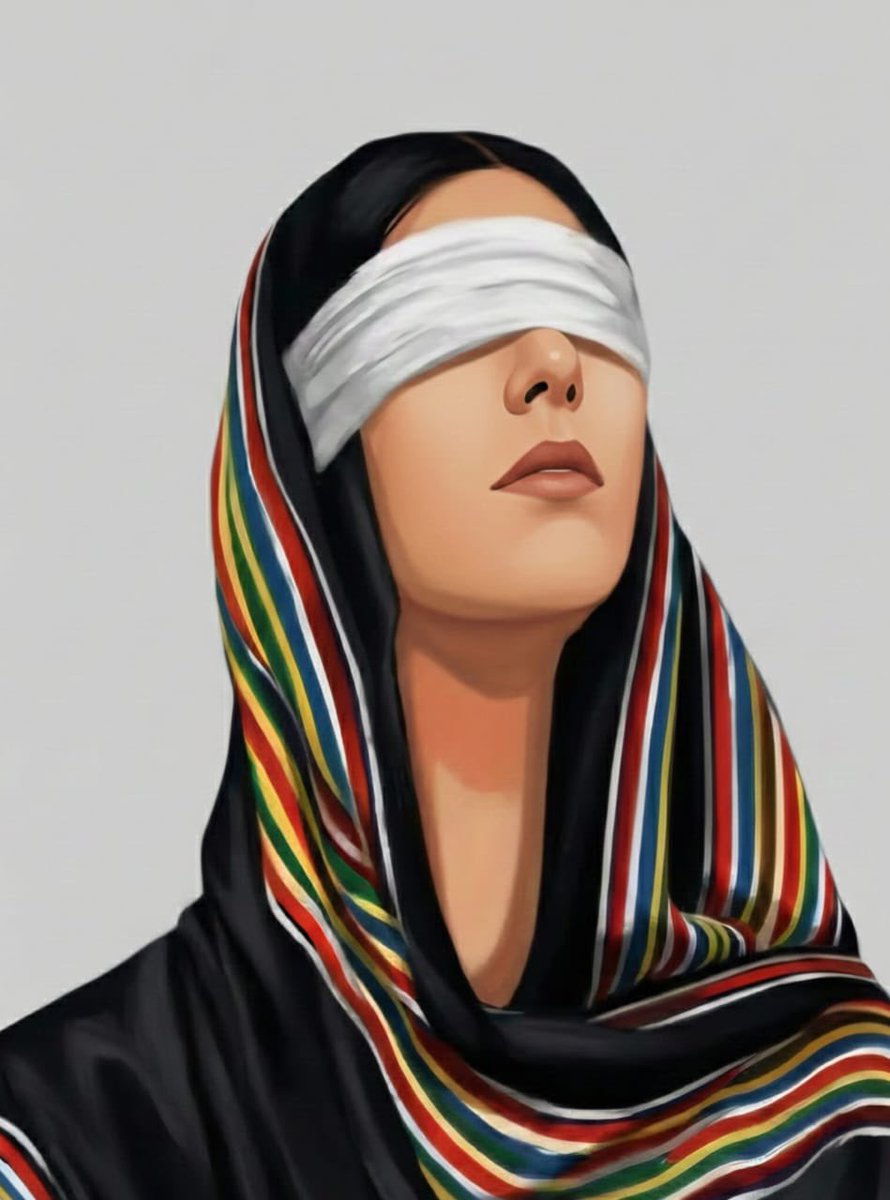
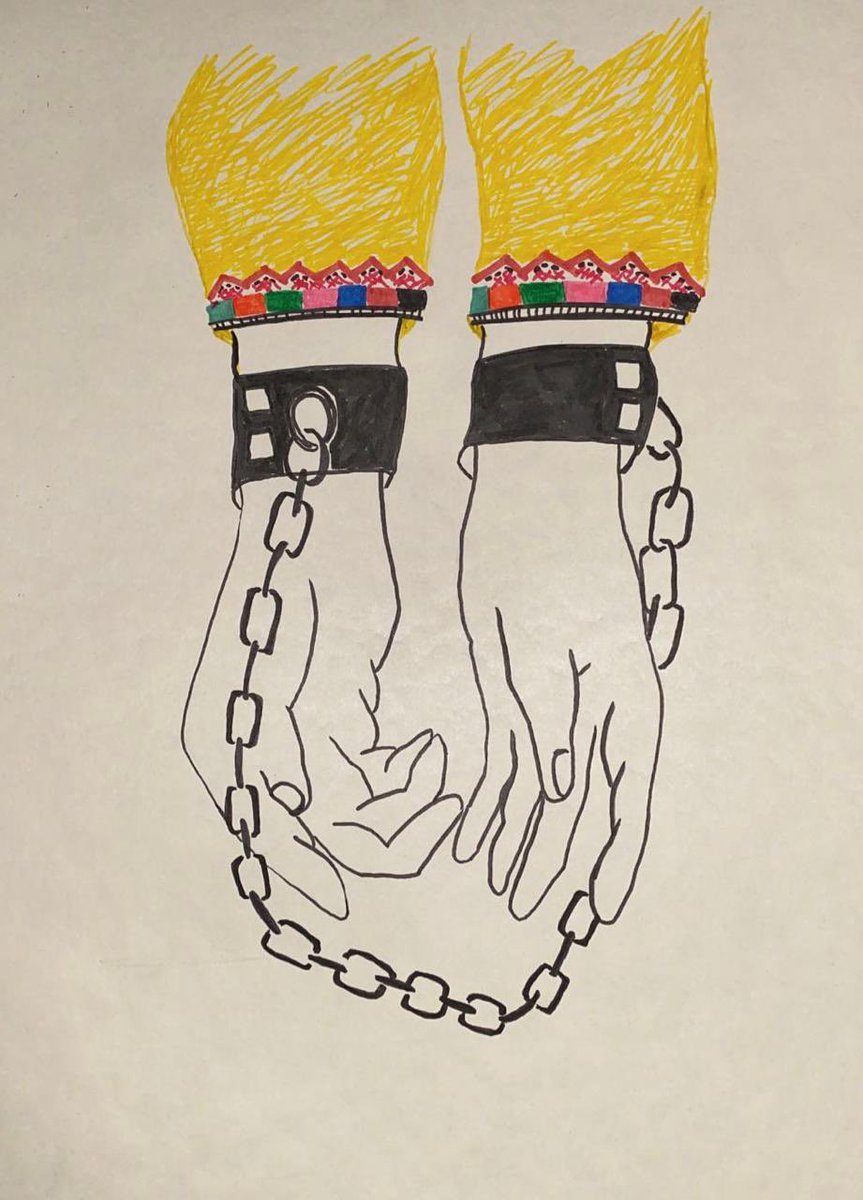
𝗠𝘆 𝗬𝗲𝗮𝗿 𝗶𝗻 𝗦𝗼𝗹𝗶𝘁𝗮𝗿𝘆 𝗖𝗼𝗻𝗳𝗶𝗻𝗲𝗺𝗲𝗻𝘁 𝗵𝗮𝘀 𝗻𝗼𝘁 𝗕𝗿𝗼𝗸𝗲𝗻 𝗺𝗲. 𝗠𝘆 𝗣𝗲𝗮𝗰𝗲𝗳𝘂𝗹 𝗙𝗶𝗴𝗵𝘁 𝗳𝗼𝗿 𝗕𝗮𝗹𝗼𝗰𝗵 𝗥𝗶𝗴𝗵𝘁𝘀 𝗶𝗻 𝗣𝗮𝗸𝗶𝘀𝘁𝗮𝗻 𝗚𝗼𝗲𝘀 𝗼𝗻.
𝙈𝙖𝙝𝙧𝙖𝙣𝙜 𝘽𝙖𝙡𝙤𝙘𝙝 (𝘖𝘳𝘪𝘨𝘯𝘢𝘭𝘭𝘺 𝘗𝘶𝘣𝘭𝘪𝘴𝘩𝘦𝘥 𝘰𝘯 𝘛𝘩𝘦 𝘎𝘶𝘢𝘳𝘥𝘪𝘢𝘯)
It’s 9 pm and I’m sitting alone in my cell in block nine as I write these lines. I’ve been in solitary confinement for a year now. In fact, I turned 30 here.
The silence has a weight to it, something that presses in on you the longer you sit with it.
Two other defenders and members of the Baloch Yakjehti Committee (BYC), the organisation I founded to advocate against human rights violations in Balochistan are here too, in cells next to mine. There are nine cells in this block in Central Jail Huda in Quetta, but we are kept away from the other women. They tell us, because we are political prisoners, we are not allowed to interact. I suppose they are scared we might influence them.
Isolation leaves me cut off and suspended in time. Butthe greater pain is knowing my family is targeted for my political activism. My 20-sq-metre cell is bare, with only a small cot and a corner commode – designed to make solitary confinement as harsh as possible for prisoners.
Books and, until last October, exercise have kept me sane. After a weeklong hunger strike in June 2025, we were allowed a few newspapers and books, though no television. Since last October, severe back and joint pain have prevented me from exercising.
As a doctor, I tried to treat myself. In February, when my condition worsened, I was finally hospitalised and diagnosed with a slipped disc and radiculopathy [compressed or irritated nerve roots in the spine].
Over time, I’ve forced myself into a routine, in an effort to maintain some order. I wake up early and spend most of my time studying politics. Books remind me there is a world beyond these walls. Yet isolation leaves me cut off and suspended in time.
Even as I endure this, the greater pain is knowing my family is being relentlessly targeted for my political activism. My cousin Salal Baloch was forcibly disappeared. On 12 March this year, my 19-year-old cousin, Saifullah Baloch, was picked up and remains missing. My brother is on the fourth schedule – a watch list that imposes strict monitoring, travel bans, mandatory police reporting, and financial restrictions for up to three years – and is continually harassed by the counter-terrorism department. Whenever my sister speaks out in press conferences for our release, she is harassed, and has also been charged. These tactics are meant to break me and force me to abandon my political struggle.
Our cases are heard inside the jail, usually on Saturdays when outsiders cannot attend. Phone calls are banned, despite the jail guidelines allowing two a week.
I know our detention is a punishment for demanding our rights. It has strengthened my resolve and confirmed the justice of our cause.
Since our arrest in March last year, every effort has been made to break us. My companion Beebow Baloch was beaten during her transfer from Pishin
jail. Another activist, Beebarg Zehri, suffered a urethral stricture because of the poor conditions in his cell. Yet none of us has given in. Perhaps it is our political grounding, or the strength of our beliefs, that sustains us. Or perhaps it is faith in our people – who, even under oppression, have not lost moral courage. This fills me with pride.
On the night of our arrest, the police killed a peaceful activist and two passers-by and beat up other protesters. This showed me that our struggle is not personal but part of decades of injustice against the Baloch people. It is about our survival. I am certain my purpose is to fight for the justice and prosperity of Baloch families; that is my calling.
State violence means no home in Balochistan is safe. Enforced disappearances are widespread; victims are killed in staged encounters; relatives are………
𝗘𝗶𝗴𝗵𝘁 𝗗𝗮𝘆𝘀 𝗼𝗳 𝗘𝗻𝗳𝗼𝗿𝗰𝗲𝗱 𝗗𝗶𝘀𝗮𝗽𝗽𝗲𝗮𝗿𝗮𝗻𝗰𝗲, 𝗦𝘁𝘂𝗱𝗲𝗻𝘁 𝗭𝗮𝗺𝗲𝗲𝗿 𝗗𝗮𝗿𝗴𝗮𝗿𝘇𝗮𝗶 𝗘𝘅𝘁𝗿𝗮𝗷𝘂𝗱𝗶𝗰𝗶𝗮𝗹𝗹𝘆 𝗞𝗶𝗹𝗹𝗲𝗱
𝙈𝙖𝙧𝙘𝙝 11, 2026 - 𝙒𝙖𝙨𝙝𝙖𝙥, 𝘾𝙝𝙞𝙩𝙠𝙖𝙣, 𝙋𝙖𝙣𝙟𝙜𝙪𝙧, 𝘽𝙖𝙡𝙤𝙘𝙝𝙞𝙨𝙩𝙖𝙣
Zameer Dargarzai Baloch, son of Nasir Dargarzai, an 18-year-old student from the Sardo area of Panjgur, was extrajudicially killed after eight days of enforced disappearance.
He was forcibly disappeared on March 3, 2026, from Tarfees, Chitkan in Panjgur by death squads. His body was dumped on March 11, 2026, in the Washap area of Panjgur.
This tragedy reflects a painful family history. His father, Nasir Dargarzai, was also forcibly disappeared in 2011. He was later shot and his body was dumped. Although he survived and received medical treatment, he was forcibly disappeared again and eventually killed. Today, the same cruelty has been repeated against his son.
The Baloch Yakjehti Committee (BYC) strongly condemns this brutality. Such acts have become a systematic pattern in Balochistan, where Baloch youth and students are forcibly disappeared, killed, and their bodies dumped.
What kind of state allows such crimes against its own people? In Panjgur, the dumping of Baloch bodies has become a daily reality, raising serious questions about a system that treats its own citizens in this manner.
BYC calls on the international community and human rights organizations to urgently take notice of the ongoing violence in Balochistan, where the lives of Baloch youth are increasingly treated as if they have no value.
#StopBalochGenocide
We request all of you to join our protest against the enforced disappearance of Hani Baloch, Hir Nisa, Mujahid, and Fareed in front of the Quetta Press Club at 12 :00 PM tomorrow, 27 December 2025.
@BsacQtaZone @BYCShaalZone @ShaleeBaloch
@HumanRightsWatch @BalochWF
25 December 2025 – Kech, Tejaban, Karki.
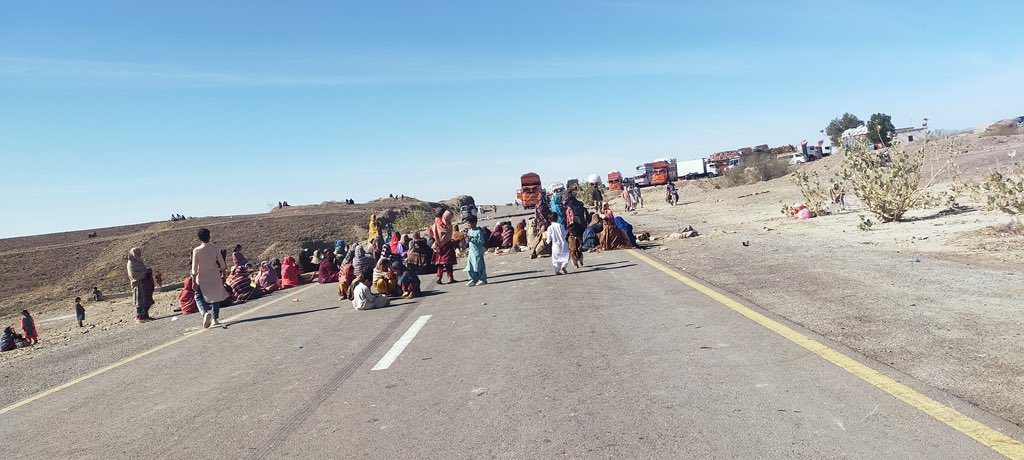
Today marks the third day of a peaceful sit-in at Tejaban Karki, where the CPEC road remains blocked. In the coldest winter weather, families continue their protest, sitting on the road with patience, pain, and dignity.
Their demand is simple and human:
End enforced disappearances.
They are waiting for their loved ones:
•Hani Dilwash
•Hair Nisa
•Mujahid Dilwash
•Fareed Ijaz
Despite the passing days, the government has offered no response, no clarification, no accountability. Silence has replaced responsibility.
This protest is not violence. It is grief.
It is mothers, fathers, and families asking for the most basic human rights: the right to know where their loved ones are, and the right to life, dignity, and justice.
In freezing temperatures, these families sit peacefully, proving that enforced disappearances are not just a political issue; they are a grave human rights violation.
Their bodies are cold, but their hope is burning. And their voices will not be erased by silence.
#SaveBalochWomen
#EndEnforcedDisappearances
24 December 2025 | Kech, Tejaban Karki
For the second consecutive day, the CPEC road remains blocked as families of the forcibly disappeared continue their peaceful sit-in protest. Under the open sky, in the freezing cold night, they refuse to give up, because the pain of absence is colder than the weather itself.
Fareed Ijaz, Hani Dilwash, Hair-Nisa, and Mujahid Dilwash are still missing. Their names echo through the silence, carried by mothers’ tears and families’ unwavering hope.
Late at night, the Assistant Commissioner arrived for negotiations, but the families rejected hollow assurances. Their demand was simple and human: bring back our loved ones. This protest is not a crime; it is a cry for justice, dignity, and the most basic human right. the right to life and liberty.
#SaveBalochWomen
#EndEnforcedDisappearance


![BalochYakjehtiC's tweet photo. 𝗠𝘆 𝗬𝗲𝗮𝗿 𝗶𝗻 𝗦𝗼𝗹𝗶𝘁𝗮𝗿𝘆 𝗖𝗼𝗻𝗳𝗶𝗻𝗲𝗺𝗲𝗻𝘁 𝗵𝗮𝘀 𝗻𝗼𝘁 𝗕𝗿𝗼𝗸𝗲𝗻 𝗺𝗲. 𝗠𝘆 𝗣𝗲𝗮𝗰𝗲𝗳𝘂𝗹 𝗙𝗶𝗴𝗵𝘁 𝗳𝗼𝗿 𝗕𝗮𝗹𝗼𝗰𝗵 𝗥𝗶𝗴𝗵𝘁𝘀 𝗶𝗻 𝗣𝗮𝗸𝗶𝘀𝘁𝗮𝗻 𝗚𝗼𝗲𝘀 𝗼𝗻.
𝙈𝙖𝙝𝙧𝙖𝙣𝙜 𝘽𝙖𝙡𝙤𝙘𝙝 (𝘖𝘳𝘪𝘨𝘯𝘢𝘭𝘭𝘺 𝘗𝘶𝘣𝘭𝘪𝘴𝘩𝘦𝘥 𝘰𝘯 𝘛𝘩𝘦 𝘎𝘶𝘢𝘳𝘥𝘪𝘢𝘯)
It’s 9 pm and I’m sitting alone in my cell in block nine as I write these lines. I’ve been in solitary confinement for a year now. In fact, I turned 30 here.
The silence has a weight to it, something that presses in on you the longer you sit with it.
Two other defenders and members of the Baloch Yakjehti Committee (BYC), the organisation I founded to advocate against human rights violations in Balochistan are here too, in cells next to mine. There are nine cells in this block in Central Jail Huda in Quetta, but we are kept away from the other women. They tell us, because we are political prisoners, we are not allowed to interact. I suppose they are scared we might influence them.
Isolation leaves me cut off and suspended in time. Butthe greater pain is knowing my family is targeted for my political activism. My 20-sq-metre cell is bare, with only a small cot and a corner commode – designed to make solitary confinement as harsh as possible for prisoners.
Books and, until last October, exercise have kept me sane. After a weeklong hunger strike in June 2025, we were allowed a few newspapers and books, though no television. Since last October, severe back and joint pain have prevented me from exercising.
As a doctor, I tried to treat myself. In February, when my condition worsened, I was finally hospitalised and diagnosed with a slipped disc and radiculopathy [compressed or irritated nerve roots in the spine].
Over time, I’ve forced myself into a routine, in an effort to maintain some order. I wake up early and spend most of my time studying politics. Books remind me there is a world beyond these walls. Yet isolation leaves me cut off and suspended in time.
Even as I endure this, the greater pain is knowing my family is being relentlessly targeted for my political activism. My cousin Salal Baloch was forcibly disappeared. On 12 March this year, my 19-year-old cousin, Saifullah Baloch, was picked up and remains missing. My brother is on the fourth schedule – a watch list that imposes strict monitoring, travel bans, mandatory police reporting, and financial restrictions for up to three years – and is continually harassed by the counter-terrorism department. Whenever my sister speaks out in press conferences for our release, she is harassed, and has also been charged. These tactics are meant to break me and force me to abandon my political struggle.
Our cases are heard inside the jail, usually on Saturdays when outsiders cannot attend. Phone calls are banned, despite the jail guidelines allowing two a week.
I know our detention is a punishment for demanding our rights. It has strengthened my resolve and confirmed the justice of our cause.
Since our arrest in March last year, every effort has been made to break us. My companion Beebow Baloch was beaten during her transfer from Pishin
jail. Another activist, Beebarg Zehri, suffered a urethral stricture because of the poor conditions in his cell. Yet none of us has given in. Perhaps it is our political grounding, or the strength of our beliefs, that sustains us. Or perhaps it is faith in our people – who, even under oppression, have not lost moral courage. This fills me with pride.
On the night of our arrest, the police killed a peaceful activist and two passers-by and beat up other protesters. This showed me that our struggle is not personal but part of decades of injustice against the Baloch people. It is about our survival. I am certain my purpose is to fight for the justice and prosperity of Baloch families; that is my calling.
State violence means no home in Balochistan is safe. Enforced disappearances are widespread; victims are killed in staged encounters; relatives are………](https://pbs.twimg.com/media/HE6dyjaacAAz7oe.jpg)




![BalochYakjehtiC's tweet photo. 𝗠𝘆 𝗬𝗲𝗮𝗿 𝗶𝗻 𝗦𝗼𝗹𝗶𝘁𝗮𝗿𝘆 𝗖𝗼𝗻𝗳𝗶𝗻𝗲𝗺𝗲𝗻𝘁 𝗵𝗮𝘀 𝗻𝗼𝘁 𝗕𝗿𝗼𝗸𝗲𝗻 𝗺𝗲. 𝗠𝘆 𝗣𝗲𝗮𝗰𝗲𝗳𝘂𝗹 𝗙𝗶𝗴𝗵𝘁 𝗳𝗼𝗿 𝗕𝗮𝗹𝗼𝗰𝗵 𝗥𝗶𝗴𝗵𝘁𝘀 𝗶𝗻 𝗣𝗮𝗸𝗶𝘀𝘁𝗮𝗻 𝗚𝗼𝗲𝘀 𝗼𝗻.
𝙈𝙖𝙝𝙧𝙖𝙣𝙜 𝘽𝙖𝙡𝙤𝙘𝙝 (𝘖𝘳𝘪𝘨𝘯𝘢𝘭𝘭𝘺 𝘗𝘶𝘣𝘭𝘪𝘴𝘩𝘦𝘥 𝘰𝘯 𝘛𝘩𝘦 𝘎𝘶𝘢𝘳𝘥𝘪𝘢𝘯)
It’s 9 pm and I’m sitting alone in my cell in block nine as I write these lines. I’ve been in solitary confinement for a year now. In fact, I turned 30 here.
The silence has a weight to it, something that presses in on you the longer you sit with it.
Two other defenders and members of the Baloch Yakjehti Committee (BYC), the organisation I founded to advocate against human rights violations in Balochistan are here too, in cells next to mine. There are nine cells in this block in Central Jail Huda in Quetta, but we are kept away from the other women. They tell us, because we are political prisoners, we are not allowed to interact. I suppose they are scared we might influence them.
Isolation leaves me cut off and suspended in time. Butthe greater pain is knowing my family is targeted for my political activism. My 20-sq-metre cell is bare, with only a small cot and a corner commode – designed to make solitary confinement as harsh as possible for prisoners.
Books and, until last October, exercise have kept me sane. After a weeklong hunger strike in June 2025, we were allowed a few newspapers and books, though no television. Since last October, severe back and joint pain have prevented me from exercising.
As a doctor, I tried to treat myself. In February, when my condition worsened, I was finally hospitalised and diagnosed with a slipped disc and radiculopathy [compressed or irritated nerve roots in the spine].
Over time, I’ve forced myself into a routine, in an effort to maintain some order. I wake up early and spend most of my time studying politics. Books remind me there is a world beyond these walls. Yet isolation leaves me cut off and suspended in time.
Even as I endure this, the greater pain is knowing my family is being relentlessly targeted for my political activism. My cousin Salal Baloch was forcibly disappeared. On 12 March this year, my 19-year-old cousin, Saifullah Baloch, was picked up and remains missing. My brother is on the fourth schedule – a watch list that imposes strict monitoring, travel bans, mandatory police reporting, and financial restrictions for up to three years – and is continually harassed by the counter-terrorism department. Whenever my sister speaks out in press conferences for our release, she is harassed, and has also been charged. These tactics are meant to break me and force me to abandon my political struggle.
Our cases are heard inside the jail, usually on Saturdays when outsiders cannot attend. Phone calls are banned, despite the jail guidelines allowing two a week.
I know our detention is a punishment for demanding our rights. It has strengthened my resolve and confirmed the justice of our cause.
Since our arrest in March last year, every effort has been made to break us. My companion Beebow Baloch was beaten during her transfer from Pishin
jail. Another activist, Beebarg Zehri, suffered a urethral stricture because of the poor conditions in his cell. Yet none of us has given in. Perhaps it is our political grounding, or the strength of our beliefs, that sustains us. Or perhaps it is faith in our people – who, even under oppression, have not lost moral courage. This fills me with pride.
On the night of our arrest, the police killed a peaceful activist and two passers-by and beat up other protesters. This showed me that our struggle is not personal but part of decades of injustice against the Baloch people. It is about our survival. I am certain my purpose is to fight for the justice and prosperity of Baloch families; that is my calling.
State violence means no home in Balochistan is safe. Enforced disappearances are widespread; victims are killed in staged encounters; relatives are………](https://pbs.twimg.com/media/HE6dylBasAM45nD.jpg)