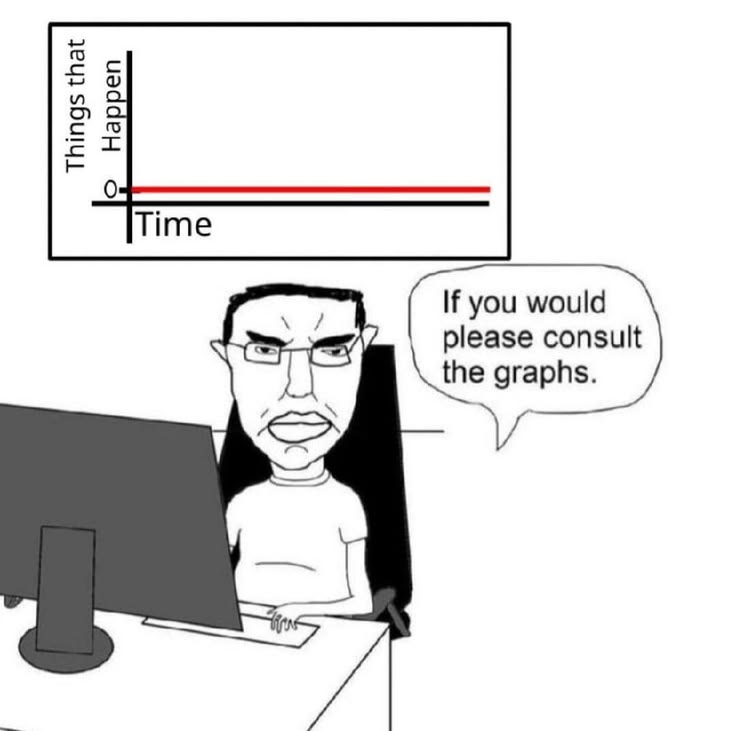
everything happens 2026
we imagined what if every insane condition from @Polymarket's “nothing ever happens” market happened at once.
experts with +$377k, +$273k, +$200k PnL are holding NO.
check their wallets: https://t.co/iZ9Ucbg2Ke
do they know sth?
🇺🇸🇦🇪 Tucker: The greatest leader I've ever met is MBZ, Sheikh Mohamed of Abu Dhabi
"Because he's guided by an ever-present knowledge of his limitations, of the limits of his power, and for that reason, he's treated as an oracle.
I don't think people understand the number of world leaders who trapse through his palace to seek his counsel.
Great leaders are so rare that when you see one, you know it right away."
i ran the top 100 wallets on @polymarket’s 30-day pnl leaderboard through yesno’s copytrade check
only 4 looked copyable after fees, slippage, and execution lag.
⬜🟦below: how i filter wallets for copytrading, what fails most often, and the 4 that passed.
when you copy a wallet, you usually get a worse fill. you pay polymarket fees, the copytrading tool’s fees, and slippage between the original wallet’s entry and your entry.
so a wallet with thin margins can be profitable for itself and still be negative EV for you.
for yesno’s copytrade check, the basic floor is simple:
* roi per market should be above ~5%
* roi per volume should be above ~7%
below that, the wallet may still look profitable on its own account, but the margin is too small to survive copying costs.
most of the top 100 failed for one of three reasons:
1. the wallet made money recently, but loses money across the full history
some wallets near the top of the 30-day leaderboard are deeply negative lifetime. rank 2 is down $4m all-time. rank 53 is down $5.5m. rank 5 is down $2.9m.
rank 40 is @netrol_.
they made $155k in the last 30 days, so they show up high on the leaderboard. but lifetime pnl is -$28k. last 90 days is -$53k. average roi on resolved markets is -90%.
that means the wallet’s closed markets, on average, have been negative.
2. the wallet trades too many times per market for copytrading to work
49 of the top 100 wallets re-enter the same market many times.
some average 100, 200, even 500 entries per market.
the wallet finds underpriced liquidity, takes it, moves the price, and may enter or exit again before your copy trade even confirms.
if the original wallet enters at 48c and sweeps the available liquidity, your mirror trade does not also enter at 48c.
rank 20 averages 332 entries per market. rank 12, RJW1, averages 125. rank 81 averages 500.
with that trade pace, you are not really copying the same opportunity. you are arriving after the opportunity has already been taken.
slippage is not a small detail here. it can remove the entire edge.
3. the wallet’s edge is too thin to survive copy costs
some wallets are technically profitable.
that still does not make them good copytrade targets.
if a wallet makes +0.4% roi on volume, but your copy path costs a few percent in fees and slippage, you are structurally behind.
you need the wallet’s edge to be larger than the cost of copying it.
otherwise the wallet can be green while your mirror is red.
this is especially important for high-volume wallets. small roi on volume can produce a big pnl number if the wallet trades enough size. but if you copy it with worse execution, that small margin disappears.
@influenzEth is a good example.
19,983 closed trades. technically profitable. but median roi per market is negative, and roi on volume is only +0.4%.
@friendlyping has 46,180 closed trades and +0.1% roi on volume.
these are great traders, they are just not copyable.
polymarket fees, bot fees, and slippage are bigger than the margin they leave behind.
4. lot's of wallets recovered from a wipeout
38 of the 100 wallets had a max drawdown worse than 60%.
27 had a max drawdown of exactly -100%.
that means the wallet went to zero at some point.
a wallet can go to zero, recover hard, and then look amazing on a 30-day leaderboard.
rank 5 made $668k last month and is up $7.8m over the last 90 days. lifetime pnl is still -$2.9m.
maybe the wallet changed. maybe the recent run is real.
but from a copytrading point of view, the history is still part of the risk. this is a wallet that has already been wiped out.
rank 53 is even clearer:
+$91k last month
-$6.9m over the last 90 days
-$5.5m lifetime
and still ranked on the 30-day leaderboard. that is exactly why 30-day pnl alone is a bad filter for copytrading.
Just a side-observation: 9 of the top 100 wallets had a linked twitter account.
zero passed.
@Vlad_kori and @BitalikWuterin both hit -100% drawdown at some point.
@netrol_ and @andyshentu are negative lifetime.
@ChloePoly5 has 2 resolved trades. @Djus5638 has 7. not enough data to judge fairly.
@influenzEth has 19,983 closed trades, but negative roi per market and only +0.4% roi on volume.
@friendlyping has 46,180 closed trades and only +0.1% roi on volume.
a wallet can be known, active, and even profitable, while still being a bad wallet to mirror.
Now the 4 wallets that passed
1. TheVeryGoodCow. https://t.co/lHNXpDGoEl. 8914 closed trades. ROI per market +25%. drawdown 24%.
2. DogecoinMillionaire. https://t.co/Ne6inbJKNa. 2099 closed. ROI per market +41%. drawdown 36%.
3. SombrLIl. https://t.co/jwSEYsHxtT. 380 closed. ROI per market +22%. drawdown 57%. tighter on drawdown but ROI is well above the cost floor.
4. Swooferdeluxe. https://t.co/aO7wUcgP4e. 16 closed (small but valid sample). ROI per market +54%. drawdown 36%. up $194k last 90 days, so the edge is alive.
Before copy trading you need to answer these questions:
1. can you enter anywhere close to their price?
2. does their roi survive polymarket fees, bot fees, and slippage?
3. do they trade slowly enough that a mirror transaction can actually follow them?
4. is the wallet profitable across its full history, or just in the leaderboard window?
5. has it already gone to zero?
that is what yesno’s wallet check is built for.
i ran the top 100 wallets on @polymarket’s 30-day pnl leaderboard through yesno’s copytrade check
only 4 looked copyable after fees, slippage, and execution lag.
⬜🟦below: how i filter wallets for copytrading, what fails most often, and the 4 that passed.
when you copy a wallet, you usually get a worse fill. you pay polymarket fees, the copytrading tool’s fees, and slippage between the original wallet’s entry and your entry.
so a wallet with thin margins can be profitable for itself and still be negative EV for you.
for yesno’s copytrade check, the basic floor is simple:
* roi per market should be above ~5%
* roi per volume should be above ~7%
below that, the wallet may still look profitable on its own account, but the margin is too small to survive copying costs.
most of the top 100 failed for one of three reasons:
1. the wallet made money recently, but loses money across the full history
some wallets near the top of the 30-day leaderboard are deeply negative lifetime. rank 2 is down $4m all-time. rank 53 is down $5.5m. rank 5 is down $2.9m.
rank 40 is @netrol_.
they made $155k in the last 30 days, so they show up high on the leaderboard. but lifetime pnl is -$28k. last 90 days is -$53k. average roi on resolved markets is -90%.
that means the wallet’s closed markets, on average, have been negative.
2. the wallet trades too many times per market for copytrading to work
49 of the top 100 wallets re-enter the same market many times.
some average 100, 200, even 500 entries per market.
the wallet finds underpriced liquidity, takes it, moves the price, and may enter or exit again before your copy trade even confirms.
if the original wallet enters at 48c and sweeps the available liquidity, your mirror trade does not also enter at 48c.
rank 20 averages 332 entries per market. rank 12, RJW1, averages 125. rank 81 averages 500.
with that trade pace, you are not really copying the same opportunity. you are arriving after the opportunity has already been taken.
slippage is not a small detail here. it can remove the entire edge.
3. the wallet’s edge is too thin to survive copy costs
some wallets are technically profitable.
that still does not make them good copytrade targets.
if a wallet makes +0.4% roi on volume, but your copy path costs a few percent in fees and slippage, you are structurally behind.
you need the wallet’s edge to be larger than the cost of copying it.
otherwise the wallet can be green while your mirror is red.
this is especially important for high-volume wallets. small roi on volume can produce a big pnl number if the wallet trades enough size. but if you copy it with worse execution, that small margin disappears.
@influenzEth is a good example.
19,983 closed trades. technically profitable. but median roi per market is negative, and roi on volume is only +0.4%.
@friendlyping has 46,180 closed trades and +0.1% roi on volume.
these are great traders, they are just not copyable.
polymarket fees, bot fees, and slippage are bigger than the margin they leave behind.
4. lot's of wallets recovered from a wipeout
38 of the 100 wallets had a max drawdown worse than 60%.
27 had a max drawdown of exactly -100%.
that means the wallet went to zero at some point.
a wallet can go to zero, recover hard, and then look amazing on a 30-day leaderboard.
rank 5 made $668k last month and is up $7.8m over the last 90 days. lifetime pnl is still -$2.9m.
maybe the wallet changed. maybe the recent run is real.
but from a copytrading point of view, the history is still part of the risk. this is a wallet that has already been wiped out.
rank 53 is even clearer:
+$91k last month
-$6.9m over the last 90 days
-$5.5m lifetime
and still ranked on the 30-day leaderboard. that is exactly why 30-day pnl alone is a bad filter for copytrading.
Just a side-observation: 9 of the top 100 wallets had a linked twitter account.
zero passed.
@Vlad_kori and @BitalikWuterin both hit -100% drawdown at some point.
@netrol_ and @andyshentu are negative lifetime.
@ChloePoly5 has 2 resolved trades. @Djus5638 has 7. not enough data to judge fairly.
@influenzEth has 19,983 closed trades, but negative roi per market and only +0.4% roi on volume.
@friendlyping has 46,180 closed trades and only +0.1% roi on volume.
a wallet can be known, active, and even profitable, while still being a bad wallet to mirror.
Now the 4 wallets that passed
1. TheVeryGoodCow. https://t.co/lHNXpDGoEl. 8914 closed trades. ROI per market +25%. drawdown 24%.
2. DogecoinMillionaire. https://t.co/Ne6inbJKNa. 2099 closed. ROI per market +41%. drawdown 36%.
3. SombrLIl. https://t.co/jwSEYsHxtT. 380 closed. ROI per market +22%. drawdown 57%. tighter on drawdown but ROI is well above the cost floor.
4. Swooferdeluxe. https://t.co/aO7wUcgP4e. 16 closed (small but valid sample). ROI per market +54%. drawdown 36%. up $194k last 90 days, so the edge is alive.
Before copy trading you need to answer these questions:
1. can you enter anywhere close to their price?
2. does their roi survive polymarket fees, bot fees, and slippage?
3. do they trade slowly enough that a mirror transaction can actually follow them?
4. is the wallet profitable across its full history, or just in the leaderboard window?
5. has it already gone to zero?
that is what yesno’s wallet check is built for.
i ran the top 100 wallets on @polymarket’s 30-day pnl leaderboard through yesno’s copytrade check
only 4 looked copyable after fees, slippage, and execution lag.
⬜🟦below: how i filter wallets for copytrading, what fails most often, and the 4 that passed.
when you copy a wallet, you usually get a worse fill. you pay polymarket fees, the copytrading tool’s fees, and slippage between the original wallet’s entry and your entry.
so a wallet with thin margins can be profitable for itself and still be negative EV for you.
for yesno’s copytrade check, the basic floor is simple:
* roi per market should be above ~5%
* roi per volume should be above ~7%
below that, the wallet may still look profitable on its own account, but the margin is too small to survive copying costs.
most of the top 100 failed for one of three reasons:
1. the wallet made money recently, but loses money across the full history
some wallets near the top of the 30-day leaderboard are deeply negative lifetime. rank 2 is down $4m all-time. rank 53 is down $5.5m. rank 5 is down $2.9m.
rank 40 is @netrol_.
they made $155k in the last 30 days, so they show up high on the leaderboard. but lifetime pnl is -$28k. last 90 days is -$53k. average roi on resolved markets is -90%.
that means the wallet’s closed markets, on average, have been negative.
2. the wallet trades too many times per market for copytrading to work
49 of the top 100 wallets re-enter the same market many times.
some average 100, 200, even 500 entries per market.
the wallet finds underpriced liquidity, takes it, moves the price, and may enter or exit again before your copy trade even confirms.
if the original wallet enters at 48c and sweeps the available liquidity, your mirror trade does not also enter at 48c.
rank 20 averages 332 entries per market. rank 12, RJW1, averages 125. rank 81 averages 500.
with that trade pace, you are not really copying the same opportunity. you are arriving after the opportunity has already been taken.
slippage is not a small detail here. it can remove the entire edge.
3. the wallet’s edge is too thin to survive copy costs
some wallets are technically profitable.
that still does not make them good copytrade targets.
if a wallet makes +0.4% roi on volume, but your copy path costs a few percent in fees and slippage, you are structurally behind.
you need the wallet’s edge to be larger than the cost of copying it.
otherwise the wallet can be green while your mirror is red.
this is especially important for high-volume wallets. small roi on volume can produce a big pnl number if the wallet trades enough size. but if you copy it with worse execution, that small margin disappears.
@influenzEth is a good example.
19,983 closed trades. technically profitable. but median roi per market is negative, and roi on volume is only +0.4%.
@friendlyping has 46,180 closed trades and +0.1% roi on volume.
these are great traders, they are just not copyable.
polymarket fees, bot fees, and slippage are bigger than the margin they leave behind.
4. lot's of wallets recovered from a wipeout
38 of the 100 wallets had a max drawdown worse than 60%.
27 had a max drawdown of exactly -100%.
that means the wallet went to zero at some point.
a wallet can go to zero, recover hard, and then look amazing on a 30-day leaderboard.
rank 5 made $668k last month and is up $7.8m over the last 90 days. lifetime pnl is still -$2.9m.
maybe the wallet changed. maybe the recent run is real.
but from a copytrading point of view, the history is still part of the risk. this is a wallet that has already been wiped out.
rank 53 is even clearer:
+$91k last month
-$6.9m over the last 90 days
-$5.5m lifetime
and still ranked on the 30-day leaderboard. that is exactly why 30-day pnl alone is a bad filter for copytrading.
Just a side-observation: 9 of the top 100 wallets had a linked twitter account.
zero passed.
@Vlad_kori and @BitalikWuterin both hit -100% drawdown at some point.
@netrol_ and @andyshentu are negative lifetime.
@ChloePoly5 has 2 resolved trades. @Djus5638 has 7. not enough data to judge fairly.
@influenzEth has 19,983 closed trades, but negative roi per market and only +0.4% roi on volume.
@friendlyping has 46,180 closed trades and only +0.1% roi on volume.
a wallet can be known, active, and even profitable, while still being a bad wallet to mirror.
Now the 4 wallets that passed
1. TheVeryGoodCow. https://t.co/lHNXpDGoEl. 8914 closed trades. ROI per market +25%. drawdown 24%.
2. DogecoinMillionaire. https://t.co/Ne6inbJKNa. 2099 closed. ROI per market +41%. drawdown 36%.
3. SombrLIl. https://t.co/jwSEYsHxtT. 380 closed. ROI per market +22%. drawdown 57%. tighter on drawdown but ROI is well above the cost floor.
4. Swooferdeluxe. https://t.co/aO7wUcgP4e. 16 closed (small but valid sample). ROI per market +54%. drawdown 36%. up $194k last 90 days, so the edge is alive.
Before copy trading you need to answer these questions:
1. can you enter anywhere close to their price?
2. does their roi survive polymarket fees, bot fees, and slippage?
3. do they trade slowly enough that a mirror transaction can actually follow them?
4. is the wallet profitable across its full history, or just in the leaderboard window?
5. has it already gone to zero?
that is what yesno’s wallet check is built for.
i ran the top 100 wallets on @polymarket’s 30-day pnl leaderboard through yesno’s copytrade check
only 4 looked copyable after fees, slippage, and execution lag.
⬜🟦below: how i filter wallets for copytrading, what fails most often, and the 4 that passed.
when you copy a wallet, you usually get a worse fill. you pay polymarket fees, the copytrading tool’s fees, and slippage between the original wallet’s entry and your entry.
so a wallet with thin margins can be profitable for itself and still be negative EV for you.
for yesno’s copytrade check, the basic floor is simple:
* roi per market should be above ~5%
* roi per volume should be above ~7%
below that, the wallet may still look profitable on its own account, but the margin is too small to survive copying costs.
most of the top 100 failed for one of three reasons:
1. the wallet made money recently, but loses money across the full history
some wallets near the top of the 30-day leaderboard are deeply negative lifetime. rank 2 is down $4m all-time. rank 53 is down $5.5m. rank 5 is down $2.9m.
rank 40 is @netrol_.
they made $155k in the last 30 days, so they show up high on the leaderboard. but lifetime pnl is -$28k. last 90 days is -$53k. average roi on resolved markets is -90%.
that means the wallet’s closed markets, on average, have been negative.
2. the wallet trades too many times per market for copytrading to work
49 of the top 100 wallets re-enter the same market many times.
some average 100, 200, even 500 entries per market.
the wallet finds underpriced liquidity, takes it, moves the price, and may enter or exit again before your copy trade even confirms.
if the original wallet enters at 48c and sweeps the available liquidity, your mirror trade does not also enter at 48c.
rank 20 averages 332 entries per market. rank 12, RJW1, averages 125. rank 81 averages 500.
with that trade pace, you are not really copying the same opportunity. you are arriving after the opportunity has already been taken.
slippage is not a small detail here. it can remove the entire edge.
3. the wallet’s edge is too thin to survive copy costs
some wallets are technically profitable.
that still does not make them good copytrade targets.
if a wallet makes +0.4% roi on volume, but your copy path costs a few percent in fees and slippage, you are structurally behind.
you need the wallet’s edge to be larger than the cost of copying it.
otherwise the wallet can be green while your mirror is red.
this is especially important for high-volume wallets. small roi on volume can produce a big pnl number if the wallet trades enough size. but if you copy it with worse execution, that small margin disappears.
@influenzEth is a good example.
19,983 closed trades. technically profitable. but median roi per market is negative, and roi on volume is only +0.4%.
@friendlyping has 46,180 closed trades and +0.1% roi on volume.
these are great traders, they are just not copyable.
polymarket fees, bot fees, and slippage are bigger than the margin they leave behind.
4. lot's of wallets recovered from a wipeout
38 of the 100 wallets had a max drawdown worse than 60%.
27 had a max drawdown of exactly -100%.
that means the wallet went to zero at some point.
a wallet can go to zero, recover hard, and then look amazing on a 30-day leaderboard.
rank 5 made $668k last month and is up $7.8m over the last 90 days. lifetime pnl is still -$2.9m.
maybe the wallet changed. maybe the recent run is real.
but from a copytrading point of view, the history is still part of the risk. this is a wallet that has already been wiped out.
rank 53 is even clearer:
+$91k last month
-$6.9m over the last 90 days
-$5.5m lifetime
and still ranked on the 30-day leaderboard. that is exactly why 30-day pnl alone is a bad filter for copytrading.
Just a side-observation: 9 of the top 100 wallets had a linked twitter account.
zero passed.
@Vlad_kori and @BitalikWuterin both hit -100% drawdown at some point.
@netrol_ and @andyshentu are negative lifetime.
@ChloePoly5 has 2 resolved trades. @Djus5638 has 7. not enough data to judge fairly.
@influenzEth has 19,983 closed trades, but negative roi per market and only +0.4% roi on volume.
@friendlyping has 46,180 closed trades and only +0.1% roi on volume.
a wallet can be known, active, and even profitable, while still being a bad wallet to mirror.
Now the 4 wallets that passed
1. TheVeryGoodCow. https://t.co/lHNXpDGoEl. 8914 closed trades. ROI per market +25%. drawdown 24%.
2. DogecoinMillionaire. https://t.co/Ne6inbJKNa. 2099 closed. ROI per market +41%. drawdown 36%.
3. SombrLIl. https://t.co/jwSEYsHxtT. 380 closed. ROI per market +22%. drawdown 57%. tighter on drawdown but ROI is well above the cost floor.
4. Swooferdeluxe. https://t.co/aO7wUcgP4e. 16 closed (small but valid sample). ROI per market +54%. drawdown 36%. up $194k last 90 days, so the edge is alive.
Before copy trading you need to answer these questions:
1. can you enter anywhere close to their price?
2. does their roi survive polymarket fees, bot fees, and slippage?
3. do they trade slowly enough that a mirror transaction can actually follow them?
4. is the wallet profitable across its full history, or just in the leaderboard window?
5. has it already gone to zero?
that is what yesno’s wallet check is built for.
i ran the top 100 wallets on @polymarket’s 30-day pnl leaderboard through yesno’s copytrade check
only 4 looked copyable after fees, slippage, and execution lag.
⬜🟦below: how i filter wallets for copytrading, what fails most often, and the 4 that passed.
when you copy a wallet, you usually get a worse fill. you pay polymarket fees, the copytrading tool’s fees, and slippage between the original wallet’s entry and your entry.
so a wallet with thin margins can be profitable for itself and still be negative EV for you.
for yesno’s copytrade check, the basic floor is simple:
* roi per market should be above ~5%
* roi per volume should be above ~7%
below that, the wallet may still look profitable on its own account, but the margin is too small to survive copying costs.
most of the top 100 failed for one of three reasons:
1. the wallet made money recently, but loses money across the full history
some wallets near the top of the 30-day leaderboard are deeply negative lifetime. rank 2 is down $4m all-time. rank 53 is down $5.5m. rank 5 is down $2.9m.
rank 40 is @netrol_.
they made $155k in the last 30 days, so they show up high on the leaderboard. but lifetime pnl is -$28k. last 90 days is -$53k. average roi on resolved markets is -90%.
that means the wallet’s closed markets, on average, have been negative.
2. the wallet trades too many times per market for copytrading to work
49 of the top 100 wallets re-enter the same market many times.
some average 100, 200, even 500 entries per market.
the wallet finds underpriced liquidity, takes it, moves the price, and may enter or exit again before your copy trade even confirms.
if the original wallet enters at 48c and sweeps the available liquidity, your mirror trade does not also enter at 48c.
rank 20 averages 332 entries per market. rank 12, RJW1, averages 125. rank 81 averages 500.
with that trade pace, you are not really copying the same opportunity. you are arriving after the opportunity has already been taken.
slippage is not a small detail here. it can remove the entire edge.
3. the wallet’s edge is too thin to survive copy costs
some wallets are technically profitable.
that still does not make them good copytrade targets.
if a wallet makes +0.4% roi on volume, but your copy path costs a few percent in fees and slippage, you are structurally behind.
you need the wallet’s edge to be larger than the cost of copying it.
otherwise the wallet can be green while your mirror is red.
this is especially important for high-volume wallets. small roi on volume can produce a big pnl number if the wallet trades enough size. but if you copy it with worse execution, that small margin disappears.
@influenzEth is a good example.
19,983 closed trades. technically profitable. but median roi per market is negative, and roi on volume is only +0.4%.
@friendlyping has 46,180 closed trades and +0.1% roi on volume.
these are great traders, they are just not copyable.
polymarket fees, bot fees, and slippage are bigger than the margin they leave behind.
4. lot's of wallets recovered from a wipeout
38 of the 100 wallets had a max drawdown worse than 60%.
27 had a max drawdown of exactly -100%.
that means the wallet went to zero at some point.
a wallet can go to zero, recover hard, and then look amazing on a 30-day leaderboard.
rank 5 made $668k last month and is up $7.8m over the last 90 days. lifetime pnl is still -$2.9m.
maybe the wallet changed. maybe the recent run is real.
but from a copytrading point of view, the history is still part of the risk. this is a wallet that has already been wiped out.
rank 53 is even clearer:
+$91k last month
-$6.9m over the last 90 days
-$5.5m lifetime
and still ranked on the 30-day leaderboard. that is exactly why 30-day pnl alone is a bad filter for copytrading.
Just a side-observation: 9 of the top 100 wallets had a linked twitter account.
zero passed.
@Vlad_kori and @BitalikWuterin both hit -100% drawdown at some point.
@netrol_ and @andyshentu are negative lifetime.
@ChloePoly5 has 2 resolved trades. @Djus5638 has 7. not enough data to judge fairly.
@influenzEth has 19,983 closed trades, but negative roi per market and only +0.4% roi on volume.
@friendlyping has 46,180 closed trades and only +0.1% roi on volume.
a wallet can be known, active, and even profitable, while still being a bad wallet to mirror.
Now the 4 wallets that passed
1. TheVeryGoodCow. https://t.co/lHNXpDGoEl. 8914 closed trades. ROI per market +25%. drawdown 24%.
2. DogecoinMillionaire. https://t.co/Ne6inbJKNa. 2099 closed. ROI per market +41%. drawdown 36%.
3. SombrLIl. https://t.co/jwSEYsHxtT. 380 closed. ROI per market +22%. drawdown 57%. tighter on drawdown but ROI is well above the cost floor.
4. Swooferdeluxe. https://t.co/aO7wUcgP4e. 16 closed (small but valid sample). ROI per market +54%. drawdown 36%. up $194k last 90 days, so the edge is alive.
Before copy trading you need to answer these questions:
1. can you enter anywhere close to their price?
2. does their roi survive polymarket fees, bot fees, and slippage?
3. do they trade slowly enough that a mirror transaction can actually follow them?
4. is the wallet profitable across its full history, or just in the leaderboard window?
5. has it already gone to zero?
that is what yesno’s wallet check is built for.
Retail is currently paying a 9% premium for a legal impossibility
They see a political headline
They instantly market-buy "Yes"
But the federal justice system does not run on Twitter time
Federal courts are notoriously slow
Even if an indictment drops tomorrow the clock is too tight
A full trial and actual sentencing by December 2026 is structurally impossible
The timeline simply does not exist
Now check the fine print on the second slide
The resolution criteria are absolute
Civil lawsuits do not count
Congressional hearings mean nothing
Public accusations are irrelevant
The market strictly requires actual prison time before the year ends
You are essentially betting against the speed of government bureaucracy
This is a classic liquidity trap
Smart money is just parking capital here
They will harvest a free 9% yield from emotional gamblers
Always read the rules before you provide liquidity
Pedro1414. Eleven days on Polymarket. Lifetime PnL: minus $66K.
Now holds 50 million Yes shares on "US x Iran ceasefire extended by April 22" — a market the oracle is voting No on.
If the oracle flips, he walks with $53 million.
Introducing https://t.co/G92D5PcREl on X
Tag @yesno_pm under any tweet with a @Polymarket link.
yesno will show you advanced market data, smart money positions, wallet analytics, and track your call publicly.
Call it right. Get ranked.
Introducing https://t.co/G92D5PcREl on X
Tag @yesno_pm under any tweet with a @Polymarket link.
yesno will show you advanced market data, smart money positions, wallet analytics, and track your call publicly.
Call it right. Get ranked.