Almost every single person on Earth lives with rats. Only 5 million people out of 8 billion live rat free. They are the Albertans.
Alberta is the only significantly human-inhabited place on Earth that is rat free. It achieved this in the 1950s as rats invaded from the East, by introducing a rodent surveillance state, obliging every citizen of the province to report them and terminating any sightings with extreme prejudice. They laid 63,000 kg of arsenic across a 600-kilometre-long, 29-kilometre-wide Rat Control Zone along the province's Eastern border.
Back then, rats were so unfamiliar in Alberta that officials distributed preserved rat corpses to teach people what the enemy looked like. One pest-control officer held public meetings at which he ate warfarin-soaked oatmeal to show it was safe.
And it worked! They held rats off and numbers remained so low that the surveillance and eradication system could keep numbers at essentially zero for years, at extremely low costs – Alberta spends about 11 cents per resident on rat control measures, much less than neighbouring provinces that are infested.
Today, Albertans have grown so unfamiliar with rats that they frequently mistake squirrels, gophers, and other small animals for them: of 875 reported sightings in 2025, only 47 turned out to be actual rats. Pet rats are banned, vehicles entering Alberta are checked, and sightings are responded to with overwhelming force.
Could the rest of the world manage it? Probably not. The secret was to stop them before they could establish themselves. For the rest of us, we probably need gene drives. Read the story of how Alberta won the war on rats at Works in Progress now.
https://t.co/RZVjOXE2wz
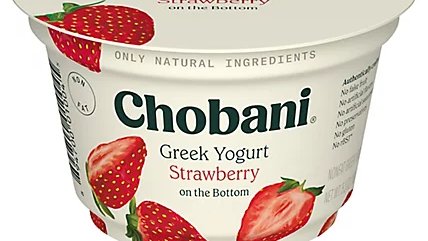
15 years ago, yogurt maker Chobani tried to enter Canada and build a plant in Kingston, Ontario, but was blocked by regulatory and supply management barriers.
Instead of fighting it long-term, they expanded elsewhere, in the United States.
Today:
➡️They buy about 9% of all the milk produced in New York State.
➡️They process 1.6 billion pounds of milk per year in New York.
➡️They built the world’s largest yogurt plant in Idaho.
➡️They’re now building an even bigger one in Rome, New York (over 2 million square feet, 1,000+ jobs).
That is the true cost of supply management.
@honjamesmoore Try bringing dairy over the border as a Canadian citizen. The first $20 CDN is free, then you hit a duty fee of up to 313.5%, and the maximum you can bring in is 20 kg. Supply management of dairy products creates a tariff for us, so to say there is no tariff is false
DYK Lethbridge water is some of the best tasting water in the country?
Of 9 competing cities & municipalities,#yql was the winner of the best tasting water at the American Water Works Association @awwa Western Canadian conference in September.
More 👉 https://t.co/5IMcAMBcHA
3. Enjoy the ride! Teaching my six sons how to work, fix things, and play are my best memories of farming, and I wouldn't have traded that for the world. Stay safe this harvest 😊
Two years ago I had a diverticulitis event during harvest, and ended up in the hospital for 5 days. This is the first year in 110 years that my family is not harvesting our land😕. There are three thoughts I would share with other farmers:
2. Take time with your family and accountant to consider your farm transition/exit strategy before it is urgent. Some wise planning now can save mountains of trouble and taxes
@KowalchukFarms My grandson has Cystic Fibrosis and Covid would kill him. I lived in Japan for two years in the eighties, over there if you had a cough, you wore a mask or stayed home, that was common courtesy. I support masks!
PSA: I work for @therealbluprint and right now you can get free access to all of our content. If you're looking for a new hobby during quarantine you should start here: https://t.co/hWLKWGDAaK