𝗢𝗻𝗲 𝗚𝗼𝘃𝗲𝗿𝗻𝗮𝗻𝗰𝗲 𝗛𝘂𝗯, 𝗠𝘂𝗹𝘁𝗶𝗽𝗹𝗲 𝗣𝗿𝗼𝗱𝘂𝗰𝘁𝘀: 𝗪𝗵𝘆 𝗧𝗵𝗲 𝗝𝗨𝗦𝗧 𝗗𝗔𝗢 𝗨𝗽𝗴𝗿𝗮𝗱𝗲 𝗠𝗮𝘁𝘁𝗲𝗿𝘀
As blockchain ecosystems expand, coordination becomes just as important as product development.
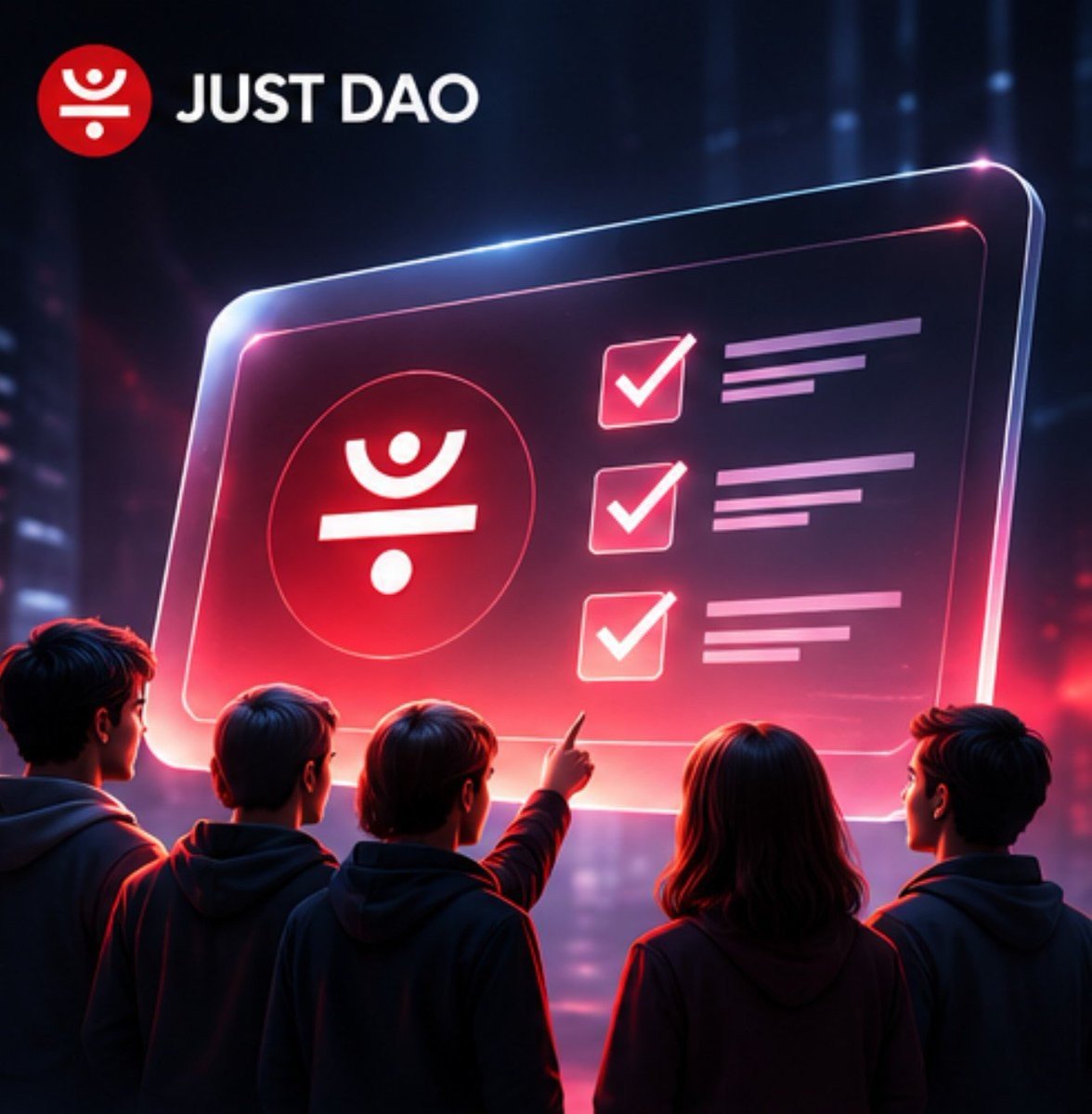
JUST DAO is taking a more unified approach by serving as the governance hub across several important parts of the JUST ecosystem, including JustLend, USDD, GasFree, and other services.
This structure matters because these products do not operate in isolation. Their development contributes to a broader ecosystem, and decisions about their direction deserve a governance framework that is easier for the community to follow.
The brand upgrade places governance and JST buyback-and-burn operations under the JUST DAO umbrella. It gives users a clearer point of reference for understanding how proposals, voting, and ecosystem-level activities fit together.
A unified governance structure can also make participation easier to understand. Instead of treating every product as a completely separate destination, users can explore the wider framework connecting them.
The real value of this development will depend on how effectively the structure supports transparent decisions, meaningful participation, and responsible ecosystem growth.
Explore the updated JUST DAO platform:
https://t.co/iSiWV9GY8n
@DeFi_JUST@justinsuntron #TRONEcoStar
𝗧𝗵𝗲 𝗡𝗲𝘅𝘁 𝗦𝘁𝗲𝗽 𝗙𝗼𝗿 𝗗𝗲𝗙𝗶 𝗜𝘀 𝗦𝘁𝗿𝗼𝗻𝗴𝗲𝗿 𝗖𝗼𝗺𝗺𝘂𝗻𝗶𝘁𝘆 𝗣𝗮𝗿𝘁𝗶𝗰𝗶𝗽𝗮𝘁𝗶𝗼𝗻
Decentralization becomes more meaningful when users have a way to contribute to decisions instead of simply accepting changes made elsewhere.
The JUST ecosystem is reinforcing this principle through its governance framework, with JST serving as the core token for submitting proposals and voting.
This gives governance a practical purpose. Community members can engage with proposals, consider their potential implications, and take part in decisions that shape the protocol's direction.
The JUST DAO upgrade makes this process easier to identify by bringing the ecosystem's governance activities into one central hub.
For existing JST holders, this is a reminder that the token has a role beyond being traded or held. Its governance utility connects holders to the decision-making process.
For newer users, it is an opportunity to understand how decentralized governance works in practice and why participation matters to the long-term health of a protocol.
Of course, meaningful governance requires informed decisions. Reading proposals, understanding their impact, and evaluating the available information should always come before voting.
A stronger ecosystem is built not only through technology, but also through an engaged and informed community.
Discover the JUST DAO governance platform:
https://t.co/iSiWV9GY8n
@DeFi_JUST@justinsuntron #TRONEcoStar
Some technologies become memorable because they solve a problem without making the user think too much about the infrastructure underneath. BitTorrent Classic is a good example of that philosophy applied to desktop file sharing.
𝗕𝗶𝘁𝗧𝗼𝗿𝗿𝗲𝗻𝘁 𝗖𝗹𝗮𝘀𝘀𝗶𝗰 𝗞𝗲𝗲𝗽𝘀 𝗣𝗲𝗲𝗿-𝘁𝗼-𝗣𝗲𝗲𝗿 𝗦𝗵𝗮𝗿𝗶𝗻𝗴 𝗦𝗶𝗺𝗽𝗹𝗲
BitTorrent Classic is the original desktop torrent application built around the peer-to-peer model, giving experienced users a dedicated environment for managing torrent downloads and uploads.
Instead of relying on a single centralized server to distribute an entire file, BitTorrent technology allows content to be transferred through participating peers.
𝗕𝘂𝗶𝗹𝘁 𝗙𝗼𝗿 𝗛𝗮𝗻𝗱𝘀-𝗢𝗻 𝗨𝘀𝗲
The desktop interface provides users with greater visibility and control over their torrent activity.
Users can manage:
→ Active downloads and uploads
→ Torrent files and transfer status
→ Download priorities
→ Available peers and connections
→ Transfer performance
That makes the Classic client particularly relevant for users who want a more detailed desktop torrent experience rather than a simplified interface.
𝗙𝗿𝗼𝗺 𝗣𝟮𝗣 𝗧𝗼 𝗕𝗿𝗼𝗮𝗱𝗲𝗿 𝗗𝗲𝗰𝗲𝗻𝘁𝗿𝗮𝗹𝗶𝘇𝗲𝗱 𝗜𝗱𝗲𝗮𝘀
BitTorrent’s underlying peer-to-peer architecture helped demonstrate an important principle: distribution does not always need to depend on one central point.
That same architectural thinking has influenced broader conversations around decentralized storage, distributed networks, and Web3 infrastructure.
A simple desktop application can represent a much bigger idea: users can become participants in the network instead of remaining passive consumers.
@BitTorrent@justinsuntron #TRONEcoStar
The real value of an AI platform becomes clearer when accessing it no longer requires users to navigate through unnecessary barriers. Connecting the tools to wallets people already use can make the experience more direct and practical.
𝗔𝗜𝗡𝗙𝗧 𝗘𝘅𝗽𝗮𝗻𝗱𝘀 𝗔𝗜 𝗔𝗰𝗰𝗲𝘀𝘀 𝗪𝗶𝘁𝗵 𝗶𝗺𝗧𝗼𝗸𝗲𝗻 𝗦𝘂𝗽𝗽𝗼𝗿𝘁
AINFT is extending its accessibility with imToken support, allowing users to connect their wallet and access the platform directly.
The integration brings together two important pieces of the Web3 experience:
→ Wallet connectivity for managing a user’s Web3 access
→ AI access through the AINFT ecosystem
The result is a simpler path from wallet connection to interacting with AI-powered services.
𝗪𝗵𝘆 𝗪𝗮𝗹𝗹𝗲𝘁 𝗦𝘂𝗽𝗽𝗼𝗿𝘁 𝗠𝗮𝘁𝘁𝗲𝗿𝘀
Wallets are increasingly becoming more than places to store digital assets. They can serve as identity, authentication, payment, and application-access layers within Web3.
Supporting imToken therefore reduces another layer of friction for users who already operate within that environment.
The graphic highlights the key action clearly:
Connect → Login → Top Up → Access
That kind of streamlined flow can make experimentation with AI services easier for Web3 users while keeping the wallet at the center of the experience.
AINFT’s direction continues to sit at the intersection of AI, digital assets, and Web3 accessibility.
@AINFTcom@justinsuntron #TRONEcoStar
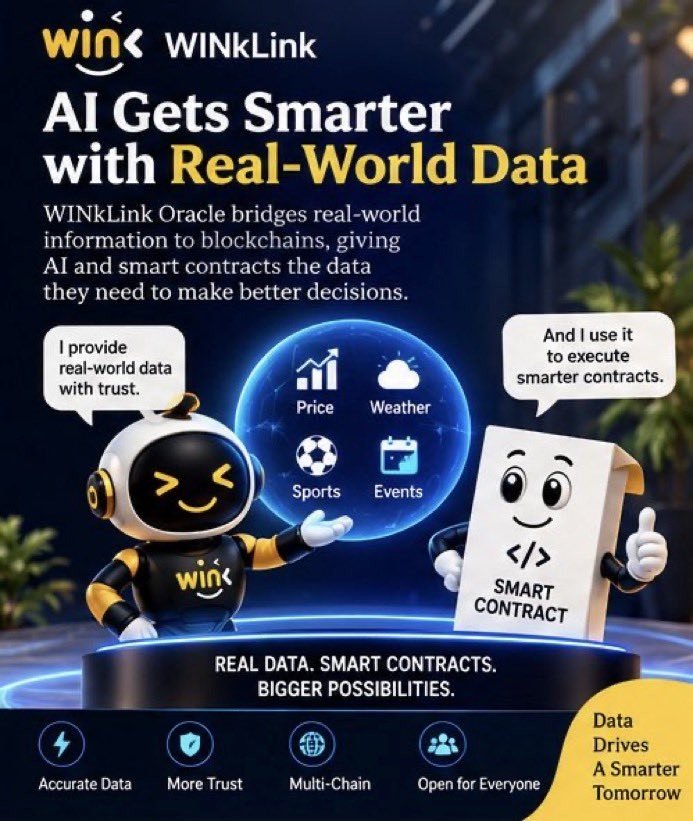
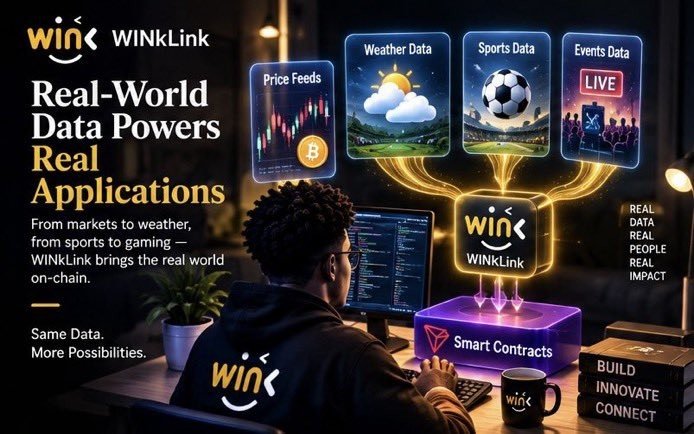
An AI system or smart contract can process information quickly, but the quality of its output still depends heavily on the quality of the information it receives.
𝗪𝗜𝗡𝗞𝗟𝗶𝗻𝗸 𝗕𝗿𝗶𝗻𝗴𝘀 𝗥𝗲𝗮𝗹 𝗪𝗼𝗿𝗹𝗱 𝗗𝗮𝘁𝗮 𝗜𝗻𝘁𝗼 𝗦𝗺𝗮𝗿𝘁𝗲𝗿 𝗢𝗻 𝗖𝗵𝗮𝗶𝗻 𝗗𝗲𝗰𝗶𝘀𝗶𝗼𝗻𝘀
Blockchain networks are excellent at executing predefined logic, yet they cannot naturally observe everything happening outside their own environment.
Prices change.
Weather conditions shift.
Sports results happen.
Events unfold.
Applications that depend on those external signals need a reliable bridge between the physical and digital worlds.
That is where WINkLink comes into the picture.
Its oracle infrastructure is designed to deliver real-world information to blockchain applications, giving smart contracts access to external data they cannot obtain independently.
This creates a useful connection:
Real-world information → Oracle infrastructure → Blockchain application → On-chain execution
For AI-powered applications, the same principle becomes increasingly relevant. Intelligent systems need quality inputs to make informed decisions, while blockchain provides programmable infrastructure for executing those decisions.
WINkLink therefore represents more than a data feed. It sits at an important intersection between external information and decentralized applications.
Accurate data can support greater reliability.
Reliable inputs can enable more useful applications.
More capable applications can expand what Web3 can actually do.
Data is the input.
Intelligence interprets it.
Smart contracts put programmed logic into action.
@WinkLink_Oracle@justinsuntron@trondao #TRONEcoStar
A blockchain can execute instructions perfectly, but the quality of those instructions depends on the information reaching the smart contract. Somewhere between the real world and on-chain execution, reliable data becomes essential.
𝗪𝗜𝗡𝗸𝗟𝗶𝗻𝗸 𝗧𝘂𝗿𝗻𝘀 𝗥𝗲𝗮𝗹-𝗪𝗼𝗿𝗹𝗱 𝗗𝗮𝘁𝗮 𝗜𝗻𝘁𝗼 𝗥𝗲𝗹𝗶𝗮𝗯𝗹𝗲 𝗗𝗲𝗙𝗶 𝗜𝗻𝗽𝘂𝘁𝘀
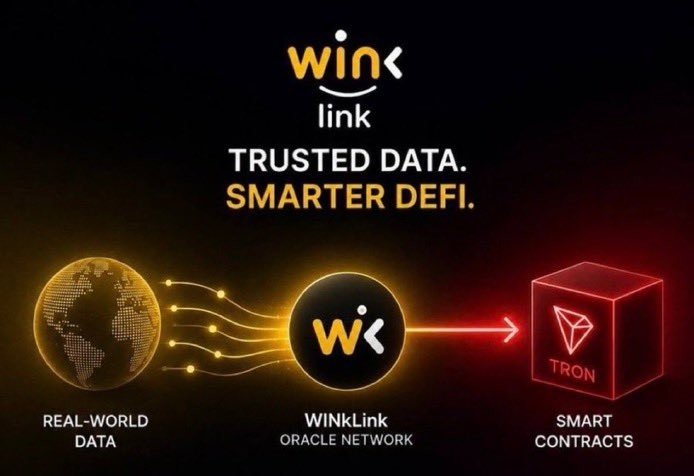
@WinkLink_Oracle sits between external information and blockchain applications, helping smart contracts access data they cannot obtain directly from the chain.
The flow is simple in concept:
Real-world data → WINkLink oracle network → TRON smart contracts
But that connection represents an important layer of blockchain infrastructure.
𝗪𝗵𝘆 𝗧𝗵𝗲 𝗢𝗿𝗮𝗰𝗹𝗲 𝗟𝗮𝘆𝗲𝗿 𝗠𝗮𝘁𝘁𝗲𝗿𝘀
DeFi applications can depend on information such as prices, market conditions, events, and other external data.
If the information entering the contract is unreliable, even perfectly written code can produce an unwanted outcome.
An oracle network therefore helps bridge two very different environments:
→ External data and real-world information
→ Deterministic blockchain execution
WINkLink is designed to provide that connection, giving decentralized applications a pathway for incorporating external data into their on-chain logic.
𝗧𝗿𝘂𝘀𝘁 𝗕𝗲𝗴𝗶𝗻𝘀 𝗕𝗲𝗳𝗼𝗿𝗲 𝗘𝘅𝗲𝗰𝘂𝘁𝗶𝗼𝗻
The smart contract may be the visible endpoint, but the data feeding it is part of the foundation.
That makes oracle infrastructure a quiet but important component of smarter DeFi.
Reliable inputs strengthen reliable execution.
Reliable execution strengthens useful applications.
@WinkLink_Oracle@justinsuntron #TRONEcoStar
𝐁.𝐀𝐈 𝐁𝐮𝐢𝐥𝐝𝐬 𝐓𝐡𝐞 𝐄𝐜𝐨𝐧𝐨𝐦𝐢𝐜 𝐋𝐚𝐲𝐞𝐫 𝐅𝐨𝐫 𝐀𝐮𝐭𝐨𝐧𝐨𝐦𝐨𝐮𝐬 𝐀𝐈 𝐀𝐠𝐞𝐧𝐭𝐬
AI agents are moving beyond answering prompts.
They can increasingly reason through problems, interact with software, coordinate tasks, and operate with less direct human input. But there is an important gap between an agent being intelligent and an agent being able to function independently in a digital economy.
That gap is infrastructure.
@BAI_AGI
𝐈𝐧𝐭𝐞𝐥𝐥𝐢𝐠𝐞𝐧𝐜𝐞 𝐍𝐞𝐞𝐝𝐬 𝐌𝐨𝐫𝐞 𝐓𝐡𝐚𝐧 𝐑𝐞𝐚𝐬𝐨𝐧𝐢𝐧𝐠
An autonomous agent may know which service to use, but what happens when it needs to identify itself, pay for that service, access resources, or manage digital assets?
Without those capabilities, autonomy still depends heavily on human intervention.
https://t.co/jhf2Q8N3Vy is exploring this broader layer by connecting AI capabilities with the infrastructure required for agents to participate in digital activity.
𝐓𝐡𝐞 𝐈𝐧𝐟𝐫𝐚𝐬𝐭𝐫𝐮𝐜𝐭𝐮𝐫𝐞 𝐁𝐞𝐡𝐢𝐧𝐝 𝐀𝐠𝐞𝐧𝐭 𝐀𝐮𝐭𝐨𝐧𝐨𝐦𝐲
• Identity — establishes an agent’s digital presence and permissions.
• Payments — enables economic transactions without requiring humans to authorize every individual action.
• Ownership — gives agents a framework for interacting with digital assets and resources.
• Execution — allows those capabilities to work together so an agent can complete an objective instead of merely recommending what a human should do.
When these layers converge, AI starts moving from a system humans operate into something that can participate more directly in digital ecosystems.
𝐖𝐡𝐞𝐫𝐞 𝐓𝐡𝐢𝐬 𝐂𝐨𝐮𝐥𝐝 𝐋𝐞𝐚𝐝
Consider an ecosystem containing thousands or millions of specialized agents.
One agent could discover a service.
Another could provide the required resource.
A third could process information.
Payments could settle between them while permissions and ownership remain programmable.
That model requires more than increasingly capable AI models. It requires infrastructure designed around machine-to-machine economic activity.
𝐓𝐡𝐞 𝐁𝐢𝐠𝐠𝐞𝐫 𝐏𝐢𝐜𝐭𝐮𝐫𝐞
AI provides intelligence.
Blockchain can provide programmable transactions and verifiable ownership.
Infrastructure such as https://t.co/jhf2Q8N3Vy is exploring how these capabilities can connect into an environment where autonomous agents can act, transact, and interact with digital resources.
The evolution of AI may therefore depend not only on making agents smarter, but on giving them the infrastructure necessary to operate responsibly within the digital economy.
@BAI_AGI @sjustinsuntron #TRONEcoStar
A DeFi ecosystem becomes more meaningful when yield is connected to actual utility rather than existing as a number on a dashboard. Sustainable participation depends on the strength of the infrastructure underneath it.
𝗝𝗨𝗦𝗧 𝗔𝗻𝗱 𝗧𝗥𝗢𝗡 𝗖𝗼𝗻𝗻𝗲𝗰𝘁 𝗗𝗲𝗙𝗶 𝗨𝘁𝗶𝗹𝗶𝘁𝘆 𝗪𝗶𝘁𝗵 𝗦𝘂𝘀𝘁𝗮𝗶𝗻𝗮𝗯𝗹𝗲 𝗚𝗿𝗼𝘄𝘁𝗵
The relationship between yield, risk, liquidity, and utility is what gives decentralized finance its deeper structure.
Within the TRON ecosystem, JUST contributes infrastructure for financial activity across areas such as:
→ Lending
→ Borrowing
→ Liquidity
→ Capital efficiency
→ DeFi participation
That creates a foundation where users can interact with financial applications while the broader ecosystem continues developing around real on-chain activity.
𝗬𝗶𝗲𝗹𝗱 𝗡𝗲𝗲𝗱𝘀 𝗠𝗼𝗿𝗲 𝗧𝗵𝗮𝗻 𝗔 𝗡𝘂𝗺𝗯𝗲𝗿
A displayed APY alone does not define the quality of a DeFi opportunity. Sustainable economics require attention to protocol design, liquidity, risk management, transparency, and the activity generating that yield.
This is why stronger protocols focus on the full system rather than one metric.
Utility creates reasons to participate.
Liquidity enables activity.
Risk management helps protect the structure.
Transparency allows participants to understand what they are interacting with.
And sustainable economics can support longer-term ecosystem development.
𝗧𝗵𝗲 𝗕𝗶𝗴𝗴𝗲𝗿 𝗣𝗶𝗰𝘁𝘂𝗿𝗲
The JUST × TRON relationship represents a broader direction for DeFi: building financial infrastructure where utility and sustainable growth are considered together.
𝗥𝗲𝗮𝗹 𝘆𝗶𝗲𝗹𝗱 𝗿𝗲𝗾𝘂𝗶𝗿𝗲𝘀 𝗿𝗲𝗮𝗹 𝘂𝘁𝗶𝗹𝗶𝘁𝘆.
𝗦𝘁𝗿𝗼𝗻𝗴 𝘂𝘁𝗶𝗹𝗶𝘁𝘆 𝗿𝗲𝗾𝘂𝗶𝗿𝗲𝘀 𝘀𝘁𝗿𝗼𝗻𝗴 𝗶𝗻𝗳𝗿𝗮𝘀𝘁𝗿𝘂𝗰𝘁𝘂𝗿𝗲.
𝗔𝗻𝗱 𝘀𝘂𝘀𝘁𝗮𝗶𝗻𝗮𝗯𝗹𝗲 𝗴𝗿𝗼𝘄𝘁𝗵 𝗱𝗲𝗽𝗲𝗻𝗱𝘀 𝗼𝗻 𝗯𝗼𝘁𝗵.
@DeFi_JUST@justinsuntron@trondao #TRONEcoStar
A network can grow through technology, but long-term strength also depends on how the ecosystem supports the people and participants building around it.
𝗕𝗶𝘁𝗧𝗼𝗿𝗿𝗲𝗻𝘁’𝘀 𝗕𝘂𝘆𝗯𝗮𝗰𝗸 𝗣𝗿𝗼𝗴𝗿𝗮𝗺 𝗔𝗱𝗱𝘀 𝗔𝗻𝗼𝘁𝗵𝗲𝗿 𝗟𝗮𝘆𝗲𝗿 𝗧𝗼 𝗘𝗰𝗼𝘀𝘆𝘀𝘁𝗲𝗺 𝗚𝗿𝗼𝘄𝘁𝗵
The Buyback Program highlighted in the graphic introduces an additional mechanism around the BitTorrent ecosystem, with the broader goal of supporting a stronger and more sustainable network.
Its stated focus includes:
→ Increasing token value through a structured buyback approach.
→ Supporting ecosystem growth by reinforcing the wider BitTorrent economy.
→ Strengthening the community by creating another layer of participation around the ecosystem.
→ Building for the future with an emphasis on longer-term sustainability rather than short-lived attention.
What makes initiatives like this worth watching is the connection between token economics and infrastructure.
BitTorrent has spent years building around distributed technology, from peer-to-peer file sharing to broader Web3 infrastructure. As the ecosystem expands, economic mechanisms can become another component of how participation and growth are coordinated.
The important distinction is that a buyback program does not automatically guarantee price appreciation. Its actual impact depends on the program’s rules, funding, execution, market conditions and broader ecosystem activity.
Still, the direction is clear: strengthening the economic layer alongside the technology and community.
Stronger infrastructure.
Stronger participation.
A more sustainable ecosystem.
@BitTorrent@justinsuntron #TRONEcoStar
Some networks are remembered for individual moments. Others become more interesting when their infrastructure keeps supporting activity long after the attention moves elsewhere.
𝗧𝗥𝗢𝗡 𝗜𝘀 𝗕𝘂𝗶𝗹𝗱𝗶𝗻𝗴 𝗜𝗻𝗳𝗿𝗮𝘀𝘁𝗿𝘂𝗰𝘁𝘂𝗿𝗲 𝗙𝗼𝗿 𝗣𝗲𝗿𝘀𝗶𝘀𝘁𝗲𝗻𝘁 𝗢𝗻-𝗖𝗵𝗮𝗶𝗻 𝗨𝘁𝗶𝗹𝗶𝘁𝘆
The value of a blockchain is not defined by its branding alone. It comes from what developers can build, what users can access, and how consistently the network can support those interactions.
TRON’s broader ecosystem connects multiple layers of blockchain activity, including:
→ Stablecoin transfers
→ DeFi applications
→ Payments
→ Smart contracts
→ Digital assets
→ Developer infrastructure
→ Cross-chain connectivity
Each layer creates another pathway for on-chain activity.
That is also why infrastructure matters more than short-lived attention. A network designed to support repeated transactions, financial applications, asset movement, and decentralized services can become part of the underlying machinery users interact with every day.
The visible interface may change.
The applications may evolve.
But the infrastructure underneath continues doing its job.
TRON’s ecosystem approach reflects this broader idea: blockchain networks are not simply places where transactions happen. They can become environments where financial systems, applications, assets, and users continuously interact.
𝗟𝗼𝗻𝗴-𝘁𝗲𝗿𝗺 𝗯𝗹𝗼𝗰𝗸𝗰𝗵𝗮𝗶𝗻 𝘂𝘁𝗶𝗹𝗶𝘁𝘆 𝗶𝘀 𝗯𝘂𝗶𝗹𝘁 𝗯𝘆 𝘁𝗵𝗲 𝗶𝗻𝗳𝗿𝗮𝘀𝘁𝗿𝘂𝗰𝘁𝘂𝗿𝗲 𝘁𝗵𝗮𝘁 𝗸𝗲𝗲𝗽𝘀 𝘂𝘀𝗲𝗳𝘂𝗹 𝗮𝗰𝘁𝗶𝘃𝗶𝘁𝘆 𝗺𝗼𝘃𝗶𝗻𝗴.
@justinsuntron@trondao #TRONEcoStar
Blockchain applications can execute code with remarkable precision, but that precision only becomes useful when the information feeding those contracts is reliable.
𝗪𝗜𝗡𝗞𝗟𝗶𝗻𝗸 𝗖𝗼𝗻𝗻𝗲𝗰𝘁𝘀 𝗥𝗲𝗮𝗹 𝗪𝗼𝗿𝗹𝗱 𝗗𝗮𝘁𝗮 𝗧𝗼 𝗧𝗵𝗲 𝗧𝗥𝗢𝗡 𝗘𝗰𝗼𝘀𝘆𝘀𝘁𝗲𝗺
Smart contracts operate on blockchain data, but many useful applications depend on information that originates beyond the chain.
That is where oracle infrastructure becomes important.
WINkLink is presented as a comprehensive oracle network within the TRON ecosystem, designed to connect real-world data with blockchain applications.
Its role can be viewed through several key layers:
→ Secure and decentralized data delivery helps reduce reliance on a single source.
→ Real-time data feeds provide applications with information that can support dynamic on-chain operations.
→ Developer-friendly infrastructure makes external data easier to integrate into decentralized applications.
→ TRON ecosystem connectivity brings oracle services closer to applications operating across the network.
The use cases extend across areas such as DeFi, gaming, smart contracts, market applications and other data-dependent Web3 products.
The broader principle is simple:
Better data creates better inputs for on-chain logic.
And when applications can access dependable external information, blockchain infrastructure becomes capable of interacting with a much wider range of real-world conditions.
WINkLink sits at that connection point — helping bridge information from outside the blockchain into applications that need it.
@WinkLink_Oracle@justinsuntron@trondao #TRONEcoStar
Sometimes the strongest technology is the kind that does not need to look complicated to make an impression. A clean interface can represent something much larger: intelligence becoming easier to access, explore, and use.
𝗕.𝗔𝗜 𝗜𝘀 𝗖𝗿𝗲𝗮𝘁𝗶𝗻𝗴 𝗦𝗽𝗮𝗰𝗲 𝗙𝗼𝗿 𝗔 𝗠𝗼𝗿𝗲 𝗛𝘂𝗺𝗮𝗻 𝗔𝗜 𝗘𝘅𝗽𝗲𝗿𝗶𝗲𝗻𝗰𝗲
Artificial intelligence is moving beyond simple conversations. People increasingly want tools that can help them research, create, analyze information, experiment with ideas, and turn those ideas into practical workflows.
That shift makes accessibility just as important as intelligence.
𝗧𝗵𝗲 𝗜𝗻𝘁𝗲𝗿𝗳𝗮𝗰𝗲 𝗜𝘀 𝗢𝗻𝗹𝘆 𝗧𝗵𝗲 𝗕𝗲𝗴𝗶𝗻𝗻𝗶𝗻𝗴
Behind a simple experience can sit a much broader AI ecosystem.
https://t.co/jhf2Q8N3Vy is positioned around bringing AI capabilities closer to users while connecting them with the growing possibilities of Web3.
That creates room for:
→ AI-powered tools
→ Multi-model experimentation
→ Intelligent workflows
→ Web3-native applications
→ Digital ownership and programmable assets
→ Community-driven innovation
The important transition is from AI as something you ask questions to toward AI as infrastructure you can actively build with.
When intelligence becomes easier to access, experimentation becomes easier too.
An idea can move from a thought, to a prototype, to an application, without requiring users to navigate a fragmented collection of tools.
That is where platforms like https://t.co/jhf2Q8N3Vy become increasingly relevant to the intersection of artificial intelligence and Web3.
𝗜𝗻𝘁𝗲𝗹𝗹𝗶𝗴𝗲𝗻𝗰𝗲 𝗯𝗲𝗰𝗼𝗺𝗲𝘀 𝗺𝗼𝗿𝗲 𝗽𝗼𝘄𝗲𝗿𝗳𝘂𝗹 𝘄𝗵𝗲𝗻 𝗽𝗲𝗼𝗽𝗹𝗲 𝗰𝗮𝗻 𝗮𝗰𝗰𝗲𝘀𝘀 𝗶𝘁, 𝗰𝗿𝗲𝗮𝘁𝗲 𝘄𝗶𝘁𝗵 𝗶𝘁, 𝗮𝗻𝗱 𝗯𝘂𝗶𝗹𝗱 𝗮𝗿𝗼𝘂𝗻𝗱 𝗶𝘁.
@BAI_AGI@justinsuntron #TRONEcoStar
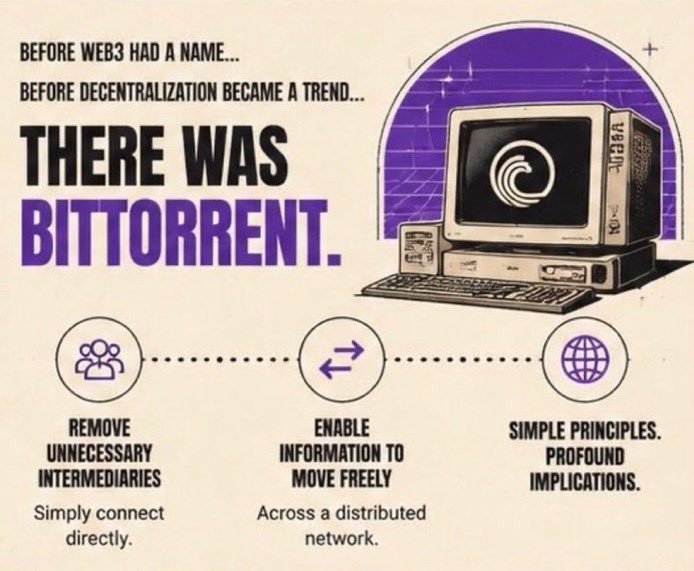
Long before decentralization became a popular Web3 narrative, the internet was already experimenting with ways to move information without depending on a single central point.
𝗕𝗶𝘁𝗧𝗼𝗿𝗿𝗲𝗻𝘁 𝗧𝘂𝗿𝗻𝗲𝗱 𝗣𝗲𝗲𝗿-𝗧𝗼-𝗣𝗲𝗲𝗿 𝗗𝗶𝘀𝘁𝗿𝗶𝗯𝘂𝘁𝗶𝗼𝗻 𝗜𝗻𝘁𝗼 𝗔 𝗟𝗮𝘀𝘁𝗶𝗻𝗴 𝗜𝗻𝘁𝗲𝗿𝗻𝗲𝘁 𝗣𝗿𝗶𝗻𝗰𝗶𝗽𝗹𝗲
The important idea was surprisingly simple:
Instead of forcing information through one centralized route, let a network of peers participate directly in its distribution.
BitTorrent helped popularize this model by allowing files to be shared through distributed connections rather than relying entirely on a single server.
That architecture introduced several powerful principles:
→ Fewer unnecessary intermediaries
Users could connect more directly with one another.
→ Distributed information movement
Data could travel across a network of participating peers.
→ Shared network responsibility
Participants were not merely consumers; the architecture allowed them to contribute resources as well.
→ Scalable distribution
As participation increased, the network could draw on more peers and more available sources.
These principles now sound familiar across Web3.
Distributed storage, blockchain networks, decentralized computing and peer-to-peer protocols all explore different ways of reducing dependence on centralized infrastructure.
The technology has evolved considerably, but the underlying idea remains relevant:
Information does not always need a central gatekeeper to move efficiently.
BitTorrent’s significance goes beyond file sharing. It demonstrated how changing the architecture of information distribution can change who participates, how resources are shared, and where responsibility sits within a network.
From early peer-to-peer systems to today’s decentralized infrastructure, the principle continues to influence how the internet can be built.
@BitTorrent@justinsuntron #TRONEcoStar
Picture a digital world where creating, collecting, trading, and owning intelligent assets are not separate experiences, but parts of the same ecosystem. That is the kind of intersection AI and Web3 are beginning to explore.
𝗔𝗜𝗡𝗙𝗧 𝗕𝗿𝗶𝗻𝗴𝘀 𝗔𝗜 𝗖𝗿𝗲𝗮𝘁𝗶𝗼𝗻 𝗜𝗻𝘁𝗼 𝗔 𝗡𝗲𝘄 𝗗𝗶𝗴𝗶𝘁𝗮𝗹 𝗢𝘄𝗻𝗲𝗿𝘀𝗵𝗶𝗽 𝗟𝗮𝘆𝗲𝗿
The image captures an ecosystem where artificial intelligence and blockchain meet across several creative and economic activities.
AI can help generate new forms of digital content.
Blockchain can provide infrastructure for ownership, transfer, and verifiable digital assets.
Together, these technologies open space for experiences such as:
→ AI Art for creative expression
→ Generative AI for producing new content
→ AI NFTs for intelligent digital assets
→ Collecting digital creations
→ Trading programmable assets
→ Ownership within a Web3 environment
𝗙𝗿𝗼𝗺 𝗖𝗿𝗲𝗮𝘁𝗶𝗼𝗻 𝗧𝗼 𝗢𝘄𝗻𝗲𝗿𝘀𝗵𝗶𝗽
The important part is the connection between these stages.
Creation produces something new.
AI can add intelligence and automation to the creative process.
NFT infrastructure can give digital objects a defined ownership layer.
Markets can then provide mechanisms for those assets to be exchanged and collected.
This creates a more connected model where AI is not simply generating content in isolation, while blockchain is not merely recording transactions.
They can complement each other.
𝗔𝗜𝗡𝗙𝗧 𝗦𝗶𝘁𝘀 𝗔𝘁 𝗧𝗵𝗲 𝗜𝗻𝘁𝗲𝗿𝘀𝗲𝗰𝘁𝗶𝗼𝗻
The broader opportunity lies in bringing intelligent creation closer to programmable digital ownership and Web3 utility.
𝗖𝗿𝗲𝗮𝘁𝗲. 𝗢𝘄𝗻. 𝗖𝗼𝗹𝗹𝗲𝗰𝘁. 𝗧𝗿𝗮𝗱𝗲.
𝗔𝗜 𝗰𝗮𝗻 𝗱𝗿𝗶𝘃𝗲 𝘁𝗵𝗲 𝗶𝗻𝘁𝗲𝗹𝗹𝗶𝗴𝗲𝗻𝗰𝗲.
𝗪𝗲𝗯𝟯 𝗰𝗮𝗻 𝗽𝗿𝗼𝘃𝗶𝗱𝗲 𝘁𝗵𝗲 𝗼𝘄𝗻𝗲𝗿𝘀𝗵𝗶𝗽 𝗹𝗮𝘆𝗲𝗿.
@AINFTcom@justinsuntron #TRONEcoStar
A stablecoin becomes more valuable when its liquidity can actually move with the needs of its users. Holding stable value is only one part of the experience; access, mobility, and utility increasingly matter just as much.
𝗨𝗦𝗗𝗗 𝗜𝘀 𝗘𝘅𝗽𝗮𝗻𝗱𝗶𝗻𝗴 𝗧𝗵𝗲 𝗥𝗼𝗹𝗲 𝗢𝗳 𝗦𝘁𝗮𝗯𝗹𝗲 𝗟𝗶𝗾𝘂𝗶𝗱𝗶𝘁𝘆
Within the TRON ecosystem, USDD is positioned around a broader use case for stable-value liquidity, connecting transfers and on-chain financial activity with an ecosystem of applications.
That creates several practical areas where stable liquidity can be useful:
• Transfers & Settlement — moving value efficiently across supported networks and applications
• DeFi Activity — providing liquidity that can interact with decentralized financial protocols
• Ecosystem Access — connecting stable-value assets with different Web3 use cases
• Programmable Finance — enabling financial activity through blockchain-based applications
• Capital Flexibility — giving users more ways to deploy and manage stable liquidity
𝗙𝗥𝗢𝗠 𝗦𝗧𝗔𝗕𝗜𝗟𝗜𝗧𝗬 𝗧𝗢 𝗨𝗧𝗜𝗟𝗜𝗧𝗬
The evolution of stablecoins is increasingly tied to what users can do with them after acquiring them.
A stable asset that can participate in payments, liquidity, DeFi, and programmable applications becomes part of a wider financial infrastructure rather than simply a place to park value.
That broader utility is where USDD continues to develop within the TRON ecosystem.
Stable value provides the foundation.
Mobility creates accessibility.
Utility gives liquidity a purpose.
@USDDecentralize@justinsuntron #TRONEcoStar
A token becomes more useful when the infrastructure around it gives more people a practical way to access, hold, and participate in its ecosystem.
𝗕𝗧𝗧 𝗘𝘅𝗽𝗮𝗻𝗱𝘀 𝗜𝘁𝘀 𝗠𝗮𝗿𝗸𝗲𝘁 𝗔𝗰𝗰𝗲𝘀𝘀 𝗧𝗵𝗿𝗼𝘂𝗴𝗵 𝗕𝗶𝗻𝗮𝗻𝗰𝗲.𝗨𝗦
The graphic highlights BTT/USDT as live on https://t.co/3qQK1yNLFg, creating another market-access point for BitTorrent’s token.
That matters because exchange availability can influence how easily users discover and interact with an asset.
For the broader BitTorrent ecosystem, the development connects token accessibility with the network’s longer-running vision around distributed infrastructure.
The ecosystem extends across several layers:
→ BTT provides the token layer.
→ BTFS explores decentralized data storage.
→ BTTC provides cross-chain connectivity.
→ BitTorrent products bring peer-to-peer technology to millions of users.
Greater market access can therefore sit alongside the technology itself, giving participants additional ways to engage with the ecosystem.
The image also captures an important progression:
Trade.
Hold.
Build.
Trading is only one part of the story. The larger opportunity is connecting token participation with an ecosystem that continues to develop infrastructure for decentralized applications and digital services.
The BTT/USDT listing shown in the graphic is another step in making BTT accessible through a recognized U.S. trading platform. Availability, trading conditions and access requirements can vary by jurisdiction and platform.
More access creates more entry points.
More participation can strengthen an open network.
@BitTorrent@justinsuntron #TRONEcoStar
When blockchain becomes cheaper to use, the difference is not limited to the amount saved on a single transaction. Lower costs can change how frequently people interact with applications and how easily developers can build for larger audiences.
𝗧𝗥𝗢𝗡 𝗠𝗮𝗸𝗲𝘀 𝗟𝗼𝘄𝗲𝗿 𝗧𝗿𝗮𝗻𝘀𝗮𝗰𝘁𝗶𝗼𝗻 𝗖𝗼𝘀𝘁𝘀 𝗣𝗮𝗿𝘁 𝗢𝗳 𝗜𝘁𝘀 𝗡𝗲𝘁𝘄𝗼𝗿𝗸 𝗘𝘅𝗽𝗲𝗿𝗶𝗲𝗻𝗰𝗲
The graphic highlights a 60% lower network fee, illustrating a change from $1.00 to $0.40.
That kind of reduction matters because transaction costs directly influence how practical on-chain activity feels.
For users, lower fees can make frequent transactions less expensive.
For developers, reduced transaction costs can make it easier to design applications where users interact with the blockchain more regularly.
And at the ecosystem level, affordability can support more activity across:
→ Payments
→ DeFi applications
→ Transfers
→ Smart contracts
→ On-chain services
The relationship is straightforward:
Lower costs → easier participation → more potential activity → broader ecosystem possibilities.
Of course, actual transaction costs can vary depending on the transaction and network conditions, so the figures shown should be understood in the context of the graphic rather than as a universal fixed fee.
What remains important is the underlying infrastructure principle: a network becomes more accessible when interacting with it does not require users to spend heavily on every action.
TRON’s focus on efficiency places transaction economics alongside speed, utility and accessibility as important parts of the overall network experience.
Same people.
Lower friction.
More possibilities.
@trondao@justinsuntron #TRONEcoStar