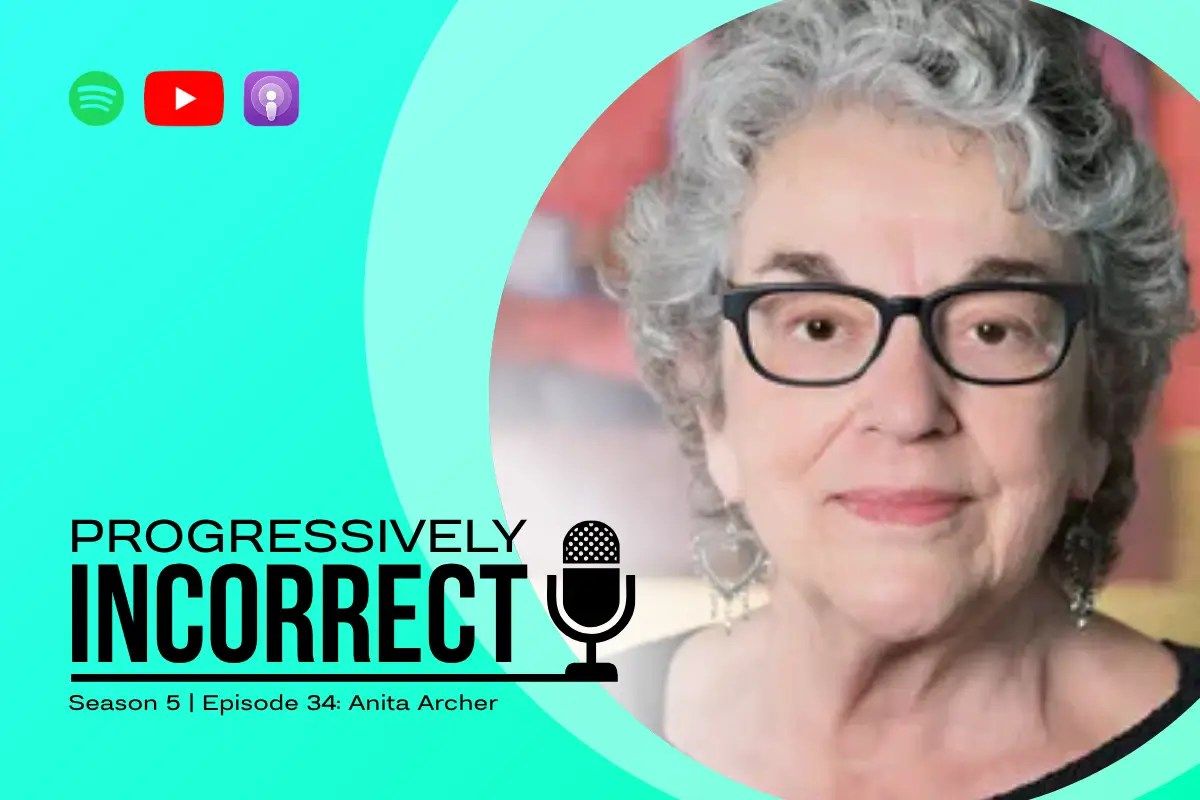
New Progressively Incorrect episodes are on the way. For now, steal Anita Archer's vocabulary routine. Say the word together. Give a short, clear meaning. Show examples and non-examples. Ask questions that make every kid use the word.
👇
If you would like an accessible overview of Direct Instruction theory, my second book might be of interest. With a foreword by Kurt Engelmann, it explores how DI selects, categorises and sequences knowledge.
Although many people see DI as only a fast paced call and response classroom approach, my book explores its approach to curriculum sequencing and design
Theory of Instruction is famously Byzantine so if you don't have the inclination to trudge through it, my book condenses and explains many of the core principles within DI theory...
I hear this a lot - across lots of subjects - but I don’t think it’s true. The building blocks must be taught explicitly. Yes, pupils can come up with their analysis + interpretation, but this is far richer *with* knowledge. Check out this week’s episode of #OperationEducation
The one thing I’d want everyone to know about Direct Instruction is that the methods, materials and routines are far less important than the underlying drive behind it: the unswerving belief that EVERY child can achieve, regardless of circumstance.
DI is based on a deeply held conviction that if a child didn’t learn, it was because the teacher (or curriculum) didn’t teach them properly. In that sense, it is a movement rooted in social justice but one which takes responsibility for outcomes.
In the 60s and 70s, there was a view in the education academic establishment that formal academic work was premature for 4-year-olds, and doubly so for poor ones; so what they needed was enrichment and play.
Worse still, in the early 70s, some academics described DI as a racist enterprise*. Engelmann's own memoir notes that he and Bereiter were called “Nazis” and “kid-haters.”
Despite this, Engelmann taught disadvantaged 4 year olds to factor and to solve simultaneous equations, and filmed it. Bereiter and Engelmann’s argument, set out in ‘Teaching Disadvantaged Children in the Preschool’, was that the disadvantaged child was not “behind” in some general developmental sense but behind in specific, teachable things, that all kids could learn with the right scope and sequence.
The preschool they opened in the mid 60s ran for two hours a day, with three twenty-minute lessons in language, arithmetic and reading, taught to small groups by a teacher following a specific DI sequence. Those kids made huge gains which faded when they went to normal public schools.
DI has its limitations like everything but the drive behind it is sincere. As #SoldAStory season 2 will show, it has been portrayed as something very different to what it actually is and the animating principles behind it.
*Baratz and Baratz, ‘Early childhood intervention: the social science base of institutional racism.’
Noting that Direct Instruction programs exist for reading, spelling, writing, language, math, history, science, and reasoning, but not for the subject you teach, is not the rebuttal you think it is. The evidence for DI is in its design principles, which apply to any content.