Genomic divergence in Atlantic Halibut?
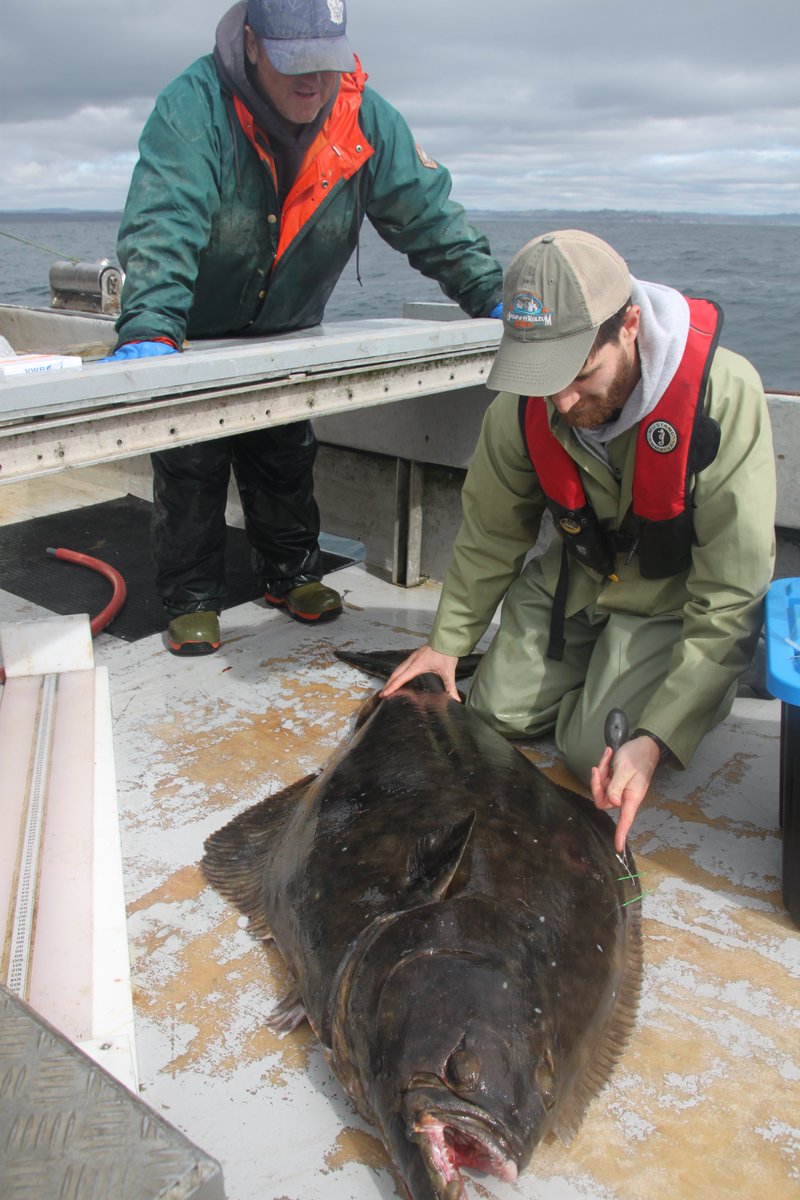
The latest Editor’s Choice article in ICES Journal of Marine Science investigates genetic differences between the Gulf of St. Lawrence & the continental shelf populations of Atlantic Halibut. #FreeToRead
https://t.co/96Fu9AAOrR
@AEDerocher Super cool! If you want to test whether it's genetic (XXY is relatively common in mammals), here's one way to do that: https://t.co/UYfRT4APJU
We also looked at intersex belugas, supporting pollution rather than genetics as a potential cause.
In light of that bizarre @NatureComms paper: a female scientist inspired me to study biology. A female scientist's reference got me into grad school. I only finished grad school thanks to mentorship from a female scientist. Female mentors haven't damaged my career, they made it.
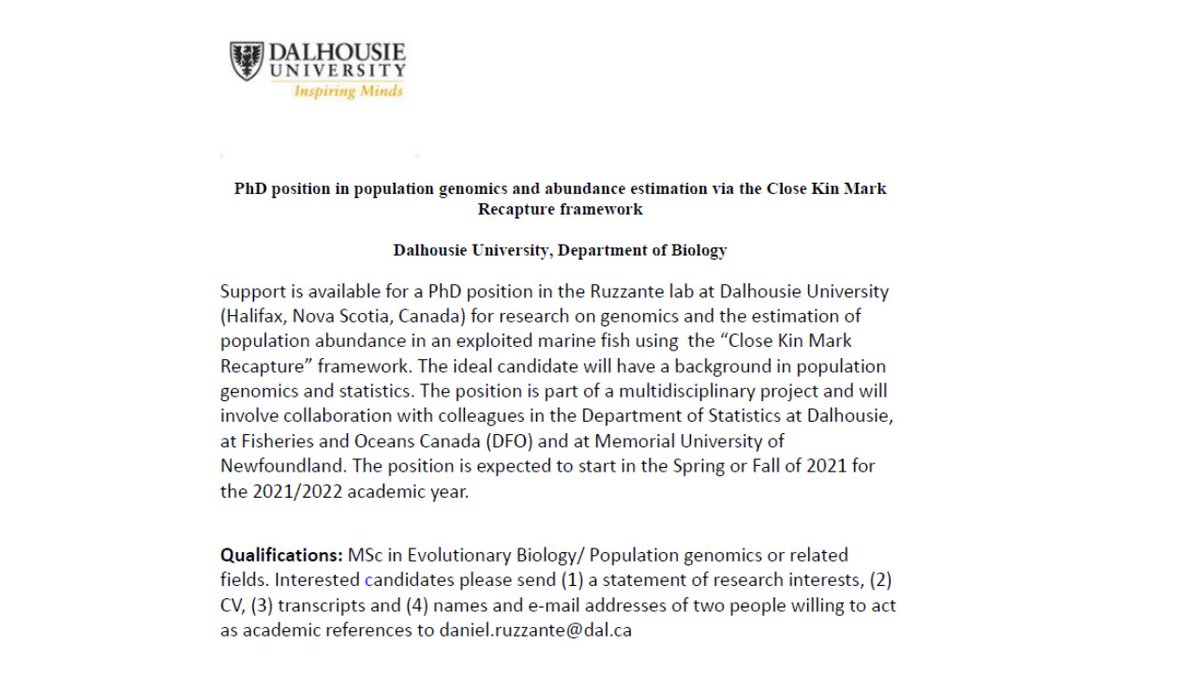
I'm recruiting a PhD for work on genomics/pop abundance estimation in exploited marine fish using CKMR framework. Looking for someone w MSc background in pop gen & stats. Position is part of multidisciplinary project collab w Dalhousie Dept Stats, DFO & MUN. For Sep 2021 Pls RT
@marie__louis @deepdivewhales Thanks Marie! Really enjoyed your recent narwhal paper, and it looks like narwhal still holds the record by a close margin!
Human activity moves species to new places, but what does it do to their native populations? We looked at the genetics of historically introduced species to find out:
https://t.co/b4FFp9ElPX
@USGS_NAS
@liz_mandeville Assuming species isn't threatened, ethanol's the main issue. If you fix specimens in >95% ethanol first, then dilute to 24%, you can ship the ethanol without special treatment, and then have the receiver replace with >95% ethanol again. Related: https://t.co/5ABQfCKQ6H