Is Morpho trying to kill DeFi?
@aave and @Morpho both sent the SEC a legal framework for DeFi lending, one defends DeFi, the other negotiates it away
When you deposit into a lending market or a vault, did you just buy a security? If yes, someone has to register, disclose and answer to the SEC. If no, DeFi keeps running as it is.
The SEC mainly uses two tests:
1- Howey: did you put money into a shared venture and expect profit from someone else's work?
2- Reves: is your position really an IOU, a note someone promised to repay?
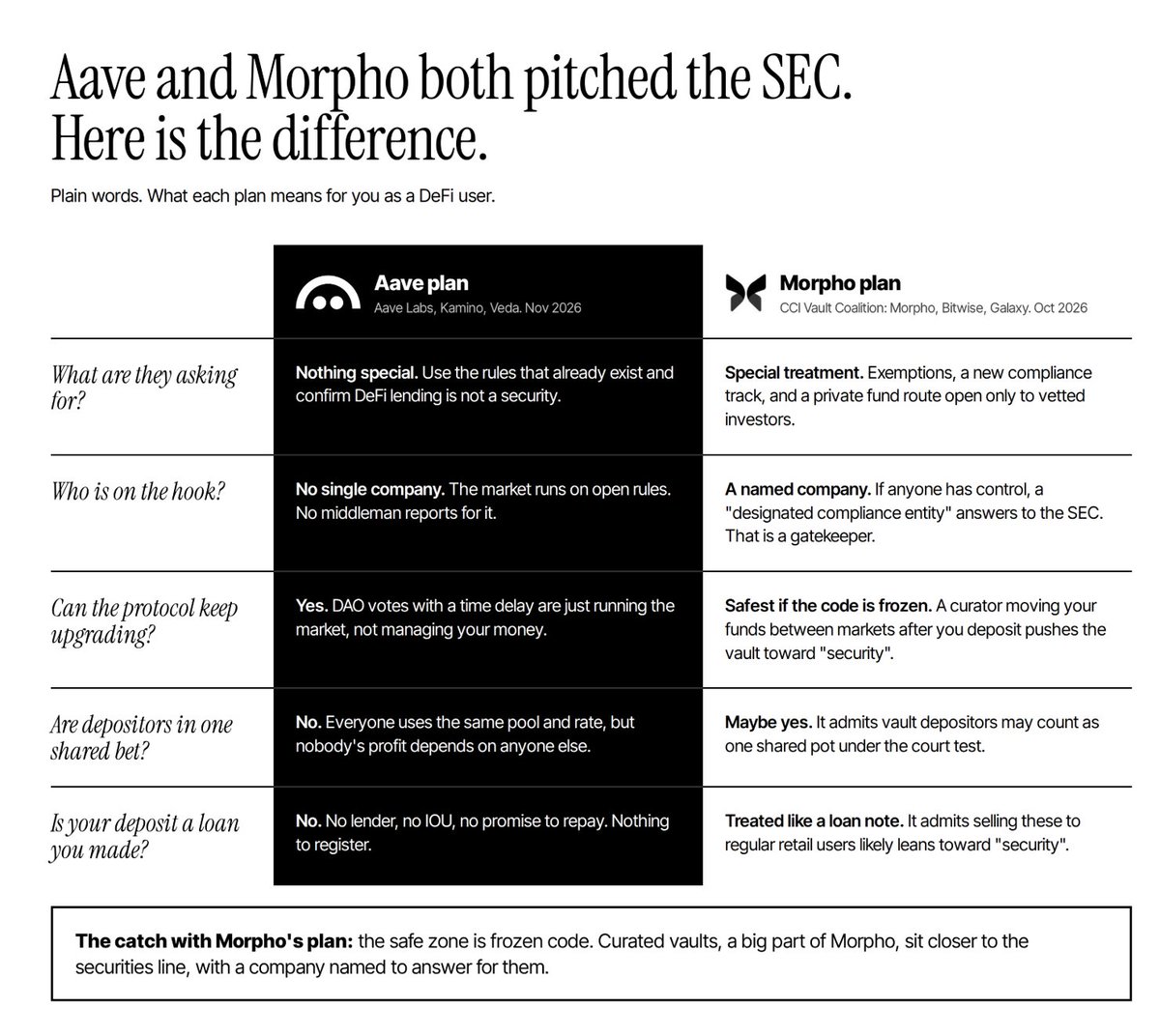
Aave's approach (Aave Labs, @kamino , @veda_labs ) On Howey, there is no shared venture. Suppliers use the same pool and rate, but nobody's profit depends on anyone else. DAO votes with timelocks run a market. They don't manage your money
On Reves, the test never starts, as there is no lender, no borrower duty and no promise to repay, so no IOU exists. Vault curators may count as investment advisers, yet they can't touch your funds
That means no custody and no fund. What it wants from the SEC: confirm existing law. No exemption needed
Morpho's approach (CCI Vault Coalition: Morpho, Bitwise, Galaxy) Control is the yardstick. The less any person can change after you deposit, the further you sit from securities law. Ten conditions define the safe zone, including locked or timelocked parameters and no moving funds between markets after deposit
Howey gets fought mostly on "someone else's work." The paper concedes a vault may already count as a shared venture
Lending positions are treated as notes under Reves, and selling them to retail likely leans "security," it admits.
Its request: exemptive relief, a compliance entity wherever someone holds control, and a private fund lane for vetted investors.
So what's best for DeFi?
Morpho's map is detailed and candid about hard cases, which regulators appreciate. The cost is ground given up before the fight begins. Every concession becomes the SEC's starting point, and the safe zone rewards frozen code over protocols that keep evolving. Aave keeps the default where DeFi needs it. Open markets aren't securities, governance can keep improving the protocol, and no company has to stand in front of it.
Adopt Aave's reading and DeFi stays permissionless, but under Morpho's, DeFi runs on a license
curious to hear what @ImmutableLawyer@spynter@lex_node would think about this
You use Claude for LinkedIn with 0 installs.
These 27 installs fix that (sorted by job):
I released my social media skills in April this year (4.3k stars on GitHub since). And over the last 7 months, I've spent a lot of time building out the new variation.
Free install guide
→ https://t.co/rohxdwKqdS
Free step-by-step
→ https://t.co/0Tff0JSZvZ
19 of them come with my AI OS for LinkedIn.
You can sign-up here
→ https://t.co/6dgV2b7RGL
7 of those 19 also have a lighter free version in my repo (marked + free). The other 8 are open tools you can add today (one of them is my free repo).
This is how I write a post with five of them:
1. post-strategist picks the idea
2. infographic-lean creates the graphic
3. post-writer (actually) drafts it in my voice
4. linkedin-score scores it against my best posts
5. publish-check checks the post before it goes live
So every post gets scored before anyone sees it.
Watch me build it live → https://t.co/lMqgVZvoZO
Repost ♻️ to help someone in your network.
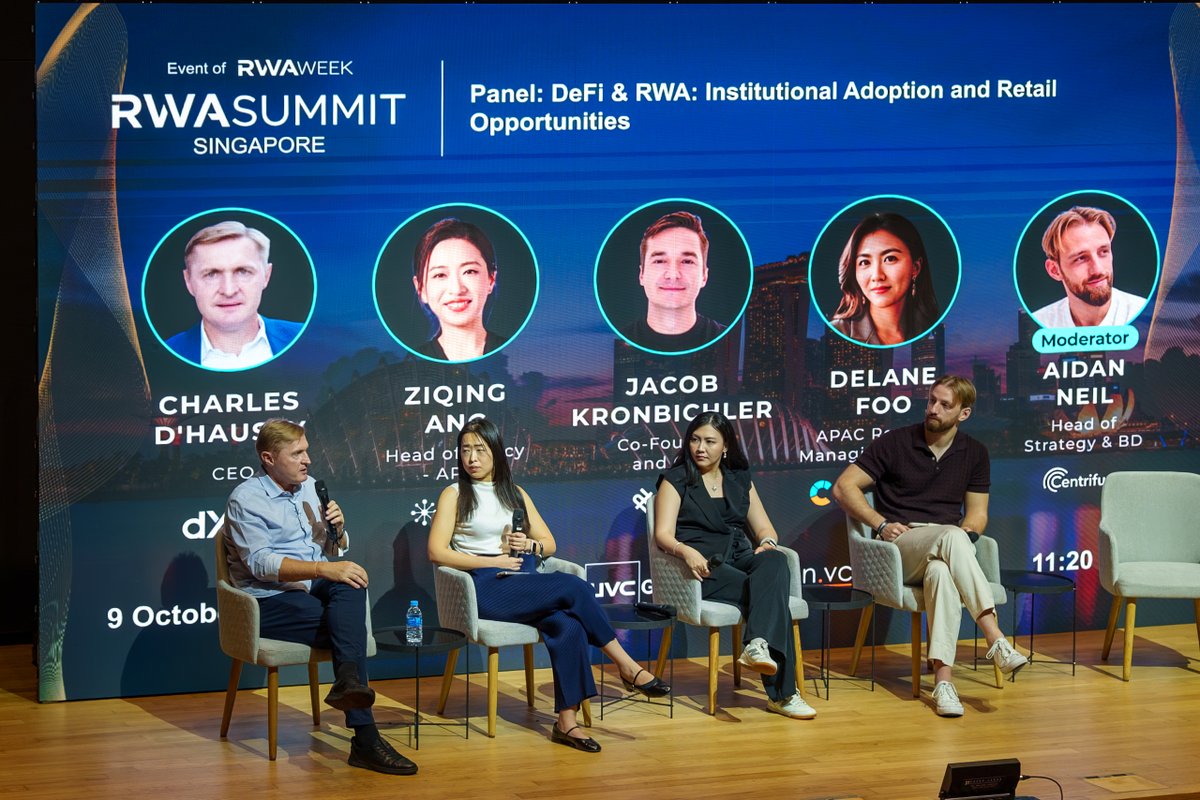
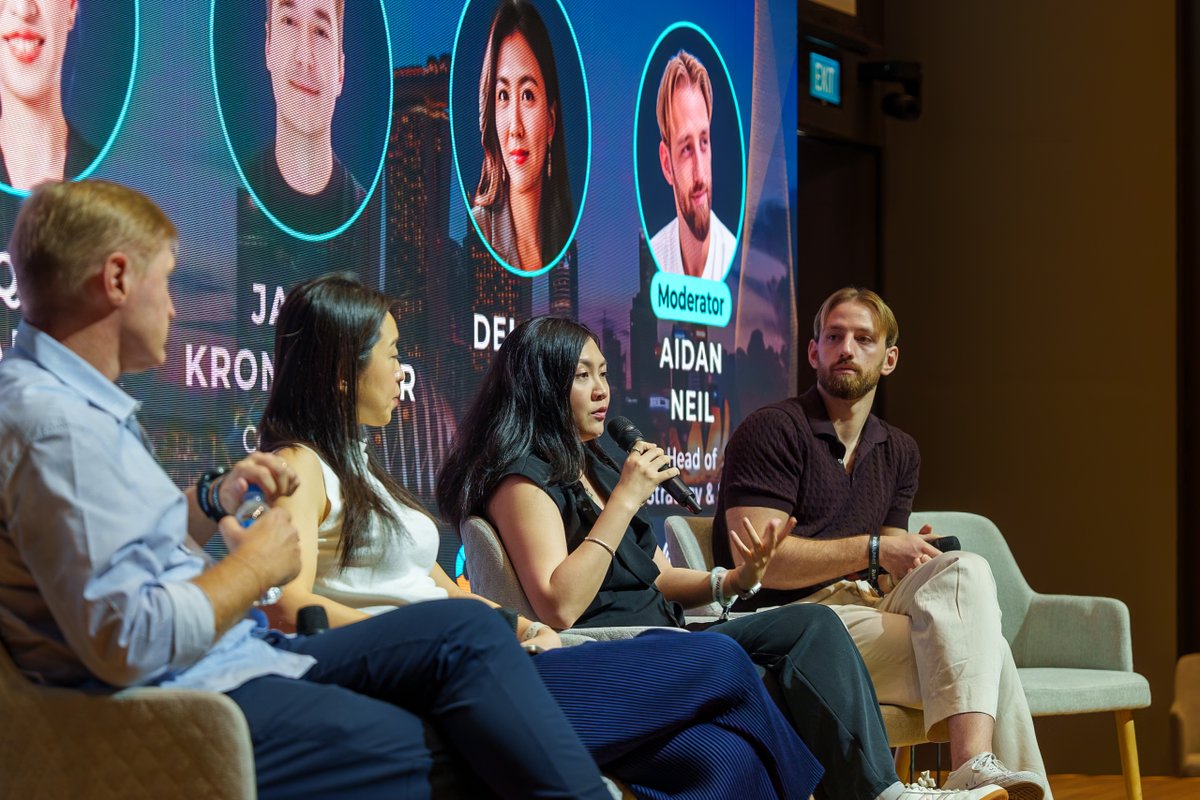
🎥 RWA SUMMIT SINGAPORE RECAP: #DeFi & #RWA: Institutional Adoption and Retail Opportunities
Real-world assets are moving on-chain, and the bridge between TradFi and DeFi is getting stronger. Our panelists broke down what it takes to bring tokenized assets to everyone.
Key takeaways:
- Broader access: Tokenization lets retail users tap into institutional yields like T-bills and private credit.
- More liquidity: RWAs need to connect directly with DeFi lending and trading protocols to unlock real value.
- Safer scale: Smart contract security, clear regulation, and compliance are essential for real-world adoption.
Speakers:
• Charles d'Haussy - CEO at @dydxfoundation
• Ziqing Ang - Head of Policy - APAC at @trmlabs
• Delane Foo - APAC Regional Managing Director at @Nethermind
• Moderator: Aidan Neil - Head of Strategy & BD at @centrifuge
👉 Catch the full conversation here: https://t.co/rnbA1HvZC7
1. Stocks will all be tokenized
2. Bonds will all be tokenized
3. Funds will all be tokenized
4. Real estate will be tokenized
5. Private credit will be tokenized
6. Commodities will be tokenized
7. Treasuries will be tokenized
8. Art will be tokenized
9. Collectibles will be tokenized
10. Infrastructure will be tokenized
11. Insurance will be tokenized
12. Company shares will be issued onchain
13. Stablecoins will become the default rails for moving money
14. Every major financial institution will have an onchain product
15. Every major asset manager will have tokenized products
16. Financial markets will trade 24/7
17. Settlement will move from days to seconds
18. Ownership will become programmable
19. Collateral will become composable
20. Assets will move across borders without traditional financial plumbing
21. The distinction between crypto and finance will keep disappearing
22. Tokenized assets will become normal for the average investor
23. Billions of people will eventually interact with tokenized assets without even thinking about it
24. The majority of financial assets will eventually have an onchain representation
25. Tokenization will become so normal that we stop calling it tokenization