Academic support for Technical Reports, Engineering Modelling Tasks, Dissertations, Term Papers, and Lab Reports.
Precision. Confidentiality. On-time Delivery
🎓 Get urgent Help on;
✅ Essays, assignments & exams — handled by expert tutors💡
✅ Specialized in technical & research-heavy courses
✅ Fast, reliable, plagiarism-free
👉 Start today for those top grades
#EssayHelp#AssignmentHelp#AcademicSupport#StudentSuccess#DeadlineHelp
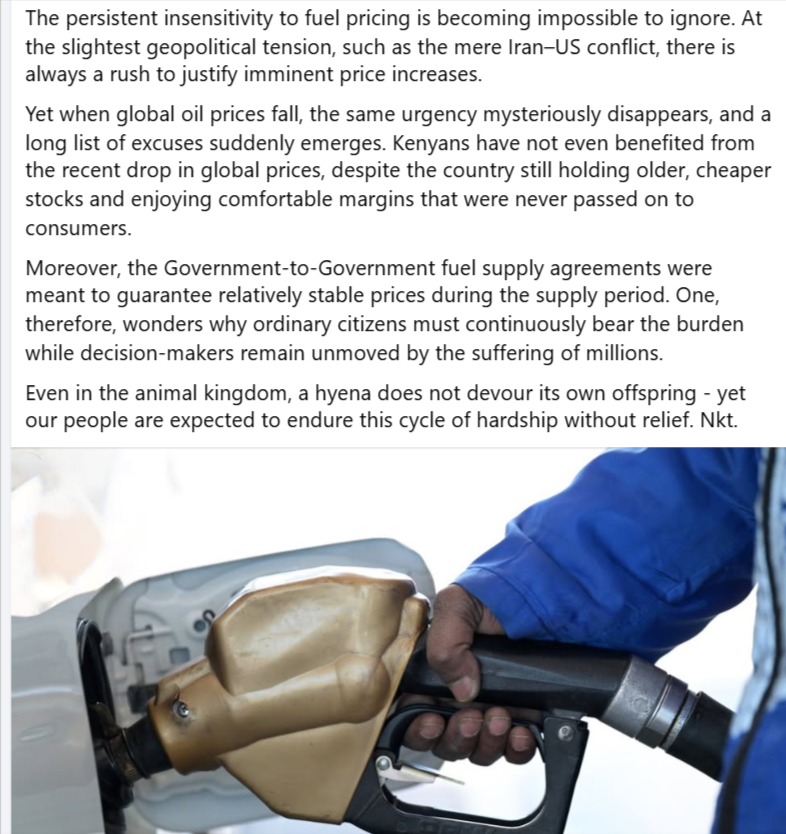
Even in the animal kingdom, a hyena does not devour its own offspring - yet our people are expected to endure this cycle of hardship without relief. Nkt.
Edwin Sifuna Murang'a Tinubu
Decentralized Kiprono Kittony KSh82
The Harsh Truth Engineering Students Need to Hear
Most engineering students don’t lose marks because they’re weak technically.
They lose marks because their technical reports don’t communicate engineering thinking clearly.
We’ve broken down the exact A-Grade Blueprint used by high-performing engineering students — from structuring your report properly to mastering data interpretation and writing discussions that impress examiners.
It’s Saturday. You promised yourself you’d finish that technical assignment. Instead, you’re staring at a blank screen, complex formulas, and a deadline that won’t move. Don’t let one tough task ruin your entire semester.
#AssignmentHelp#StudentLife#EngineeringStudents#STEM
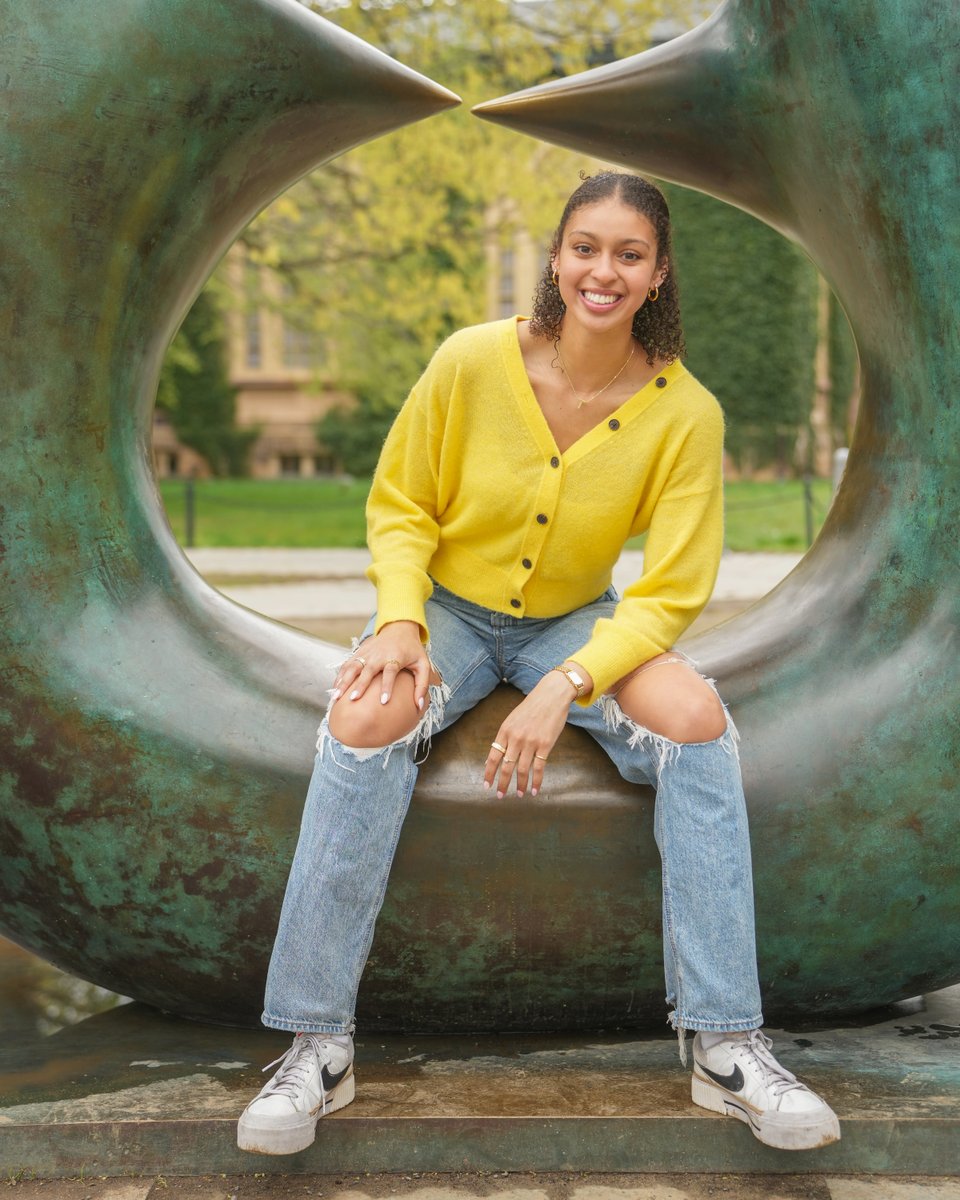
“My interest in neuroscience began long before I ever stepped into a Princeton classroom. When I was a junior in high school, my grandmother began developing dementia. Watching someone I love slowly change in ways I didn’t understand left me searching for answers. I started reading anything I could about the brain — how it works, how it changes, and why. What began as an attempt to make sense of something painful became a fascination with the biology that shapes who we are. That curiosity followed me to Princeton and to a life-changing internship through Princeton Internships in Civic Service in summer 2024 with Easterseals in Chicago. I worked in the HB Threads program, a vocational initiative where neurodiverse adults produce custom apparel and goods. My role was to assist them with tasks as they made T-shirts and buttons, but more importantly, to work alongside them as teammates. What I didn’t expect was how quickly those individuals would begin to shape me. One of my teammates there took particular pride in his craftsmanship and in his collaboration with his coworkers and the faculty. After the internship, we stayed in touch by email. He knew I was a member of the @PrincetonWBB and he’d update me on his Special Olympics competitions and ask how Princeton was going. That relationship showed me something I hadn’t fully understood: neuroscience isn’t just about understanding the brain in theory. It’s about understanding and appreciating the different ways people’s minds work. That summer shifted my perspective. I learned patience in a deeper sense — not waiting, but listening. Not assuming ability based on how someone communicates or acts, but discovering it through how they engage with the world. I brought this back with me to Princeton, in the classroom and on the basketball court. As an athlete, you learn quickly that every teammate brings something different. Easterseals taught me to value those differences as strengths and reminded me why I wanted to pursue neuroscience. It showed me that what I study isn’t just science — it’s people.”
— Taylor Charles ’26; portraits by Noel Valero ’82 *86