Dexerto forgot to mention in their tweet that the reason people are most upset is because the creator ModRetro of helps fund and build the weapons America is using in Iran and Palestine.
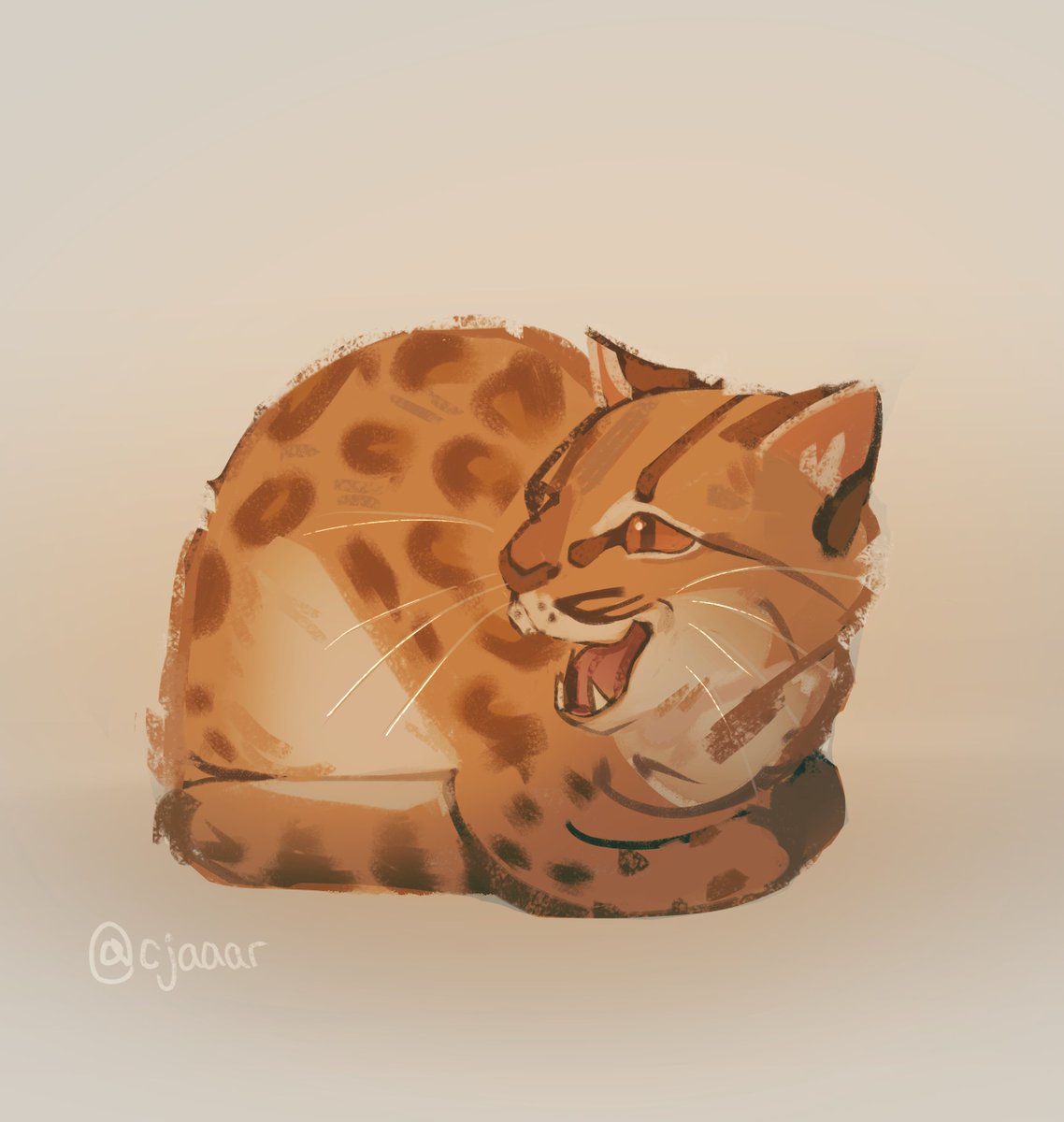
mammal of the day 9: tilcayo tiger cat (leopardus tilcayo)
> found in: bolivia
> habitat: yungas cloud forest, where the andes meet the amazon
> eats: small vertebrates
> status: not yet assessed
📸: Paola Nogales-Ascarrunz
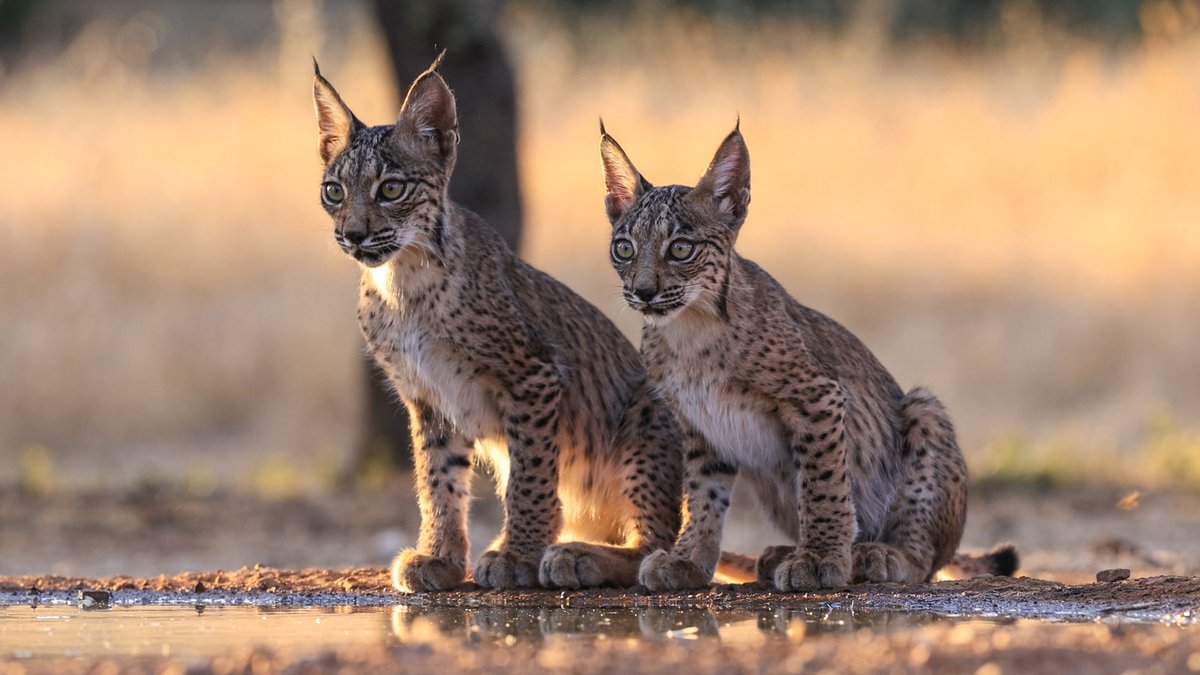
In 2002 there were 94 Iberian lynx left on Earth. Only 27 of them were females capable of raising a litter.
The 2025 census, published this June, counted 2,663 lynx across 26 separate areas of Spain and Portugal. 542 of them are territorial breeding females. Six times the total number of lynx that existed in 2002.
It was a stunning recovery, but the way it happened was pretty ordinary.
It came down to captive breeding, with 424 animals released into the landscape since 2011, and making sure their habitat was intact.
Scrubland habitat was restored, corridors built between isolated patches, and more than 100,000 rabbits released into lynx country over two decades, because a lynx eats almost nothing else and the rabbits had been wiped out by disease.
They saved both the cat and an important part of the food web at the ssame time.
The IUCN moved the species from Endangered to Vulnerable in 2024. Vulnerable is an improvement but it still means the species has a meaningful risk of extinction in the wild.
For everyone excited about the new cat drop (I AM!!!) please consider donating to Bolivian wildlife sanctuaries! Tiger cats are in need of preservation and this lil guy is an incredible discovery, exactly why we have these causes! This is so cool! https://t.co/fQI5fpzV9m
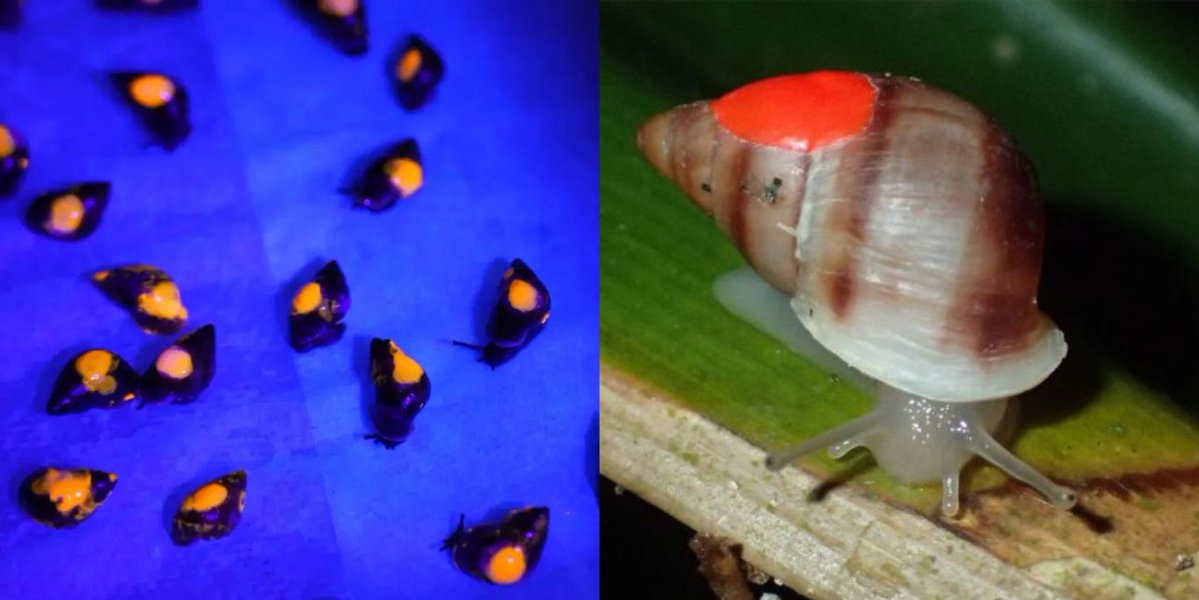
500 snails were just mailed out priority overnight from a zoo in Michigan. Actual snail mail.
They're Partula snails, tree-dwelling and thumbnail-sized, native to a handful of islands in French Polynesia.
Someone introduced the giant African land snail to Tahiti as a food crop. It became a pest. So someone else introduced the rosy wolf snail to eat it. The rosy wolf snail ignored the African snail and ate the Partulas instead.
A handful of zoos took what was left into captivity and have been breeding them ever since.
The current batch was raised at the Detroit Zoo, shipped overnight to St. Louis for a specialized diet to prep them for the wild, and is headed to Tahiti. Insulated packaging, phase-change packs to hold temperature steady. The Audubon Nature Institute in New Orleans sent 200 of their own.
Every shell gets a dot of animal-safe paint that glows under UV. The color changes by year, so a researcher with a blacklight in a Tahitian forest can tell you which cohort a snail came from.
The program has now returned over 17,000 snails across 11 species that were extinct in the wild.
And they're breeding out there. Partula nodosa, a species that existed only in zoos, has produced wild-born young.
But the curator's definition of success is clear: a self-sustaining population, reproducing on their own, in habitat that's actually protected. Not a number released, but a population that no longer needs the mail to make it.
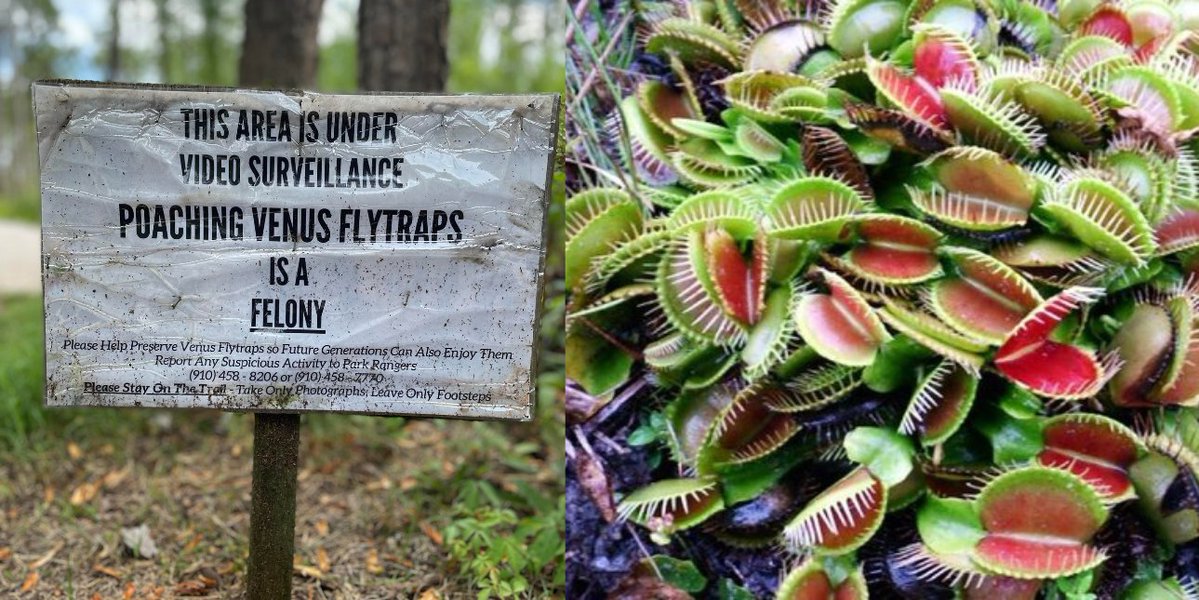
The Venus flytrap grows wild in one place on Earth. The federal government says they're doing fine. Conservationists launched a lawsuit over that last week.
Wild flytraps exist only within about a 90-mile radius of Wilmington, North Carolina, spilling just into South Carolina. Nowhere else. They need longleaf pine wetlands that burn regularly, and both the burning and the wetlands have been disappearing under one of the fastest-developing stretches of coast in the country.
Fish and Wildlife declined to list them in 2023, finding the population stable and sufficiently protected by state law. The lawsuit filed this month argues they've declined 98% and that what's left sits in a handful of isolated populations facing sea level rise and continued poaching.
Population estimates range from 35,000 to 400,000 depending on who counted. But [oaching is the part nobody disputes.
It's been a felony to poach a flytrap in North Carolina since 2014, and every single plant counts as a separate offense.
In 2015, four men were caught at Holly Shelter Game Land with 970 flytraps. In 2019 a man arrested with 200 plants faced 73 felony counts and a $750,000 bond. In 2024, two people took nearly 600 from conservation land at Boiling Spring Lakes.
A poacher can clear a bog in an afternoon. Law enforcement out there is thin, and the poachers know it. Many do get away with it.
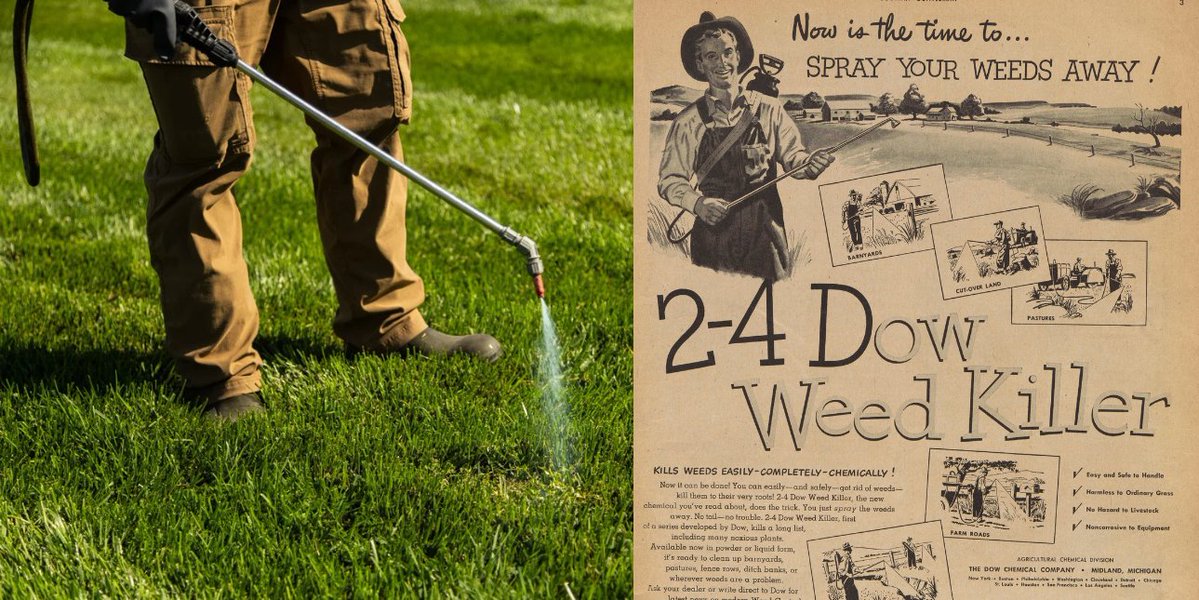
If you hate dandelions, it's because of a marketing campaign to sell wartime chemicals that ran before you were born.
Your great-grandparents grew dandelions on purpose. European colonists packed the seeds and brought them here as food.
Then 2,4-D came out of wartime research into anti-crop weapons and hit the home market in around 1945.
Scotts and the rest built an entire industry on the idea that a good lawn had no broadleaf plants in it. They needed a villain. They chose to target dandelions because they're bright yellow, survive mowing, and everybody has them.
The campaign worked like a charm. By the 1970s dandelion-free was the gold standard, pun not intended, for the perfect middle-class lawn.
2,4-D is still one of the most-used herbicides in the country and it turns up routinely in groundwater.
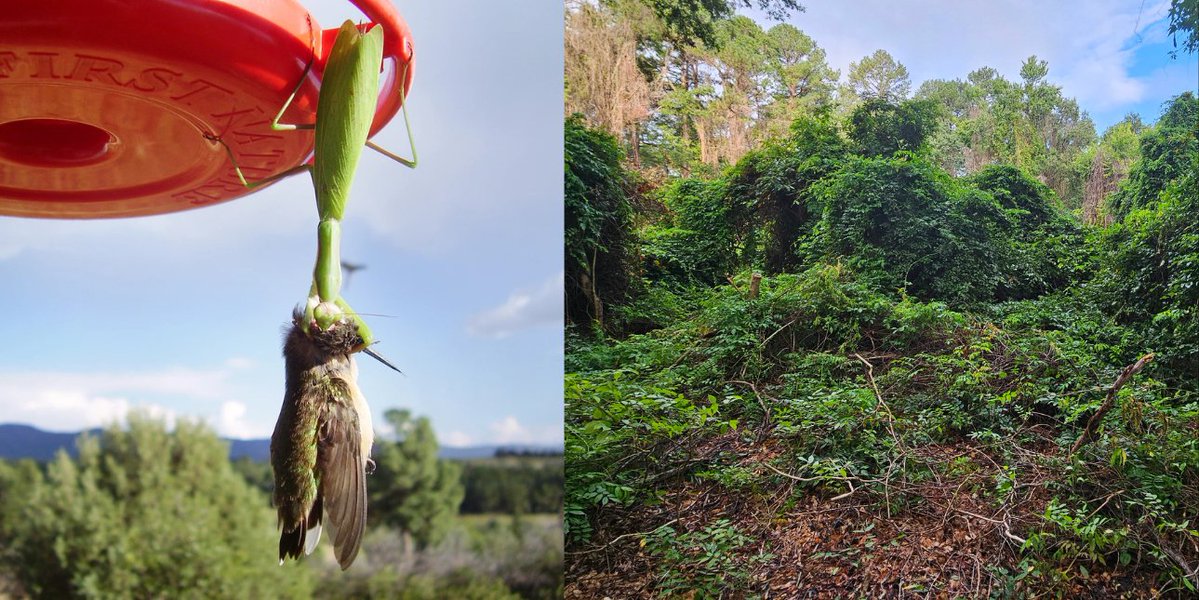
Chinese mantises are invasive and prey on hummingbirds and native pollinators. You can buy their egg cases in the store.
Asian wisteria escapes yards, overruns trees, and smothers entire forests. You can buy one online.
Nandina berries kill cedar waxwings by the flock. You can head to a local nursery and get three.
Why? Because somebody is growing them, and a ban costs that person money. That's the holdup. Not scientific consensus on the impact of the invasives. Money.
But states are moving, and you are the reason why.
Michigan's ag department opened public comment on six species it was considering banning. Just over 2,000 people wrote in. 90% said ban them. The state banned all six in May.
Your state almost certainly has an invasive species council or an ag department that takes public comment. Go find out what's on their list (and what isn't) and demand action.
"Free-range" on an egg carton means the barn has a door. That's it. Just access to the outdoors.
No minimum square footage, no minimum time, no requirement that anything even be growing out there, and nobody checking whether a single hen ever walks through it.
Cage-free is an even weaker marketing term. It only means the hens aren't in battery cages. They still live indoors with no outdoor access required.
And pasture-raised isn't totally in the clear either. It's a label with no federal definition for eggs. The FDA never wrote a standard for the term. Anyone can print it on an egg carton.
The labels that actually mean something are all third-party given. Look for these:
Certified Humane Pasture Raised. 108 square feet of pasture per hen, outside at least six hours a day.
Animal Welfare Approved. Continuous outdoor access on living vegetation. The strictest one going.
Global Animal Partnership, Step 4 or higher.
Otherwise, take every marketing label with a mighty grain of salt.
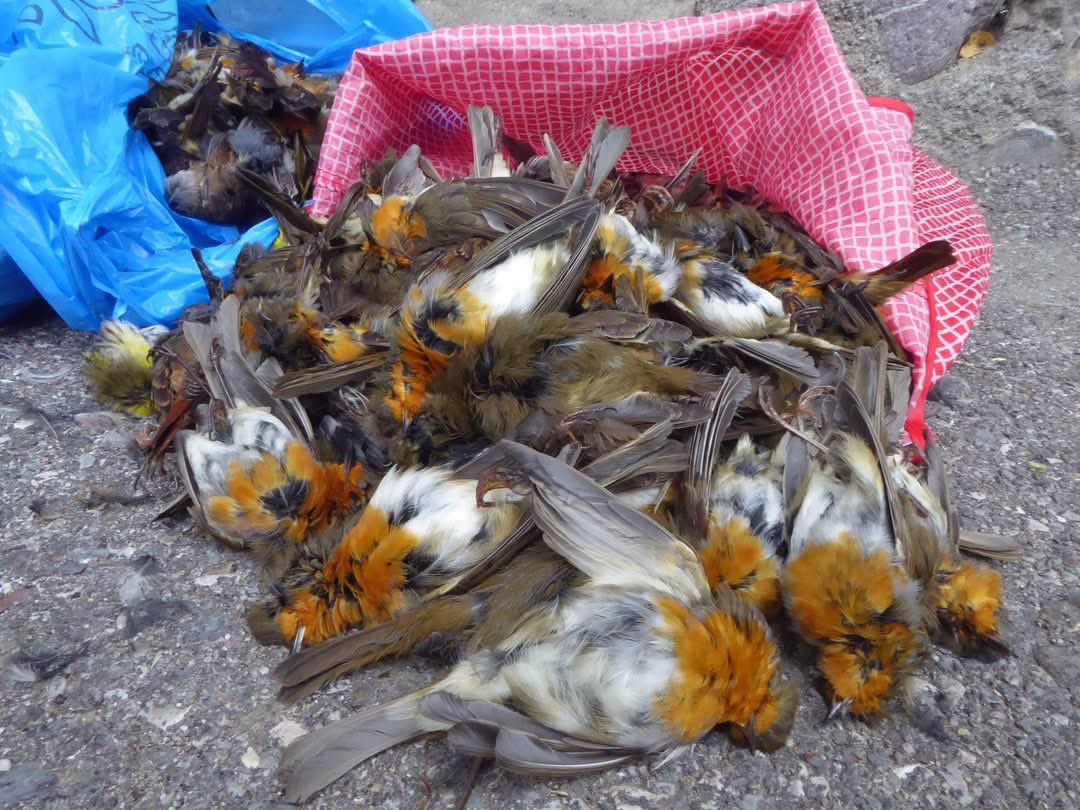
🚨 Poachers near Lake Garda use illegal nets and snap traps to kill European Robins.
Our "Robin Rescuers" are launching two special anti-poaching missions this autumn, but we need €4,000 to cover field costs.
Donate below to support the mission! 👇
https://t.co/9CqLN0K0Yd
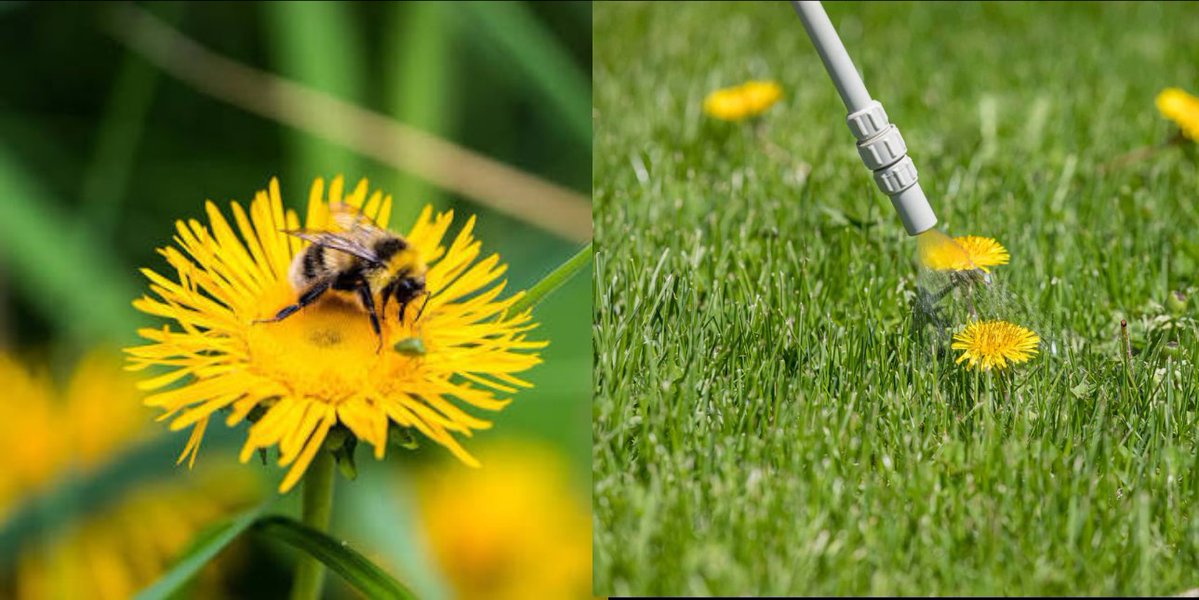
Dandelions are one of the last flowers standing in the fall. Spray one with roundup and you're spraying every bumblebee queen that visits, just as she's preparing to hibernate.
The flower doesn't die on contact. It takes days, and it keeps getting visited the entire time. Bumblebee queens are feeding hard right now, building the fat reserves that have to carry them through months underground with no colony and no food. Every queen that doesn't fatten up is a colony that doesn't start next spring.
Research from Finland found glyphosate-exposed bumblebees lost the ability to tell flowers apart by color, and lost their sensitivity to the ultraviolet patterns bees use to find nectar.
Late solitary bees, hoverflies, and butterflies are working the same flowers too.
If the dandelions genuinely bother you, dig them out. A weeding fork gets the taproot.
Or leave them. The first hard frost takes care of it.





![CRTLOID's tweet photo. 🧩🎠 mindscape cinema-style
[ #deltarune / #rouxlskaard ] https://t.co/yiAjDbj45h](https://pbs.twimg.com/media/HR-JpFmWkAEI47T.png)
![CRTLOID's tweet photo. 🧩🎠 mindscape cinema-style
[ #deltarune / #rouxlskaard ] https://t.co/yiAjDbj45h](https://pbs.twimg.com/media/HR-JobqbMAAtr4M.png)
![CRTLOID's tweet photo. 🧩🎠 mindscape cinema-style
[ #deltarune / #rouxlskaard ] https://t.co/yiAjDbj45h](https://pbs.twimg.com/media/HR-JnynWYAUFWT1.jpg)







![CRTLOID's tweet photo. 🧩🎠 mindscape cinema-style
[ #deltarune / #rouxlskaard ] https://t.co/yiAjDbj45h](https://pbs.twimg.com/media/HR-JpwzaYAAV33f.png)





