FAN FAVORITE FRIDAY
(except this time it’s sunday because i moved it…)
comment to suggest a species for me to post, and whichever has the most likes by this evening will be posted later today!
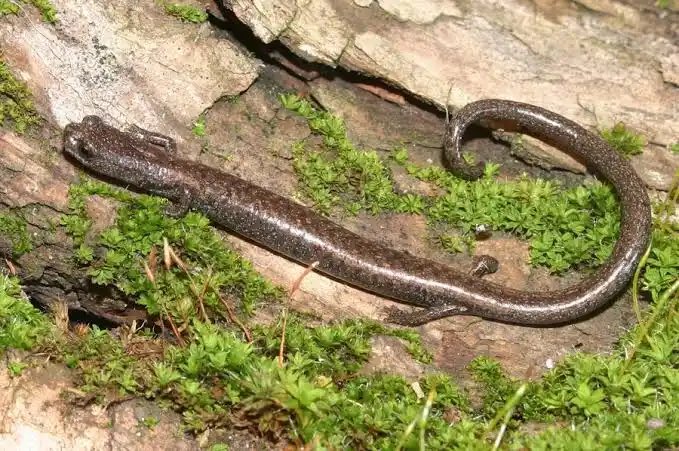
herp of the day 9: chunky false brook salamander
(aquiloeurycea cephalica)
> found in: mid-Mexico (endemic)
> habitat: forested areas
> eats: small invertebrates
> status: least concern
photo by Wouter Beukema
📸: https://t.co/0QHYaz5ILX
it was first described in 1865.
it belongs to the family Plethodontidae, or lungless salamanders; thus, rather than relying on lungs, it conducts respiration through its skin.
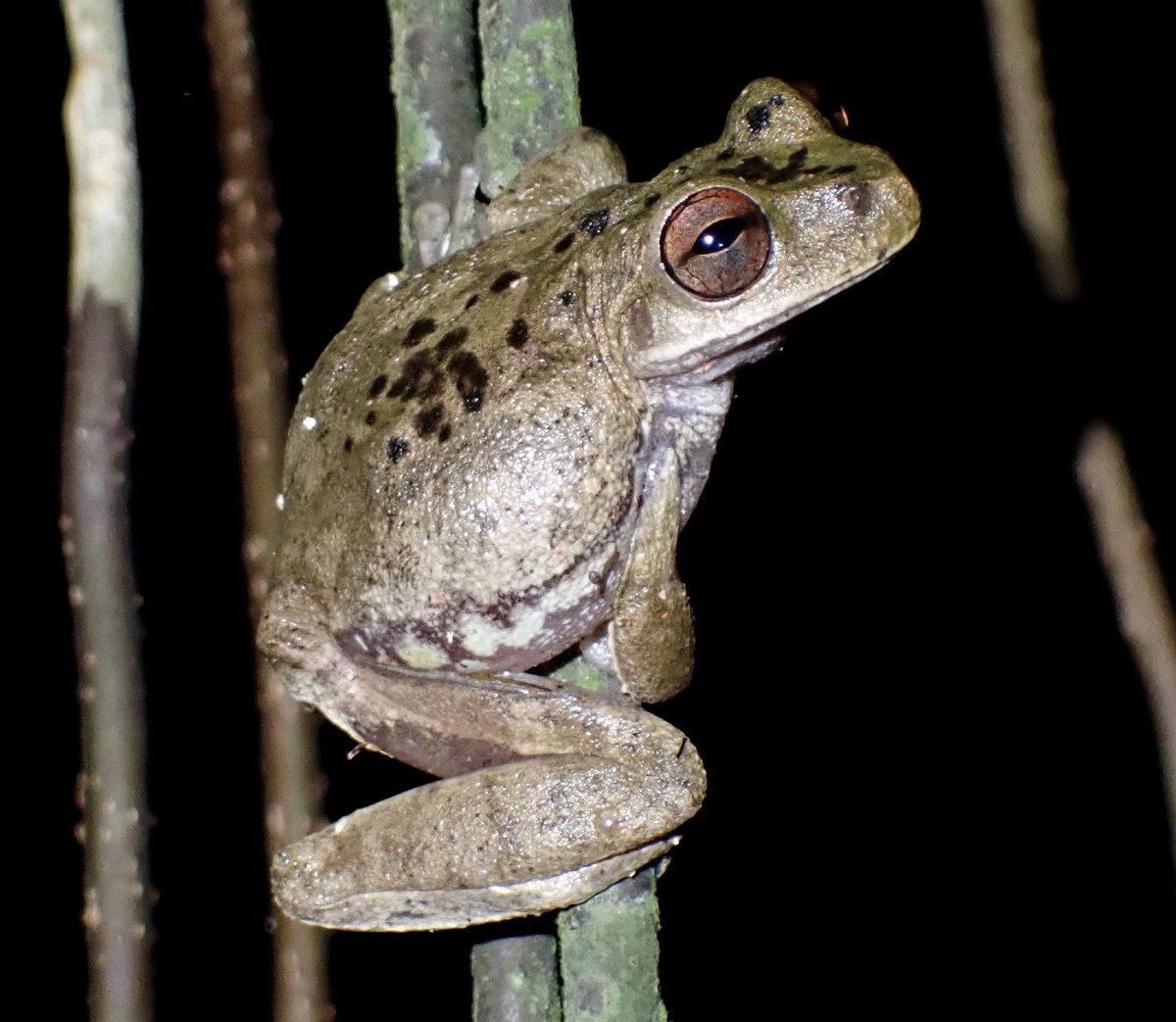
herp of the day 8: ceiba stream frog
(atlantihyla spinipollex)
> found in: Honduras (endemic)
> habitat: moist forests, especially near rivers
> eats: insects and other small invertebrates
> status: endangered
📸: https://t.co/8VmIkiTwFg
@UpYours66494571@birdsoftoday yup i live in the southeast and have seen quite a few! the little brown skink (scincella lateralis) is probably the most similar-looking here, i think
herp of the day 6: european copper skink
(ablepharus kitaibelii)
> found in: eastern Europe and Türkiye
> habitat: dry areas like slopes and meadows
> eats: insects, snails
> activity: crepuscular
> status: least concern
📸: https://t.co/9cc7UYlMbD
bird of the day 9: abd al-kuri sparrow
(passer hemileucus)
> found in: Abd Al-Kuri island, Yemen (endemic)
> habitat: dry habitats like rocky and scrubby slopes
> eats: plant parts and small invertebrates
> status: vulnerable
📸: https://t.co/oLAhC05JUL
it was first described in 1833.
it has four subspecies.
it spends most of its time under cover objects like stones and leaves. it stays on the ground and dislikes climbing.
it is oviparous, meaning it lays eggs externally.
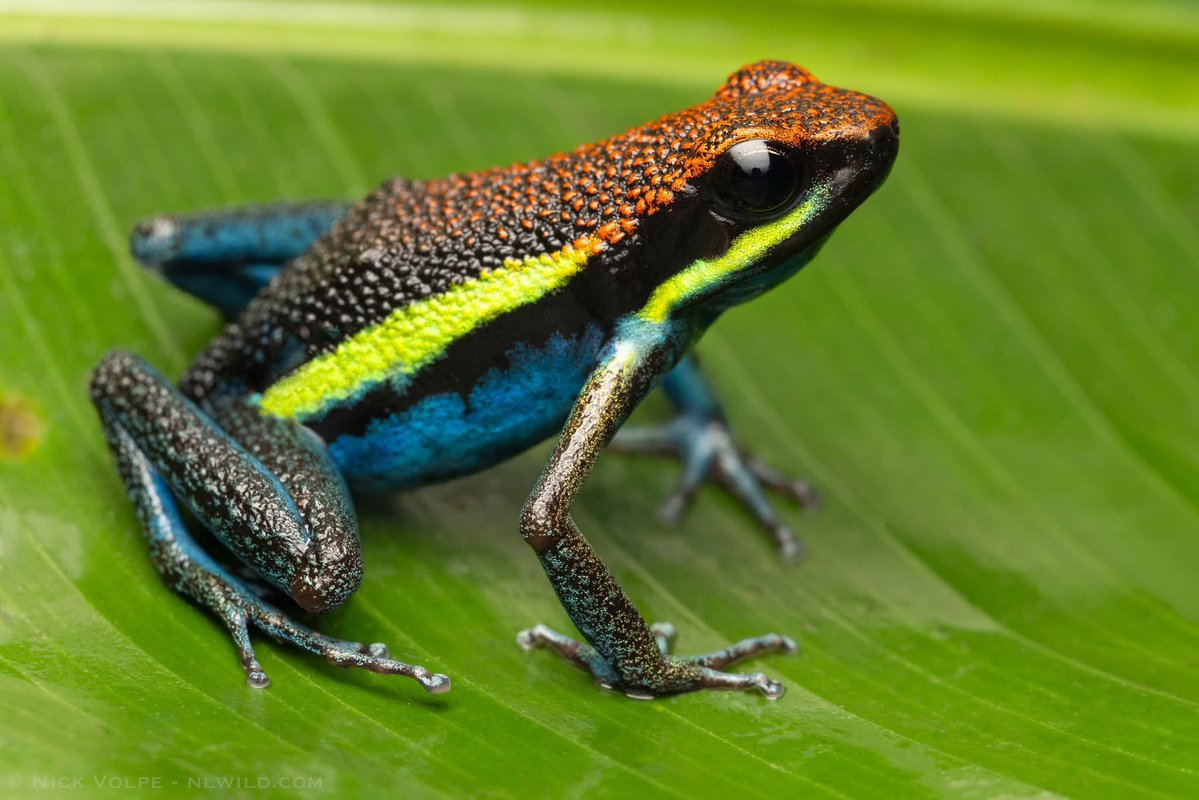
herp of the day 5: brazil-nut poison frog
(adelphobates castaneoticus)
> found in: northern Brazil
> habitat: primary lowland forests
> eats: small insects
> status: least concern
📸: https://t.co/9Y8uaKnE2f
its common name comes from its tendency to deposit tadpoles in the husks of brazil nut fruits that have been chewed open by mammals. the husk fills with rainwater and becomes a potential breeding ground for frogs and other species.
its range is largely within a national park and a biological reserve, so it is relatively well-protected.
rather than metamorphosis, this species undergoes direct development, meaning its appearance matches that of a miniature adult upon hatching.
it was first formally described in 2002.
it is a sit-and-wait predator, meaning it chooses a place to hide and waits for its prey to come to it rather than actively searching for food.