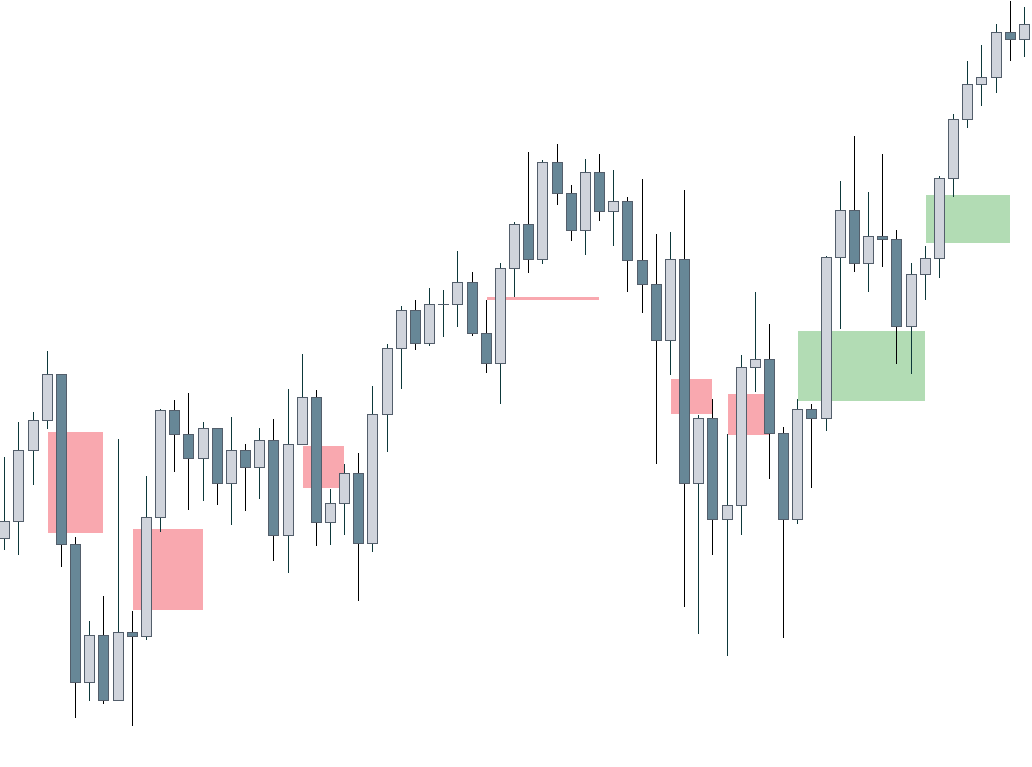
The Psychology/MMP month is done for the 𝑆𝑝𝑟𝑖𝑛𝑔 𝐸𝑛𝑟𝑜𝑙𝑙𝑚𝑒𝑛𝑡
Now we move on to the final month: 𝐅𝐢𝐧𝐢𝐬𝐡𝐢𝐧𝐠 𝐓𝐨𝐮𝐜𝐡
Where we will provide extra clarity on certain topics
4) 𝐇𝐨𝐰 𝐝𝐨 𝐲𝐨𝐮 𝐭𝐫𝐚𝐝𝐞 𝐜𝐨𝐧𝐬𝐨𝐥𝐢𝐝𝐚𝐭𝐢𝐨𝐧𝐬 ?
For some, consolidations are their bread and butter. But most Traders rely on a trend.
We want to see an FVG Follow Through to get the trend back, on the 4-hour timeframe or above.
When FVGs are holding again, we will have new strong FVGs from which we can trade.
3) 𝐀𝐛𝐬𝐞𝐧𝐜𝐞 𝐨𝐟 𝐇𝐢𝐠𝐡 𝐏𝐫𝐨𝐛𝐚𝐛𝐢𝐥𝐢𝐭𝐲 𝐅𝐕𝐆𝐬
During consolidations, generally we could not find high probability Fair Value Gaps.
To know more about High probability FVGs, check out:
https://t.co/VcP7YJWmkW
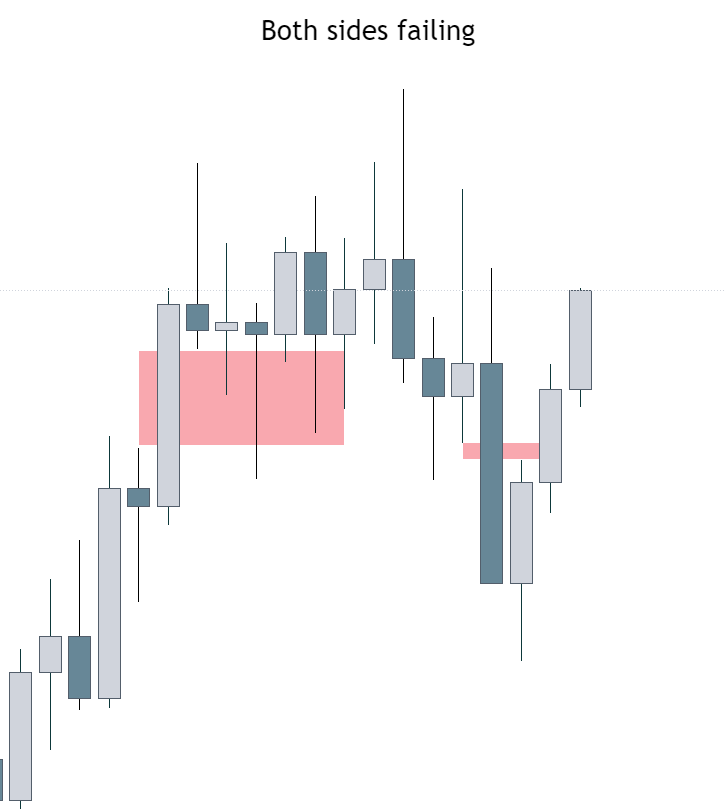
2) 𝐁𝐨𝐭𝐡 𝐒𝐢𝐝𝐞𝐬 𝐅𝐚𝐢𝐥𝐢𝐧𝐠
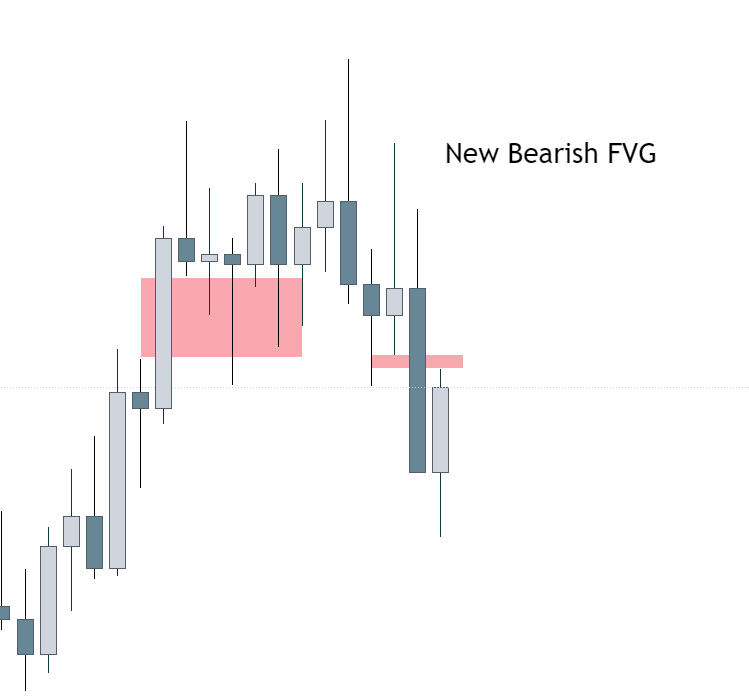
If the bearish FVG also does not follow through, we have a scenario where both bullish and bearish FVGs fail.
When both bullish and bearish FVGs fail to hold, it is a sign that the price is consolidating.
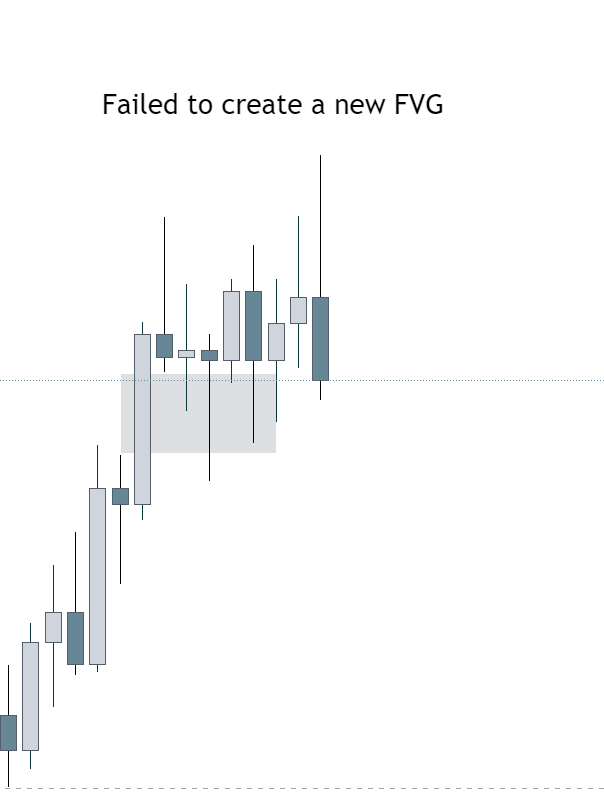
We can see that the bullish FVG failed to follow through (failed to create a new FVG)
When we see a bullish FVG failing to create a new bullish FVG, that could mean we will turn bearish if we create a bearish FVG.
1). 𝐅𝐚𝐢𝐫 𝐕𝐚𝐥𝐮𝐞 𝐆𝐚𝐩𝐬 𝐍𝐨𝐭 𝐅𝐨𝐥𝐥𝐨𝐰𝐢𝐧𝐠 𝐓𝐡𝐫𝐨𝐮𝐠𝐡
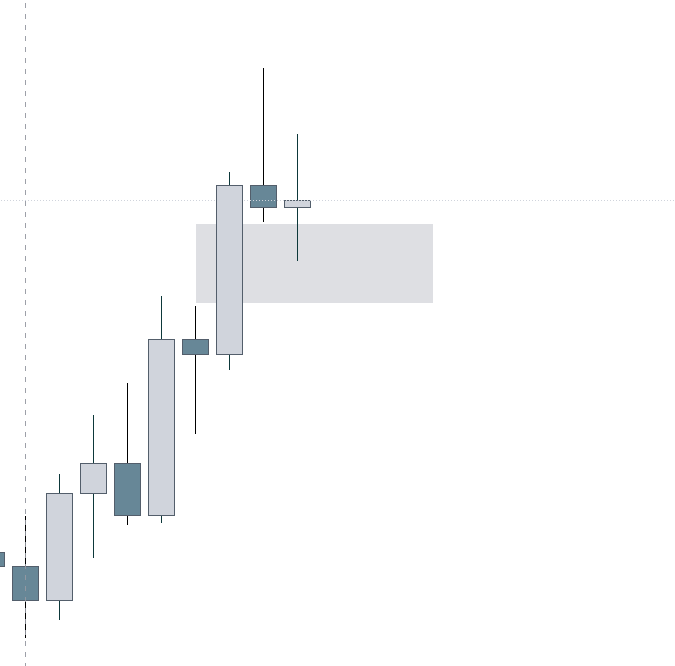
Let's use a bullish example.
We have a clear bullish FVG that could act as the discount array to trade higher.
Most Traders lose money during consolidations, also known as Seek and Destroy conditions.
In 4 steps, we can identify consolidations and how to approach them.
𝐂𝐨𝐧𝐬𝐨𝐥𝐢𝐝𝐚𝐭𝐢𝐨𝐧𝐬 𝐚𝐫𝐞 𝐢𝐧𝐞𝐯𝐢𝐭𝐚𝐛𝐥𝐞.
They appear in the markets repeatedly. We can train ourselves to spot these conditions before we lose money.