We help secure the world’s most targeted organizations and products. We combine security research with an attacker mentality to reduce risk and fortify code.
We shipped post-quantum crypto to Python, watched GPT-5.5-Cyber build a zlib fuzzing lab in a day, and shared our /goal playbook for finding real bugs. Plus 9 new public reviews, mutation testing for DAML, and more. July Tribune: https://t.co/ow6ogCfdI0
We had @trailofbits independently audit our Disappearing Call Logs feature, where our internal systems delete CDRs after 24hrs instead of the months-to-years telecoms usually keep them.
"Until I came across Dan’s talk, we didn’t have a structured process."
@timoreilly invited our CEO @dguido to explain what it takes to make a company AI-native. https://t.co/pLgRVYeeYR
@WorkOS built an internal AI pipeline that hunts for deep logic bugs, ran 1,000+ scans with it, and surfaced multiple high-severity issues. They used our public code auditing skills as a foundation. https://t.co/5hJqS9WoFz
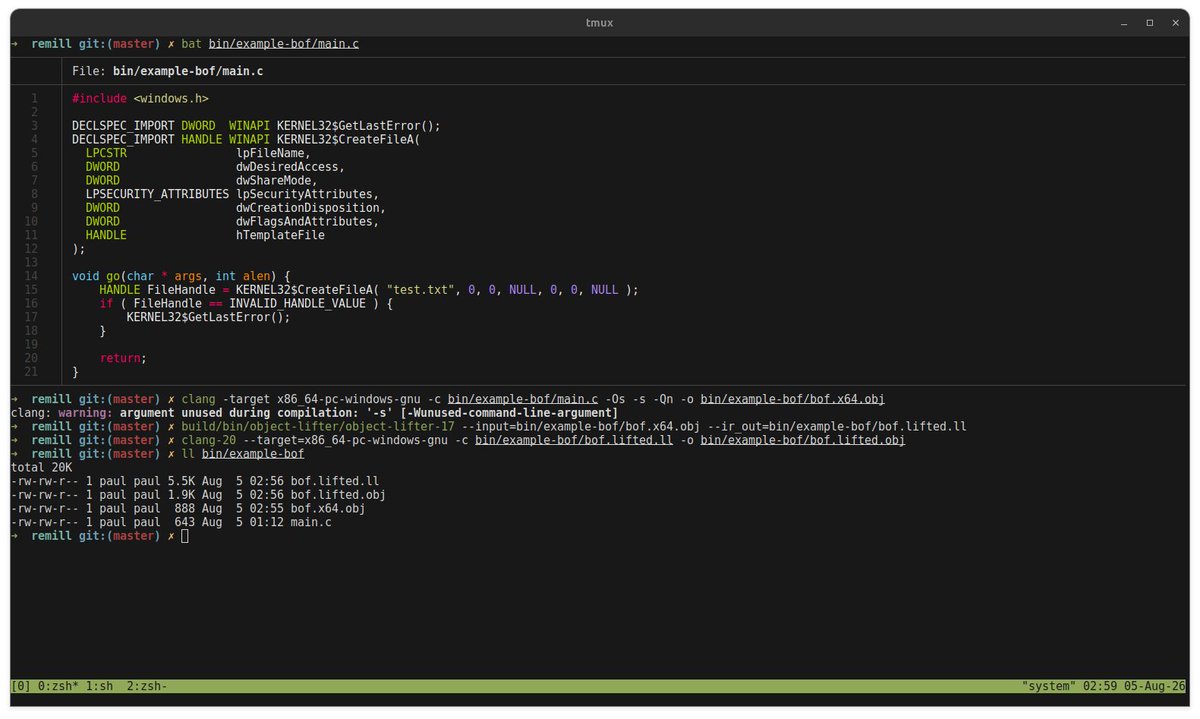
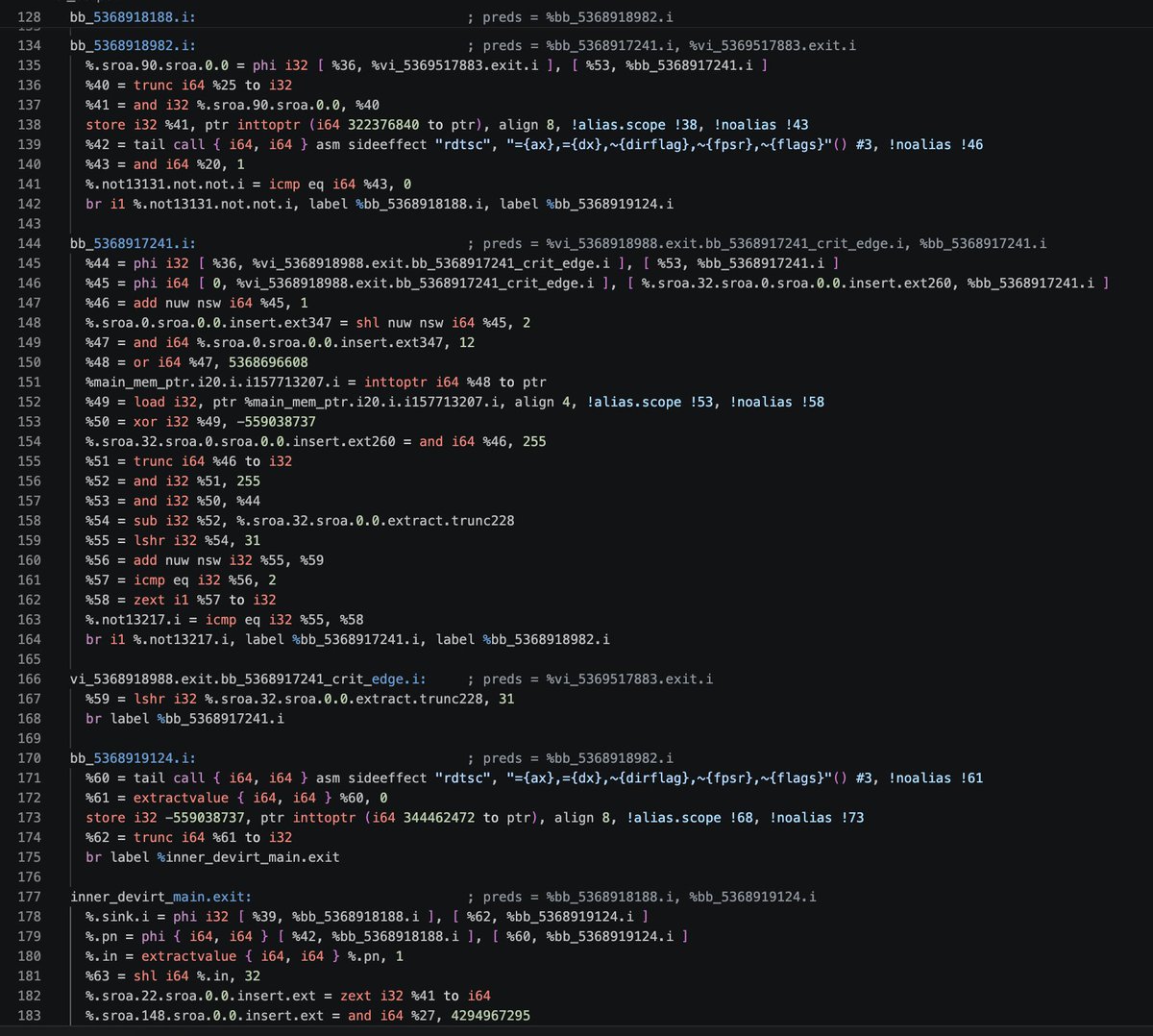
Finally got around to getting a working PoC of my native object file to LLVM IR lifter.
Started this small side-project to see how far can I push my own VM tech and perhaps transpiling existing tradecrafts, executables and post-ex toolings by simply lifting them up to LLVM IR via remill (by @trailofbits) and have them being recompiled into a format of my choosing such as my bytecode or even perform other passes on the IR and back to it's original format.
Still WIP but as least the lifting and recompilation works flawlessly. FYI the original obj file does not have the LLVM bitcode embedded, I want it to work on any native formats but for now object files should be sufficient 🙃
A malicious host can attack your AWS Nitro Enclave through its connection to KMS. If your enclave talks with KMS, read this before you ship. https://t.co/K304cJ3ZuD
QRL announces @trailofbits has published its independent security assessment of go-qrllib, the cryptographic heart of QRL 2.0.
15 findings identified (1 High, 4 Low, 10 Informational). All resolved.
https://t.co/iV4cd9GgT9
1,137 potential bugs found, 866 awaiting patches, 125 fixes open upstream, 146 merged.
Since July 20: +279 bugs, 5 new projects, and vllm is now the most-reported codebase in Patch the Planet. https://t.co/dDV7RUbxgQ
As of today, we are completely open sourcing our hardware AND software, including the internal schematics and a DIY guide, in case you want to reproduce the PQ1 yourself.
We've also engaged @trailofbits to conduct a security review of the ERC-4337 account abstraction contracts that power PQ1.
https://t.co/6CSPeHRL5I
Remote and unauthenticated, it can crash nginx and potentially run code, all through HTTP/3. Engineer Evan Hellman found it with Codex after roughly 14 hours of automated analysis. CVE-2026-42530 in the dashboard: https://t.co/dDV7RUbxgQ
PATCH THE PLANET BUG SPOTLIGHT: We found a high-severity use-after-free bug in nginx, the web server handling over 30% of all websites in the world. Now patched.
We've hijacked multi-agent systems, exfiltrated Gmail data through Perplexity's Comet browser, hidden prompt injection inside images, and won $3M at DARPA's AIxCC for AI that finds and patches vulnerabilities. All documented on our blog. https://t.co/0Fm9DJvYfq
Hooks in @Uniswap v4 move real security decisions into app code: who can call the hook, which pools to trust, how to account for value.
@nisedo_ analyzed dozens of audit findings, found seven ways that code breaks, and turned them into a builder checklist. https://t.co/uF0wYrVccn
doing xdev with @trailofbits python skills enabled means the agent will write extensive unit tests on your exploit and it’s a fucking life saver when going blind against a target over RF.