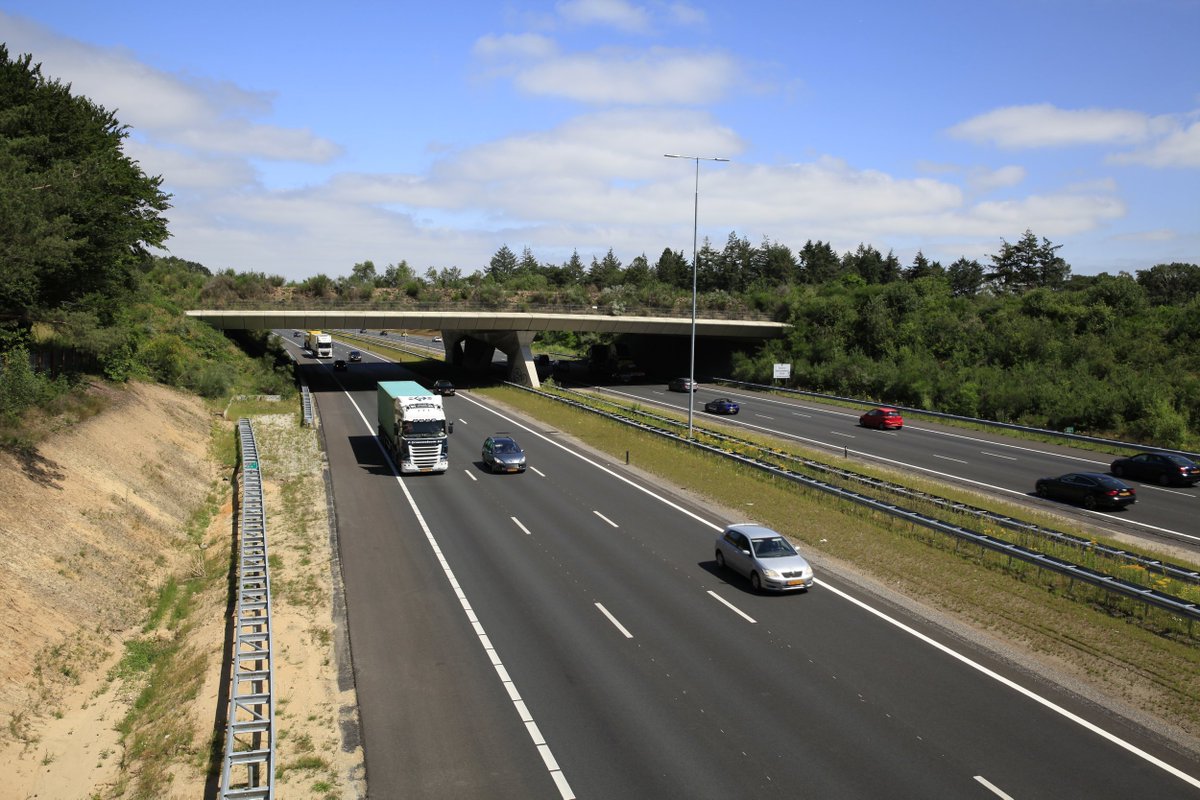
Do wildlife crossings actually help animals cross roads? Most studies have no way of knowing if animal movements are better or worse than before.
"This is a major problem," says @kyliesoanes, lead author of the recently published review.
Read the summary: https://t.co/P8tPx9lOnM
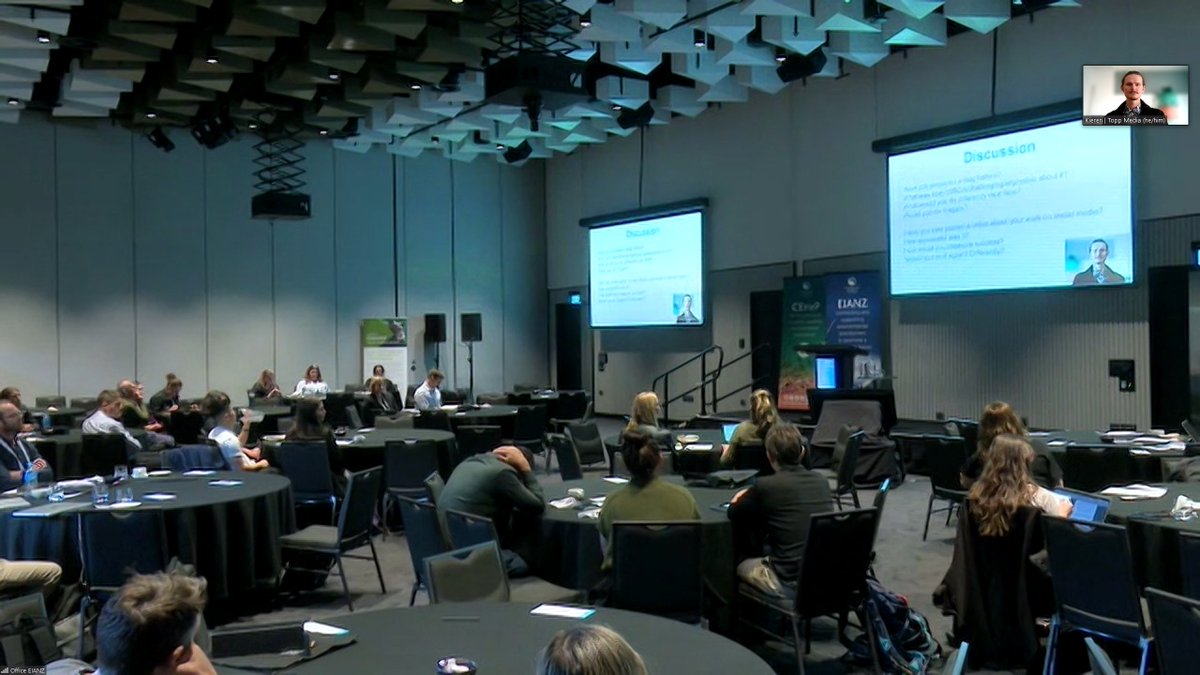
Just wrapped another successful science communication workshop for transport ecologists at #ANET2023 in New Zealand with @rodvdr.
After, we had a great discussion about how to deal with negative engagement and "pile-ons" when communicating controversial science.
@TransEcoInfo
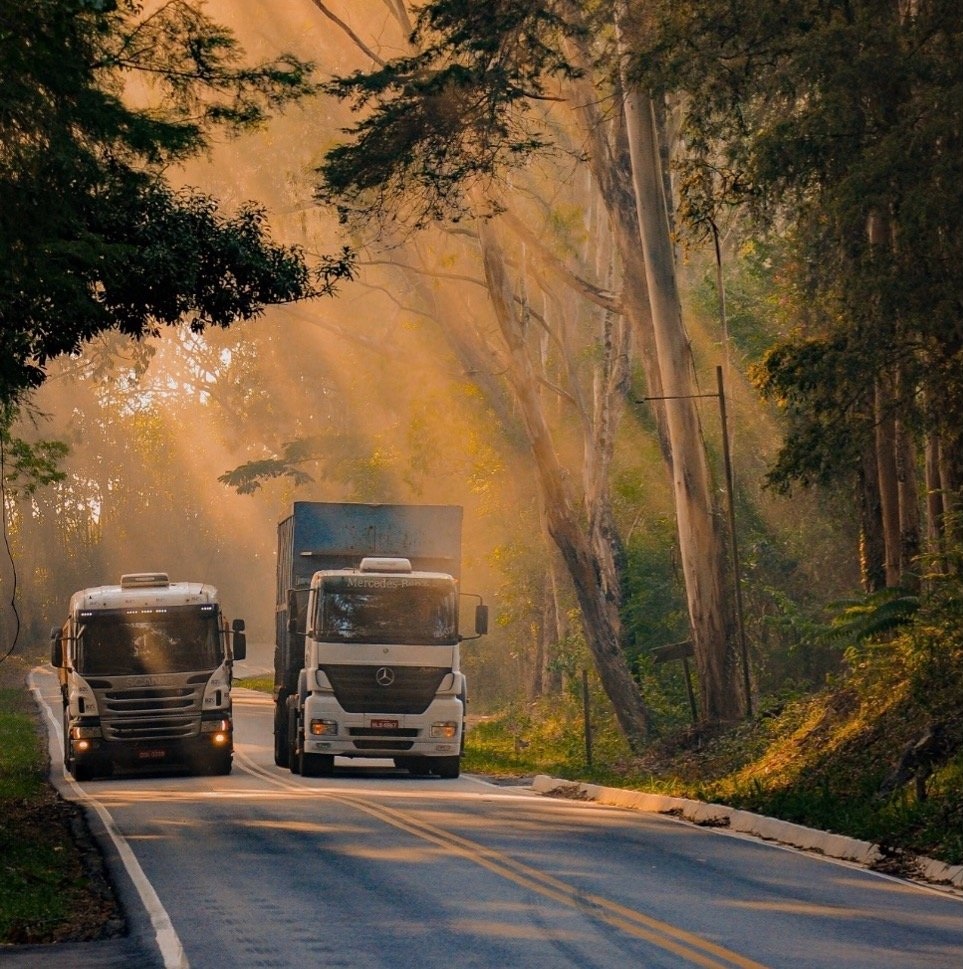
An estimated 9 million dead mammals every year in Brazil alone.
The @IUCNRedList does not consider roadkill a threat to most mammals. However, “roadkill is having a greater impact on wildlife survival than previously thought,” says Dr Fernando Pinto.
https://t.co/y4adCWec0r
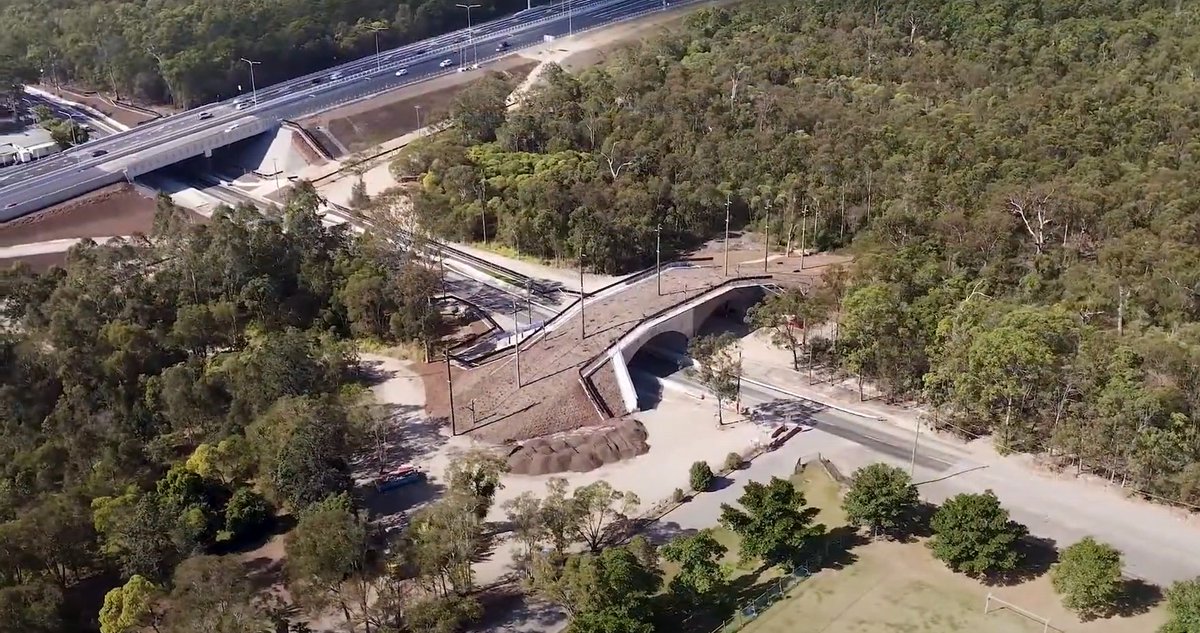
@MagpiejonesD shares lessons learned from $500mil upgrade protecting Aus native animals:
Effective and transparent engagement with community groups is essential.
While political interference can undermine even the most successful project.
Read more: https://t.co/Bnd9pDe2xS
@Franky_Valerio has written the latest summary on landscape level knowledge gaps in roadkill mitigation planning. check it out on our open access platform! 🌿
https://t.co/xyzroklUOK
🐝@julianadf_bio has written the latest summary on how #roads and verges impact flower-visiting #insects, check it out on our open access platform 🐝
https://t.co/qKOTHeJMI2
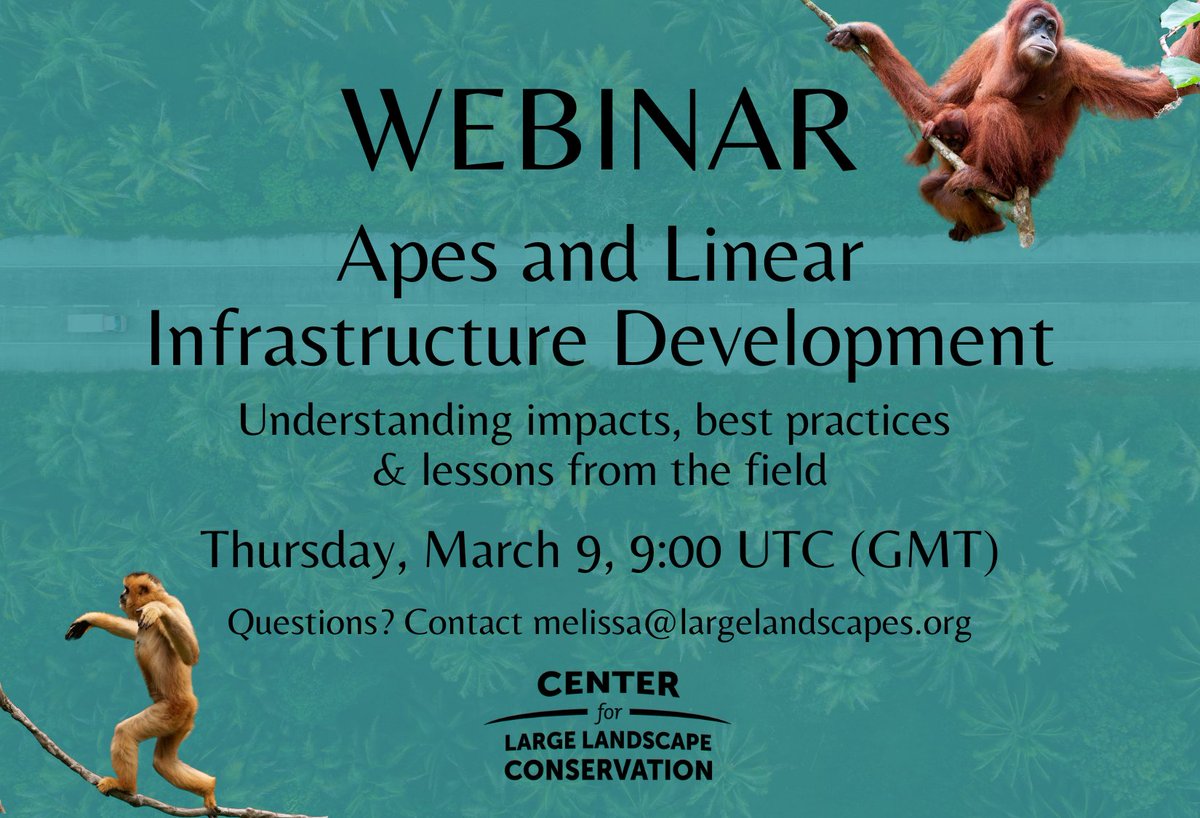
Apes are extremely vulnerable to the negative effects of roads, rails & power lines fragmenting their forest homes. Join us for a webinar on March 9 at 9:00 UTC (GMT) to learn about solutions, case studies, and areas needing further research.
Register:
https://t.co/O0PsMhA19n
🌿@fernandaztex & colleagues created the 1st comprehensive & detailed #mapping of #brazil's road- and railroad-less areas. It explores native vegetation distribution and, #conservation & restoration priorities. Check it out on our open-access platform 🌿
https://t.co/oO3SZAJnk4
🦘Ross Goldingay celebrates the success of #wildlife underpasses in #Australia and explores the "prey-trap hypothesis" in this article originally published by @ConversationEDU. Check it out on our open access platform! 🦘
https://t.co/WROG3ixtos
🌍Rafael Barrientos Yuste and his colleagues have identified that there is "More study needed on the negative effects of roads on #wildlife at the population level". Check out their #research summary on our open access platform!
https://t.co/hKwUZOqcH3
🤓#citizenscience is a valuable tool in understanding how #wildlife is impacted by a developing world. This summary explores bat roadkill rates in #taiwan and how the author Joe Chun-Chia Huang and team apply these findings to mitigation solutions 🦇
https://t.co/HEBV6BoMPt
🥳Our first case study! @MagpiejonesD has written the first case study on the I-90 wildlife crossing, USA! It is an extract from his latest book "A Clouded Leopard in the Middle of the Road". Check it out on our open access platform 🥳
https://t.co/t1diRXlZ2N
🥳We will be at the #IENE conference in #Romania next week! Come say hey and meet the team at the @AnimexInt stand or catch @rodvdr at the venue. See you next week ✈️🌍
https://t.co/9ERdYqeH3U
🌏Yun Wang highlights the strengths & weaknesses of road ecology #research in #China. Check it out on our open access platform! 🌏
https://t.co/vEL3yt9Xdq
🦌@marcelhuijser has written the latest #research summary investigating the importance of appropriate #wildlifefencing with a study based in the #FloridaKeys. Check it out on our open access platform! 🦌
https://t.co/4ix3FKup3T
🐺@MBhardwaj_ has written the latest #research summary investigating the "prey-trap" theory between the Gray #Wolves of #Germany and their multiple species of prey! Check it out on our open access platform! 🐺
https://t.co/ax76KBagEW
🦇🦋Janine Bolliger has written the latest #research summary on how traffic-controlled dimming of LED streetlights impacts #insect abundance and #bat activity. Find it on our open-access platform, link in bio!
https://t.co/bjZgG4Rh0p