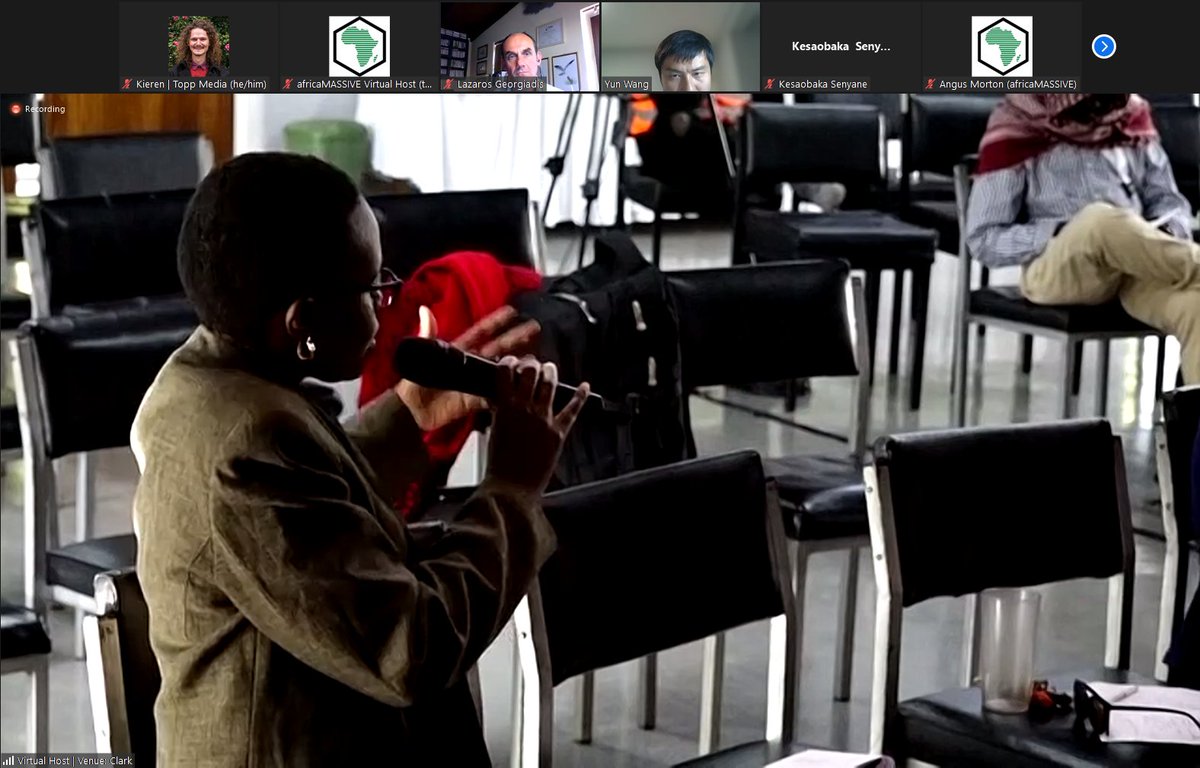
People feel hopeless reading the news because it's all about problems. But few people engage with positive news. Constructive journalism reports on issues AND solutions, allowing people to feel more hopeful.
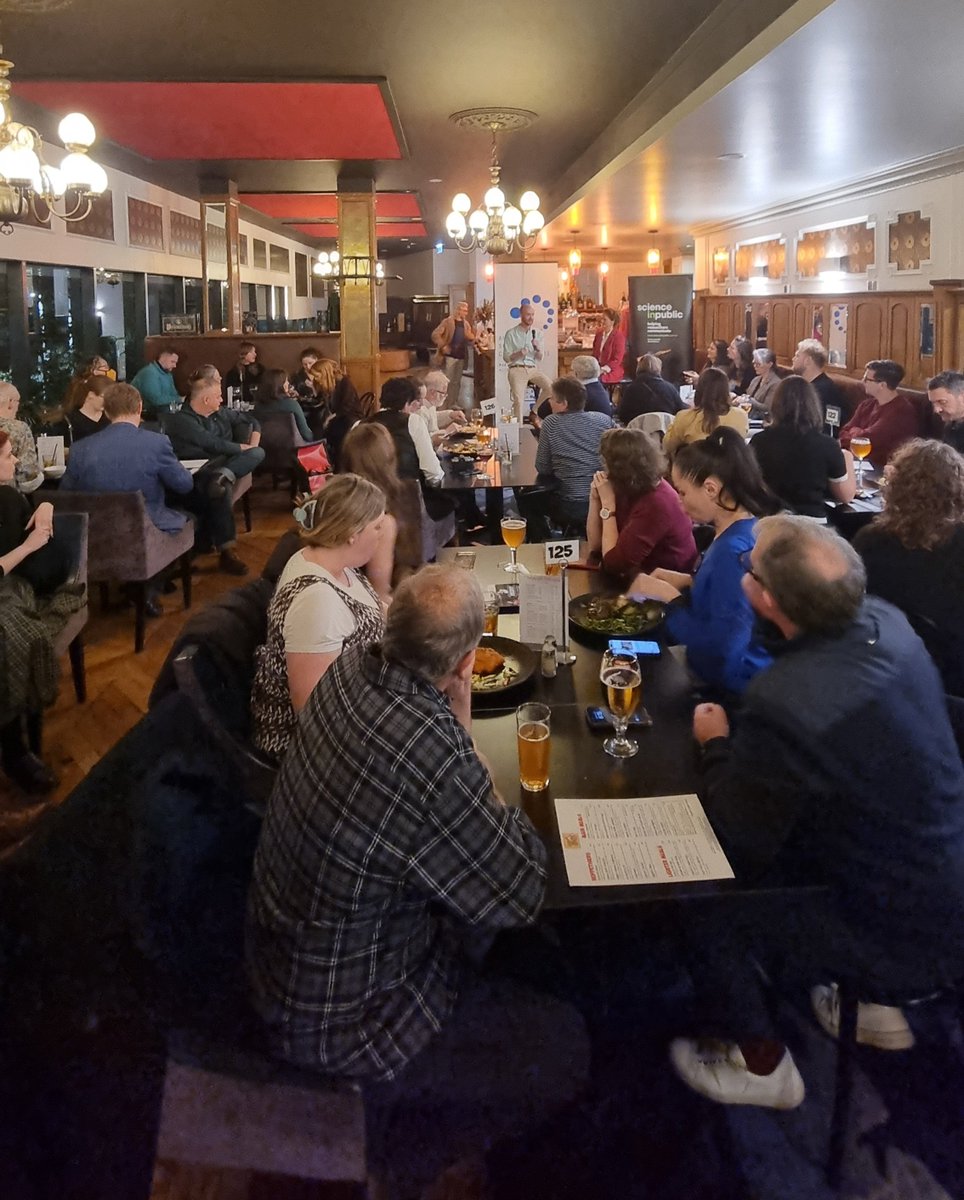
@liammannix last night at the @auscicomm Melb event. @scienceinpublic
I also learned a lot!
Keeping muscles active during a coma (@Austin_Health), Aussie efforts to get a rover on the moon (@elo2au), we might need to address cardiovascular risk earlier in life (early childhood) (@MCRI_for_kids), plus much more (@ARC_OzGRav@Swinburne@BionicsInst).
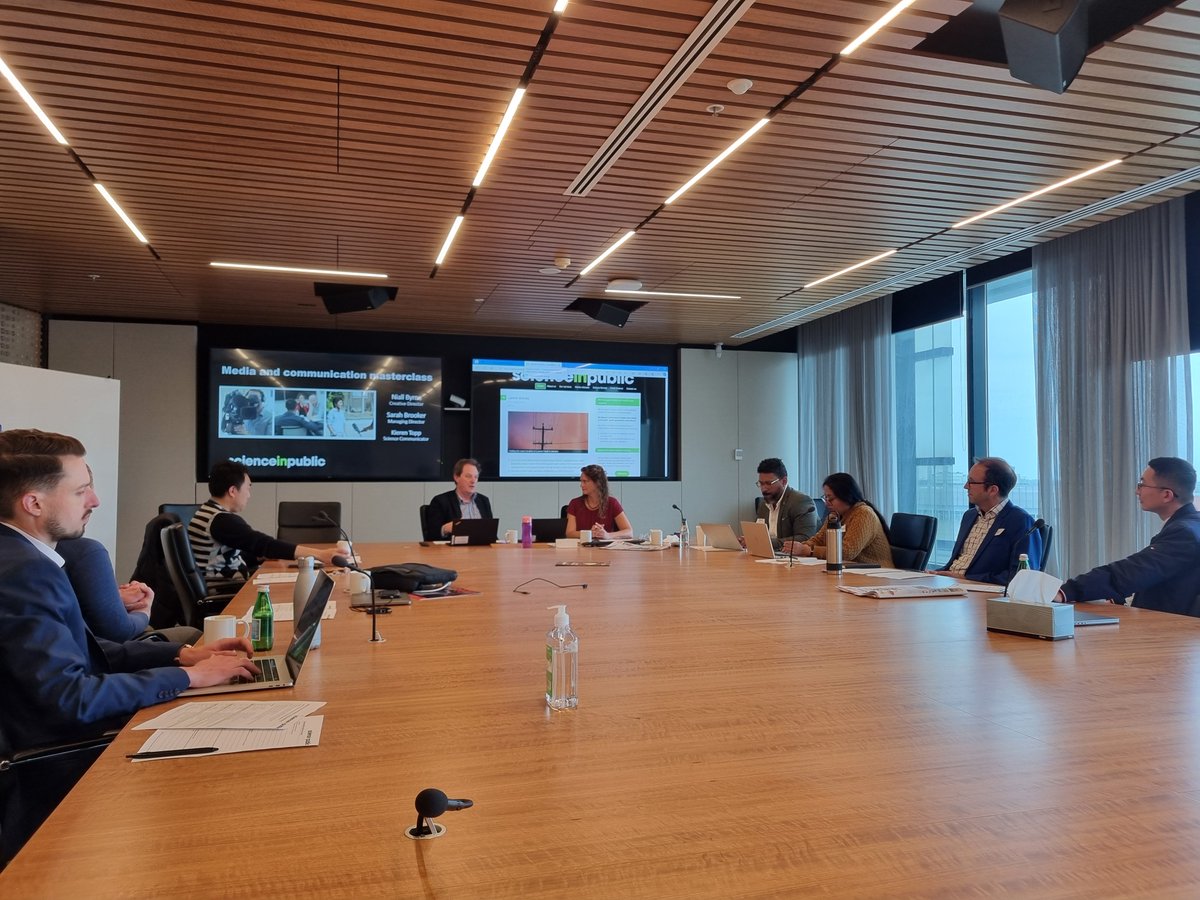
Had a fascinating day with @Ha_Tanya training scientists: how to pitch your science, what media releases are, building your research profile.
TV, radio & print journos showed us media behind-the-scenes. Thanks @LanaMurphy@donnademaio@rolfep.
@scienceinpublic
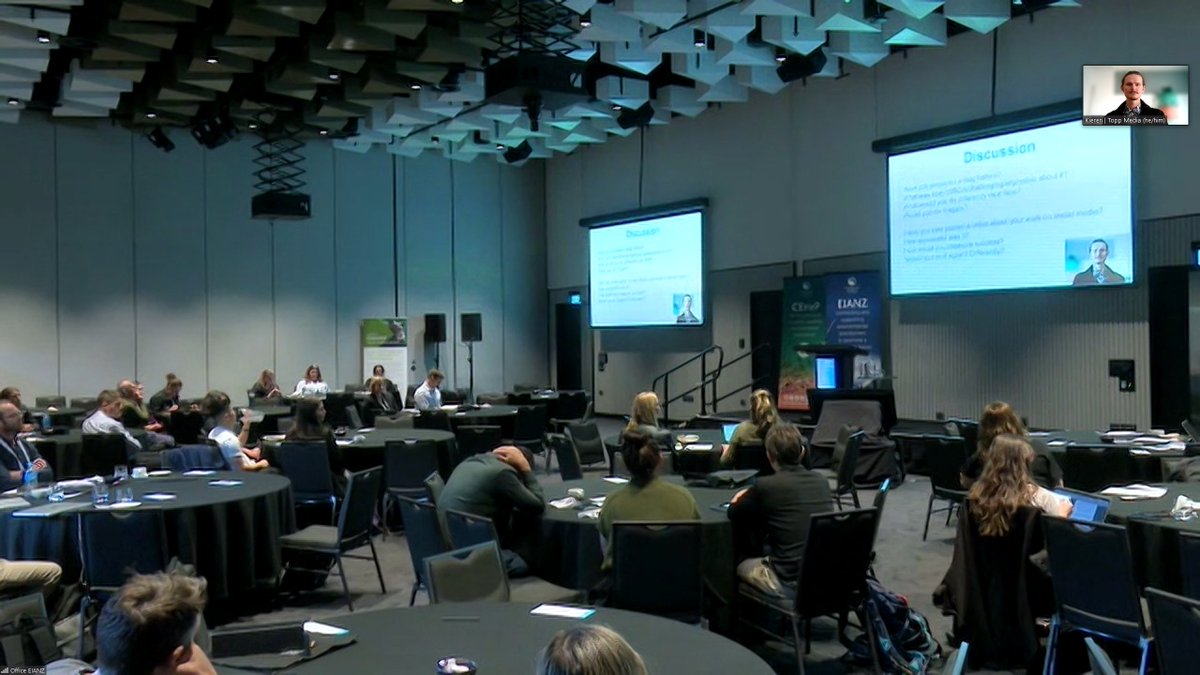
Just wrapped another successful science communication workshop for transport ecologists at #ANET2023 in New Zealand with @rodvdr.
After, we had a great discussion about how to deal with negative engagement and "pile-ons" when communicating controversial science.
@TransEcoInfo
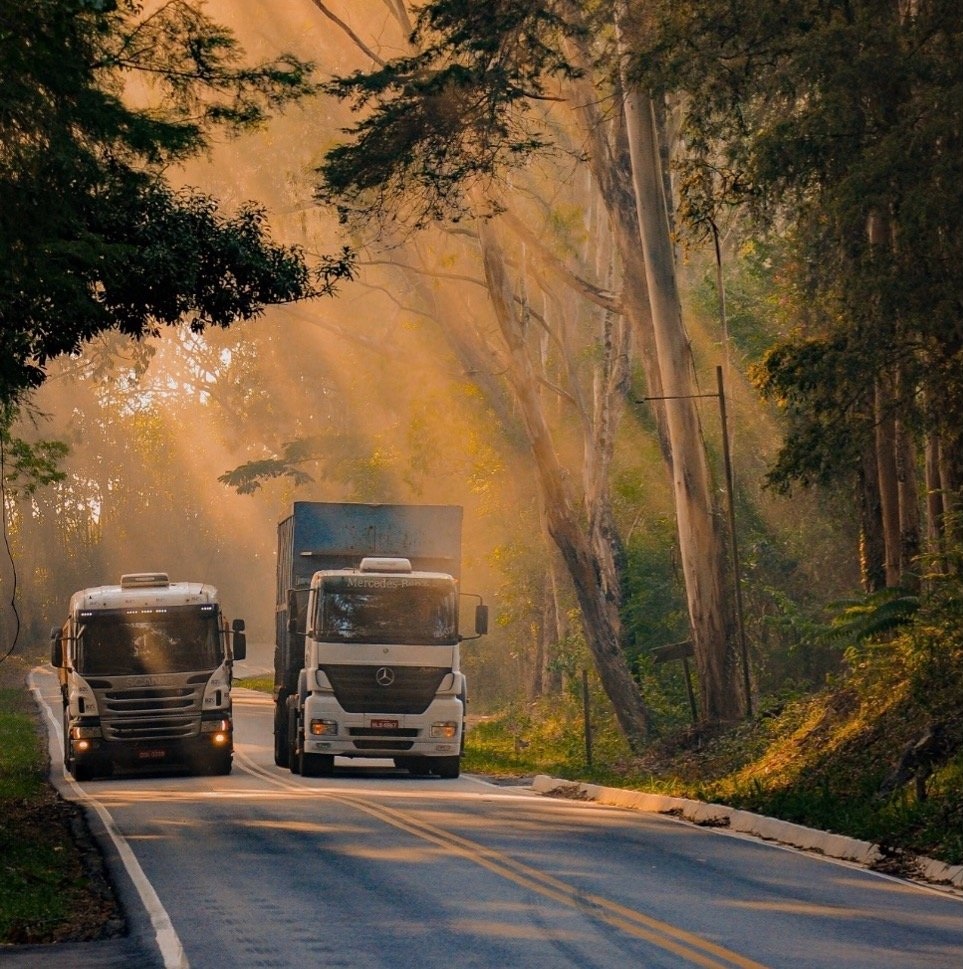
An estimated 9 million dead mammals every year in Brazil alone.
The @IUCNRedList does not consider roadkill a threat to most mammals. However, “roadkill is having a greater impact on wildlife survival than previously thought,” says Dr Fernando Pinto.
https://t.co/y4adCWec0r
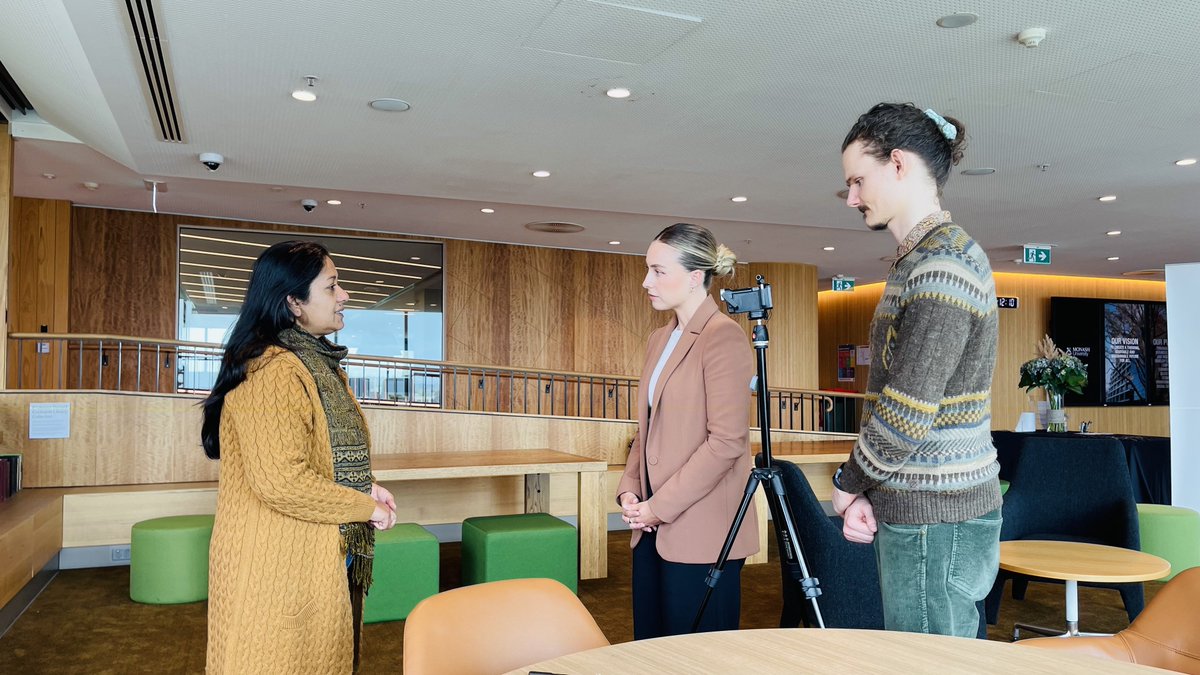
Had a fun time assisting the media training of researchers from @MonashBusiness last week. They developed their research into easy to understand stories for the media & practised TV & radio interviews. I learned a lot!
@LanaMurphy@reid_butler9@jameseroyce@donnademaio@rolfep
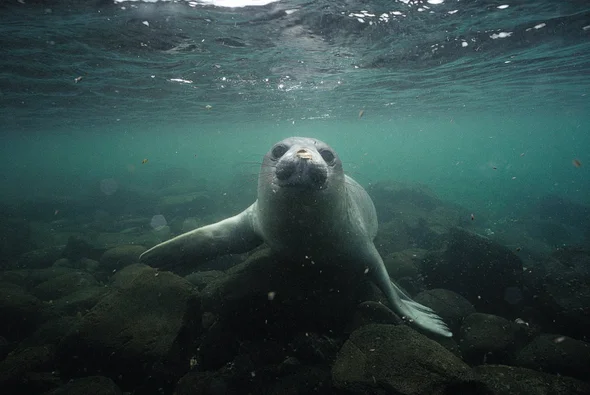
Seals show scientists an unknown antarctic canyon; dust killed the dinosaurs; science's fake paper problem; beating heart cells in a test tube.
Our @Ha_Tanya talks science at 1.15pm today on ABC Radio Melbourne with Trevor Chappell
We have reached 2 million birds counted for the #AussieBirdCount!
This is our 10th count and we need your help to make it our biggest one yet. We want to reach the bold target of 5 million birds counted
So, will you join us this weekend and get your binos up for the bird count?
*taps sign*
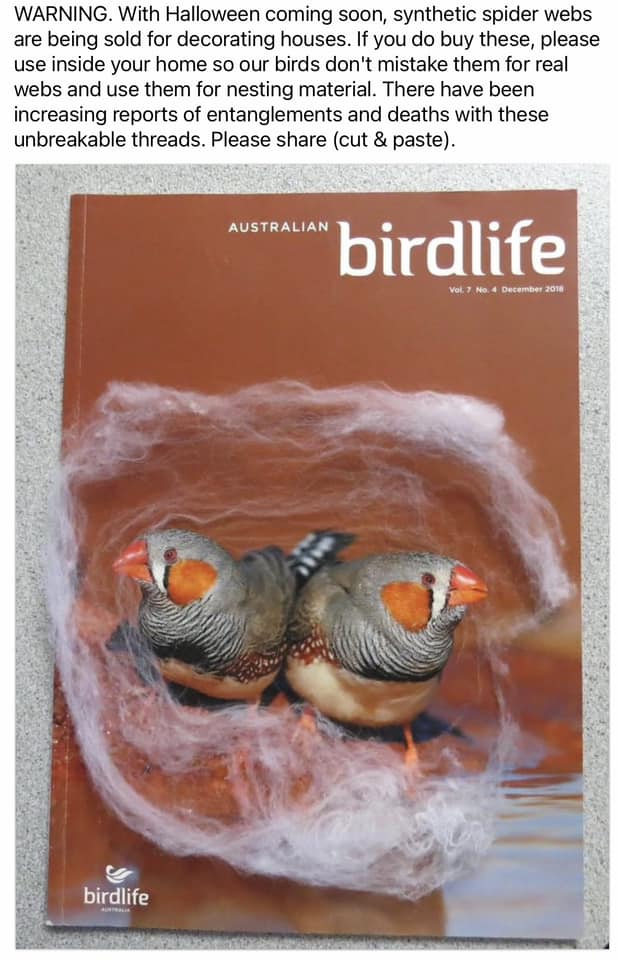
It's rubbish that goes everywhere and stays there. Birds like wagtails and honeyeaters will stuff it in their nests or think it is spiderwebs. They get entangled (reports coming in now). Their chicks get entangled. Other birds will then find it - and so on so forth
Gravity, earthquakes, forceful winds - buildings withstand many forces of nature. Impressive structures around the world are designed to ensure they keep standing tall.
This song breaks it down (or builds it up?) 👷♀️
@scienceworks_mv@museumsvictoria ft. @astro_stephi@ToppMedia1
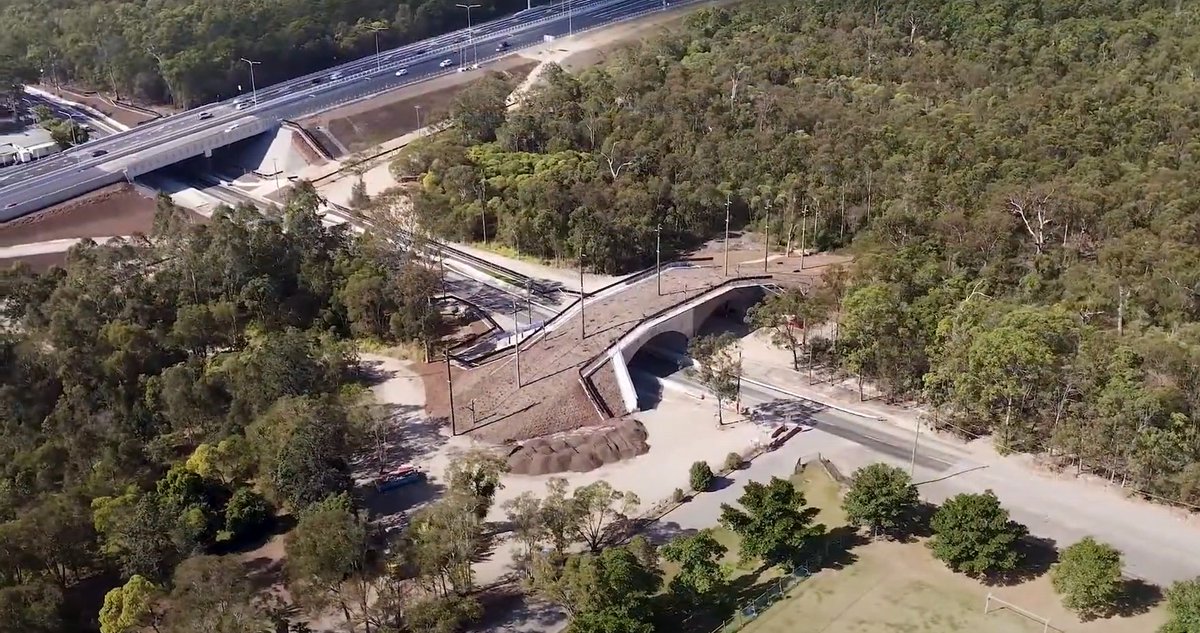
@MagpiejonesD shares lessons learned from $500mil upgrade protecting Aus native animals:
Effective and transparent engagement with community groups is essential.
While political interference can undermine even the most successful project.
Read more: https://t.co/Bnd9pDe2xS
Had a bit of fun with this tweet 😂
Press play for a Mission Impossible spider stunt.
Also, tune into ABC Radio Melb at 1:15pm today to hear @Ha_Tanya talk about this story and more
Does a brain in a dish have moral rights; thunderstorm asthma; reanimating spiders wins Ig Nobel prize. Our engagement director @Ha_Tanya talks science at 1.15pm today on ABC Radio Melbourne with Trevor Chappell
More than half of Americans believe GMOs are not good for you. Yet, they're hidden in many of the foods we eat every day. So, it's essential to understand both sides of the arguments for and against GMOs, to make informed decisions. Objective Standard https://t.co/g95r9AVqGn
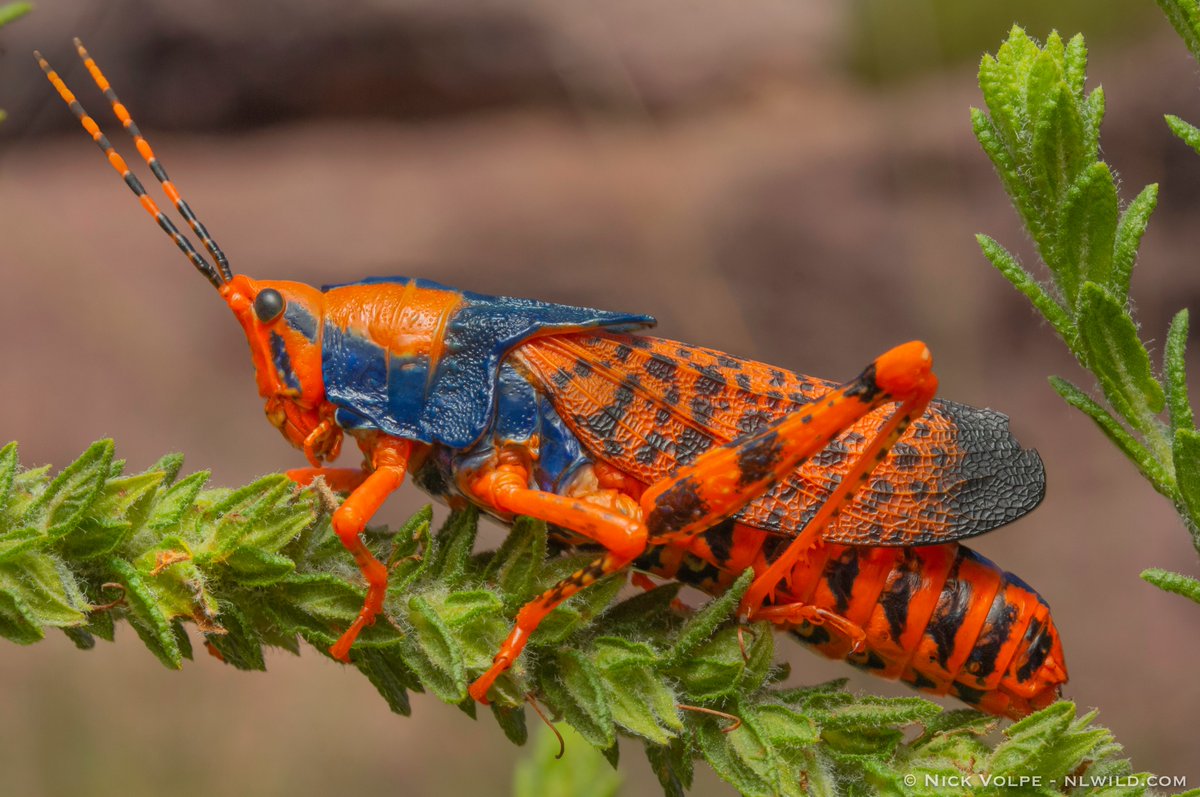
The Leichhardt's Grasshopper, Australia's most beautiful insect. 🧡
Today is National Threatened Species Day and I want to take a moment to reflect on the conservation of invertebrates in Australia. 🔎☀️
Australia is one of the most biodiverse places on earth, but also boasts an unfortunately high amount of threatened species. Many of these listed threatened species include charismatic larger animals such as mammals and birds, but did you know that hardly any invertebrates are listed? 🪲🐛❌
Many of the invertebrates you see me post are extremely understudied, many without even names let alone anything known about their ecology! ✏️
Invertebrates are the building blocks of all our eco-systems, acting as nutrient cyclers, a food source for all larger animals and extremely important pollinators. We depend on them for our own survival. 👊
The Leichhardt's Grasshopper is unfortunately a great example of an insect in decline. Like many invertebrate species, it only occurs in a small area which pushes its risk of disappearing. Only living and feeding on Pityrodia shrubs on the escarpments of Arnhem Land, population sizes have declined due to a changed fire regime, with some populations now locally extinct. 🔥
These grasshoppers are also culturally significant to the Indigenous people of the Western Arnhem Land. 'Alyurr' is the name given to this hopper, a child of the lightning man Namarrgon, with its appearance sparking the start of the annual wet season. ⛈️
The Leichhardt's Grasshopper is a spectacular species and we still have lots to learn about it and even though it is declining, is not on the threatened species list. How many other invertebrates who aren't as big and colourful are disappearing before our eyes and we haven't even blinked?
“Our planet has just endured a season of simmering, the hottest summer on record. Climate breakdown has begun.”
Climate records aren't just being broken, they're being smashed.
Governments must take bold action now to reduce emissions!
@antonioguterres
https://t.co/eshJanBvKs