For TransitionZero updates, follow us on LinkedIn, or sign up for our newsletter.
LinkedIn: https://t.co/RWJAlGeZ1b
Newsletter: https://t.co/oyH0WELRWI
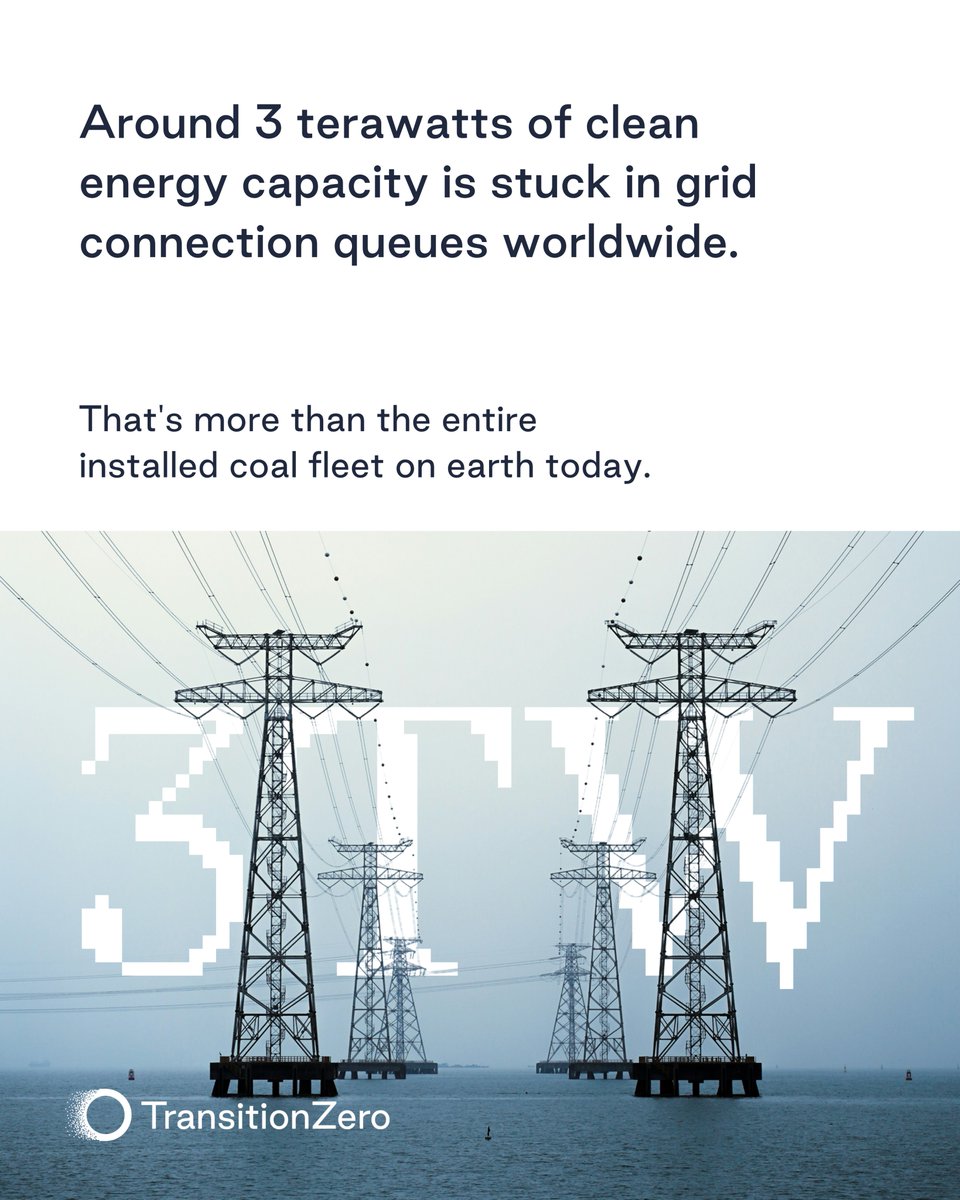
3 TW of clean energy is stuck in grid queues - more than the entire global coal fleet.
Planning systems are the bottleneck. Matt Gray and Fiona Howarth on why electricity planning needs a software upgrade now: https://t.co/XVs9HPT5xu
Energy planning tools haven't kept pace with the energy transition.💡
TransitionZero CEO Matt Gray and Chair Fiona Howarth make the case for why the electricity planning system needs a software upgrade - and what it would take to fix it.
Read the op-ed: https://t.co/XVs9HPT5xu
We've open-sourced our 24/7 carbon-free energy modelling work across five Asian markets, built with support from @Google using the PyPSA framework.
🔗Code, data, and results on GitHub: https://t.co/iPR9XtPKWD
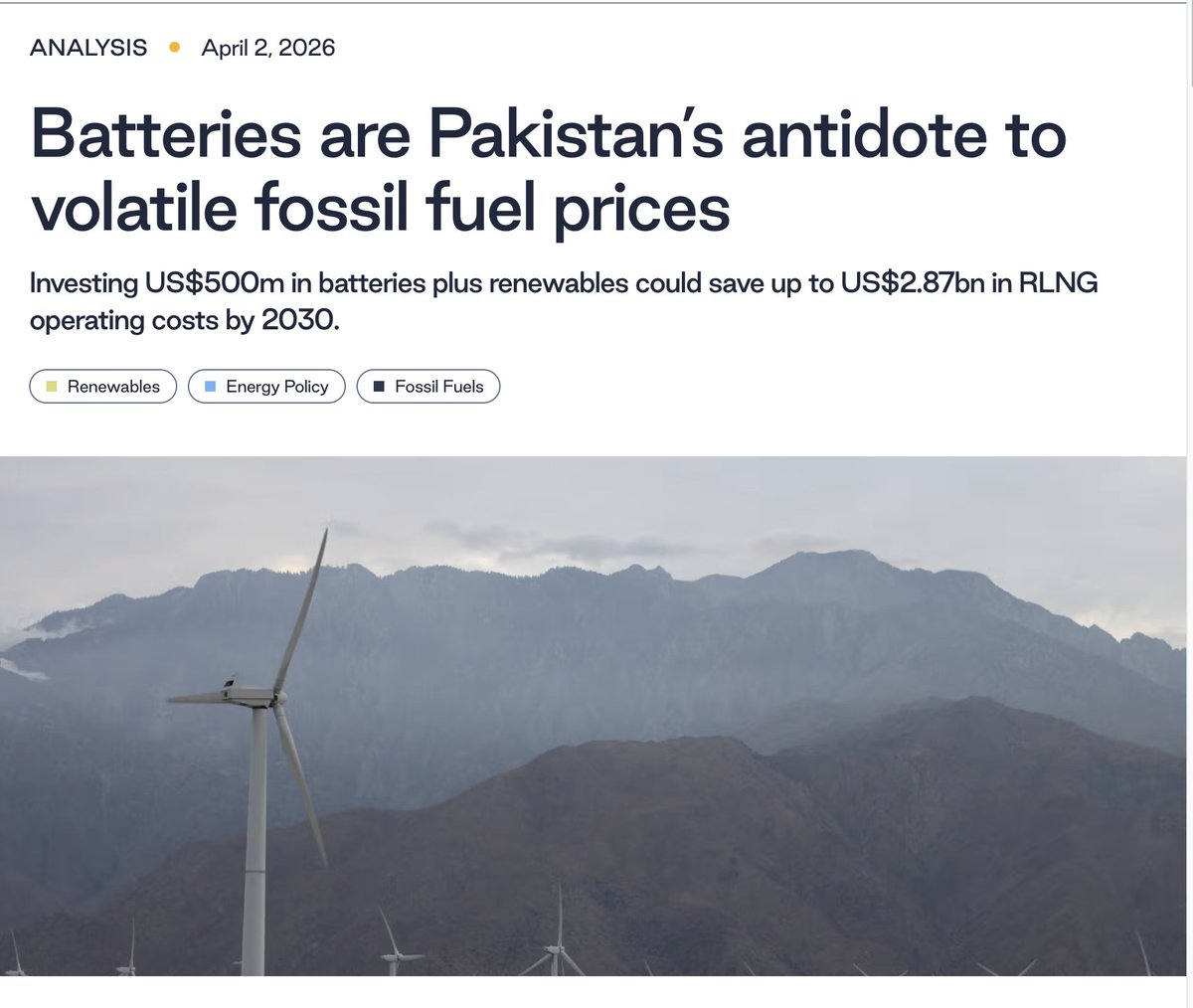
An analysis from @TransitionZero shows that, for Pakistan, investing US$500m in batteries and renewables could save up to US$2.87b in RLNG costs and avoid #emissions spikes tied to global fuel shocks.
Read more: https://t.co/ySPPoZYfQp
108,346 solar facilities. 1,331 GW detected globally. Capacity up 6.8% in one quarter.
Spain leads Europe at 46 GW, and its solar-heavy grid is proving far more resilient to the Iran crisis than fossil-dependent neighbours.
Q1 2026 data is live: https://t.co/BwMcupt6tI
The Philippines could incur US$90.5bn in fossil system costs through 2040. 81% of that is fuel and variable costs.
New modelling shows solar grows eightfold and 12 GW of battery gets built. But contract lock-in keeps coal and gas running.
🔗https://t.co/M1xarLUpxg
Grids will do the heavy lifting in the energy transition. They enable renewables, reduce costs, and create clean power trade routes.⚡
But expansion is complex. How much? Where? What are the trade-offs?
We explored these questions: https://t.co/PH7HfGq3Dd
It's #EarthDay2026. Progress happens when people show up. For energy modelling, that means showing up with evidence.🌍
But modelling software is expensive. This is one reason we built Scenario Builder: a free, no-code energy system modelling platform.
➡️ https://t.co/Djzax5e8dU
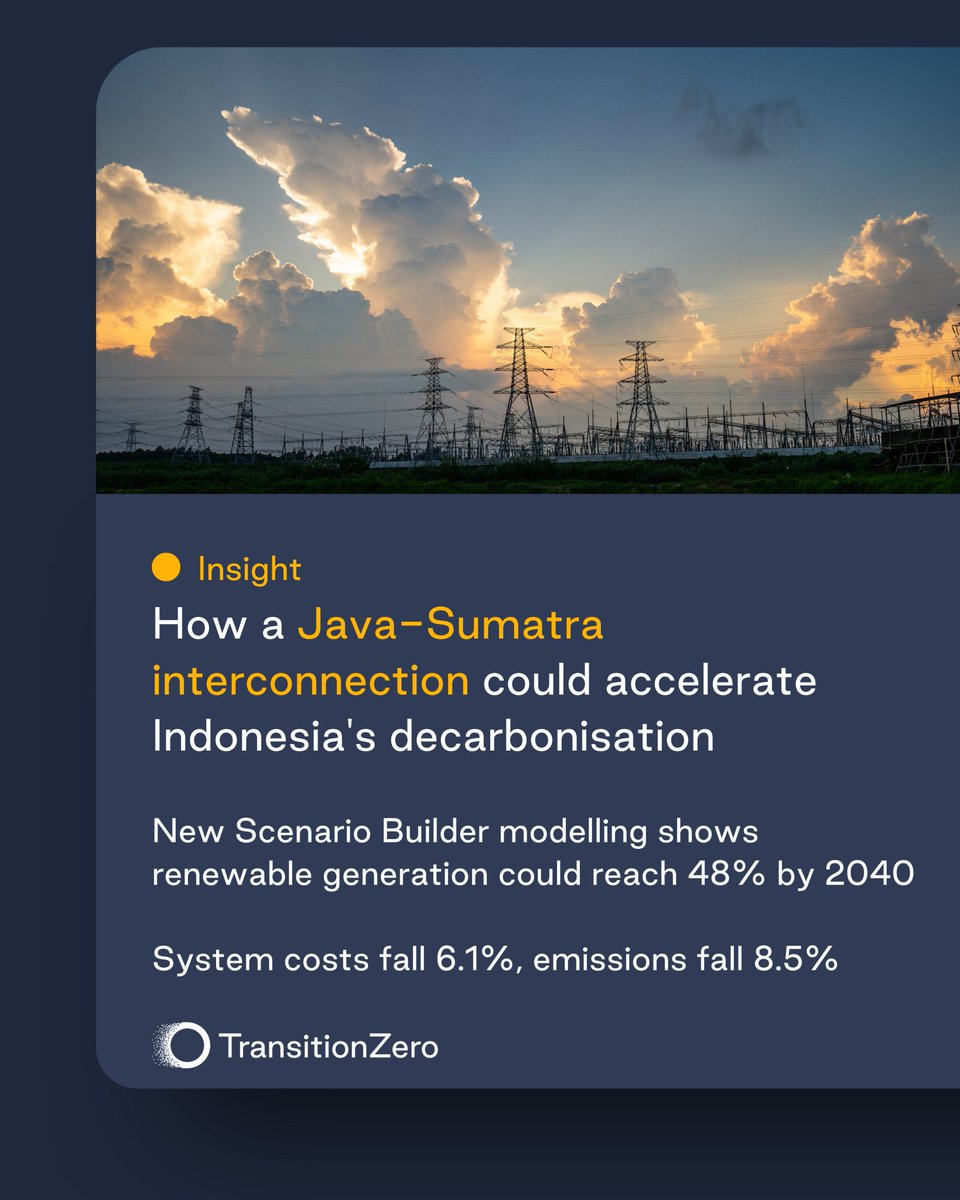
New Scenario Builder modelling shows the Java-Sumatra interconnection could push renewables to 48% by 2040, exceeding national targets.🔌
🔗 Read the full analysis: https://t.co/29wIEVQNTU
TransitionZero turns 5 today. 🎂
5 years ago: a simple question
Today: a platform helping to drive energy decisions across 3 continents
Thank you to everyone who's been part of this journey.
The best is ahead.
https://t.co/80S5FvoBdf
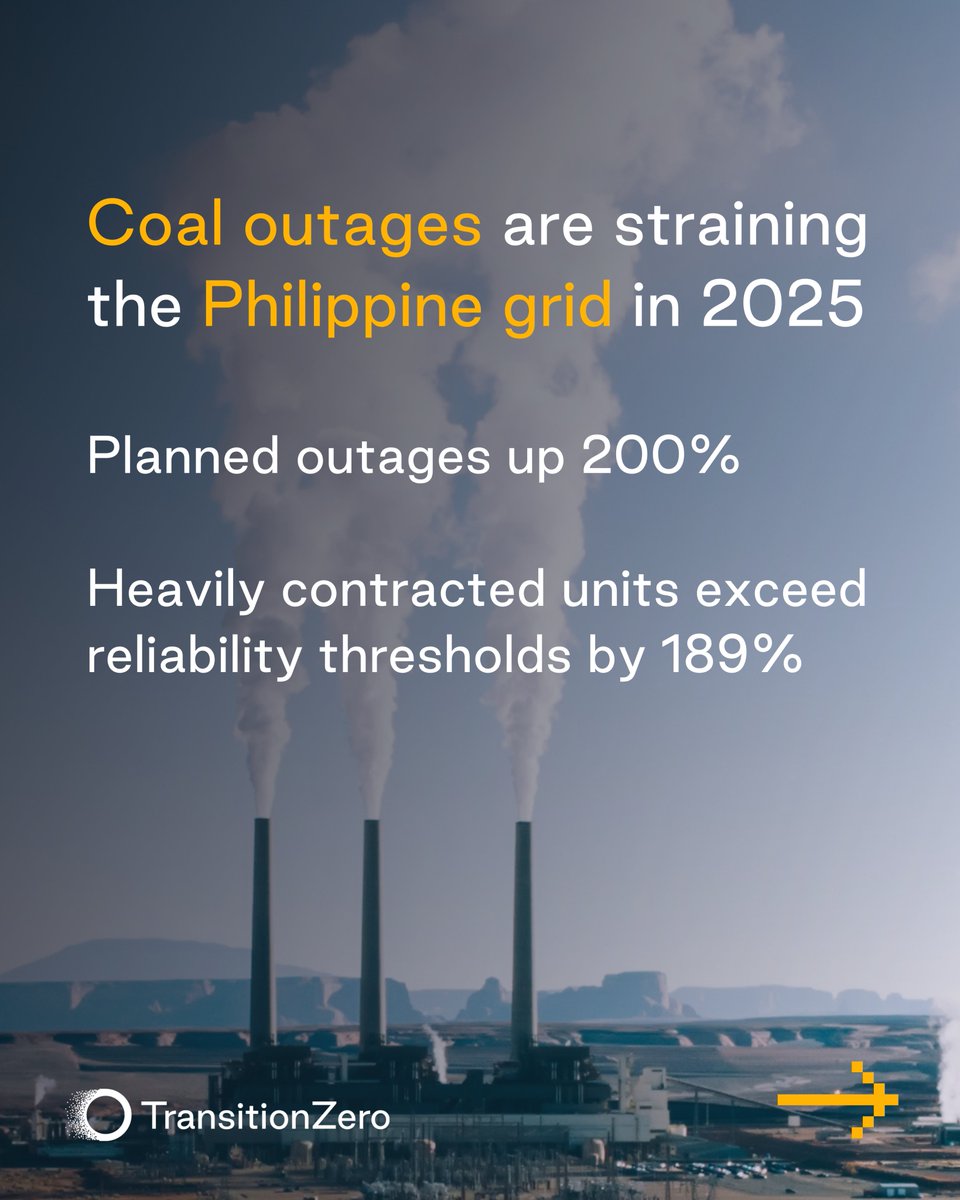
Coal outages in the Philippines surged 200% in 2025.
⚠️ The worst performers are the most contracted.
When these plants go offline, supply tightens, potentially pushing up consumer prices through higher-cost alternatives.
📊 New TZ-CAT analysis: https://t.co/ftyGFSH9Ke
Pakistan’s evening peak in 2026 reveals just how fragile a fossil fuel–dependent grid really is.
New modelling by @RenewablesFirst using TransitionZero’s Scenario Builder shows what happens when fuel prices spike.
📊 Full analysis: https://t.co/lTEgro82RR
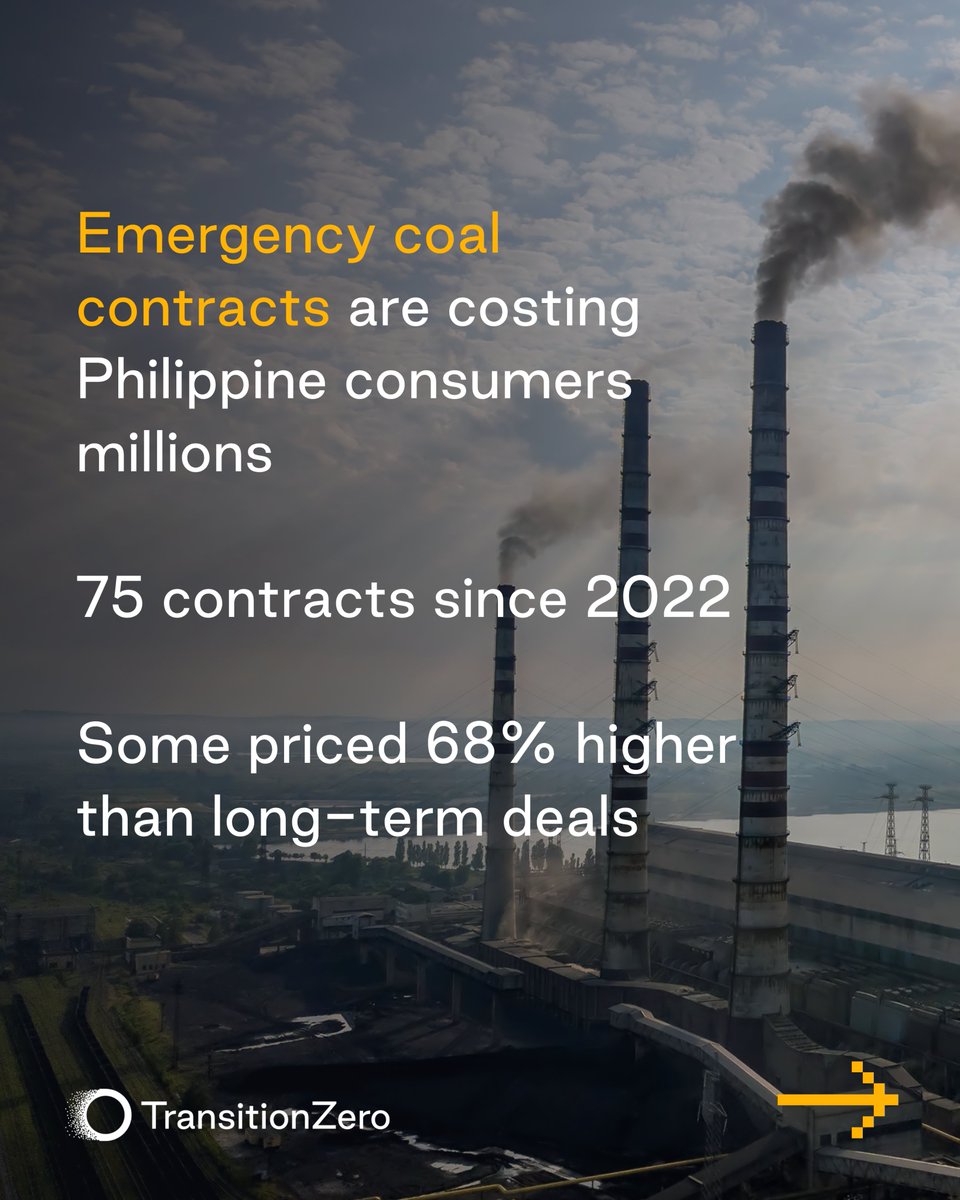
The Philippines signed 75 emergency coal contracts since 2022. Some cost 32 to 68% more than long-term deals.
Without firm alternatives, supply gaps get filled with expensive short-term coal.
New TZ-CAT analysis: https://t.co/Tp58xiMaNY
Japan can reach 50% renewable electricity with very little clean energy going to waste.
But going further — towards a fully clean power system — will require something more: flexibility.
🔗 Read the full blog: https://t.co/yaKaGZkE1u @ClientEarth
Passionate about the energy transition? Good news, we're currently hiring for the following roles to join our friendly team:
⚡ Software Engineer
⚡ Engineering Manager
⚡ Product Manager
⚡ Operations Manager
Find out more and apply: https://t.co/tJizcsWmIL
⚡ Can Japan reach 50% renewable electricity without wasting power?
TransitionZero and @ClientEarth's updated analysis of OCCTO’s 2021 modelling of Japan’s 2040 power system suggests it can.
📖 Read the full analysis: https://t.co/aMwFUN3pJe
⚡ Cutting coal doesn’t always mean more renewables.
In Peninsular Malaysia, coal reductions could mostly shift to gas instead — up to 69–90% in our analysis.
But Sarawak shows a cleaner pathway, where coal cuts could be replaced by hydropower.
https://t.co/YA3RJBn8Ek
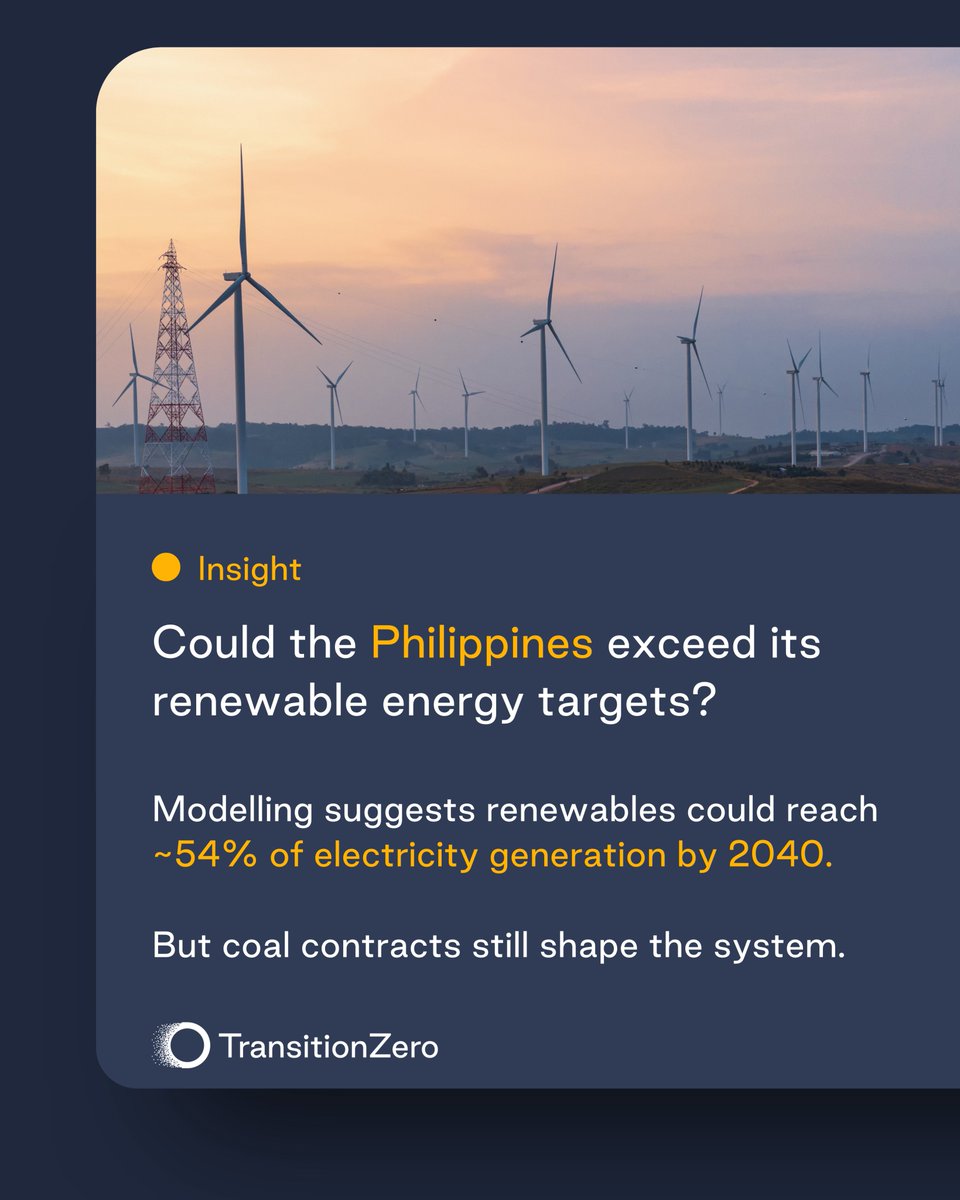
🇵🇭 Could the Philippines exceed its renewable energy targets?
Our modelling suggests renewables could reach ~54% of electricity generation by 2040, surpassing the 50% policy target, with solar driving most of the growth.
🔗Read more: https://t.co/QKSVquNZah
Agentic modelling is here, but getting it right is hard.
AI agents are probabilistic. Energy system models are deterministic.
Our Head of Machine Learning explains how and why we built AMP, our AI modelling assistant.
🔗 https://t.co/aFqHYYlsLw