This is fundamentally why we run a profitable business. Because as long as we're profitable, we can sustain. And when you sustain, you have more opportunities for these magic moments. I've found no better way to bump into more magic than to simply be available for it. There's nothing better than that moment of insight, of catching a glint, of seeing a meh transform into an oh wow, we're on to something.
we're looking for an incredible freelance motion designer to help us with a few upcoming projects.
what matters to us:
- you care about the details most people miss. easing, timing, weight
- you can step into an existing brand and make work that feels like it belongs
- you move fast without letting quality slip
- must have overlap with US hours (EST or close enough)
bonus points:
- you think about sound as part of the experience, not an afterthought
- you can storyboard
- you’re using AI to speed up your workflow
you’ll be working directly with our team at Spring Studio.
super supportive project managers that love working with great people and making amazing things.
if this sounds like you, drop your reel or shoot me a DM!
4 things i learned running two successful design studios
1) hire sooner than feels comfortable
every time we brought on someone great, things got better almost immediately. i waited too long every time. the cost of hiring too early is small. the cost of hiring too late is everything you didn't ship.
2) reliability is a wedge
we stood out because we showed up. available daily. slack replies within 10 minutes. it feels like we're on your team because we basically are.
most shops don't operate this way. that's the opportunity.
3) pick a lane and commit
there are more talented designers than ever. you have to choose something to be known for and then be almost annoyingly consistent about it.
for us it's embedded, reliable, in-your-tools-daily. for you it might be something else. but it has to be something.
4) designers aren't going anywhere
ai can design now. fine.
someone still has to decide what's worth designing.
what the brand should feel like. which product bets matter. what the marketing should actually say.
taste and judgment are more valuable than ever.
--
if you need a reliable, experienced design partner shoot me a message
I almost killed my first studio.
tried to be the designer, PM, salesperson, bookkeeper for 8 months straight.
working late. losing clients because I didn't reply to their slack fast enough.
Then I hired one really good designer and within 30 days, thing changed.
clients were super happy with the work and the comms.
I enjoyed running things again.
only after I realized I was the bottleneck.
i was lying to myself saying it was because "quality control."
now at my new studio, Lived In we staff every client with a PM and a senior designer from day one.
Because I already learned what solo looks like ... and it kind of sucked
Introducing Claude Design by Anthropic Labs: make prototypes, slides, and one-pagers by talking to Claude.
Powered by Claude Opus 4.7, our most capable vision model. Available in research preview on the Pro, Max, Team, and Enterprise plans, rolling out throughout the day.
Codex for (almost) everything.
It can now use apps on your Mac, connect to more of your tools, create images, learn from previous actions, remember how you like to work, and take on ongoing and repeatable tasks.
I built this thing called Clicky.
It's an AI teacher that lives as a buddy next to your cursor.
It can see your screen, talk to you, and even point at stuff, kinda like having a real teacher next to you.
I've been using it the past few days to learn Davinci Resolve, 10/10.
A recent unlock for me on AI + data analysis: think less about prompting. Think more about cooking.
See a lot of people use AI like a microwave.
They drop in one chart, one problem statement, one KPI dip, and type: “Think like a senior analyst. What should I do?”
Then they hit analyze and act surprised when what comes back is lukewarm slop.
But good analysis is not microwave work.
It’s chef work.
If you give a great chef a microwave and say “make dinner,” you should not be shocked if the result is random.
A chef needs more than that.
They need a pantry.
They need various tools.
They need to know who they’re cooking for.
They need to know whether this is Tuesday dinner or a wedding.
They need to know what was already served.
They need to taste as they go.
They need constraints.
Same with AI.
Most people give AI one slice of the situation:
“My growth is slowing. What should I do?”
“Our retention is down. What’s happening?”
“Revenue is up. Is that good?”
That is not enough.
Because a good answer depends on other context that narrows what is actually true.
For example:
What exactly is the metric?
How is it defined?
What changed recently?
Which segments matter most?
What are we optimizing for?
What happened the last time this moved?
What constraints are real?
That’s what I mean by orthogonal context (which is a fancy way of saying, context that comes at right angles. That is independent from each other.) Different kinds of context that rule things in and out.
This is why “better prompts” are overrated.
“Act like a strategic analyst” is basically: “Cook like a Michelin chef.”
The problem is not that the model is dumb.
It’s that you gave it one thing and asked it to invent the meal.
A better question is: What are the 5–7 things my best analyst would want to know before making a recommendation?
Then, answer those questions. Give your AI the pantry and tools that it needs.
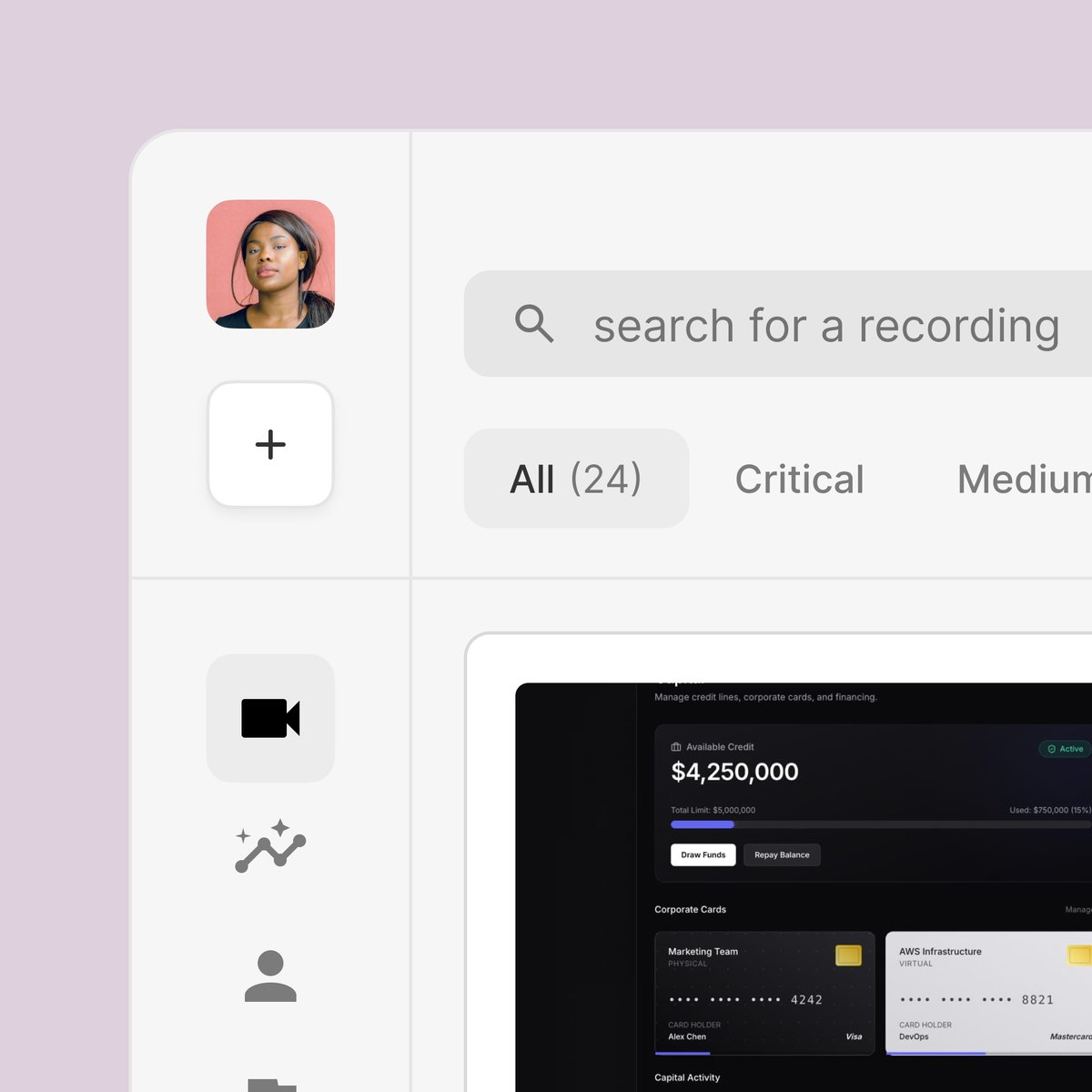
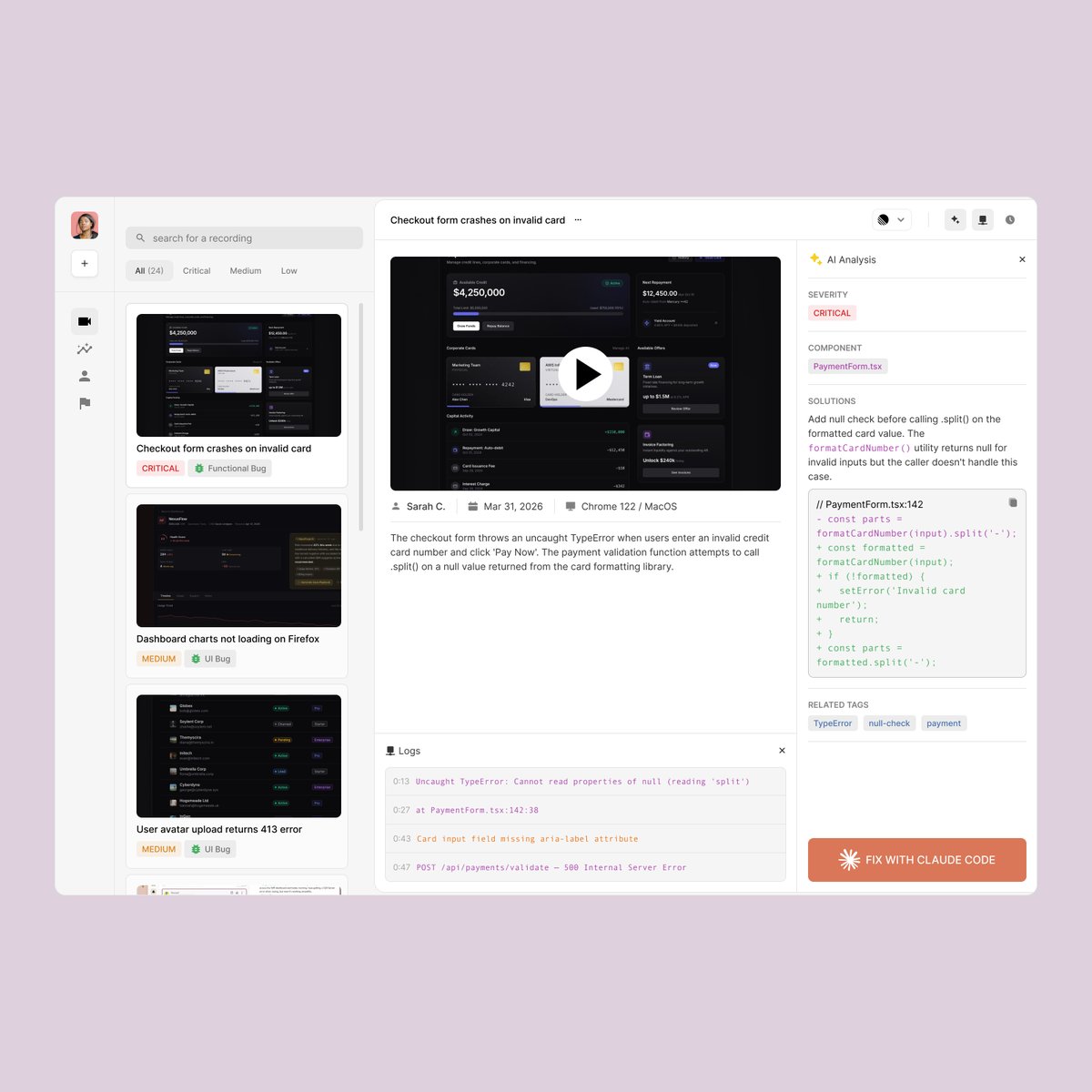
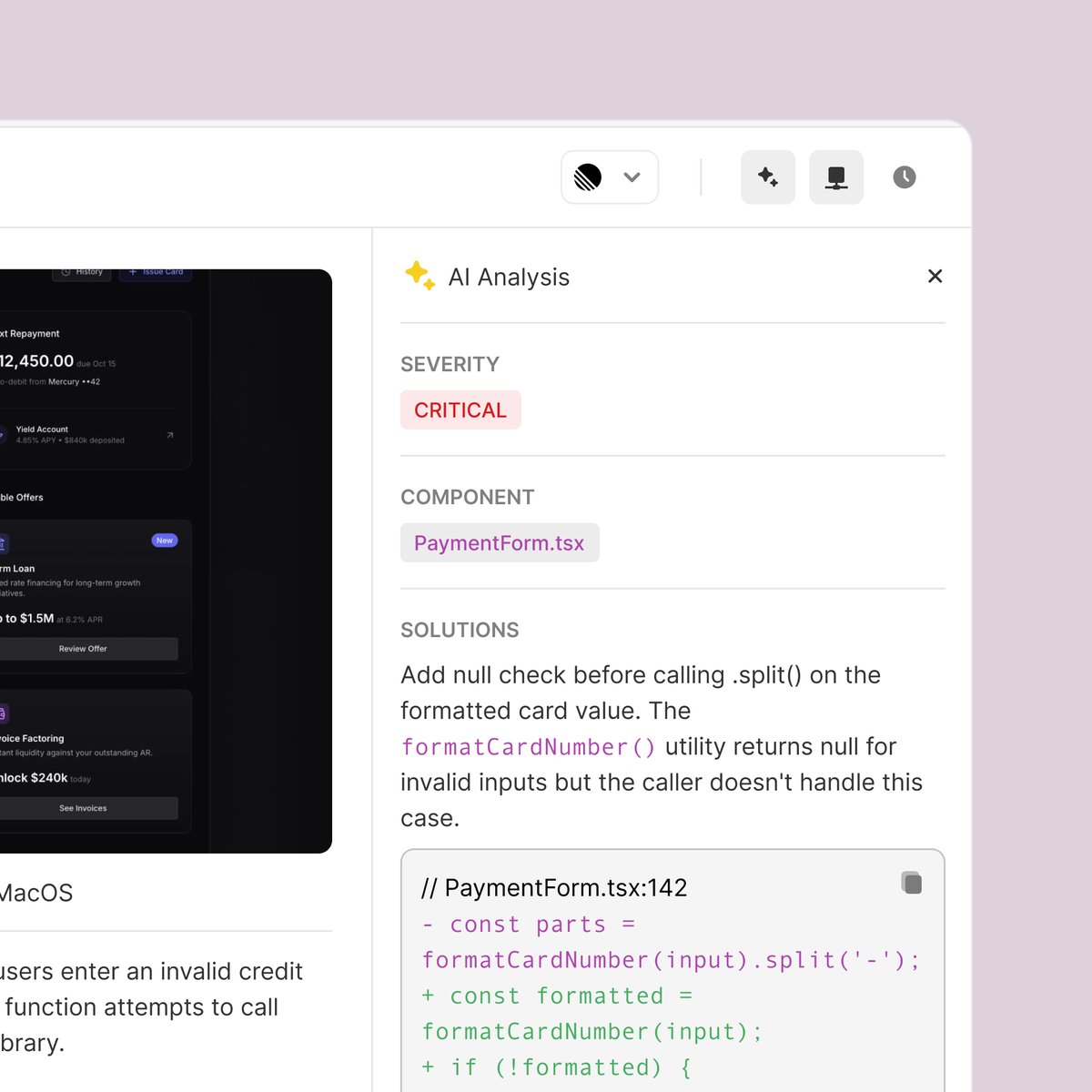
bug tracker UI.
all your bugs in one place. get AI analysis, solutions, next steps, and push straight to claude code or cursor to fix.
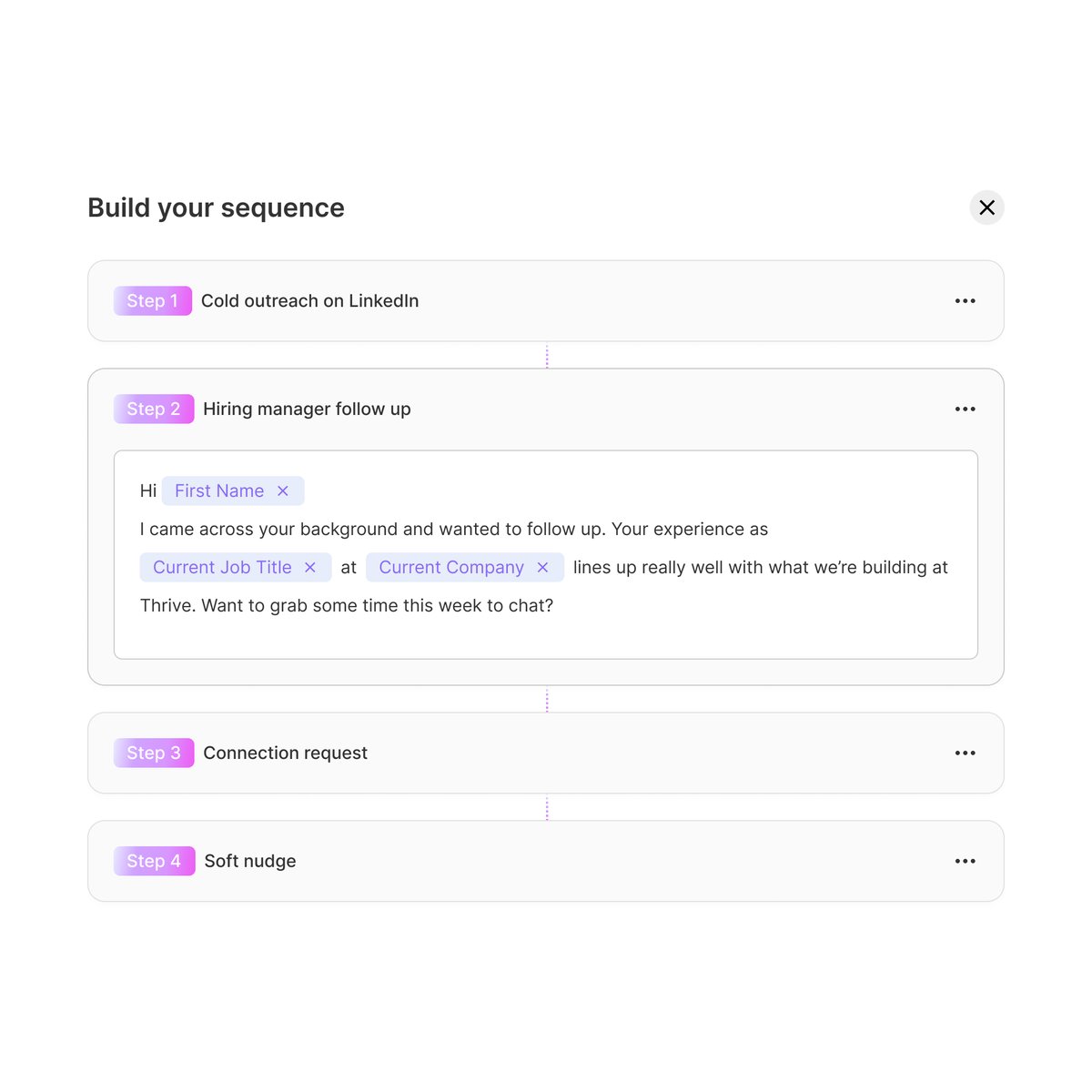
we love designing bespoke, custom UI to help ai companies stand out from the sea of sameness.